Hadrian’s Wall: sweeping views and accessible Roman history
Roman remains, fort museums and scenic walking make this broad historic landscape rewarding for both casual visitors and committed hikers.

More photos
Photos published by travelers on Google, not AI generated.
What stands out
- Beautiful views along the wall
- Information boards explaining the history
- Choice of short walks and longer routes
- Fort museums and visitor-centre displays
Worth knowing
- Exposed sections can be very windy
- Some hills and steep stretches
- Visitor-centre food and shops may feel expensive
Don't miss
What comes up most in public reviews
- Steel Rigg and the Sycamore Gap stretch
- Chesters
- Corbridge
- Fort visitor-centre history displays and film
Worth the trip?
A landmark spread across the landscape
Hadrian’s Wall is better understood as a historic corridor than a single, self-contained attraction. Its surviving stonework, walking trail, forts and museums stretch across northern England, allowing visitors to choose between a short viewpoint stop, a fort visit or a much longer walk. This assessment synthesizes its 4.6 rating from 6339 Google reviews with recurring comments about scenery, history and visitor facilities.
The breadth of choice is one of its clearest strengths. Independent travellers can build their own route, while those wanting more structure can use guides, information boards and designated trails. Reviewers single out Steel Rigg, the Sycamore Gap stretch, Chesters and Corbridge as worthwhile stops, although fitting several sites into one visit requires planning.
Walking, views and Roman context
Walking beside the wall is the main attraction for many visitors. Reviews describe beautiful, peaceful scenery and an approachable route, with information boards adding historical context along the way. The mix of Roman remains and open countryside means even a relatively short walk can feel substantial.
The terrain should not be underestimated, however. One review characterizes the hike as easy overall but also notes repeated steep sections and hills. Following the wall for long stretches can begin to feel repetitive, particularly for visitors more interested in individual ruins than distance walking. Wind is another factor in this exposed landscape. Even so, the views appear to compensate for less comfortable conditions.
Forts and visitor facilities
The forts and museums provide a useful counterpoint to the outdoor sections. One reviewed visitor centre offered historical displays and a short film showing how the wall may have appeared in its active period. These indoor elements are especially valuable for visitors who want more explanation than the surviving masonry alone can provide.
Facilities vary by stop, but one reviewer reports ample parking, clean toilets, recycling bins, friendly staff and a café serving good coffee and freshly prepared food. Dogs were welcomed there, including with treats. Those details should not be assumed at every access point, so walkers travelling with a dog or relying on refreshments should check the facilities for their chosen location in advance.
Planning the visit
A half-day visit works for one fort, a visitor centre and a short walk. A fuller day allows time to combine several historical stops with a longer section of trail. Dedicated walkers can follow much more of the Hadrian’s Wall route, but that requires separate itinerary planning.
Reviews suggest that advance online booking may offer better value at paid forts. Visitor-centre refreshments and shop purchases can feel expensive, particularly for families, so bringing water and snacks may help. Overall, the landmark suits visitors who enjoy choosing their own pace: the history is well interpreted, the landscape is memorable and the route can be adapted to different levels of interest and energy.
Plan the rest of the trip
Ask anything
Looking for somewhere else?
Keep exploring around Brampton
More from United Kingdom

United Kingdom · Oxford
easyHotel Oxford: Clean, Compact and Convenient
A highly rated Oxford base with helpful staff, comfortable beds and genuinely small rooms, best suited to short stays with light luggage.

United Kingdom · London
The Cumberland Hotel: A Convenient London Base by Marble Arch
Public reviews praise The Cumberland Hotel for its Marble Arch location, polished rooms, strong breakfast and consistently warm staff service.

United Kingdom
Great Britain: A Broad Mix of Scenery, History and City Life
Public reviews present Great Britain as a varied destination with appealing countryside, busy cities, international food and a deep supply of history.
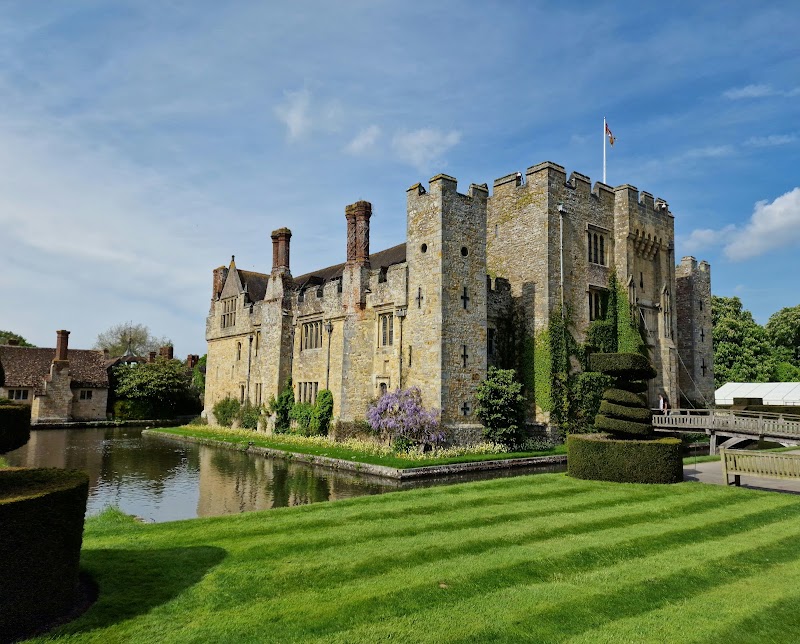
United Kingdom · Hever
Hever Castle & Gardens: History, Gardens and Family Fun
Hever Castle & Gardens combines Tudor history, immaculately kept gardens and plenty of outdoor activities for a full day in Kent.