Natural History Museum: Dinosaurs, Fossils and Grand Architecture
London’s Natural History Museum combines memorable dinosaur displays, accessible galleries and an extraordinary building in a visit that can fill several hours.
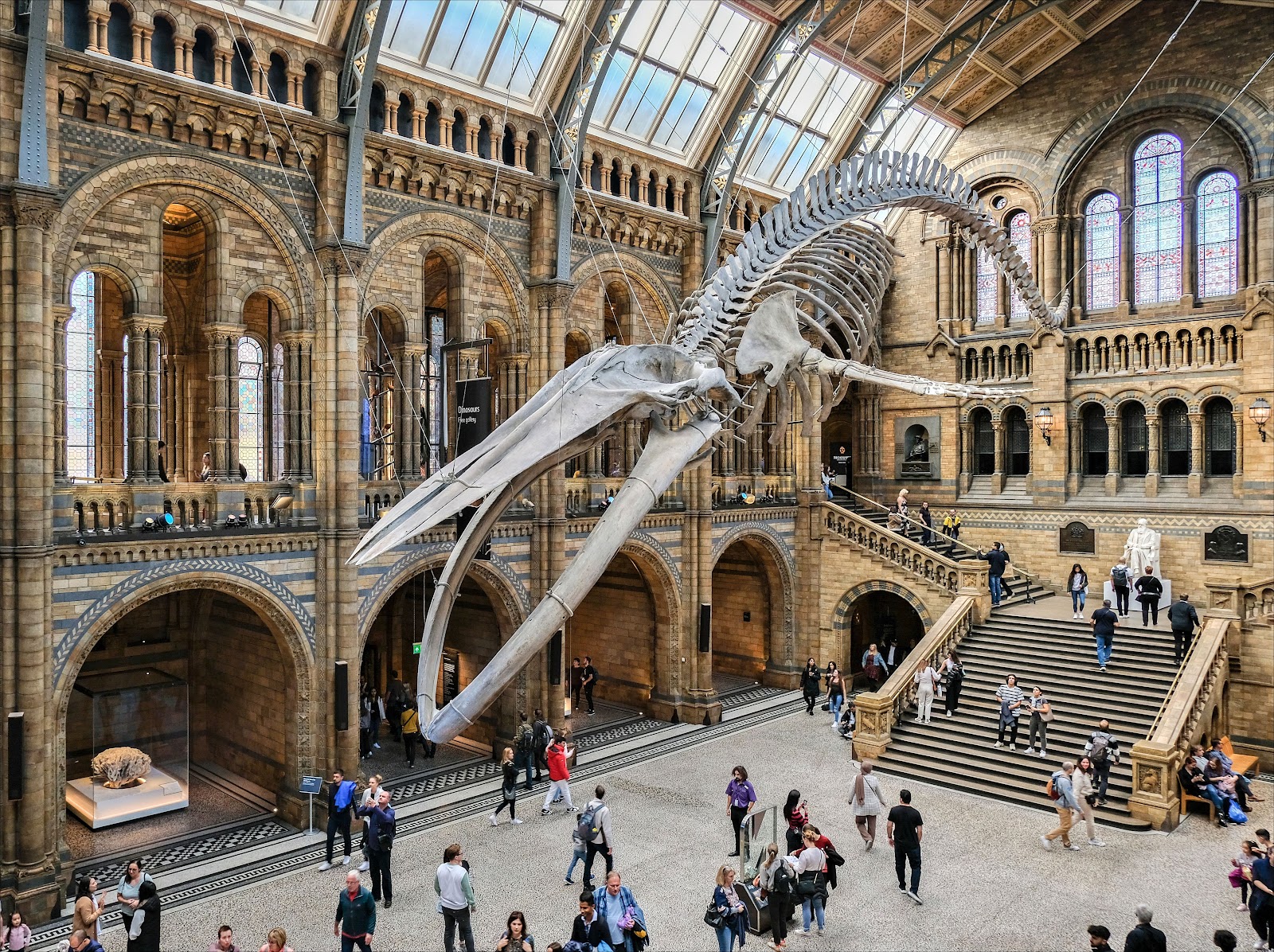
More photos
Photos published by travelers on Google, not AI generated.
What stands out
- Large dinosaur skeletons and exhibits
- Animals, fossils, rocks and Earth displays
- Striking museum architecture
- Lifts to all floors
- Facilities for family breaks
Worth knowing
- The museum is very large and can take several hours
- Food may be expensive with limited choice
- Check current arrangements for booking or paid elements
Don't miss
What comes up most in public reviews
- See the dinosaur skeletons
- Explore the animal-world displays
- Look through the fossils and rocks
- Walk through the museum building
- Check the shop
Worth the trip?
Why visit
The Natural History Museum is one of London’s strongest choices for visitors interested in animals, fossils, rocks, dinosaurs and the natural world. Public reviews give it a 4.6 rating from 41,528 reviews, with repeated praise for the scale of the collections and the quality of the displays.
The building makes an immediate impression. Reviewers describe the structure as incredible and beautiful, while the galleries are often called colourful, fascinating and well laid out. The setting is not just a backdrop to the exhibits. Walking through the museum is part of the experience.
What the reviews highlight
Dinosaurs are the main draw for many visitors. Large skeletons and dinosaur exhibits are repeatedly described as unforgettable, especially for first-time visitors and families. The wider collection also covers animals, nature, Earth science, fossils and rocks, giving the museum enough range to suit visitors whose interests extend beyond prehistoric life.
Several reviewers found the museum easy to explore and well organised. It works particularly well for families, with one review specifically praising the lifts to all floors after visiting with a pushchair. Facilities for taking a short break are also mentioned. That matters in a museum of this size.
Planning the visit
The museum is enormous by ordinary sightseeing standards. One reviewer spent around five hours exploring, while another completed the visit in about three hours, including a short food break. A half-day is a sensible starting point, though visitors with children or a strong interest in natural history may want longer.
General entry is described in the reviews as free. The same feedback refers to booking and to possible paid elements, but the details are not consistent across the sample. Checking the museum’s current arrangements before arrival is sensible, especially if the visit includes a timed activity or a special experience.
Food is the clearest practical complaint. One reviewer found lunch expensive for the quality and felt the selection was limited. A break can still be useful, but visitors may prefer to plan around the museum rather than rely on its food options.
Who it suits
This is a strong fit for families, science enthusiasts and anyone who enjoys museums with substantial collections. It also works for visitors who want an indoor London attraction with plenty to see at their own pace. The accessible layout and lifts make it easier for visitors using pushchairs, while the range of subjects gives mixed-interest groups a reason to stay together.
The main caution is time. A quick look will only cover part of the museum. The best visit allows several hours, with the dinosaur galleries high on the list and time left for the animal, fossil, rock and Earth-related displays. The shop also receives a positive mention for its selection of gifts and souvenirs.
Plan the rest of the trip
Ask anything
Looking for somewhere else?
Keep exploring around London
More from United Kingdom
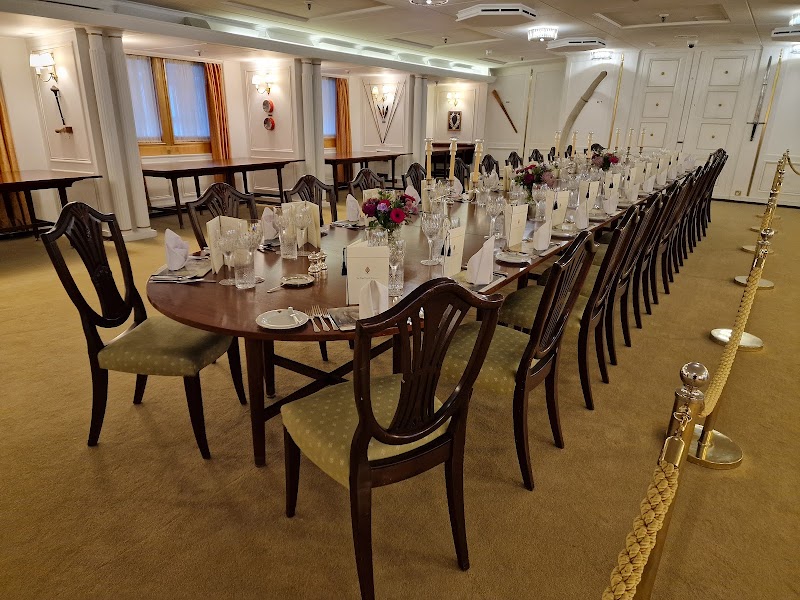
United Kingdom · Edinburgh
The Royal Yacht Britannia: Edinburgh’s Floating Royal Museum
Public reviews praise this carefully presented ship tour for its royal history, preserved interiors, audio commentary and unexpectedly moving atmosphere.
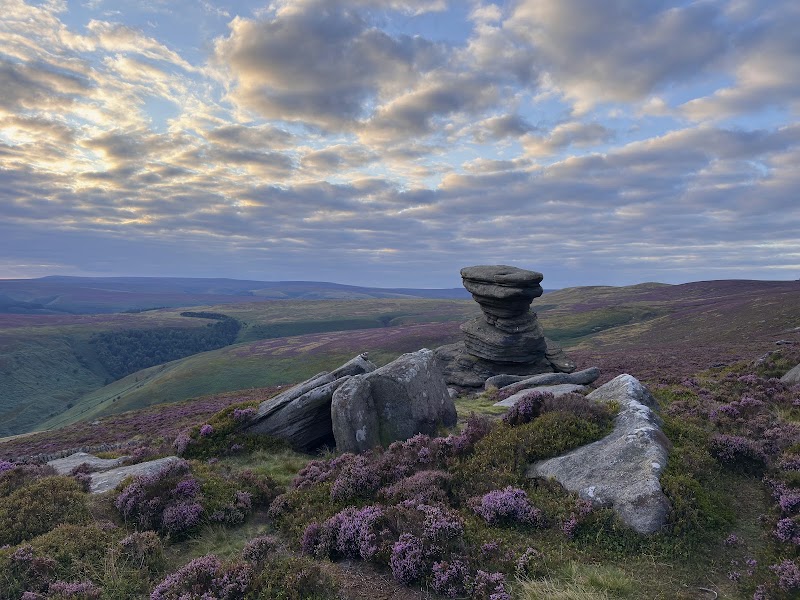
United Kingdom
Peak District National Park for Scenic Walks and Open Countryside
Public reviews rate the Peak District highly for peaceful landscapes, woodland walks and accessible day trips, with busy paths a recurring concern.

United Kingdom · Belfast
Titanic Belfast Makes Shipbuilding History Feel Immediate
This large, immersive museum draws strong public praise for its interactive galleries, emotional storytelling and detailed account of Titanic’s Belfast origins.

United Kingdom · Chester
Chester Zoo: A Full Day of Wildlife and Conservation
Public reviews describe Chester Zoo as a large, thoughtful attraction with spacious enclosures, knowledgeable staff and enough to fill more than one visit.