Gwanghwamun Square: History in the Heart of Seoul
Monumental statues, palace views and an open civic setting make Gwanghwamun Square a rewarding stop on a central Seoul walking route.
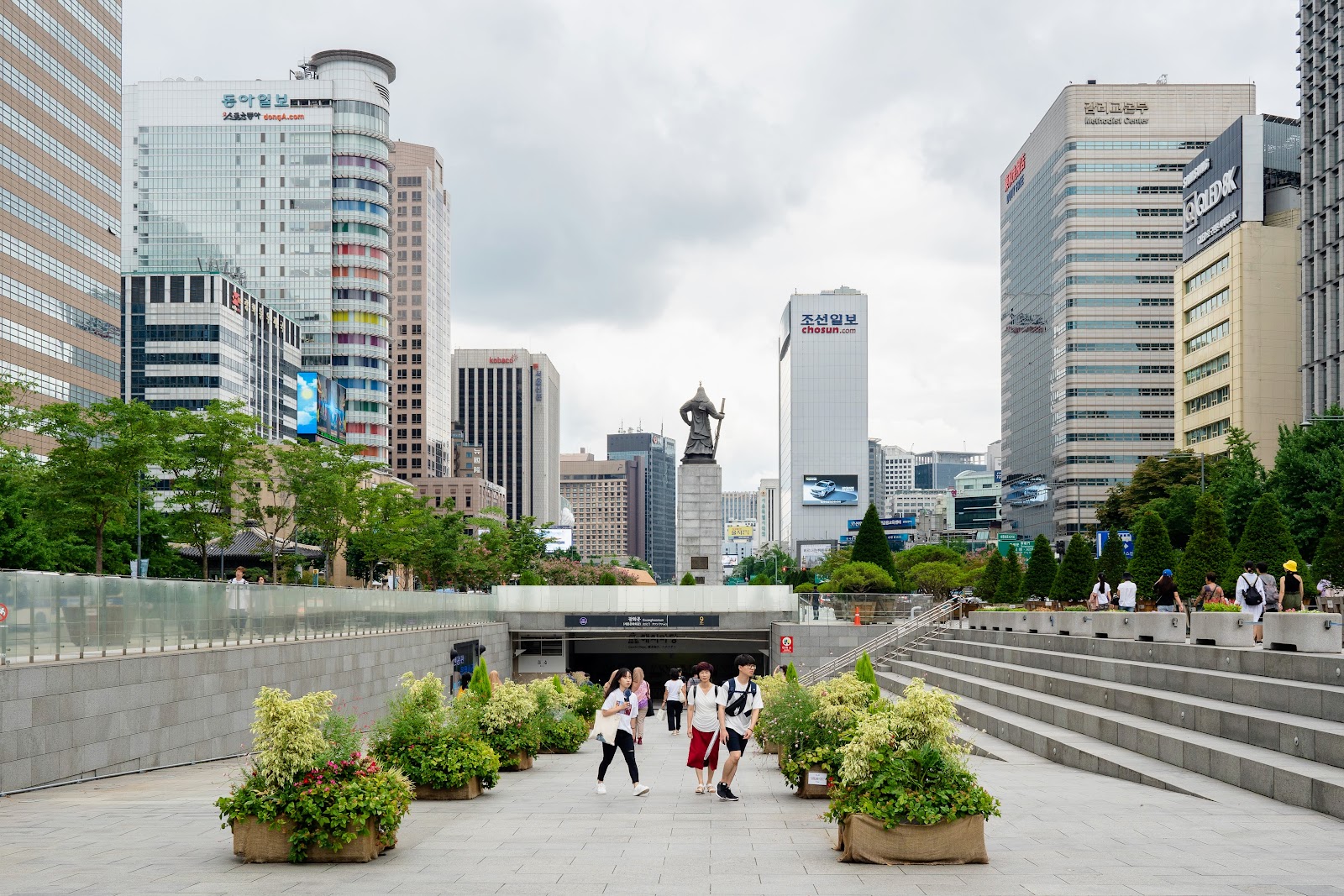
More photos
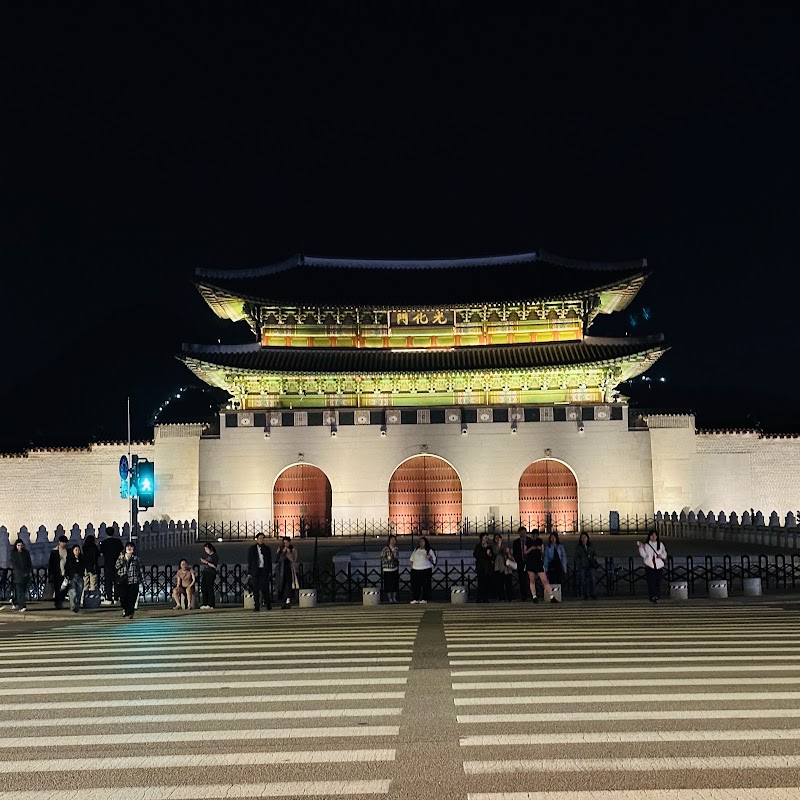
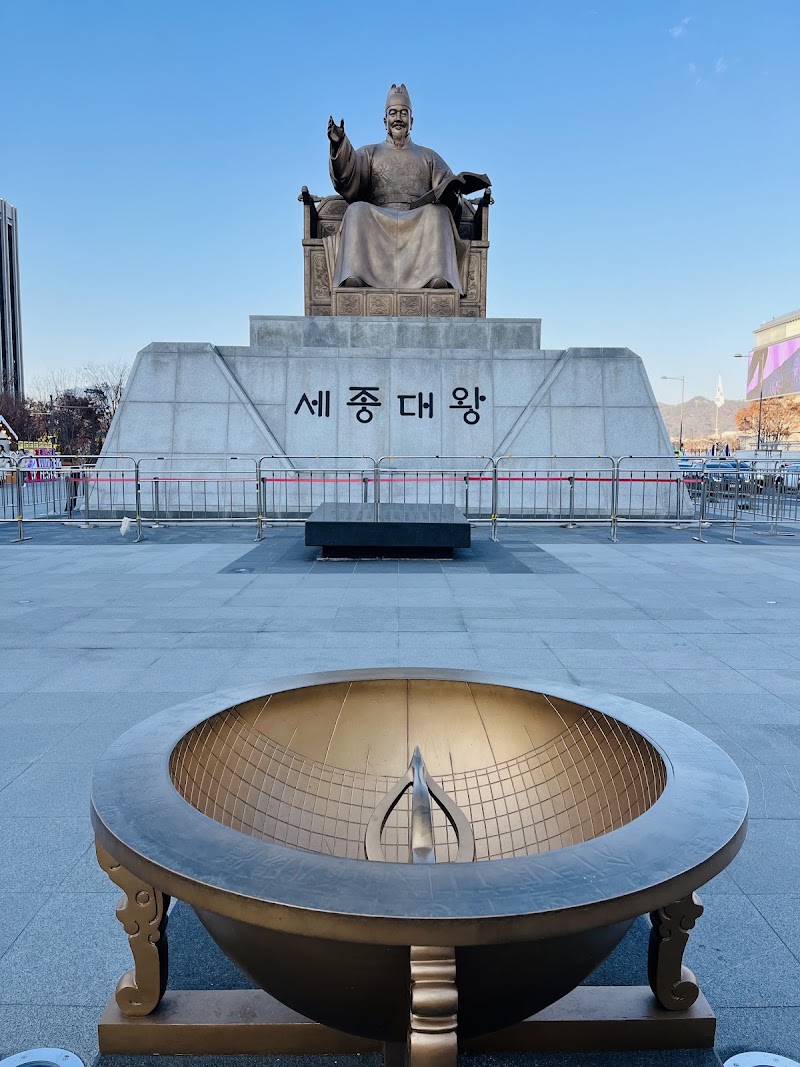
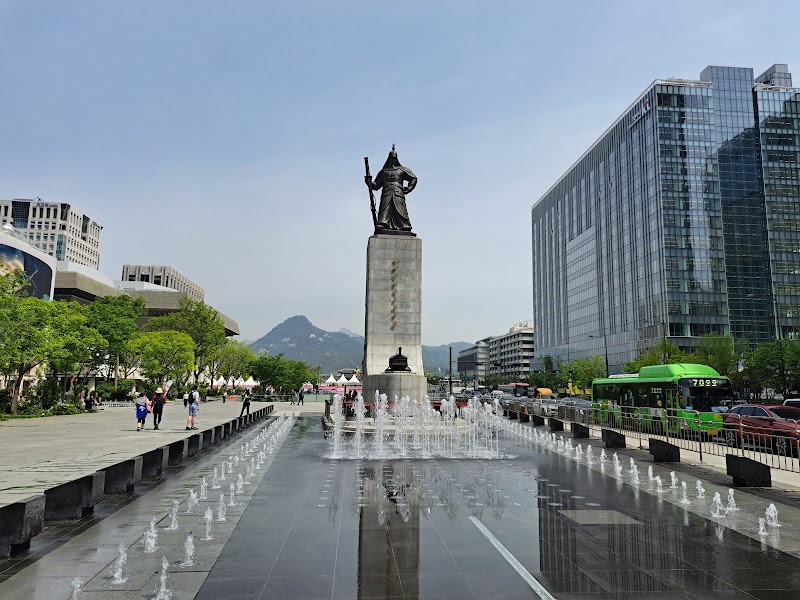

Photos published by travelers on Google, not AI generated.
What stands out
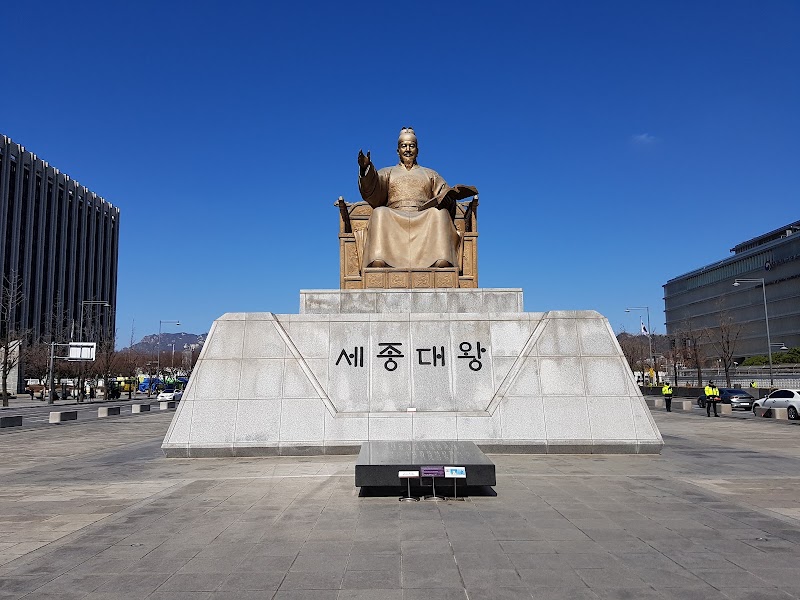
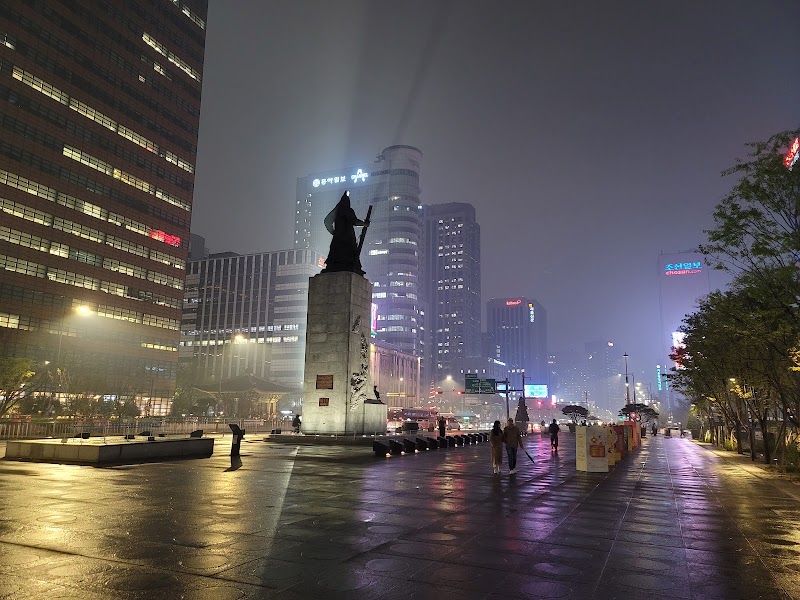
- Statues of King Sejong and Admiral Yi Sun-sin
- Views toward Gyeongbokgung Palace and the mountains
- Spacious, clean and well-maintained public setting
- Strong contrast between historic and modern Seoul
Worth knowing
- Better as part of a walking route than a long standalone visit
- Water play facilities are seasonal
Don't miss
What comes up most in public reviews
- See the King Sejong statue
- See the Admiral Yi Sun-sin statue
- Look toward Gwanghwamun Gate and Gyeongbokgung Palace
- Walk through the square and take photographs
Worth the trip?
A civic space with a strong sense of place
Gwanghwamun Square brings several of central Seoul’s best-known sights into one broad, accessible public space. Its 4.5 Google rating from 14227 reviews reflects much of what visitors respond to: Korean history and monumental public art, with clear views towards Gwanghwamun Gate, Gyeongbokgung Palace and the mountains beyond.
Public reviews often call the square spacious, clean and well maintained. Historic monuments and palace architecture sit in full view of the contemporary city, making the contrast between old and modern Seoul easy to grasp. Many visitors do not see the square as a standalone attraction. Instead, it becomes the centrepiece of a longer sightseeing walk.
Statues that explain the square
The statues of King Sejong the Great and Admiral Yi Sun-sin are the square’s two main focal points. Their scale draws plenty of comment in public reviews. The history behind them matters just as much.
King Sejong, the fourth king of the Joseon Dynasty, is closely associated with the creation of Hangul, the Korean alphabet. Admiral Yi Sun-sin is remembered as the naval commander who defended Korea during the Japanese invasions of the 16th century, including victories associated with turtle ships. Together, these monuments add an educational dimension that travellers frequently value.
There is ample open space around both statues, with clear angles for viewing and photographs. The King Sejong statue is closer to the palace end of the square. Admiral Yi Sun-sin’s statue forms another imposing point along the central axis.
Best experienced as part of a walk
Public reviews suggest that Gwanghwamun Square needs little time as a visit by itself. Location is its real strength. The square slips easily into a walking route through Seoul’s historic centre, giving visitors time to pause at the statues, photograph the open space, then continue towards Gwanghwamun Gate and Gyeongbokgung Palace.
Public transport access is widely considered convenient, while the open layout is straightforward to navigate. There is no admission barrier. This makes the square a budget-friendly itinerary stop, especially for travellers planning around palace visits and other central attractions.
It is less a conventional attraction with a fixed order than a useful, meaningful urban connector. Travellers looking for a lengthy indoor experience may find the stop brief. For those drawn to history, architecture or city photography, that brevity often works in its favour.
Families and seasonal appeal
Summer reviews frequently mention the floor fountains and water play facilities near the King Sejong statue. Families describe the area as a welcome place for children to cool off during a day of sightseeing in the city centre. The facilities are seasonal, so they are best treated as a warm-weather bonus rather than a year-round feature.
Taken together, public ratings and reviews indicate that the square works particularly well for first-time visitors, families and people exploring central Seoul on foot. Its historical figures and open views, along with its connection to the palace district, give it more substance than a simple photo stop. The manageable scale also makes it easy to combine with nearby landmarks.
Ask anything
Looking for somewhere else?
Keep exploring around Sejong-daero
More from South Korea
South Korea · Iksan
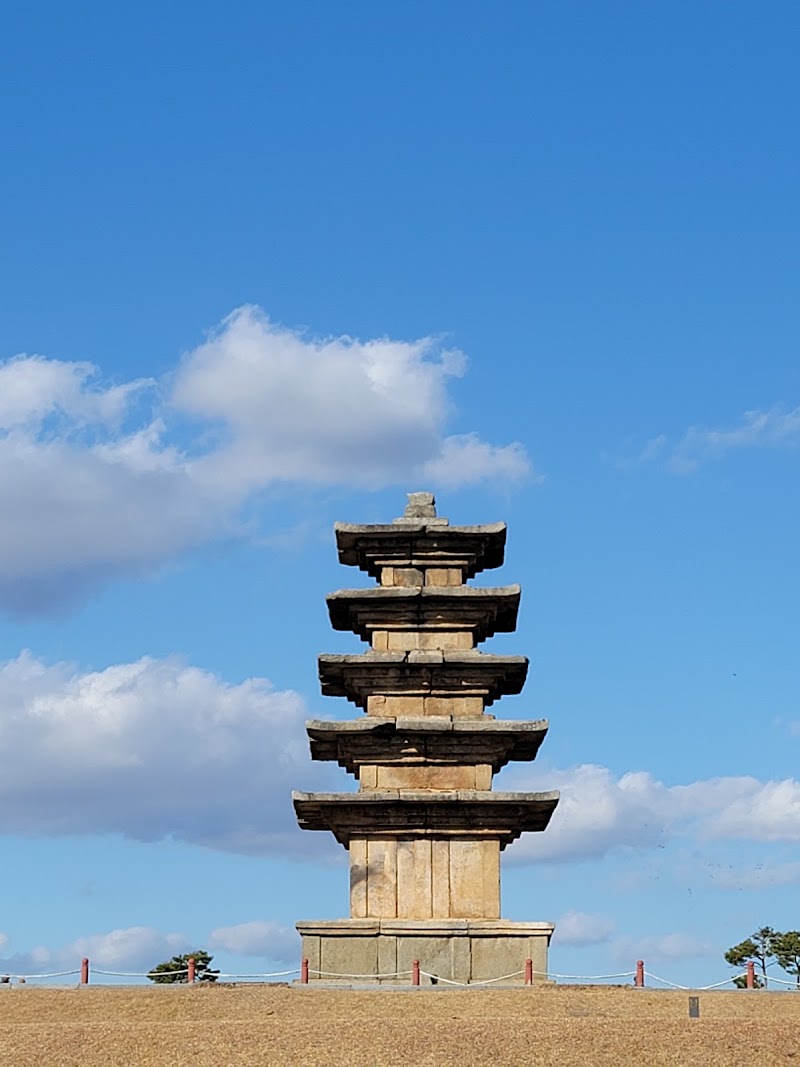
Wanggung-ri’s Pagoda and Spacious Historic Grounds
A well-rated Iksan landmark where an old stone pagoda, open grounds and relaxed walks shape the visitor experience.
South Korea · 율곡로
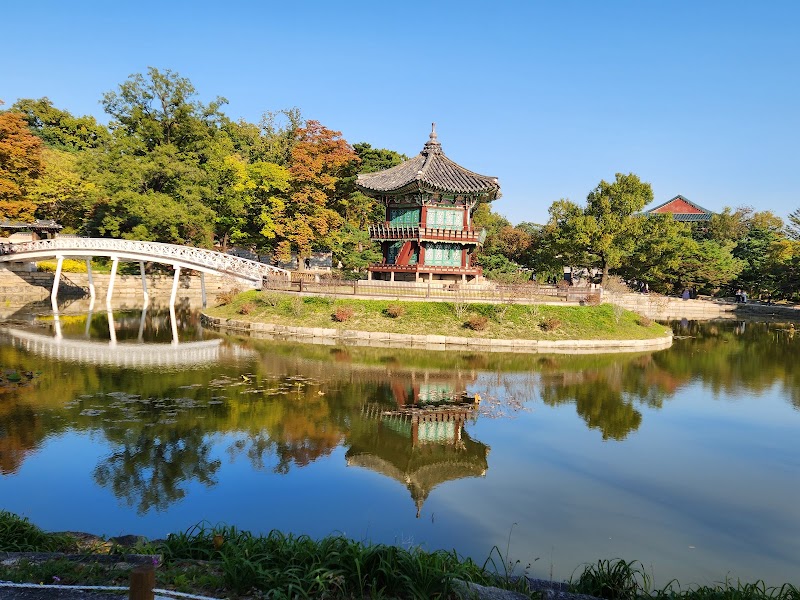
Changdeokgung Secret Garden: serene palace landscapes
Timed access and guided interpretation reward advance planning at this tranquil historic garden within Changdeokgung Palace.
South Korea · Gyeongju
Yangdong Folk Village: A Living Slice of Historic Gyeongju
Traditional houses, mountain scenery and a lived-in atmosphere reward travellers prepared for uphill walking and a journey beyond central Gyeongju.
South Korea · Sajik-ro
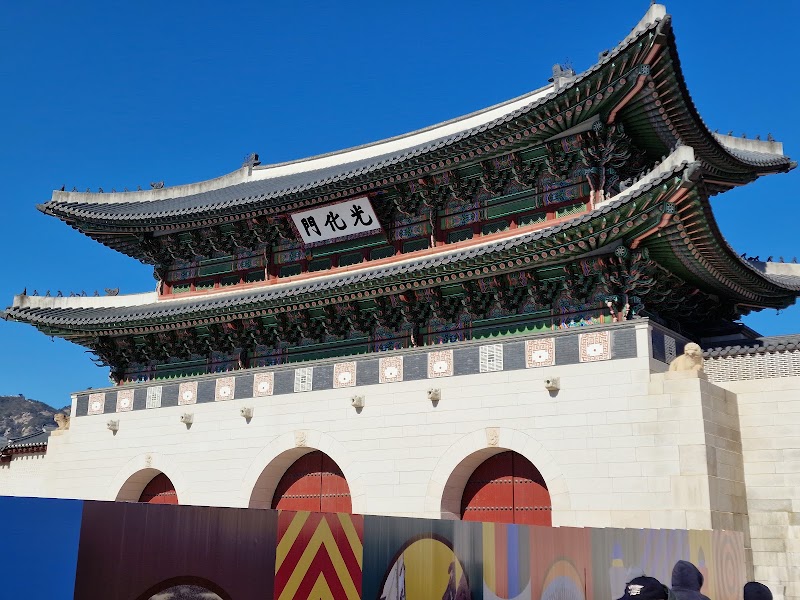
Gwanghwamun Gate: Seoul’s Grand Historic Threshold
Monumental architecture, a mountain backdrop and the Royal Guard ceremony make this an impressive introduction to historic Seoul.