Gwanghwamun Gate: Seoul’s Grand Historic Threshold
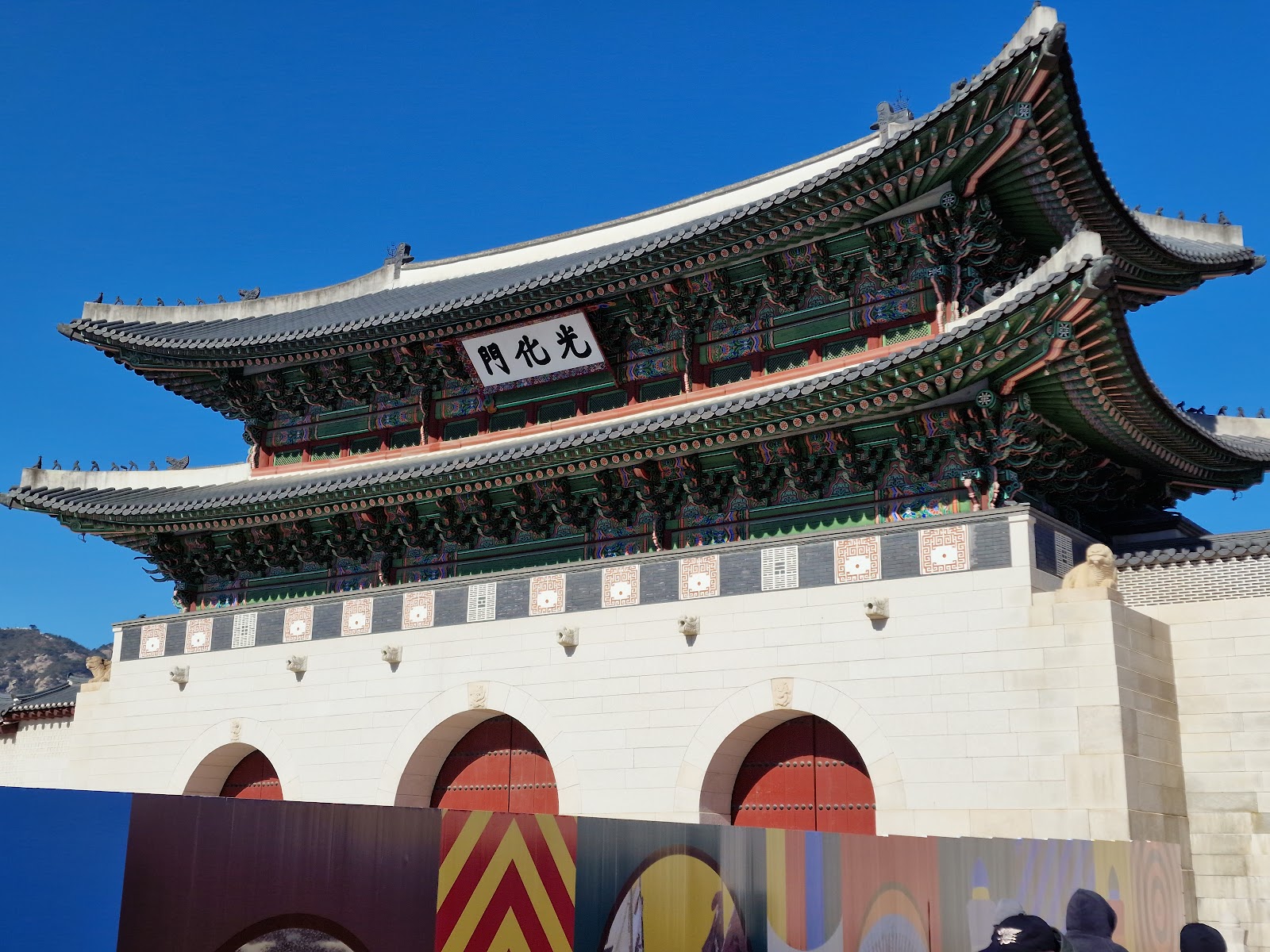
Monumental architecture, a mountain backdrop and the Royal Guard ceremony make this an impressive introduction to historic Seoul.
More photos

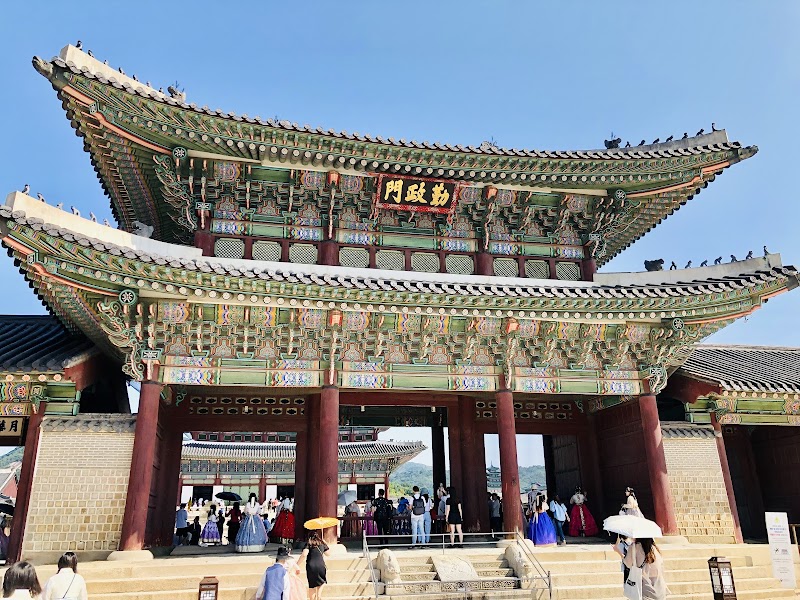

Photos published by travelers on Google, not AI generated.
What stands out
- Grand, detailed architecture
- Mountain backdrop
- Historic and modern city contrast
- Well-maintained surroundings
- Strong photography opportunities
Worth knowing
- Summer heat can be uncomfortable
- Arrive early for a close ceremony view
Don't miss
What comes up most in public reviews
- Changing of the Royal Guard ceremony
- Views toward the mountain backdrop
- The contrast with modern city traffic
- A walk through Gwanghwamun Square
Worth the trip?
A commanding first impression
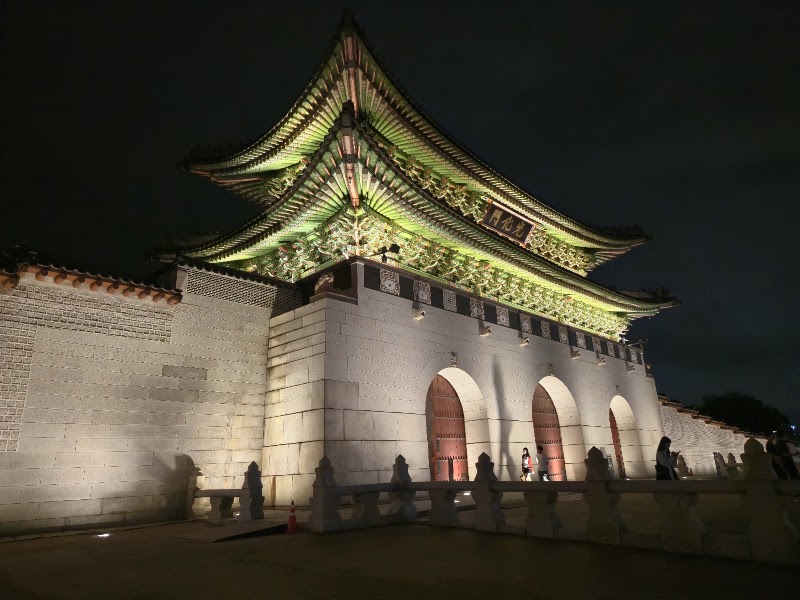
Gwanghwamun Gate earns a Google rating of 4.7 from 4020 reviews, with public feedback repeatedly describing it as one of Seoul’s most striking landmarks. Its scale, detailed architecture and position at the entrance to Gyeongbokgung Palace create an immediate sense of occasion. Several travellers treat it as a defining first view of the city rather than merely a doorway into the palace complex.
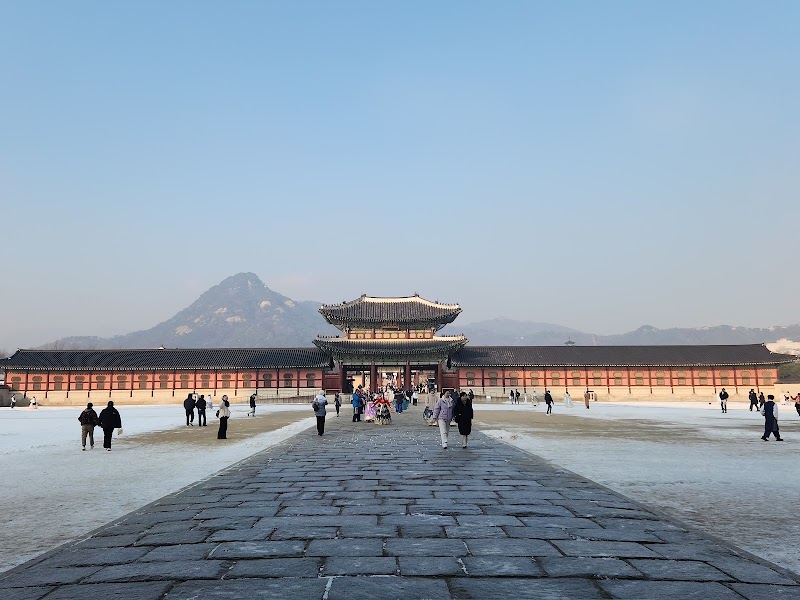
The setting is central to its appeal. Reviewers highlight the mountain backdrop behind the gate and the modern roads and city traffic in front, creating a sharp contrast between royal-era architecture and present-day Seoul. That combination also makes the landmark particularly rewarding for photography.
A worthwhile stop on its own
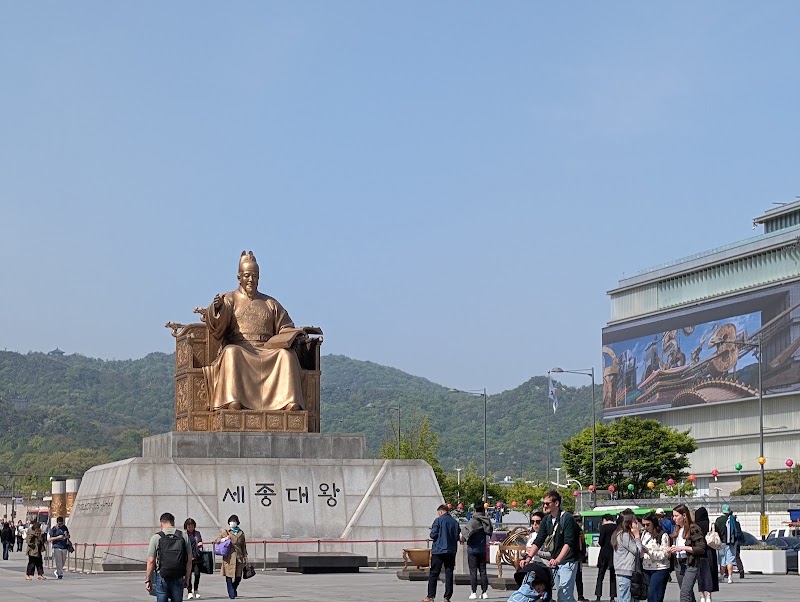
Although Gwanghwamun Gate naturally fits into a visit to Gyeongbokgung Palace, reviews indicate that it can also work as a short standalone stop. One traveller, short on time, skipped the palace interior and simply wandered around the gate, while another described it as an easy addition to a walk through nearby Gwanghwamun Square.
The overall layout is praised, and the site is described as well maintained. Travellers who only want to admire the exterior, take photographs and absorb the meeting point of old and new Seoul may not need to devote a large part of the day to it. Those continuing into Gyeongbokgung Palace can instead view the gate as the opening scene of a longer historical visit.
The Royal Guard ceremony
The changing of the Royal Guard is the most frequently recommended activity in the supplied reviews. Visitors describe the ceremony as educational, moving and a useful glimpse into Korea’s royal traditions. Its uniforms, formal movements and grand architectural setting also make it a strong photographic subject.
Public feedback recommends arriving early to secure a close viewing position. Travellers planning around the ceremony should confirm the current schedule before setting out, as the reviews supplied do not establish specific performance times or operating days. Even without the ceremony, however, the gate’s visual impact remains the principal draw.
Practical verdict
Summer conditions are the clearest caution raised by reviewers. One visitor loved the experience despite describing the heat as extremely uncomfortable, so shade, water and weather-appropriate clothing may improve a warm-season visit. An earlier arrival can also help with both heat and positioning for the guard ceremony.
Overall, review patterns present Gwanghwamun Gate as a polished, memorable and easy-to-combine landmark. It works best for history enthusiasts, photographers and first-time Seoul visitors, especially when paired with Gwanghwamun Square or Gyeongbokgung Palace. The architecture is the constant attraction, while the guard ceremony adds cultural context for travellers able to time their visit accordingly.
Ask anything
Looking for somewhere else?
Keep exploring around Sajik-ro
More from South Korea
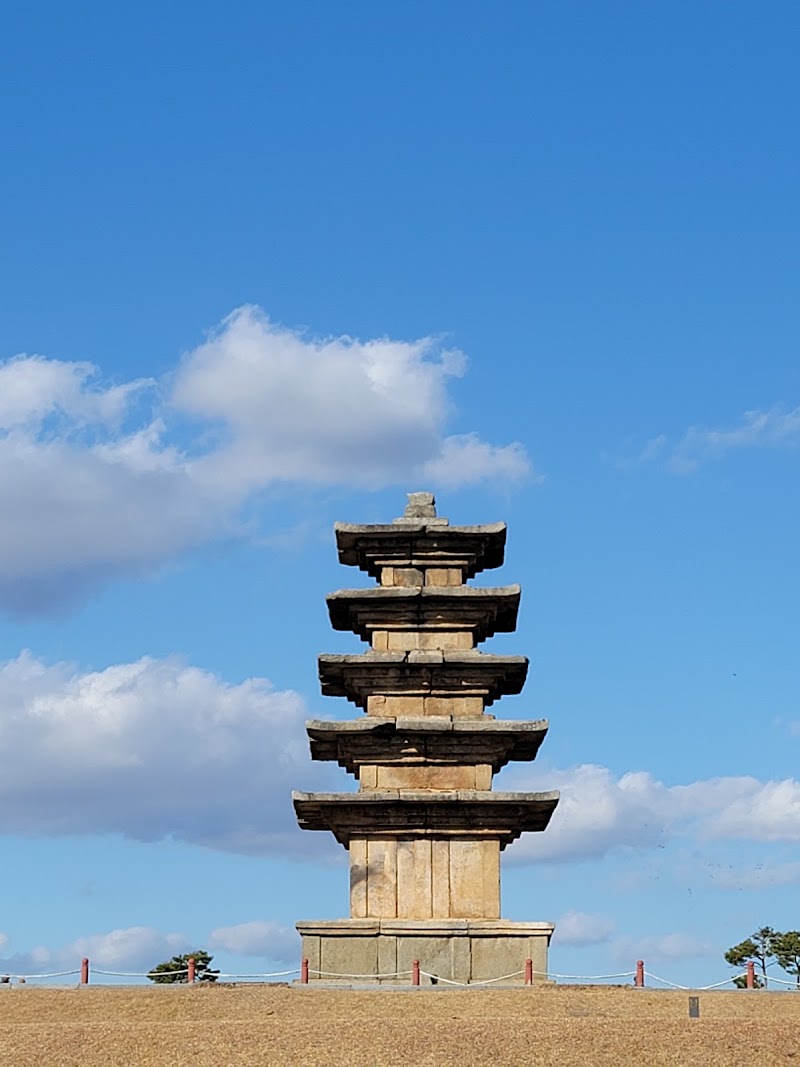
South Korea · Iksan
Wanggung-ri’s Pagoda and Spacious Historic Grounds
A well-rated Iksan landmark where an old stone pagoda, open grounds and relaxed walks shape the visitor experience.
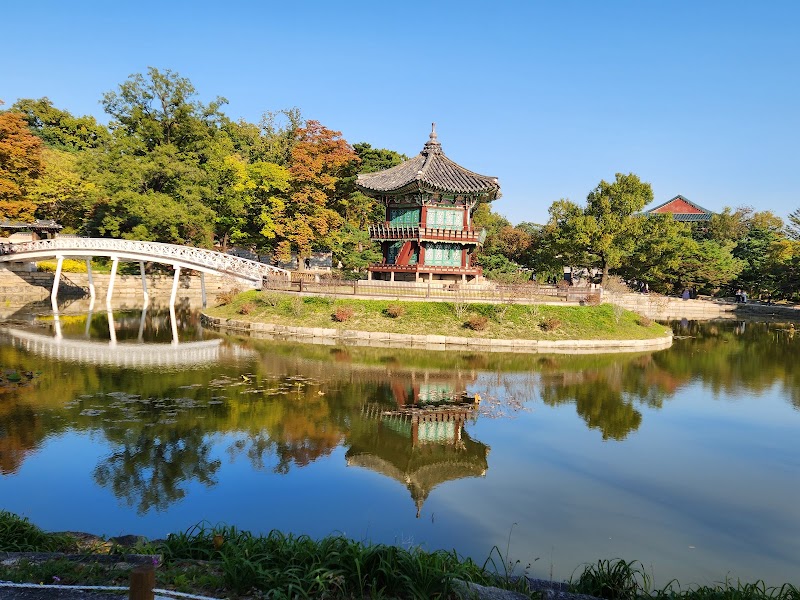
South Korea · 율곡로
Changdeokgung Secret Garden: serene palace landscapes
Timed access and guided interpretation reward advance planning at this tranquil historic garden within Changdeokgung Palace.
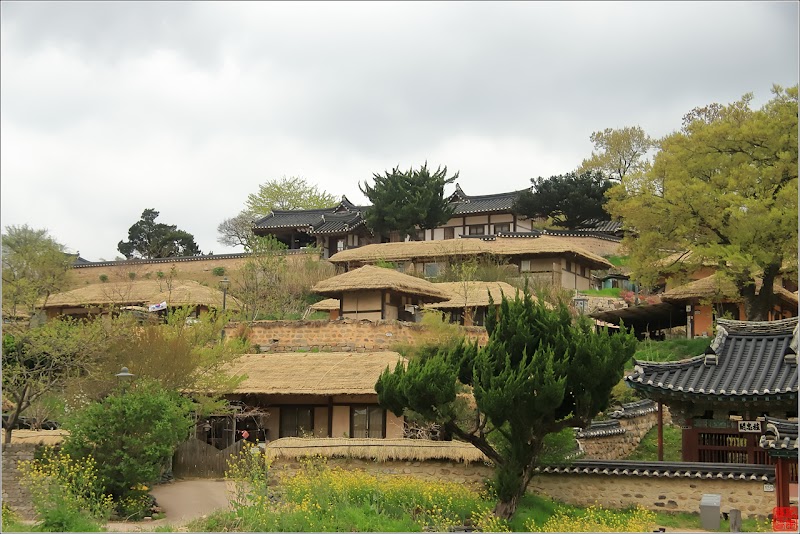
South Korea · Gyeongju
Yangdong Folk Village: A Living Slice of Historic Gyeongju
Traditional houses, mountain scenery and a lived-in atmosphere reward travellers prepared for uphill walking and a journey beyond central Gyeongju.
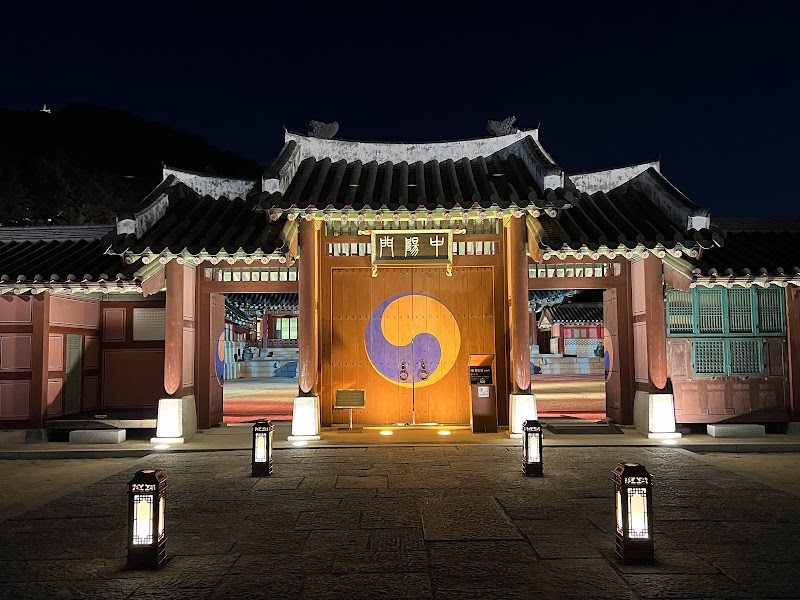
South Korea · Suwon
Hwaseong Haenggung: Suwon’s Restored Royal Residence
A carefully restored Joseon-era palace with royal history, photogenic courtyards and easy access to Suwon’s traditional streets.