Gupteshwor Mahadev Cave, Pokhara’s Spiritual Underground Visit
A cave temple near Devi’s Fall, Gupteshwor Mahadev offers a short, atmospheric visit with natural formations, underground water and a strong religious character.
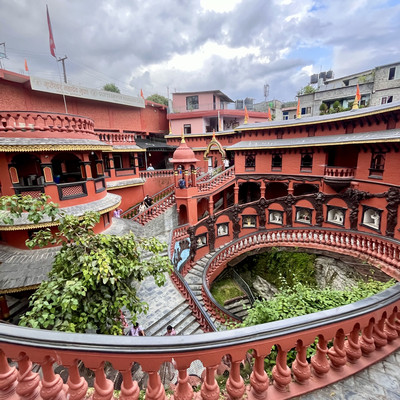
More photos
Photos published by travelers on Google, not AI generated.
What stands out
- Shiva temple inside the cave
- Natural cave passages and formations
- View of Devi’s Fall from inside
- Sound of underground water
- Peaceful spiritual atmosphere
Worth knowing
- Some pathways can be slippery
- A ticket is required, with price unspecified
Don't miss
What comes up most in public reviews
- Explore the cave passages
- Visit the Shiva temple
- Look for the view of Devi’s Fall
- Listen for the underground water
Worth the trip?
Gupteshwor Mahadev Cave gives visitors a compact but memorable stop in Pokhara. Public reviews consistently describe a place where a natural cave and an active spiritual setting meet. The passage leads underground toward a temple dedicated to Lord Shiva, with naturally formed features and the sound of water adding to the atmosphere.
The attraction has a Google rating of 4.4 from 3,685 reviews. That response reflects its broad appeal, especially among visitors who want more than a conventional viewpoint. Reviews call the cave deep, mysterious and peaceful. One visitor spent about an hour exploring its passages. Another described the experience as slightly thrilling as the route descended beneath the surface.
What the visit feels like
The main experience is the walk through the cave itself. Visitors move through naturally formed passages toward the Shiva temple, where the setting becomes more overtly religious. The temple inside is repeatedly identified as a highlight, giving the visit a quiet and devotional quality rather than making it solely a geological attraction.
The underground water is part of the appeal. Reviews mention hearing it below the cave and describe the descent toward the waterfall as an engaging part of the experience. Natural formations also receive positive attention, although the public reviews do not identify individual formations by name.
Why it suits a Pokhara itinerary
Gupteshwor Mahadev Cave is around 3 to 4 kilometres from Phewa Lake, according to one public review. It is also described as being within walking distance of Devi’s Fall. That makes it practical to pair with the waterfall during a sightseeing outing, without requiring a separate full-day plan.
A particularly distinctive feature is the view of Devi’s Fall from inside the cave, which one reviewer considered impressive. The combination of underground passages, the temple and the nearby waterfall gives the stop more variety than its short visit length might suggest. It suits travellers interested in religious sites, unusual natural spaces and straightforward attractions close to Pokhara’s central sightseeing area.
Practical points
Visitors need a ticket to enter, though the available listing information does not specify the price. The paths may be slippery, so comfortable shoes with dependable grip are a sensible choice. The cave’s uneven, enclosed route may also feel more adventurous than a standard temple visit, particularly for people who are less comfortable underground.
The public reviews support allowing roughly an hour for exploration, though the exact duration will depend on walking pace and how much time visitors spend at the temple and viewing points. It works well as a focused stop rather than the sole purpose of a day in Pokhara.
Gupteshwor Mahadev Cave is best understood as a brief, atmospheric attraction with a clear spiritual identity. It is not presented in the reviews as a polished entertainment venue. Its appeal comes from the descent, the water, the rock formations and the Shiva temple inside. For visitors already planning to see Devi’s Fall, the cave is an easy addition with a strong sense of place.
Plan the rest of the trip
Ask anything
Looking for somewhere else?
Keep exploring around Pokhara
More from Nepal
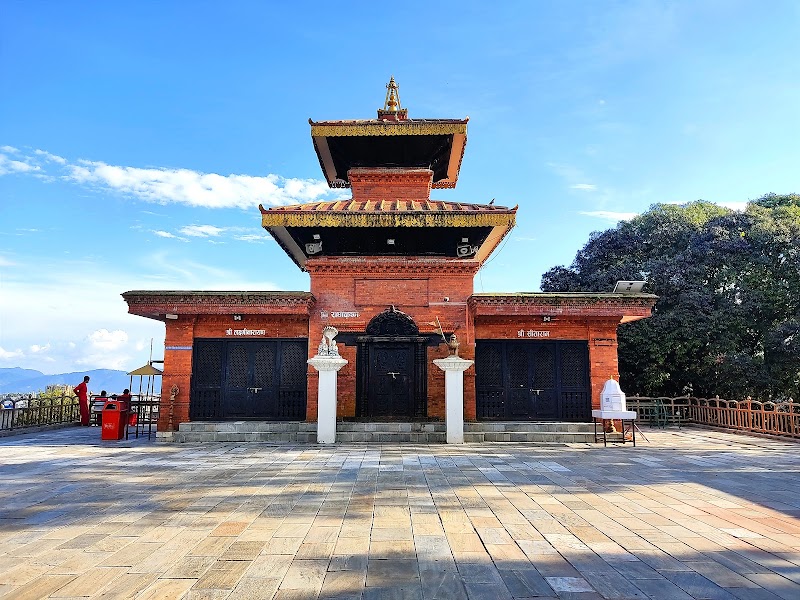
Nepal · Pokhara
Shree Bindhyabasini Temple, Pokhara’s Hilltop Hindu Shrine
A peaceful and well-managed place of worship where pilgrims and visitors come for prayer, traditional surroundings and views across Pokhara.
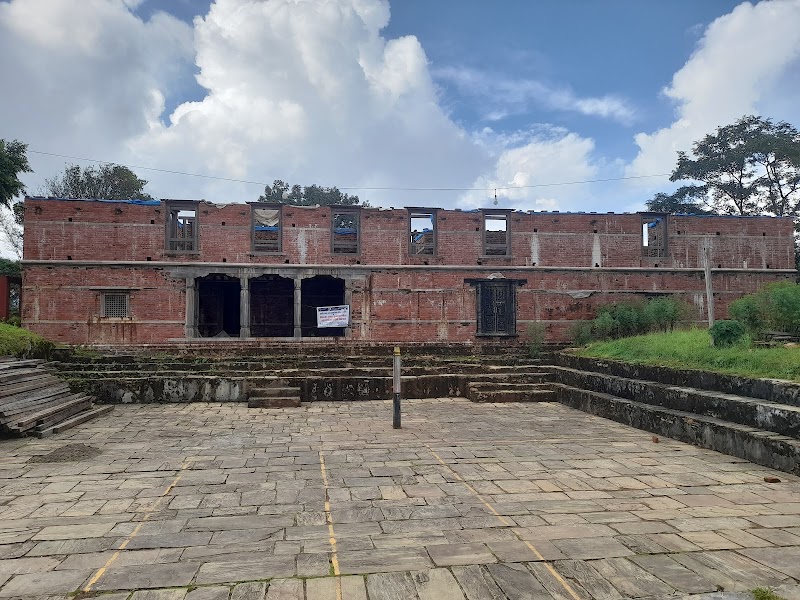
Nepal · Besisahar
Lamjung Durbar: A Historic Hilltop Above Besisahar
Lamjung Durbar combines a short uphill trek, deep regional history and broad views across Besisahar and the surrounding hills.
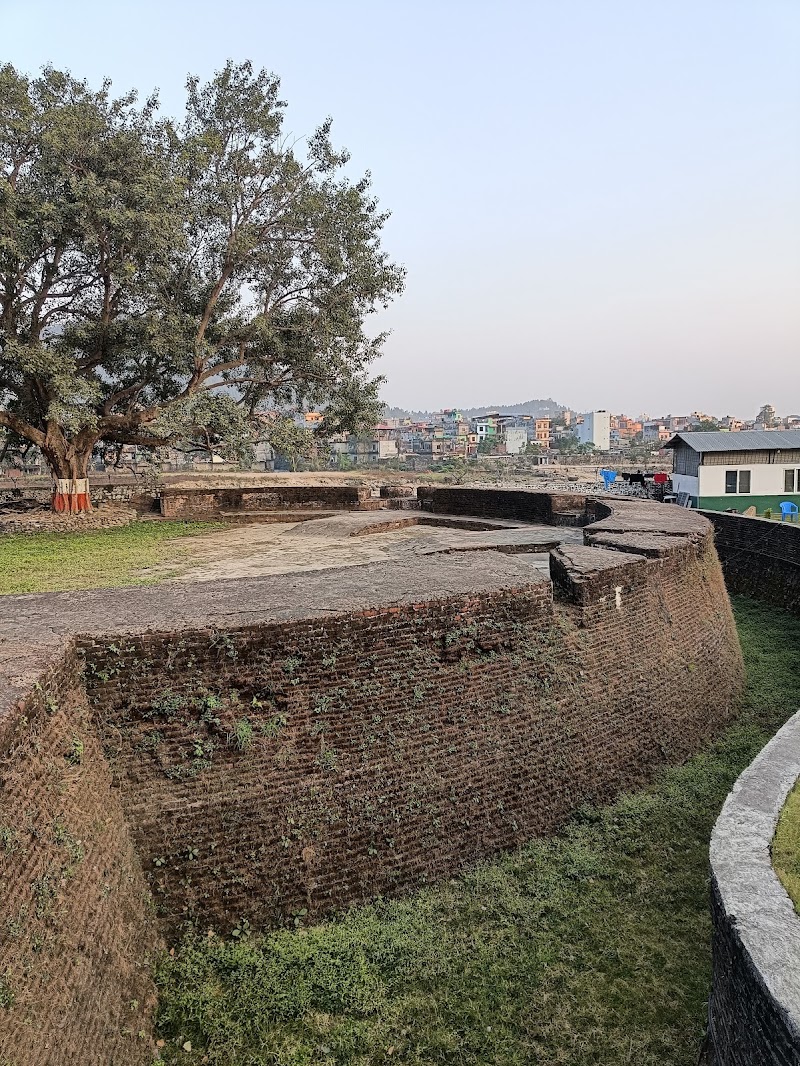
Nepal · Butwal
Jitgadi Fort: Butwal’s Historic Riverside Landmark
Jitgadi Fort is a compact heritage site near the Tinau River, remembered for Nepal’s victory over the British East India Company.
Nepal · Bidur
Nuwakot Durbar Square: History Under Restoration
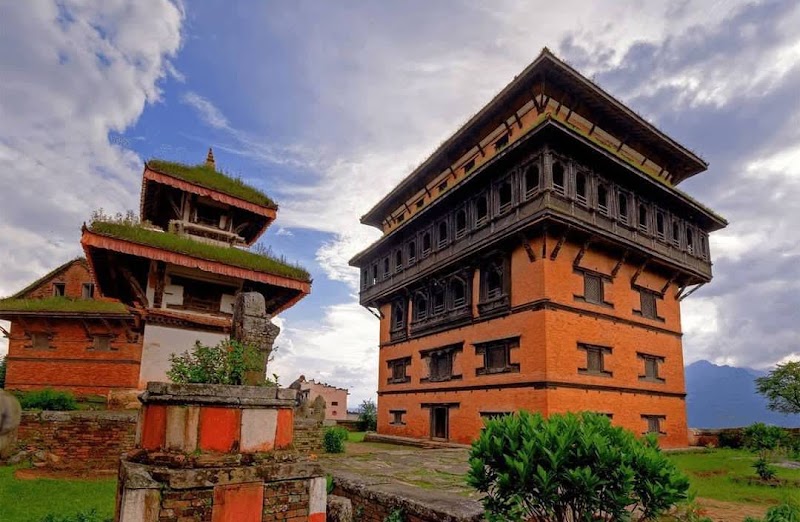
This hilltop landmark near Bidur preserves royal history and temple architecture, though ongoing restoration currently limits what visitors can see.