Fortifications of Xi'an: A Walkable Ming-Era Landmark
Xi’an’s immense city wall gives visitors a clear route through the historic centre, with broad paths, gates, towers and bike rides above the streets.
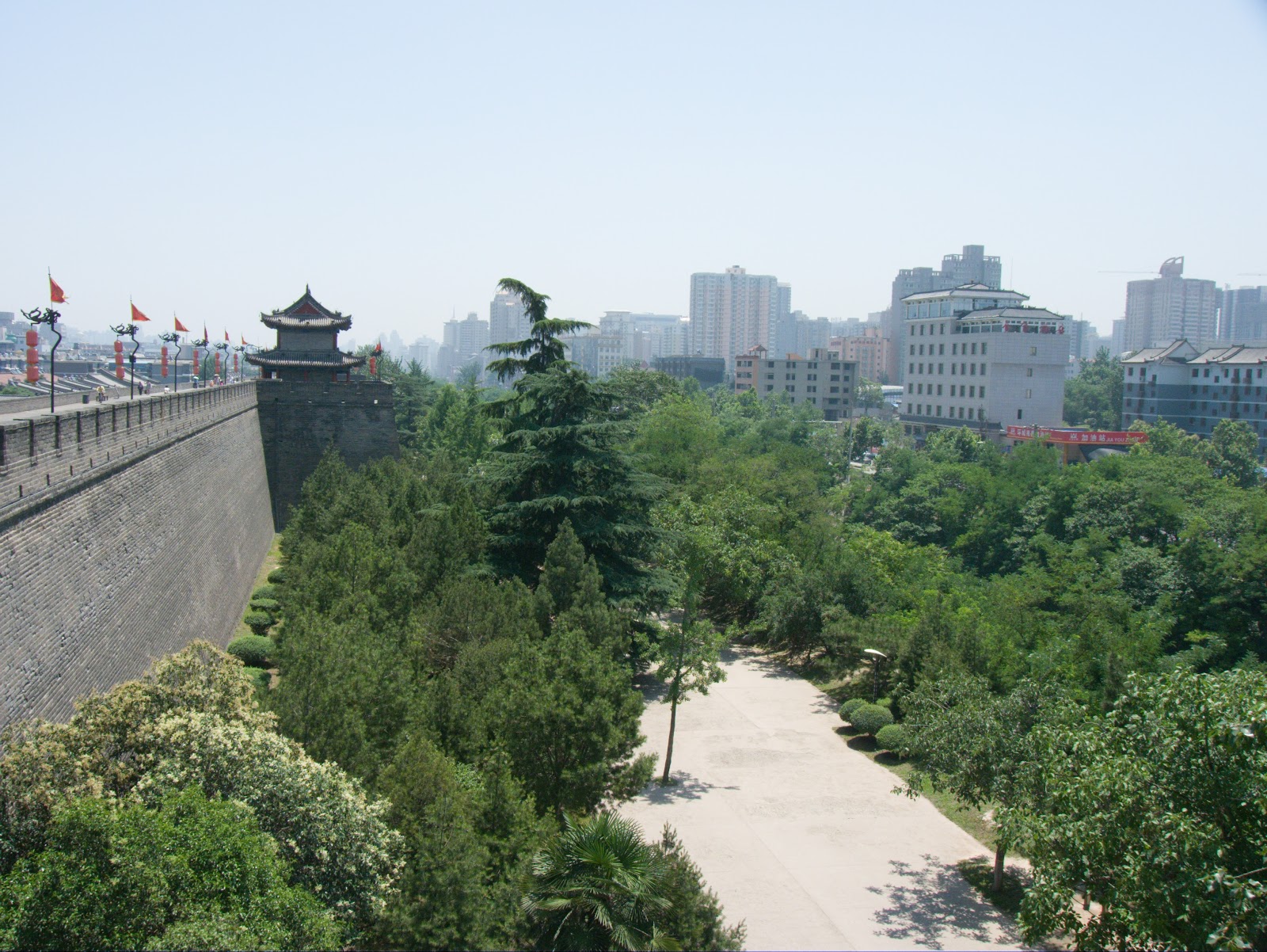
More photos
Photos published by travelers on Google, not AI generated.
What stands out
- Roughly 14-kilometre wall circuit
- Ming-era gates, barbicans and watch structures
- Walking route above Xi’an’s historic centre
- Bike riding along the wall
- Moat and preserved defensive architecture
Worth knowing
- Bike rental offices may require an extra walk from the entrance
- The full circuit takes several hours
- Crowds and cyclists can build up on the route
Don't miss
What comes up most in public reviews
- Enter at Yongningmen, the South Gate
- Cycle a section of the wall
- Walk between Zhuque Gate and Yongning Gate
- See the moat and northern barbican
- Ask about the museum inside the wall
Worth the trip?
Why go
The Fortifications of Xi’an are one of the city’s defining sights: a substantial defensive wall enclosing the historic centre. Public ratings and traveller reviews give the attraction a 4.6 score from 1,066 reviews, with particular praise for its scale, preservation and straightforward walking route.
The present wall dates to the Ming dynasty. Several public reviews place its construction between 1370 and 1377, under the reign of the Hongwu Emperor, and describe it as built over foundations associated with the Tang Imperial City. It extends for roughly 14 kilometres, with walls described as about 12 metres high and 12 to 14 metres thick. A moat adds another visible layer to the old defensive system.
This is not a compact monument that takes ten minutes to see. It is a long, elevated circuit with changing views over Xi’an’s central streets. The sheer width of the structure is part of the appeal.
What the visit is like
Visitors commonly enter at Yongningmen, the South Gate, then walk along the top or rent a bicycle. The paved route is broad enough for a relaxed stroll, and cycling offers a practical way to cover more of the circuit. Reviewers mention bike rental offices east or west of the South Gate entrance, around 800 metres away after reaching the wall, so those planning to ride should allow extra time to locate the rental point.
The four principal gates face the cardinal directions. Gatehouses, barbicans, watch structures and the moat make the military purpose easy to read, even for visitors who do not spend long inside museums. One review also mentions a museum inside the wall, while another highlights a former weapon-storage building connected to the protected fortifications.
Best ways to explore
A full circuit suits visitors who want the landmark’s scale and have several hours available. Those with less time can choose a shorter section. A public review recommends the route between Zhuque Gate and Yongning Gate, or the reverse, alongside the river park. It is described as a flatter, quieter walk that takes about 30 minutes and offers attractive views with fewer crowds.
The South Gate is the most frequently mentioned starting point in the available reviews. It also makes a useful base for combining the wall with the old city centre. Walking is the simplest option. Cycling is the more efficient choice for seeing a wider stretch, but the route can become busy with other visitors and riders.
Practical verdict
The Fortifications of Xi’an work best for travellers interested in urban history, large-scale architecture and outdoor sightseeing. The experience is visual and physical rather than museum-led. Comfortable shoes matter, especially for anyone attempting a longer section.
Public reviews suggest that ticket arrangements are handled outside the wall entrances, but the supplied material does not establish a current price or a consistent entry policy. Visitors should check the day’s access details before setting out. For the clearest first visit, Yongningmen provides an obvious entry point, while Zhuque Gate offers a useful shorter alternative.
The attraction earns its strong public response through proportion, condition and access. It is a landmark to walk across, not merely photograph.
Plan the rest of the trip
Ask anything
Looking for somewhere else?
Keep exploring around Xi'An
More from China

China · Le Shan Shi
Leshan Giant Buddha: Scale, Stone and River Views
This immense Tang-era cliff carving draws strong reviews for its scale, setting and historical weight, though queues can slow the visit.
China · Huangpu
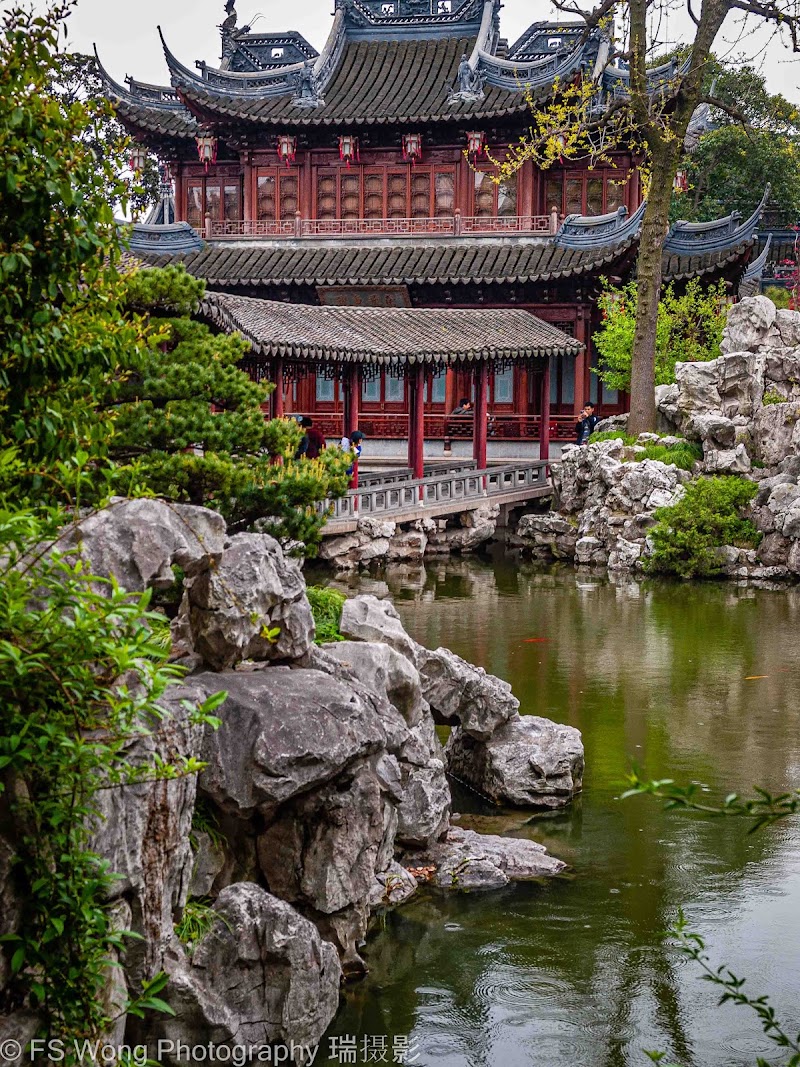
Yu Garden, Shanghai’s Historic Garden Retreat
Traditional pavilions, ponds and rockeries make Yu Garden a memorable Shanghai stop, though visitors should expect crowds and plan an early arrival.
China · Dong Cheng Qu
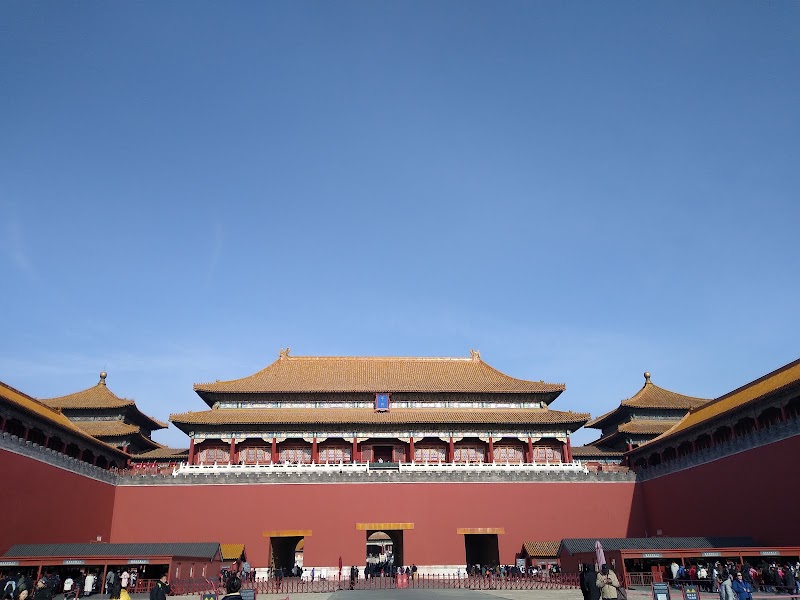
The Palace Museum: Beijing’s Imperial Heart
Public reviews praise the Forbidden City’s vast courtyards, grand halls and deep imperial history, while stressing advance booking and careful planning.
China · Lijiang
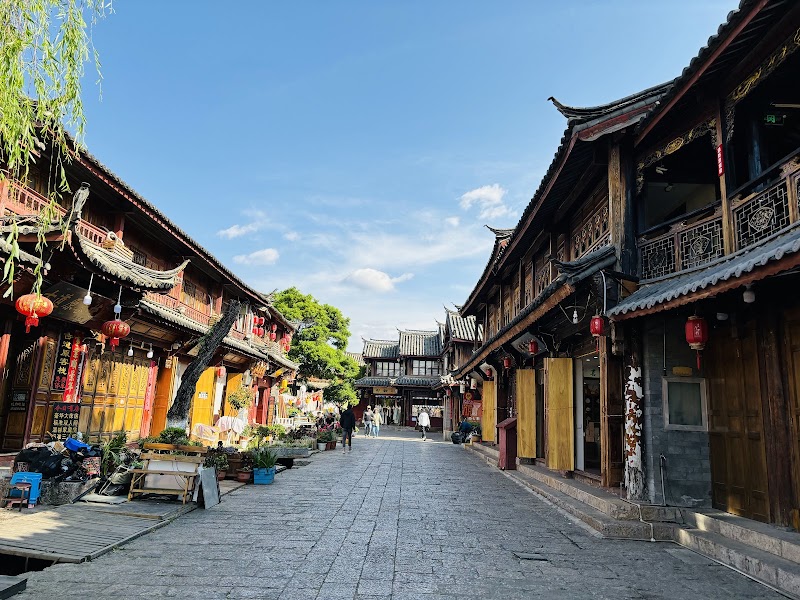
Old Town of Lijiang: Canals, Cobblestones and Night Lights
Lijiang’s historic centre combines Naxi-style architecture, narrow waterways, lively shops and atmospheric evening walks in one compact visit.