The Palace Museum: Beijing’s Imperial Heart
Public reviews praise the Forbidden City’s vast courtyards, grand halls and deep imperial history, while stressing advance booking and careful planning.
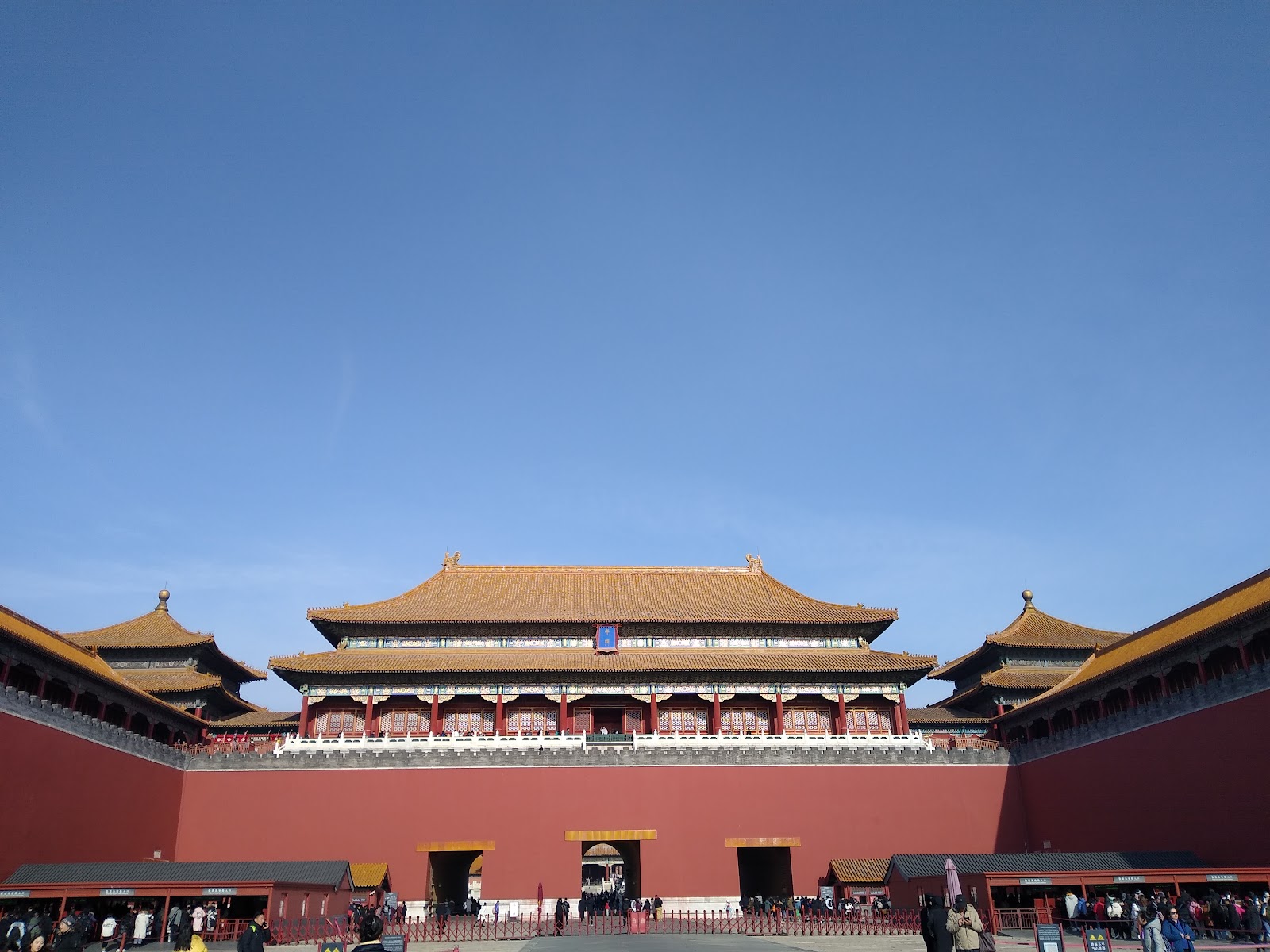
More photos
Photos published by travelers on Google, not AI generated.
What stands out
- Vast imperial palace complex
- Grand gates, halls and courtyards
- More than 500 years of imperial history
- Ming and Qing dynasty heritage
- Central Beijing location
Worth knowing
- Book tickets several days ahead
- Passport required for entry
- Closed on Mondays
Don't miss
What comes up most in public reviews
- Walk through the main courtyards and halls
- Consider a half-day guided tour
- Book tickets through an established travel platform
- Check entry rules before visiting
Worth the trip?
What the reviews show
The Palace Museum, widely known as the Forbidden City, is one of Beijing’s major historical attractions. Public reviews give it a 4.6 rating from 16,928 reviews. The consistent appeal is scale. Visitors describe an enormous complex of gates, courtyards and halls, with enough space and history to fill a substantial visit.
The site served as China’s imperial palace and political centre for more than 500 years. Reviewers identify it as the home of 24 emperors of the Ming and Qing dynasties. Construction took place between 1406 and 1420, and the complex occupies about 720,000 square metres. Those facts matter once inside. The size is not a footnote. It shapes the entire experience.
Why people go
Architecture is the main draw. Reviews repeatedly mention the scale of the buildings, the formal courtyards and the sense of entering a place built for imperial power. Walking through the halls gives visitors a strong impression of how large and important the palace once was.
The museum also appeals to travellers interested in Chinese history and art. One reviewer recommends a half-day guided tour for visitors who are not familiar with Chinese history. That advice fits the site’s density. There is plenty to look at, and context can make the buildings and ceremonial spaces easier to understand.
The setting in central Beijing adds to its importance. The Palace Museum is not presented in the reviews as a quick photo stop. It is a substantial historical visit, and reviewers commonly describe it as one of the highlights of a trip to China.
Planning the visit
Advance booking is the clearest practical warning. Reviews say tickets can sell out several days ahead, with one visitor citing a daily cap of 40,000 people. Booking through an established travel platform is also recommended in the sample feedback.
A passport is strictly required for entry, according to one review. Visitors should check the current ticketing and identification rules before travelling, since access procedures can change. The museum is reported as closed on Mondays, so that detail should be confirmed when building an itinerary.
The complex can feel busy. A Sunday late-morning visit is described in the reviews, along with many visitors wearing traditional costumes for photographs. That atmosphere may appeal to some travellers, but it also reinforces the value of reserving ahead and allowing time to move through the grounds without rushing.
Verdict
The Palace Museum suits travellers who want Beijing’s history on a grand scale. It requires organisation, a valid passport and several hours, but the public feedback is unusually consistent about the reward: remarkable architecture, imperial history and a memorable sense of place. A guided visit is worth considering for anyone without much background in Chinese history. Even without one, the courtyards and halls provide a powerful introduction to the former imperial centre of China.
Plan the rest of the trip
Ask anything
Looking for somewhere else?
Keep exploring around Dong Cheng Qu
More from China
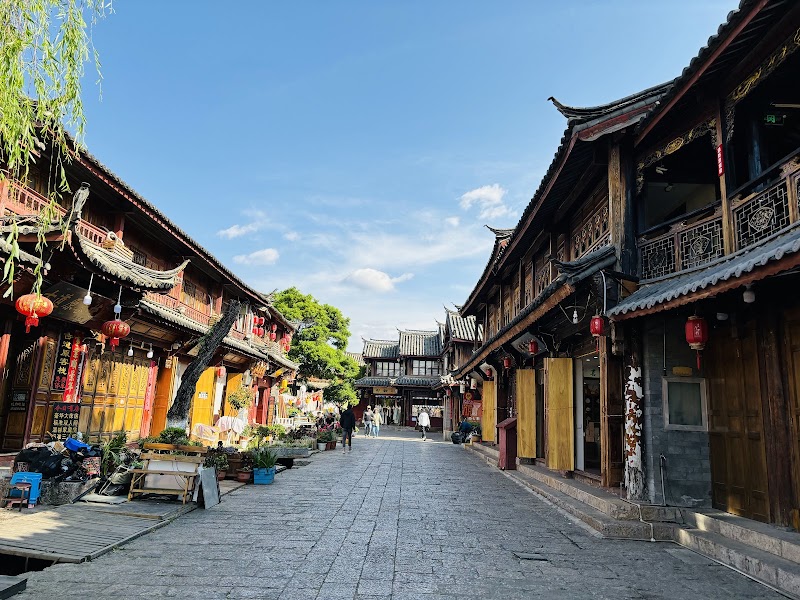
China · Lijiang
Old Town of Lijiang: Canals, Cobblestones and Night Lights
Lijiang’s historic centre combines Naxi-style architecture, narrow waterways, lively shops and atmospheric evening walks in one compact visit.

China · Yanqing District
Badaling Makes the Great Wall Easy to Reach
Public reviews describe Badaling as a dramatic, accessible Great Wall visit, with steep walking, strong transport links and quieter stretches at the ends.
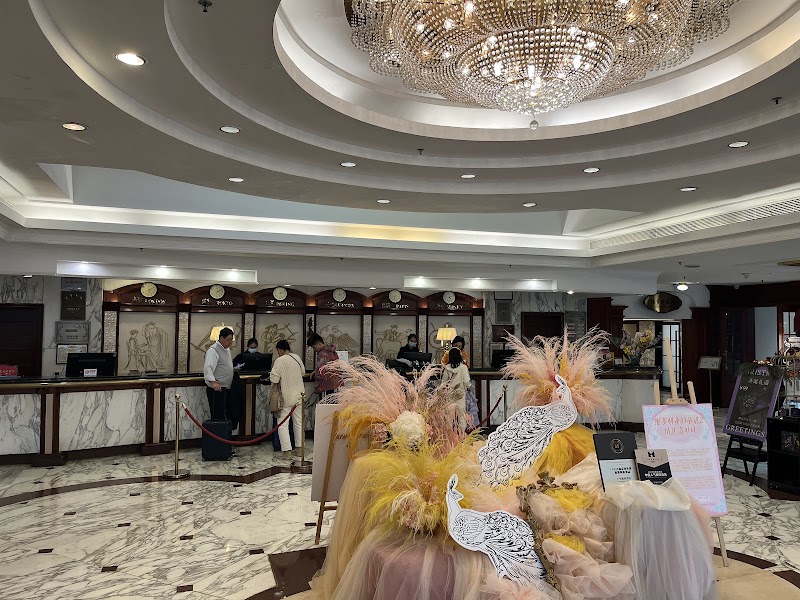
China · 广州市
Guangdong Victory Hotel: A Calm Base on Shamian Island
Public reviews point to a comfortable, well-placed hotel for travellers who value historic surroundings, walkable dining and practical access across Guangzhou.
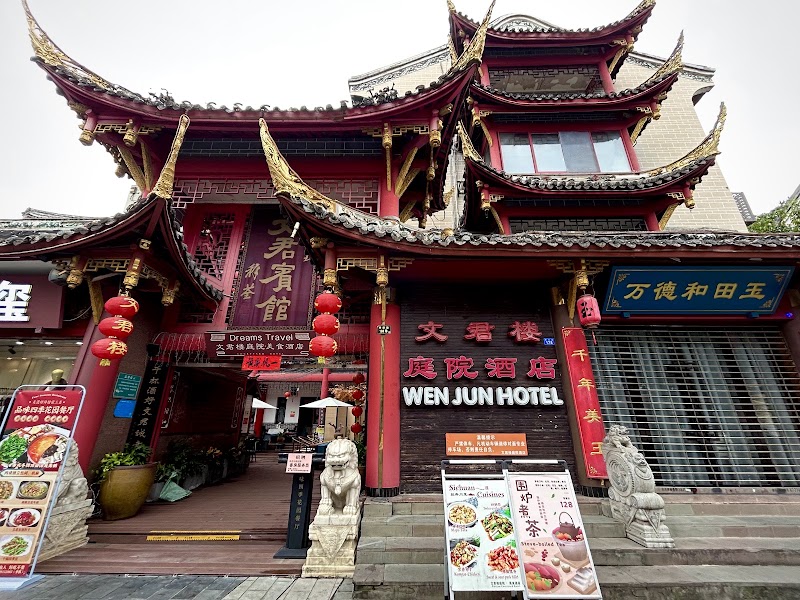
China · 成都市
Wenjun Courtyard Hotel Chengdu: Service Leads the Stay
Public reviews praise the hotel’s attentive staff, helpful arrival planning and traditional setting, while some guests warn that the building feels worn.