Forbidden City: Beijing’s vast imperial centrepiece
Public reviews praise monumental architecture and imperial history, while stressing the need for advance planning and comfortable walking shoes.
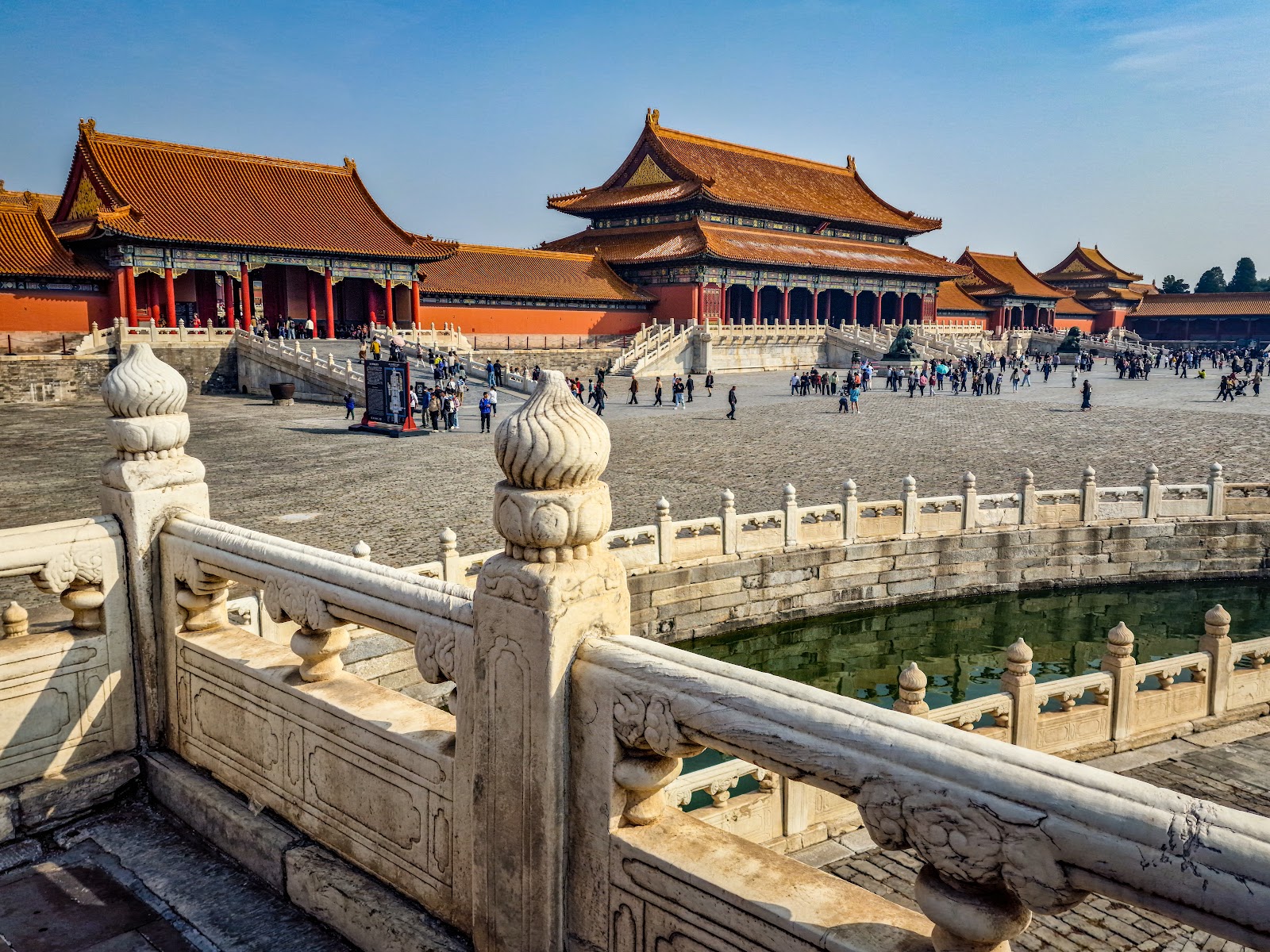
More photos
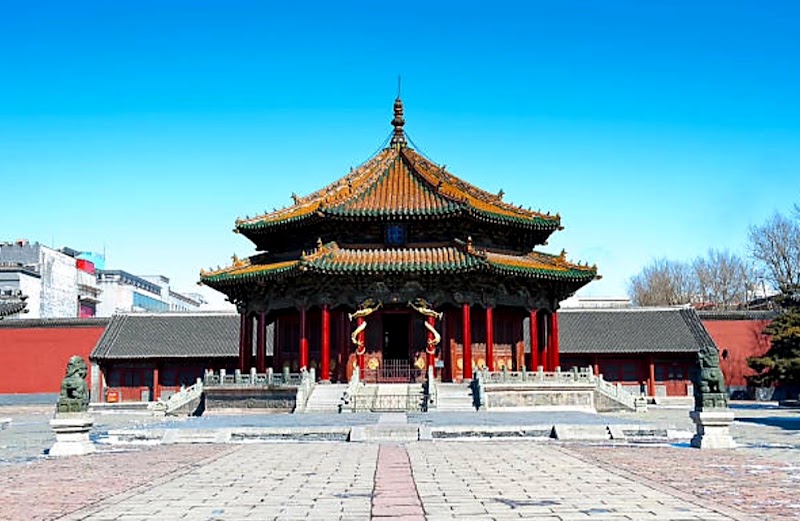
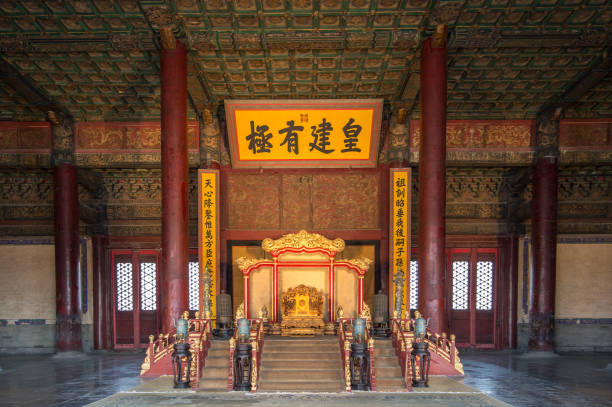
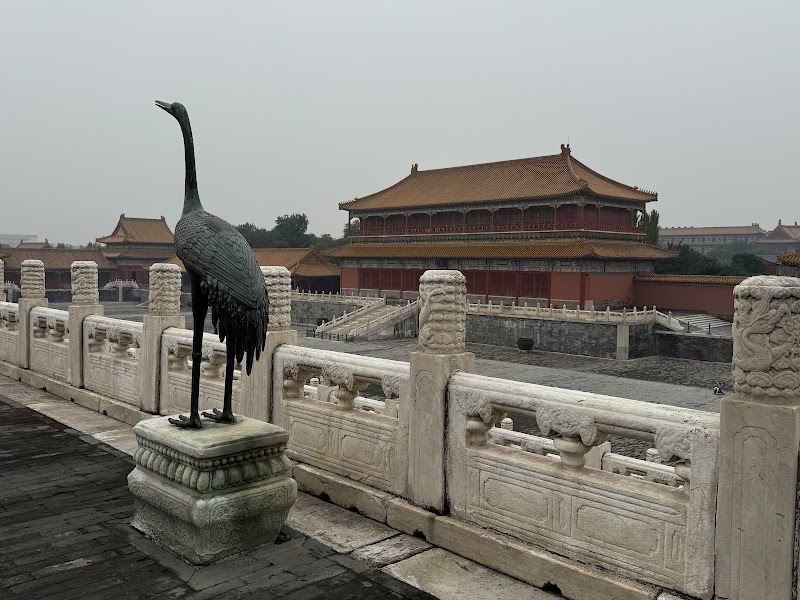
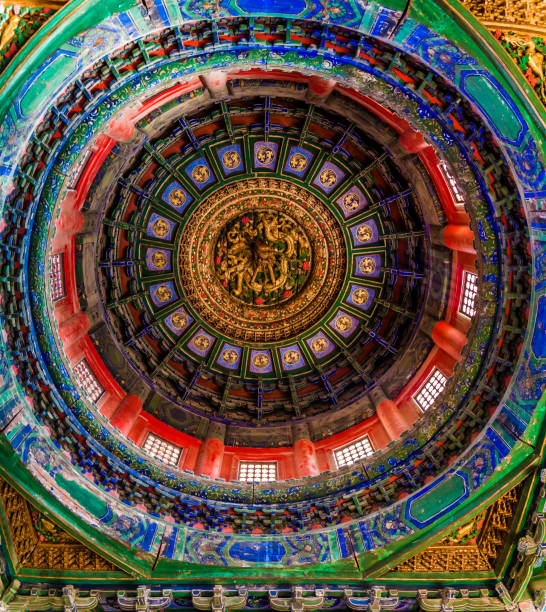
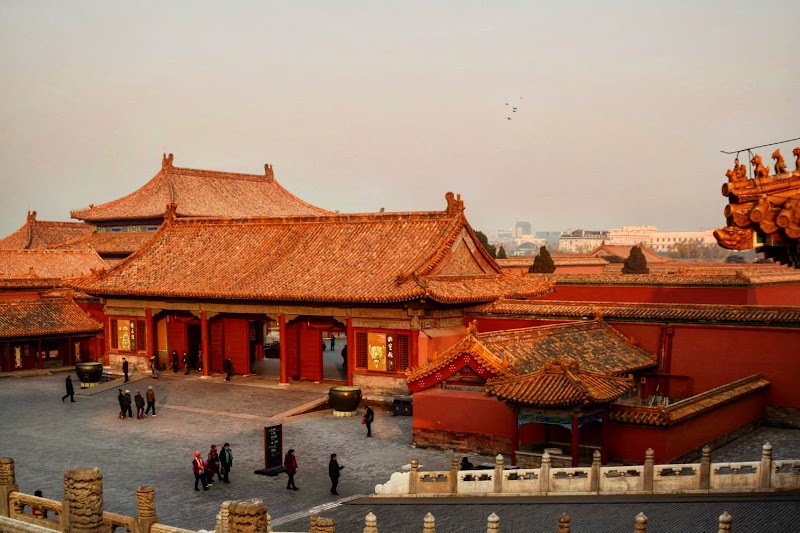
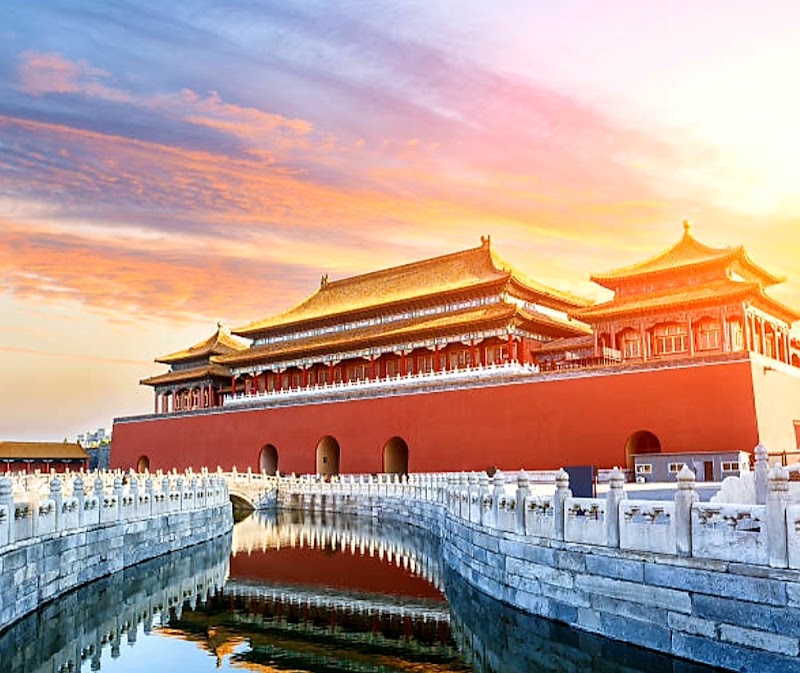
Photos published by travelers on Google, not AI generated.
What stands out
- Grand palace gates and halls
- Red walls and golden rooftops
- Vast courtyards and aligned buildings
- Strong sense of imperial history
Worth knowing
- Extensive walking across a huge complex
- Advance ticket planning is advised
- A rushed visit may miss architectural details
Don't miss
What comes up most in public reviews
- The sequence of monumental gates and halls
- Traditional palace architecture
- Red walls and golden-yellow roofs
Worth the trip?
Overall impression
The Forbidden City, also known as the Palace Museum, earns a Google rating of 4.6 from 2897 reviews. The public feedback supplied here is notably consistent: visitors describe an immense, imposing palace complex whose scale becomes apparent only after passing through its grand gates and moving between successive courtyards and halls.
Reviewers repeatedly frame it as a highlight of a Beijing trip and one of China’s defining cultural attractions. Its appeal comes less from any single room than from the cumulative spectacle. Thick red walls, golden-yellow roofs, broad courtyards and carefully aligned ceremonial buildings create a strong sense of imperial order. Several visitors say the complex offers a vivid introduction to China’s dynastic past, even for travellers arriving with some prior knowledge.
Architecture and atmosphere
Architecture dominates the praise. Reviews highlight the traditional rooflines, detailed buildings, monumental gateways and visual symmetry running through the complex. The repeated progression from gate to hall gives the visit a ceremonial rhythm, while the size of the open spaces reinforces the power once projected by the palace.
The supplied reviews also suggest that conditions can transform the experience. One visitor encountered snow and found the palace especially striking, while another recalled the red walls and golden roofs under bright sun. Those accounts show how strongly colour and weather shape the setting, though the review sample does not establish one season as consistently best.
The Forbidden City was built between 1406 and 1420, according to one of the public reviews. Visitors commonly regard its preserved palace architecture and historical associations as the main reasons to go. Anyone interested in Chinese history, architecture or large ceremonial spaces is likely to find the experience especially rewarding.
Planning the visit
Size is the main practical consideration. Multiple reviewers warn that the complex involves a great deal of walking, and comfortable footwear is a recurring recommendation. A rushed visit would make it difficult to appreciate the individual gates, halls and architectural details. Allowing around half a day better matches the scale described in the feedback.
Advance planning also matters. One practical review advises booking tickets ahead, so visitors should check the current Palace Museum admission arrangements before setting out. The attraction’s scale can also make historical context useful. A reviewer who joined a three-hour guided tour felt that the explanation added depth and corrected assumptions about the palace’s history.
Editorial verdict
Synthesizing the supplied ratings and reviews, the Forbidden City stands out for grandeur, visual coherence and historical weight. The repeated praise for its gates, halls, courtyards and richly coloured architecture supports its status as a leading Beijing attraction. Its main drawback is physical rather than cultural: the site is extensive, and the amount of walking should not be underestimated. With advance booking, sufficient time and suitable shoes, it offers one of the clearest public-facing encounters with China’s imperial past.
Ask anything
Looking for somewhere else?
Keep exploring around Dong Cheng Qu
More from China
China · Huang Shan Shi
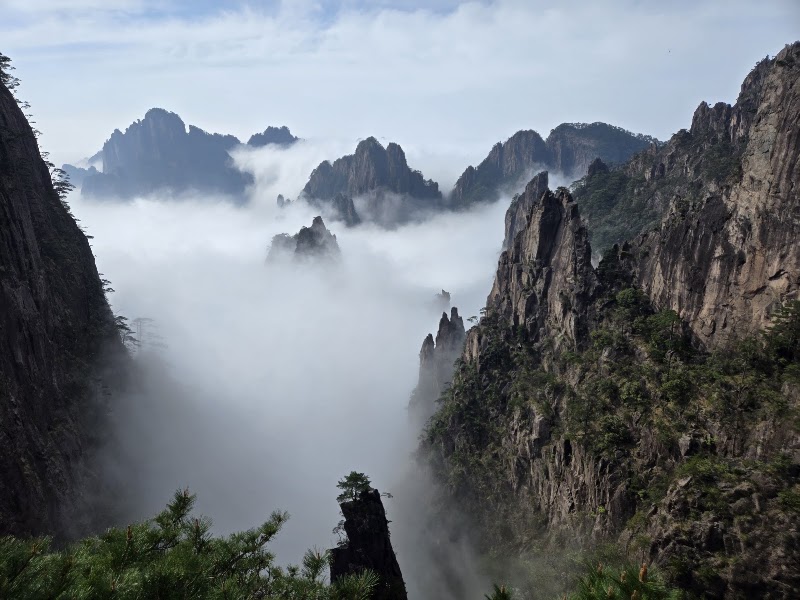
Huangshan Scenic Area: Granite Peaks Above the Clouds
Traveller reviews praise Huangshan for granite peaks, sculptural pines, shifting cloudscapes and memorable sunrise views.
China · Zhang Jia Jie Shi
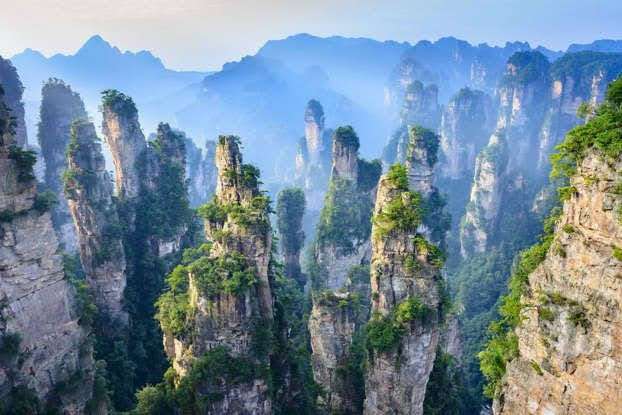
Wulingyuan Scenic Area: Big Views, Stairs and Crowds
Dramatic green peaks and vast walking routes make Wulingyuan a standout, provided visitors plan for stairs, transfers and busy viewpoints.
China · Huairou District
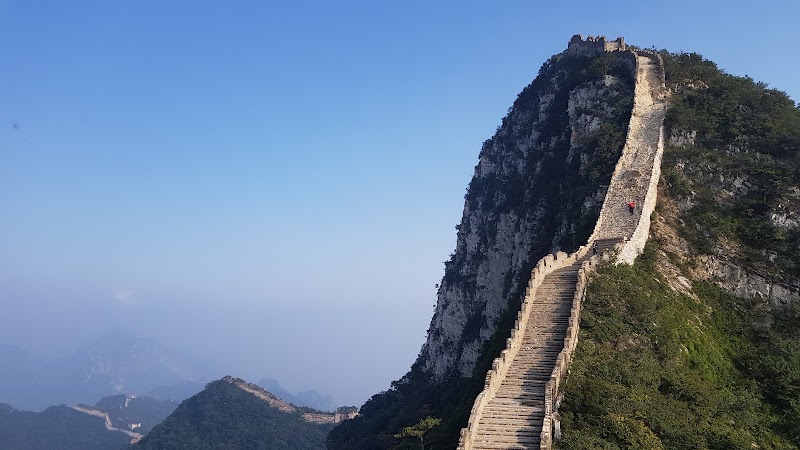
Jiankou Great Wall: A Rugged Route for Serious Hikers
Jiankou rewards experienced hikers with steep, unrestored Great Wall scenery, but difficult access and exposed scrambling demand careful planning.
China · Guilin
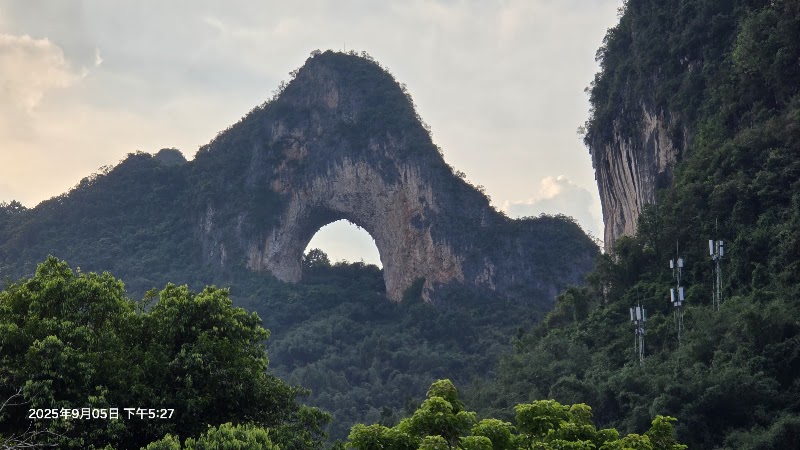
Moon Hill: karst views with access uncertainty
Moon Hill’s distinctive natural arch remains photogenic, but recent reviews report that the hiking route has been closed since 2024.