Emperor Qinshihuang’s Mausoleum Site Museum Review
Public reviews agree that the Terracotta Warriors’ scale makes this museum complex one of Xi’an’s most memorable historical sights.

More photos

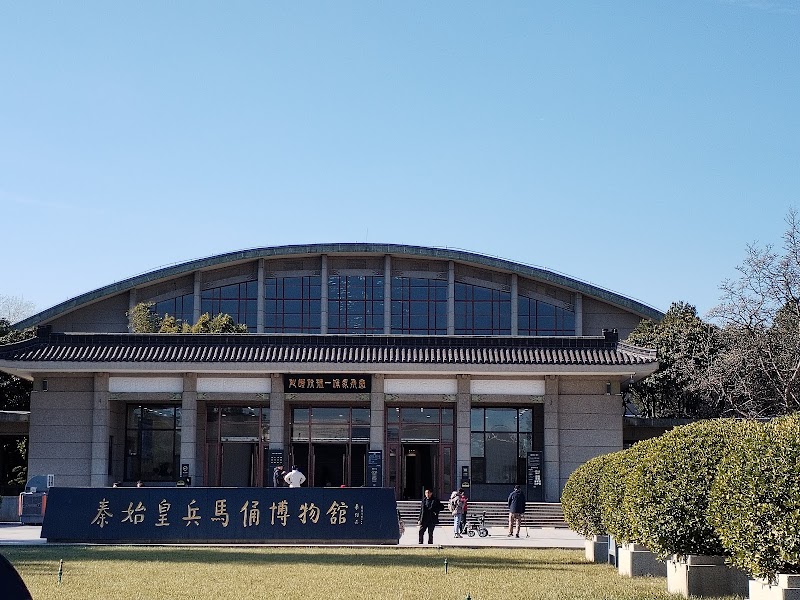
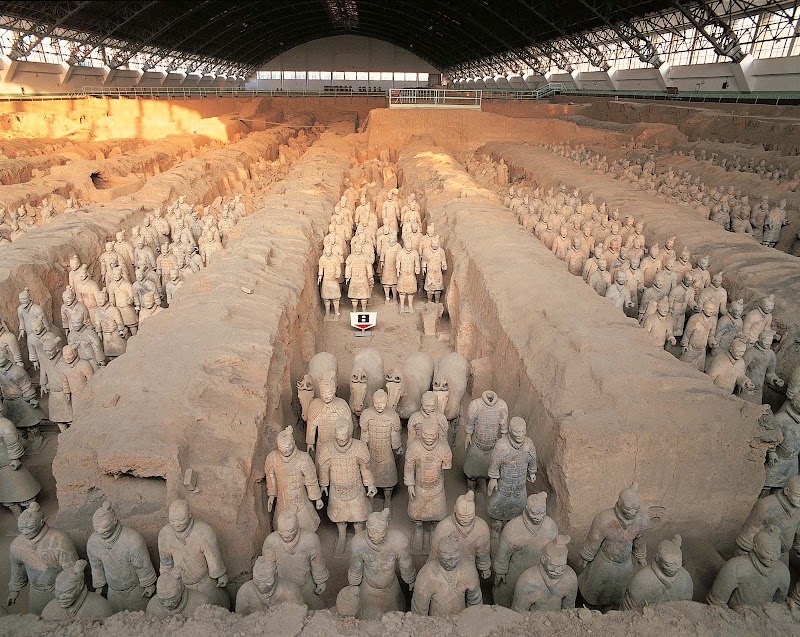
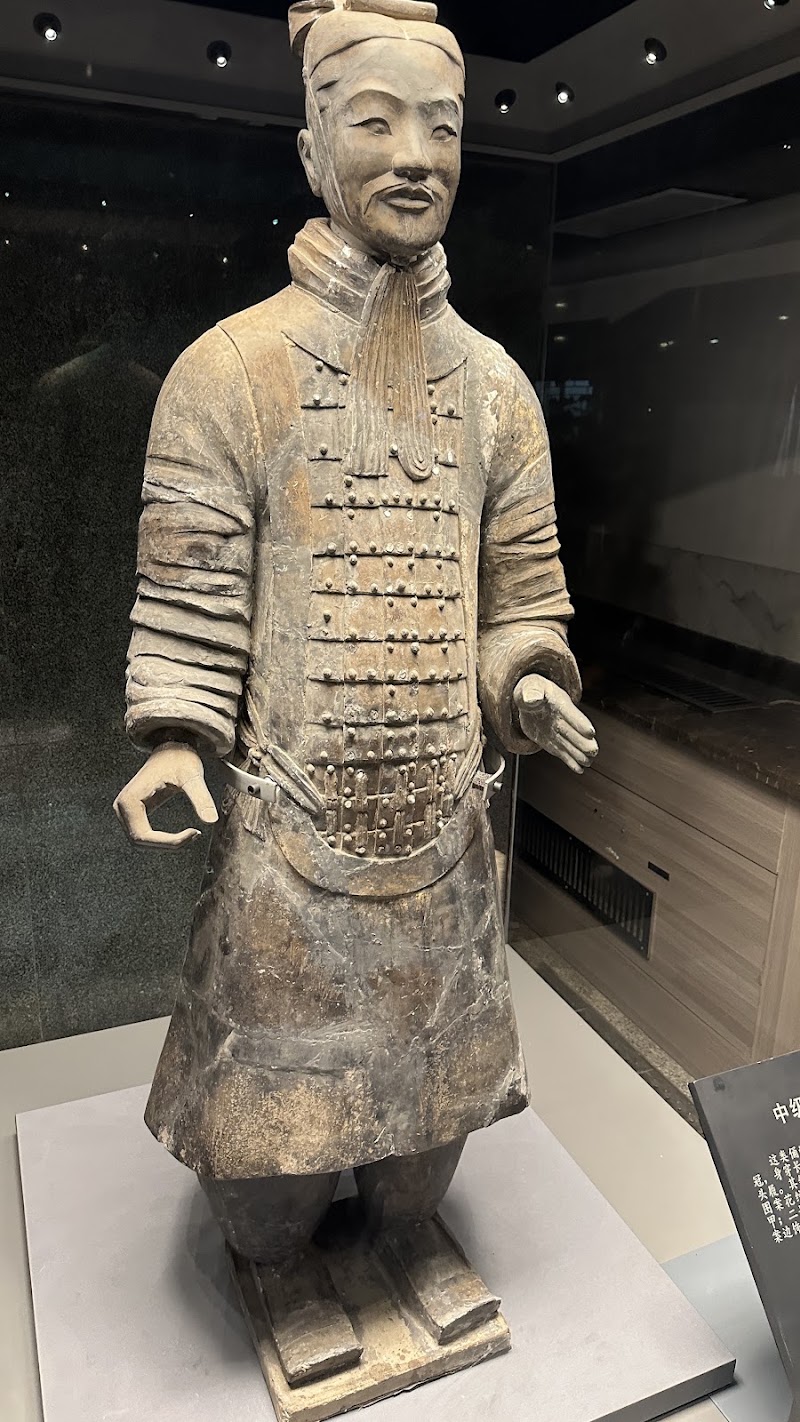
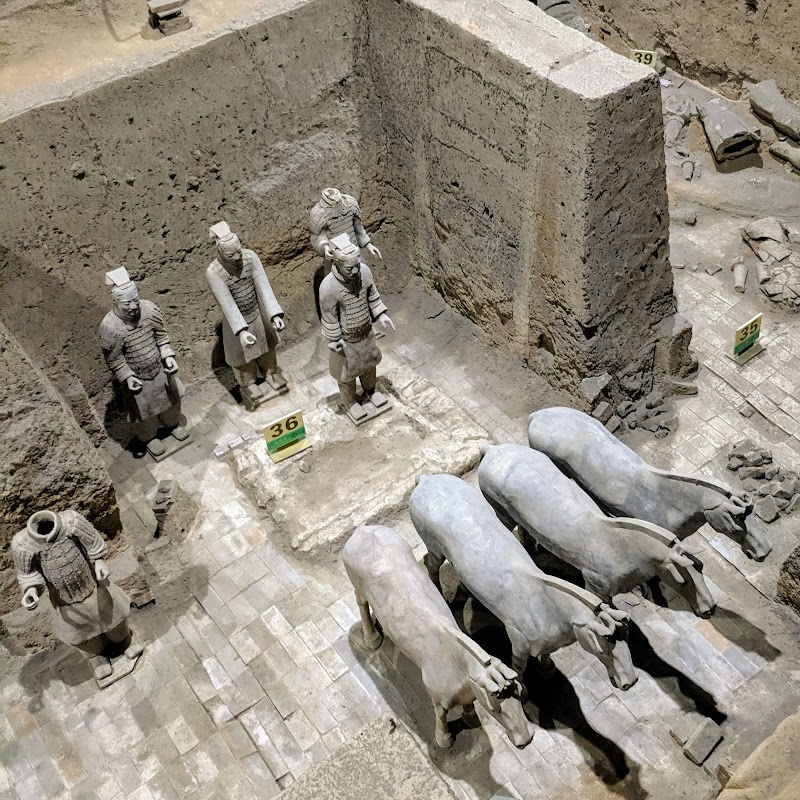
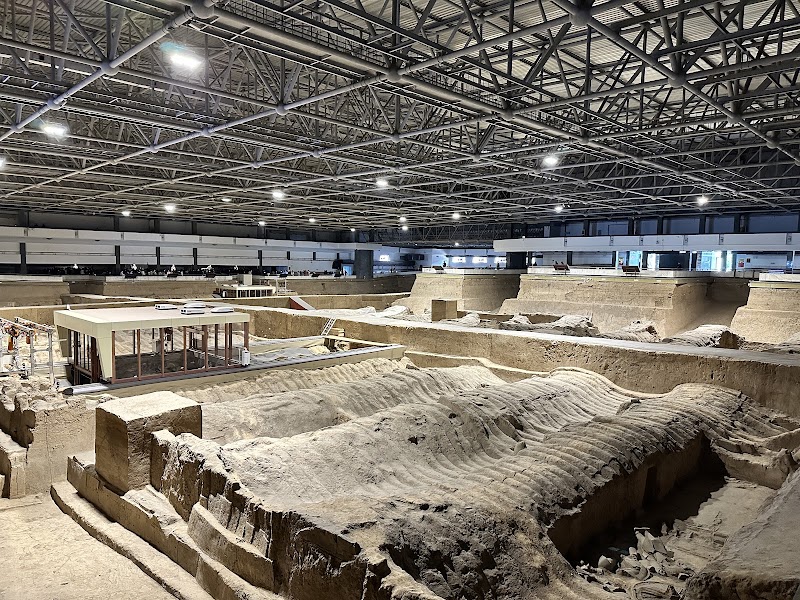
Photos published by travelers on Google, not AI generated.
What stands out
- First view across Pit 1
- Thousands of life-sized warriors
- Three main pits with relics
- Warriors and chariots
- Vast scale of the mausoleum site
Worth knowing
- Return to the drop-off point can take time
- Shops and stalls line the exit route
- Pits 2 and 3 are smaller than Pit 1
Don't miss
What comes up most in public reviews
- Pit 1
- Pit 2
- Pit 3
- Terracotta Warriors
- Chariots and other relics
Worth the trip?
The verdict
With a Google rating of 4.6 from 8418 reviews, Emperor Qinshihuang’s Mausoleum Site Museum has the strong public approval expected of Xi’an’s defining attraction. Reviewers repeatedly describe the Terracotta Warriors as a highlight of their travels in China, including visitors who thought they already knew what to expect from photographs.
The recurring point is simple: images do not convey the scale. Entering Pit 1 and seeing rows of life-sized warriors spread across the excavation floor is the moment that dominates traveller accounts. Reviewers use words such as astonishing, incredible and unforgettable, but their explanations are more useful than the superlatives. It is the combination of thousands of figures, their age and the vast setting that makes the display feel substantially more powerful in person.
What visitors see
The site is organised around three principal pits or halls containing warriors and other relics. Pit 1 is by far the main event. Visitors view the excavation from walkways around the upper edges, looking down across the assembled ranks. This elevated arrangement provides the broad views that appear in most familiar images, while the sheer size of the hall gives the figures a stronger sense of scale.
Pits 2 and 3 are smaller and receive less attention in the supplied reviews, but they add context to the visit and help show that the archaeological site extends beyond one spectacular chamber. Chariots and further relics are also mentioned by reviewers. Together, the three areas communicate the extraordinary resources devoted to Emperor Qinshihuang’s afterlife and the complexity of the wider mausoleum project.
The museum works best when treated as more than a quick photo stop. Travellers who pause to consider the age of the figures, described in reviews as more than 2,200 years old, tend to express the strongest reactions. Even without detailed prior knowledge, the visual impact is immediate.
Planning the visit
One reviewer places the museum about a 45-minute drive from central Xi’an, so it should be planned as a dedicated excursion rather than fitted casually between city-centre stops. Actual travel time will depend on the starting point and traffic.
A half-day allowance is sensible for transport and the three main halls. Pit 1 deserves the largest share of viewing time, but going straight there and leaving immediately would miss the contrast provided by the smaller pits. The route is largely about observing the excavations from above rather than walking among the warriors, an important expectation for first-time visitors.
Practical drawbacks
The strongest criticism in the supplied reviews concerns the exit journey. One traveller notes that returning to the drop-off point can take time, with numerous shops and stalls along the way. Visitors with onward transport or a tightly scheduled day should leave some buffer rather than assuming the exit will be immediate.
That inconvenience does little to weaken the overall verdict. Across the public feedback, Pit 1 consistently lives up to its fame, while the broader site gives enough archaeological context to justify travelling beyond central Xi’an. For travellers interested in ancient history, monumental sites or Chinese archaeology, this is the city’s essential landmark.
Ask anything
Looking for somewhere else?
Keep exploring around Xi'An
More from China
China · Huang Shan Shi
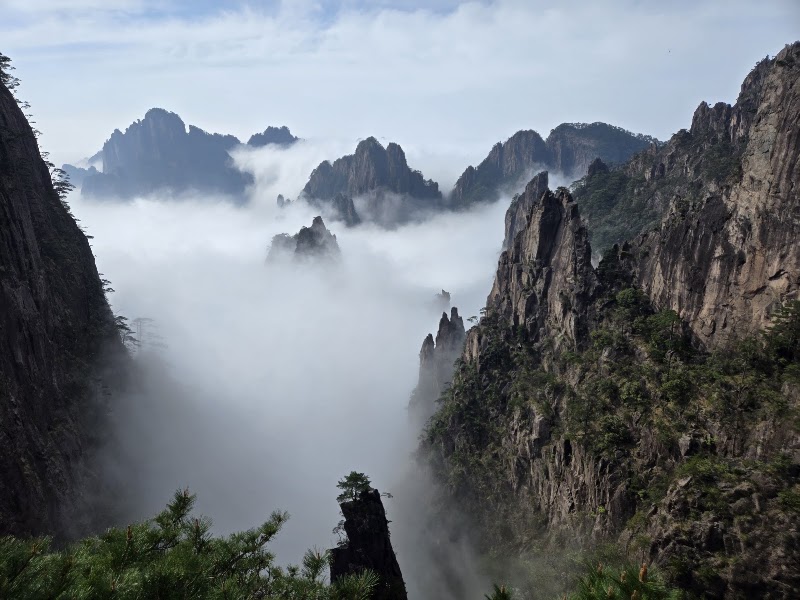
Huangshan Scenic Area: Granite Peaks Above the Clouds
Traveller reviews praise Huangshan for granite peaks, sculptural pines, shifting cloudscapes and memorable sunrise views.

China · Zhang Jia Jie Shi
Wulingyuan Scenic Area: Big Views, Stairs and Crowds
Dramatic green peaks and vast walking routes make Wulingyuan a standout, provided visitors plan for stairs, transfers and busy viewpoints.
China · Huairou District
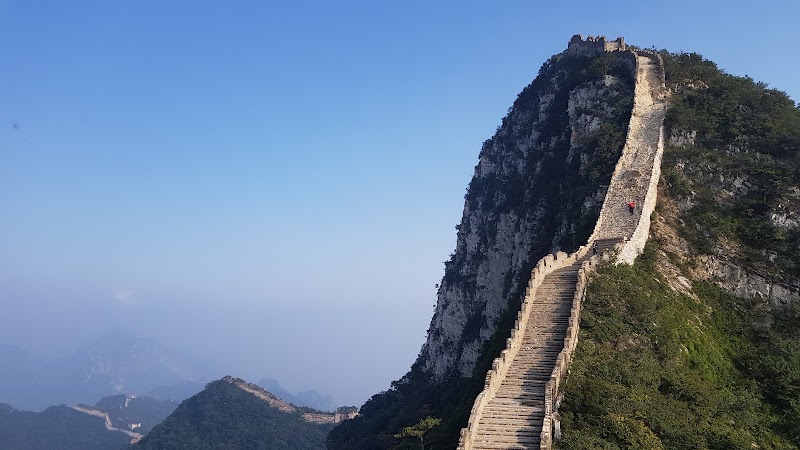
Jiankou Great Wall: A Rugged Route for Serious Hikers
Jiankou rewards experienced hikers with steep, unrestored Great Wall scenery, but difficult access and exposed scrambling demand careful planning.
China · Guilin
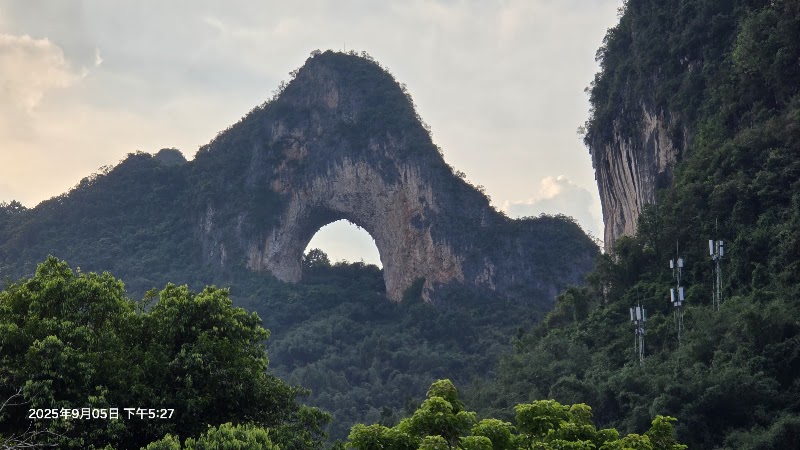
Moon Hill: karst views with access uncertainty
Moon Hill’s distinctive natural arch remains photogenic, but recent reviews report that the hiking route has been closed since 2024.