Romanian village life, preserved in the capital
This expansive open-air museum brings together traditional homes, churches, farms and windmills from across Romania.
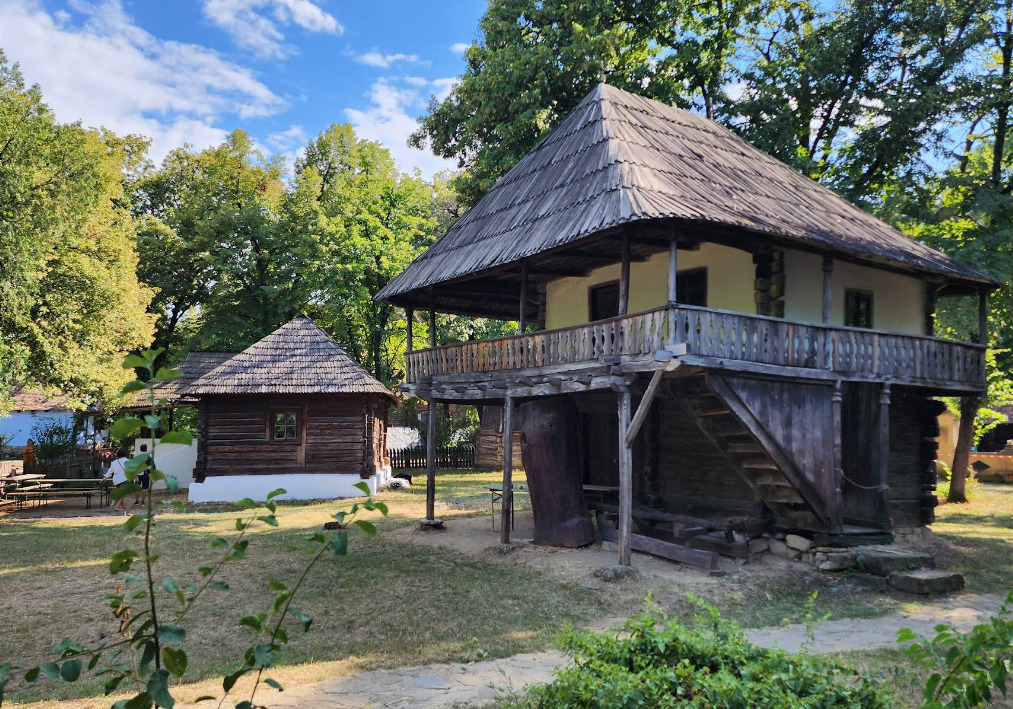
More photos
Photos published by travelers on Google, not AI generated.
What stands out
- Historic houses relocated from across Romania
- Wooden churches and traditional windmills
- Farm buildings and rural working-life displays
- Historical panels and archival photographs
Worth knowing
- Experience is mostly self-guided
- Large collection takes time to explore
Don't miss
What comes up most in public reviews
- Compare houses from different Romanian regions
- Examine traditional construction methods
- See the wooden churches
- Walk around the windmills and farm buildings
- Read the building histories and view old photographs
Worth the trip?
Why it stands out
The “Dimitrie Gusti” National Village Museum offers an unusually broad survey of rural Romanian architecture and everyday life. Its Google rating of 4.6 from 14808 reviews reflects strong visitor enthusiasm, particularly for the scale of the collection and the care involved in preserving it.
Public reviews repeatedly focus on the original buildings gathered from different parts of Romania. Traditional houses, farm structures, wooden churches and windmills were dismantled, transported and reconstructed on the museum grounds. That process gives the site more weight than a collection of replicas would carry. Visitors describe it as a journey through distinct regions and periods rather than a single model village.
What visitors experience
The museum is open air, with paths leading between domestic buildings, agricultural structures and places of worship. Reviewers value the chance to examine how older homes were constructed and how their designs varied around the country. The interiors and surrounding farm features also help connect architecture with the routines, crafts and working methods of village communities.
Historical information accompanies many buildings. According to public feedback, displays may describe the former occupants and the settlements from which the structures came, sometimes supported by photographs. These details turn individual houses into personal records rather than anonymous exhibits.
The overall experience is generally self-guided. That suits visitors who prefer to move at their own pace, pause over construction details or concentrate on particular building types. Reviews also suggest that the layout is straightforward to navigate despite the museum’s considerable size.
How to approach a visit
Half a day is a sensible allowance for travellers who want more than a quick circuit. The collection is extensive, and much of its appeal comes from comparing houses and farm buildings from different Romanian regions. Rushing between the largest structures would miss the smaller distinctions in materials, layouts and historical interpretation.
The wooden churches and windmills are among the most visually memorable exhibits, while the old homes provide the clearest insight into domestic life. Visitors interested in engineering or conservation may be equally absorbed by the practical feat of relocating and rebuilding complete structures.
As the experience is largely self-directed, travellers may get more from it by reading the information panels and looking for archival photographs associated with specific properties. The museum appears easy to explore, but its breadth means selective visitors may wish to prioritise churches, windmills, farms or residential architecture.
Overall verdict
Synthesised public opinion presents the museum as one of Bucharest’s strongest cultural attractions for understanding Romania beyond its capital. It combines architectural variety with social history, traditional craftsmanship and evidence of rural working life.
Its chief strength is authenticity as described by reviewers: these are historic structures connected to real communities, not simply decorative interpretations of village life. The mostly self-guided format may feel less structured to travellers who prefer extensive live interpretation, but it gives the collection room to speak through its buildings, photographs and stories. For families, architecture enthusiasts and first-time visitors seeking a broad introduction to Romanian heritage, it is a rewarding half-day choice.
Plan the rest of the trip
Ask anything
Looking for somewhere else?
Keep exploring around București
More from Romania
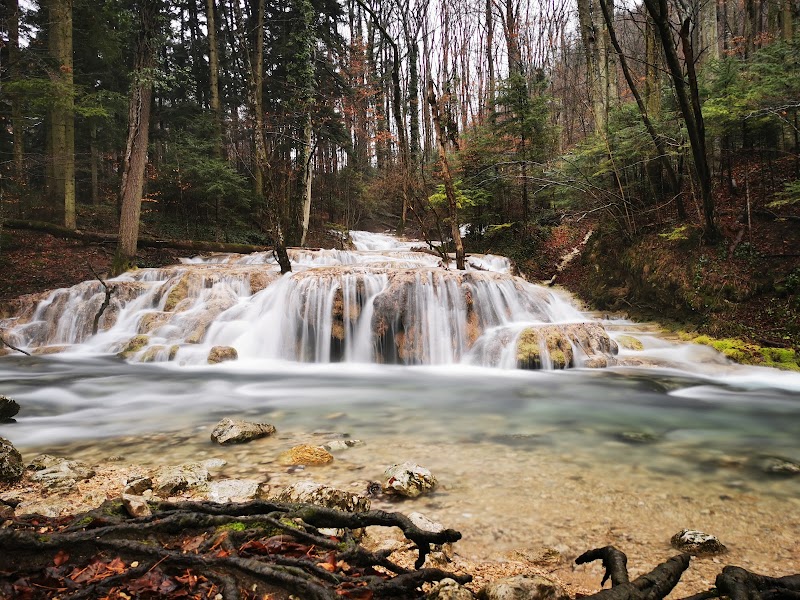
Romania
Cheile Nerei-Beușnița National Park: Waterfalls and Wild Trails
Public reviews highlight turquoise water, forest walks and waterfalls, with routes ranging from family-friendly outings to demanding full-day hikes.
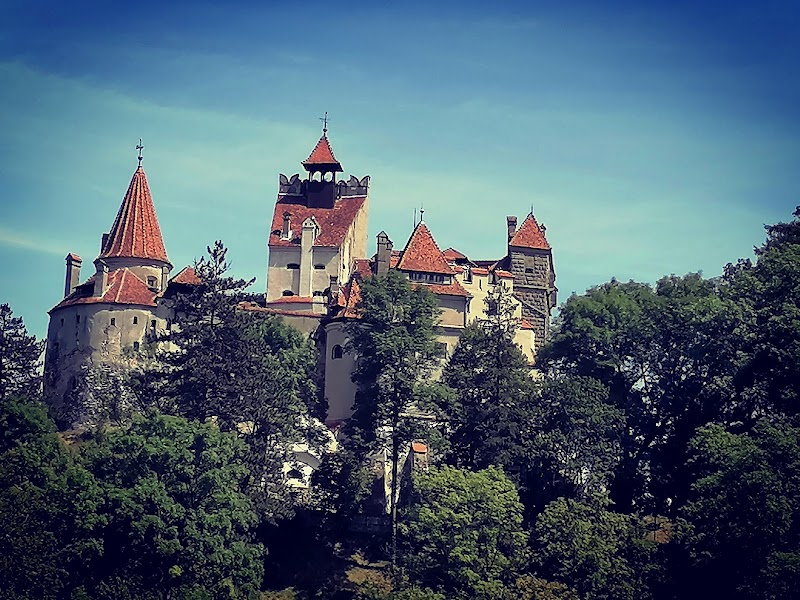
Romania · Ciocanu
Piatra Craiului National Park: Scenic Trails Near Ciocanu
A highly rated mountain park with accessible walks, demanding routes, quiet meadows and forest scenery near Ciocanu, Zarnesti and Brasov.
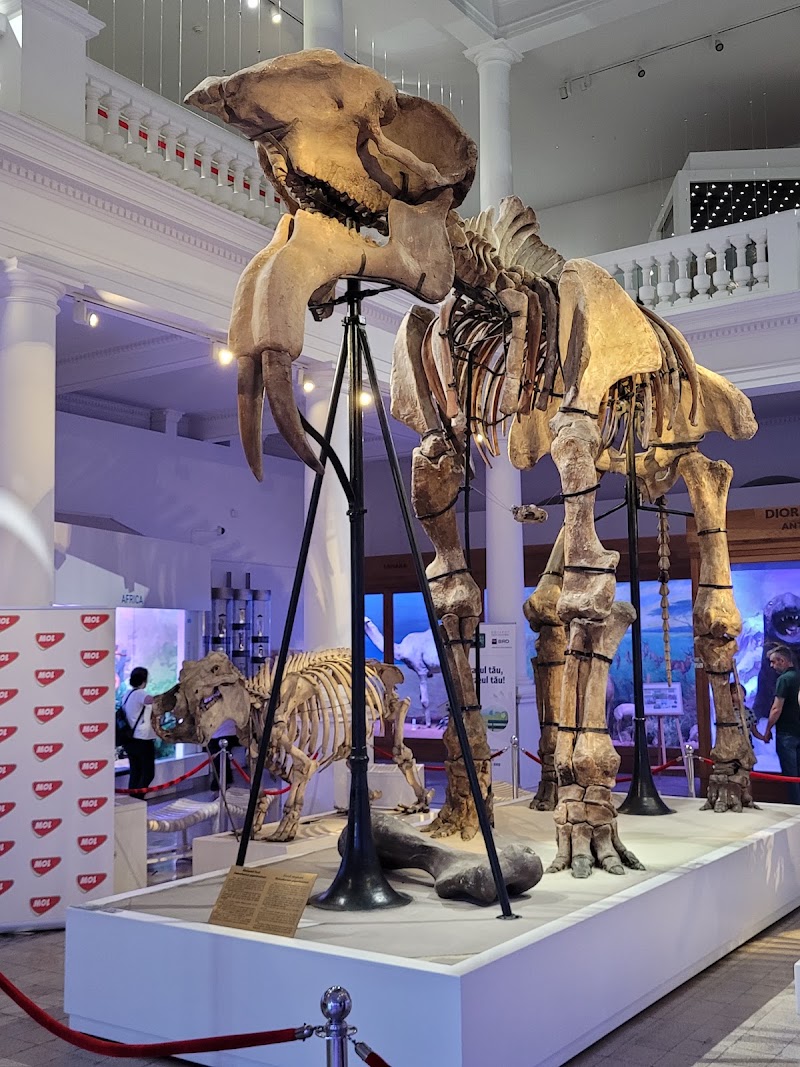
Romania · București
Grigore Antipa Museum Makes Natural History Easy to Explore
A well-organized Bucharest museum with strong displays for families, curious adults and anyone interested in Romania’s biodiversity.

Romania · Turda
Salina Turda: An Extraordinary Underground Attraction
Romania’s remarkable salt mine combines vast chambers, striking lighting and family-friendly activities beneath Turda.