Dacian ruins and mountain walks at Costești Fortress
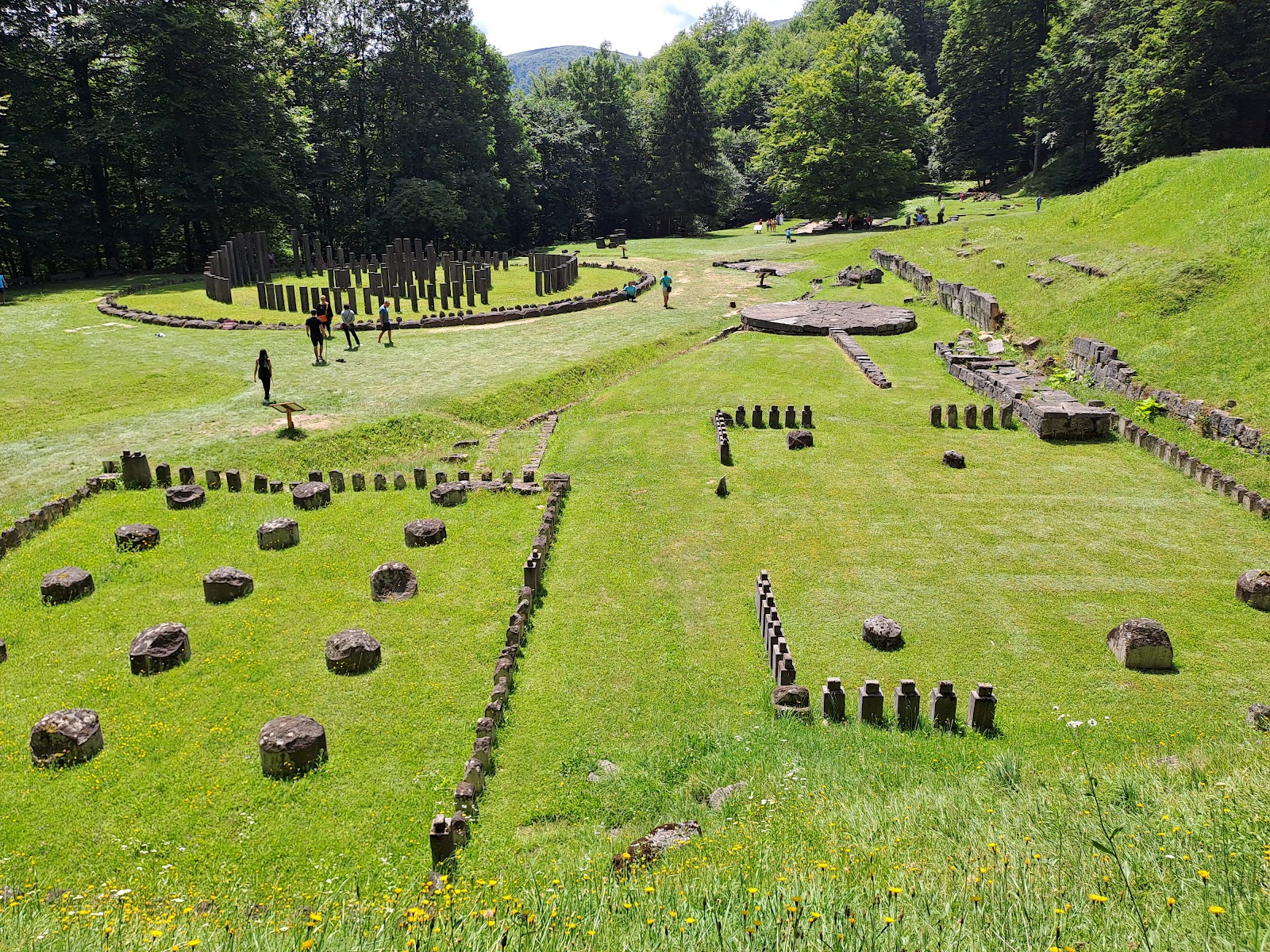
Visible Dacian walls and a quiet mountain setting reward history enthusiasts, although sparse information and awkward access limit the experience.
More photos
Photos published by travelers on Google, not AI generated.
What stands out
- Visible Dacian walls and stone ruins
- Quiet Orăștie Mountains setting
- UNESCO-listed historical context
- Scenic walk to the fortress
Worth knowing
- Sparse information and unclear orientation
- Slippery forest route
- Limited on-site visitor support
Don't miss
What comes up most in public reviews
- Examine the surviving Dacian walls
- Walk through the mountain setting
- Look for the fortress’s defensive layout
Worth the trip?
What the reviews suggest
Dacian Fortress Costești earns a Google rating of 4.4 from 722 reviews, with public feedback consistently praising its historical importance, visible ruins and peaceful mountain surroundings. Travellers describe it as one of the six Dacian fortresses in the Orăștie Mountains included in Romania’s UNESCO World Heritage listing. Its appeal rests less on presentation and more on the opportunity to encounter traces of the region’s pre-Roman past in the landscape where they were built.
The site is best suited to visitors already interested in archaeology, ancient history or World Heritage places. Several comments make clear that the remains require imagination. This is not a reconstructed fortress or a conventional attraction filled with exhibits. Stone foundations, sections of wall and the shape of the fortified ground form the core of the visit.
Ruins worth examining
Reviewers single out the surviving Dacian walls as the strongest feature. Their visibility helps visitors understand that the site was more than a remote hilltop settlement. One account also notes an ancient water collection system near the steps, offering a practical example of Dacian engineering. Such details may be easy to overlook because interpretation at the fortress is limited.
Public comments connect the fortress with resistance to Roman conquest and date its construction to the first century BC. Even without extensive displays, the location gives historical context to Romania before Roman rule. Reviewers who arrive with some background knowledge appear to get more from the scattered stones, defensive layout and mountain position than casual sightseers expecting a fully explained monument.
The walk and setting
The approach is part of the experience. Visitors repeatedly mention a pleasant walk, mountain scenery and a quiet atmosphere with relatively few other tourists. Small directional plates reportedly mark parts of the route, though orientation is not always straightforward. One reviewer advises staying on the road rather than taking a forest route, which can be slippery.
The surrounding landscape adds considerably to the fortress. Some travellers suggest that those who enjoy wandering in the mountains could spend much of a day in the area, while others treat the ruins as a shorter historical stop. Wildlife sightings mentioned in reviews include lizards and insects, reinforcing the site’s undeveloped, outdoors-focused character.
Limitations and verdict
The main criticism is poor visitor infrastructure. Reviewers report sparse information, unclear signage and no guides present during their visits. Maintenance also receives mixed assessments. Grass appears to be cut, but the overall presentation can feel neglected. Access and orientation are described as less intuitive than they should be for a UNESCO-listed archaeological site.
Costești is therefore rewarding but self-directed. Visitors should not expect extensive interpretation, staffed facilities or dramatic standing architecture. Those comfortable with a walk, fragmentary ruins and independent historical research are most likely to appreciate it. The combination of original masonry, mountain scenery and a sense of solitude makes the fortress worthwhile, but better signage and on-site context would substantially strengthen the visit.
Plan the rest of the trip
Ask anything
Looking for somewhere else?
Keep exploring around Orăștioara de Sus
More from Romania
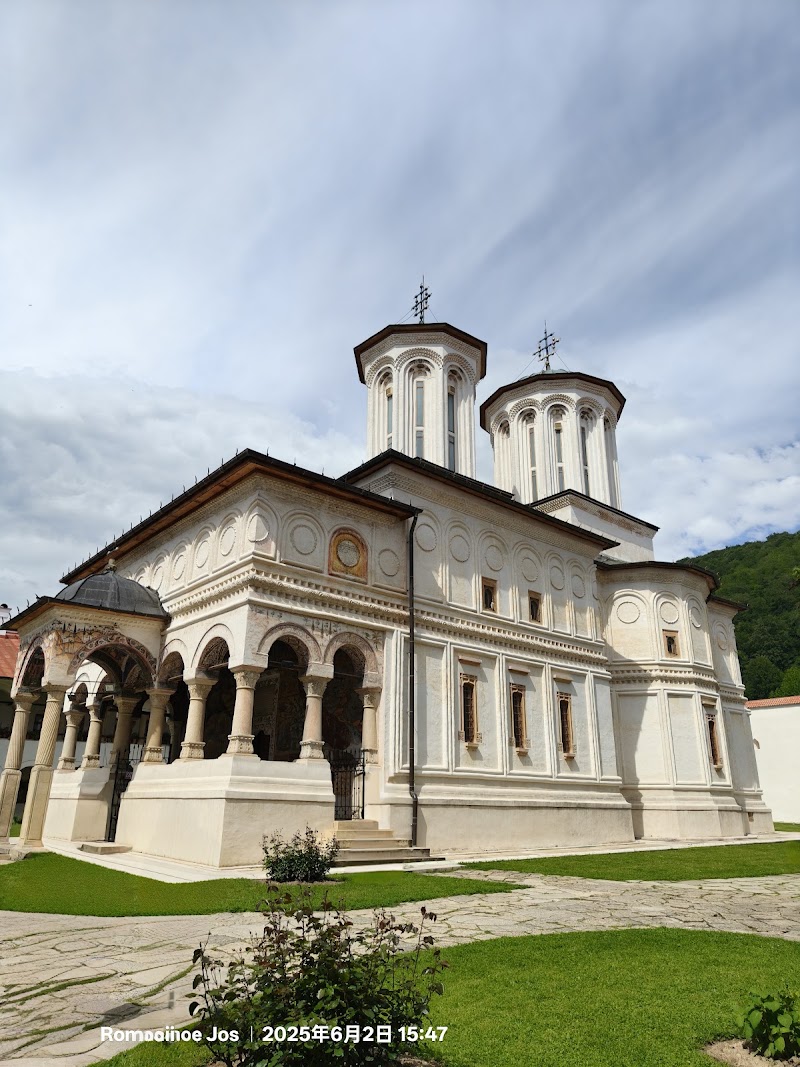
Romania · Romanii de Jos
Hurezi Monastery: Brâncovenesc art in a peaceful setting
Historic architecture, richly painted surfaces and tranquil grounds make Hurezi Monastery one of the area’s most rewarding cultural landmarks.
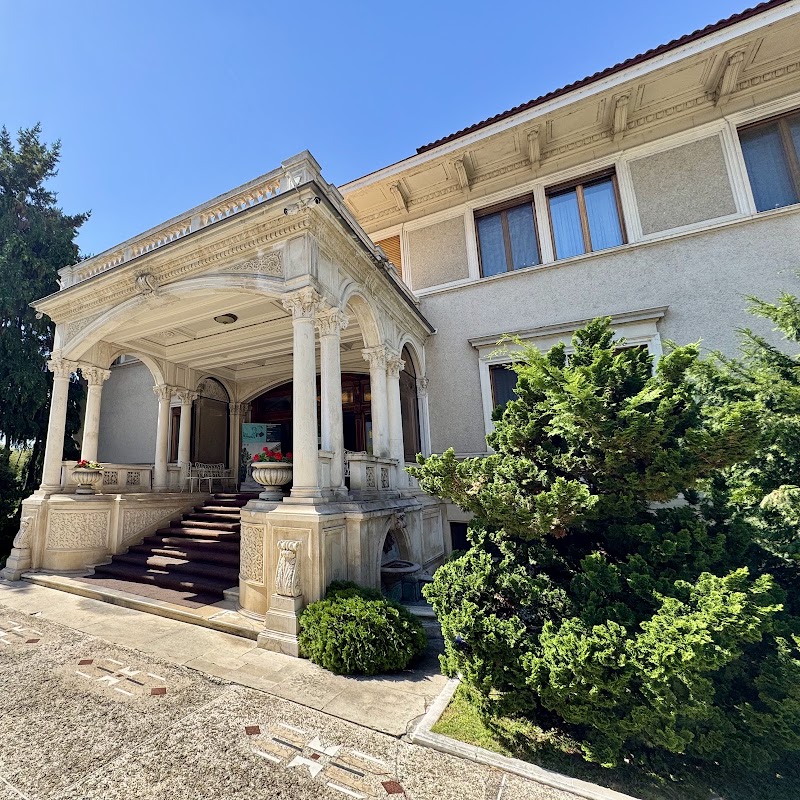
Romania · București
Ceaușescu House: luxury, history and an uneven tour
Bucharest’s Primăverii Palace exposes the Ceaușescu family’s lavish private world, although the quality of its compulsory guided tours can vary.
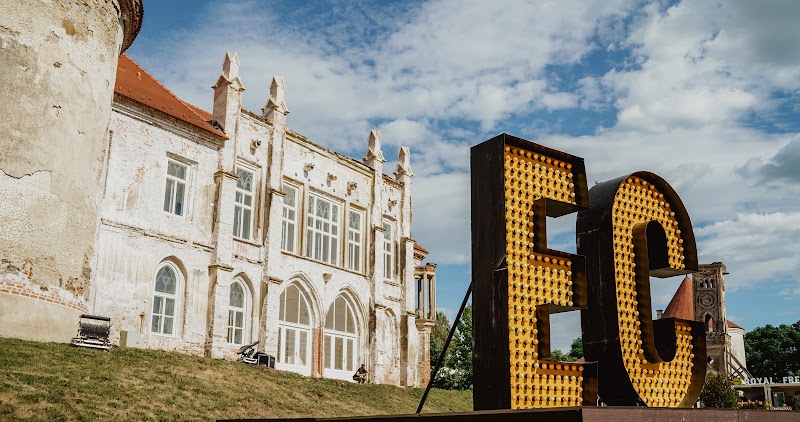
Romania · Bonțida
Electric Castle: Music and Festival Energy in Bonțida
Electric Castle pairs major live performances with a friendly festival atmosphere, though transport to and from Bonțida attracts recurring criticism.
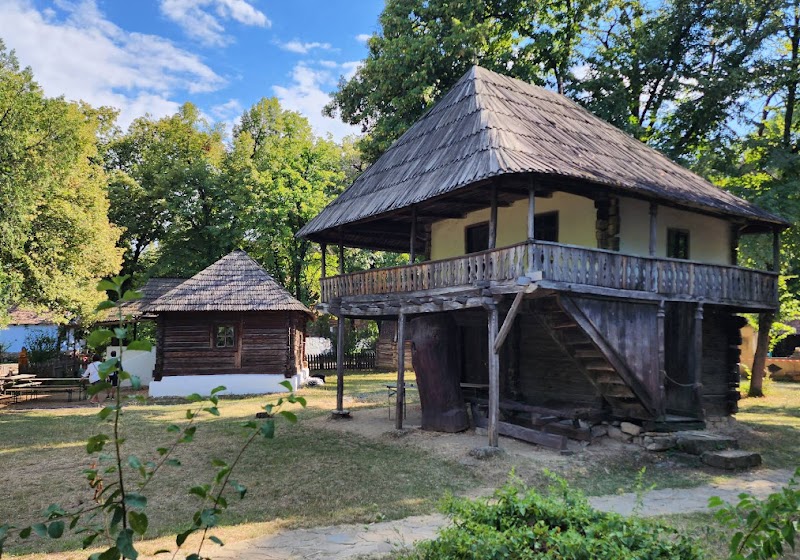
Romania · București
Romanian village life, preserved in the capital
This expansive open-air museum brings together traditional homes, churches, farms and windmills from across Romania.