Chavín de Huántar: galleries, stonework and symbolism
A demanding journey from Huaraz leads to a compelling pre-Incan complex of ceremonial architecture, underground passages and carved stone.
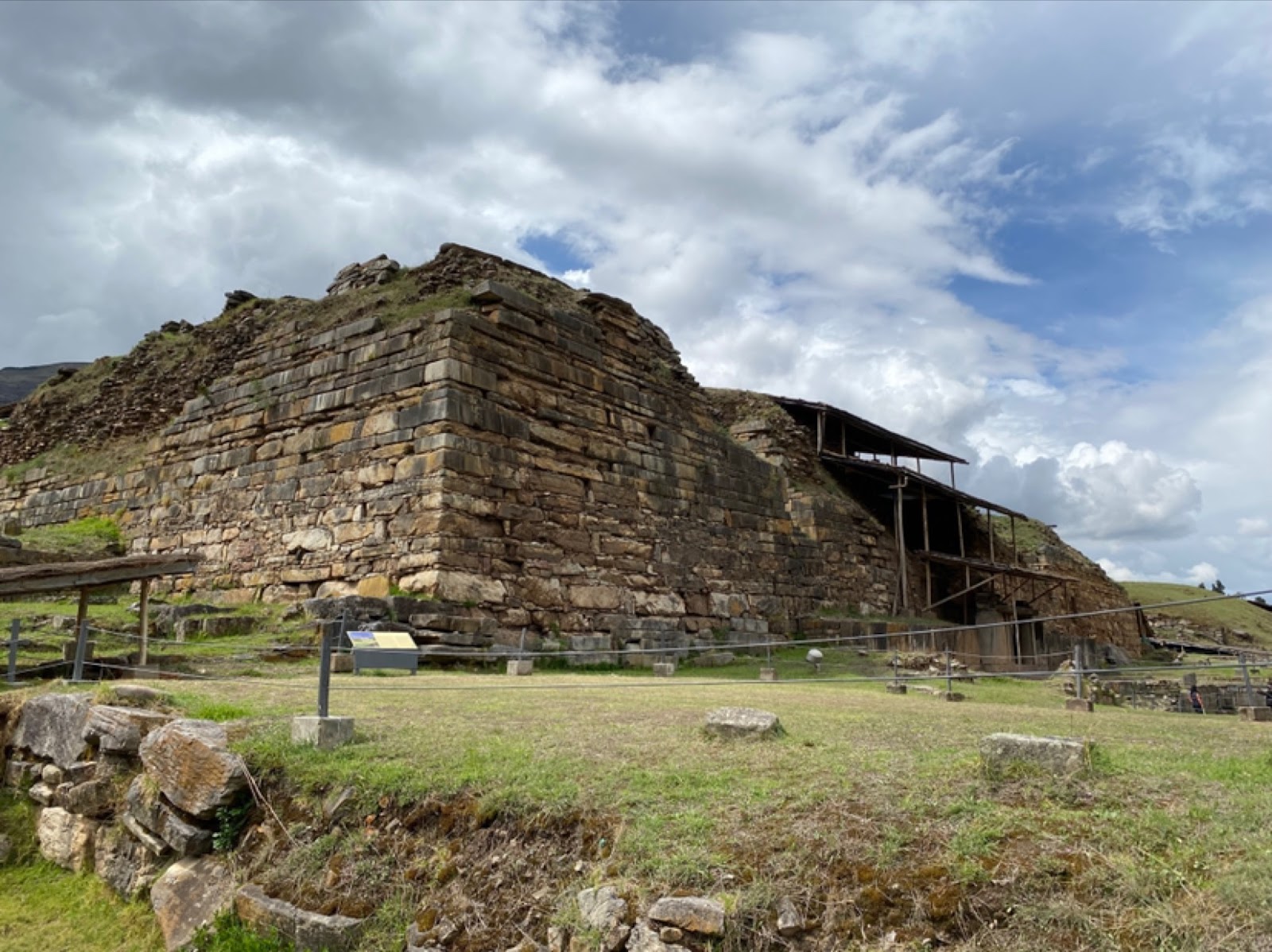
More photos
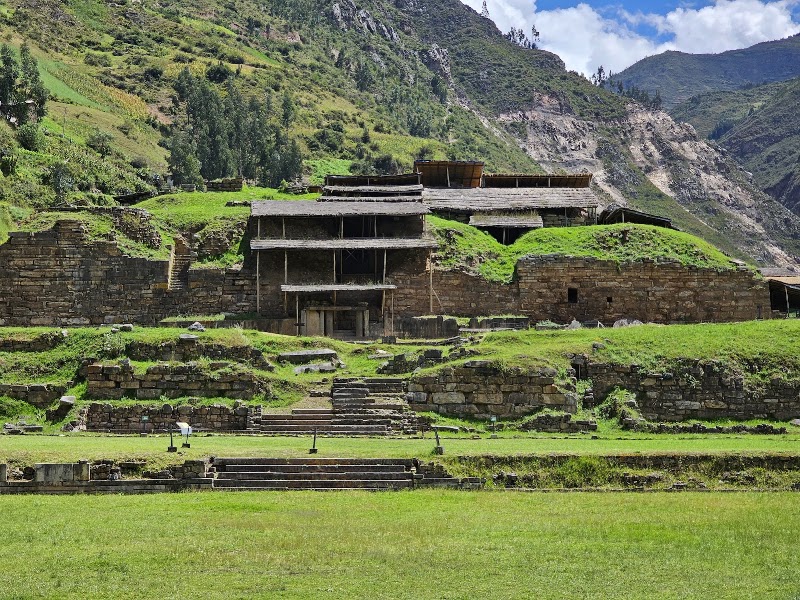
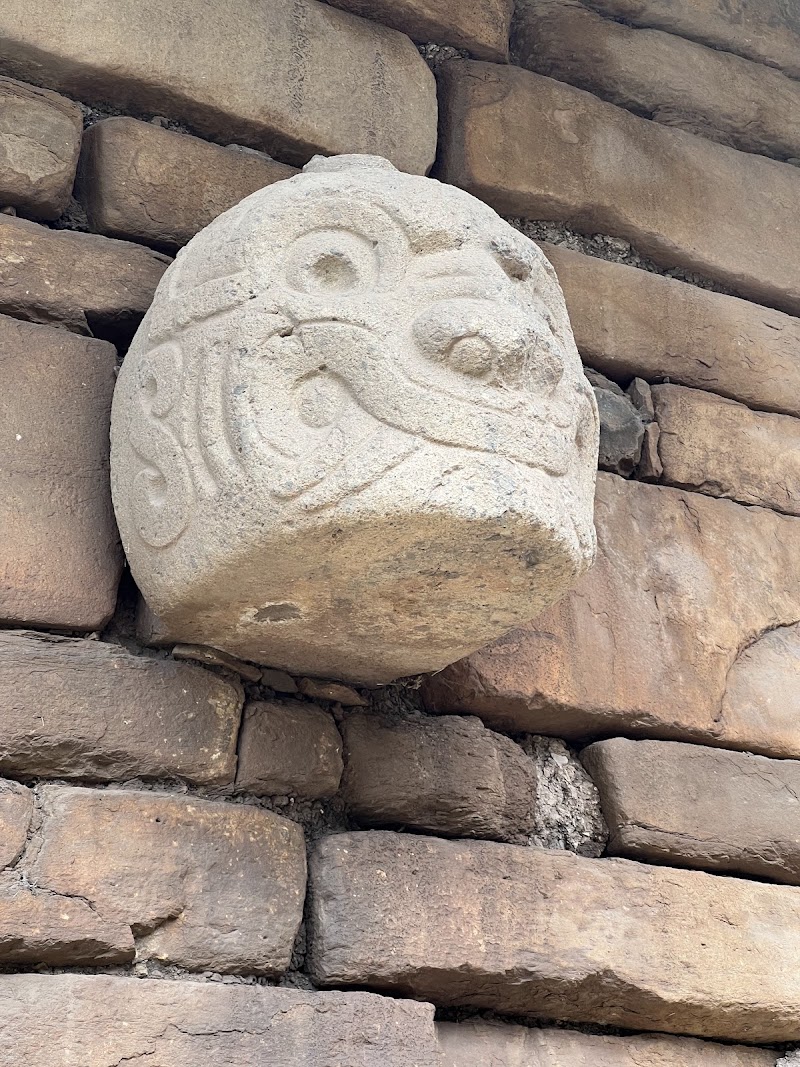
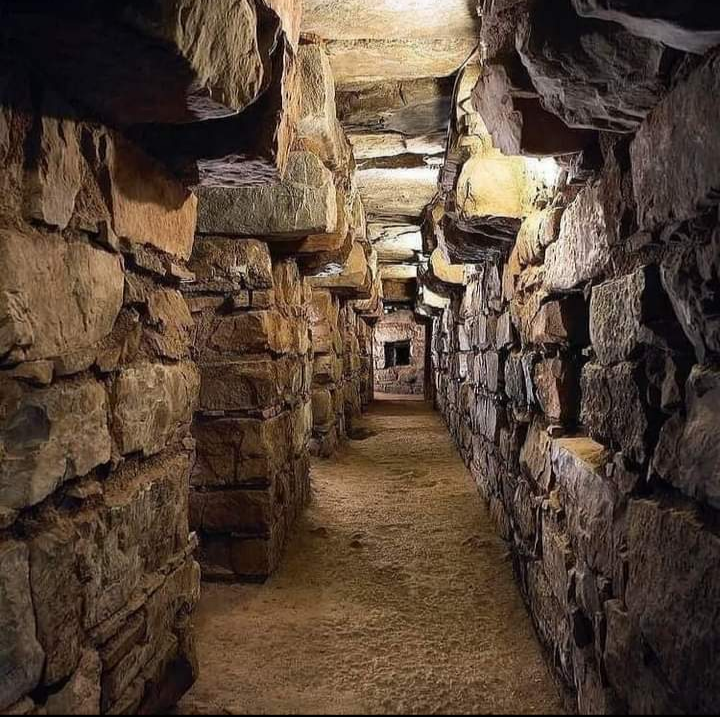
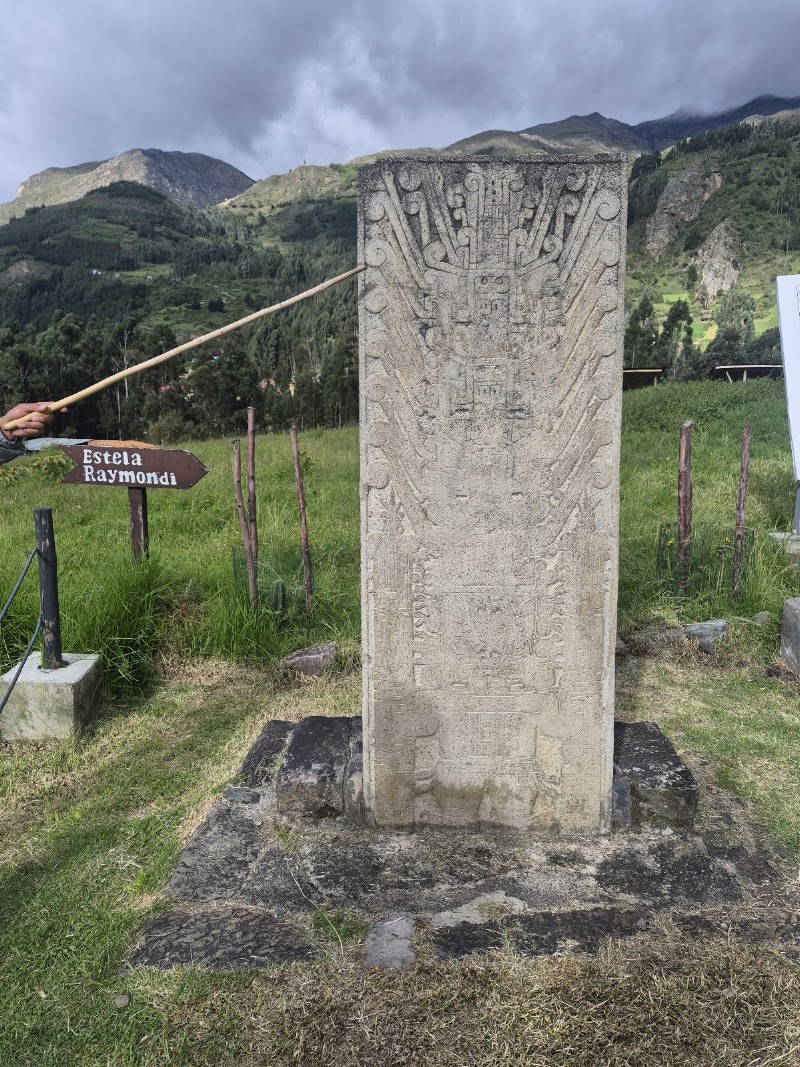
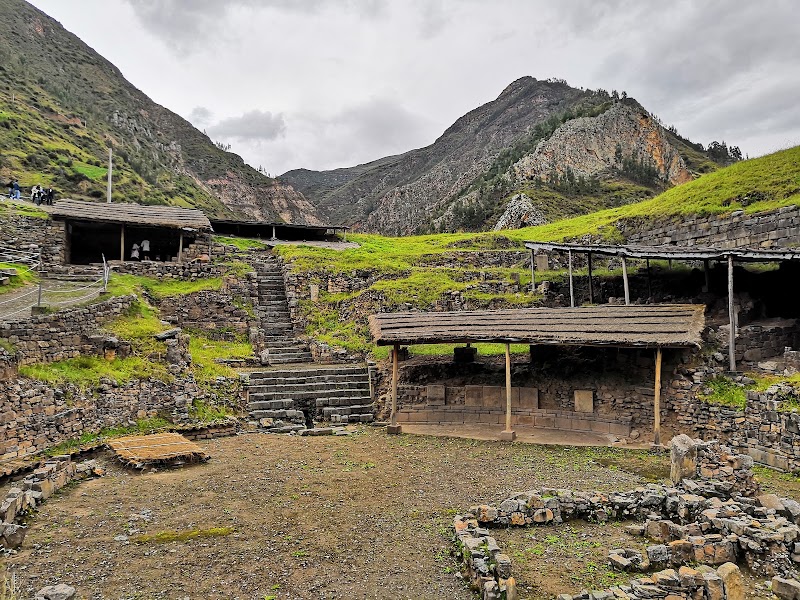
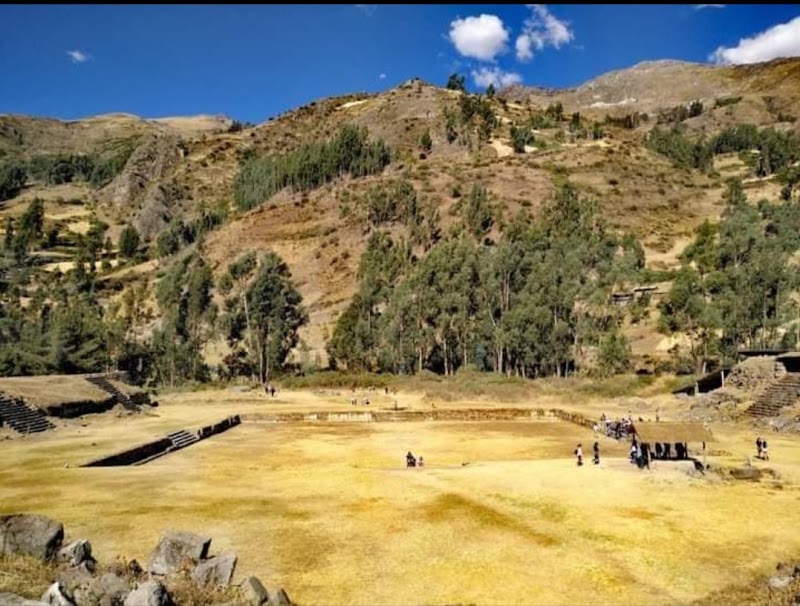
Photos published by travelers on Google, not AI generated.
What stands out
- Underground galleries and tunnels
- Lanzón Monolith
- Pre-Incan architecture and symbolism
- Mountain scenery from Huaraz
- Insight into the Chavín culture
Worth knowing
- Long, winding journey from Huaraz
- High-altitude mountain crossing
- Photography restrictions in some tunnels
Don't miss
What comes up most in public reviews
- Explore the underground galleries
- See the Lanzón Monolith
- Ask a guide about Chavín religious symbolism
Worth the trip?
Why it stands out
A 4.6 Google rating from 4515 reviews gives Chavín de Huántar Archaeological Monument a strong public score. Visitors often praise the architecture and religious symbolism, as well as the window it opens onto Peru’s early cultures. This is not a site taken in from one viewpoint. The experience unfolds between plazas, substantial stone structures and enclosed underground spaces, with the story of the Chavín culture tying it all together.
Public reviews call the complex fascinating, sometimes extraordinary. The underground galleries receive particular attention and, for several visitors, define the experience. Moving through these passages feels far more immediate than photographs might suggest, especially in areas where photography is restricted. Another frequent focal point is the Lanzón Monolith, seen inside the gallery system.
What the visit is like
Context counts here. Reviewers say a guide can make a significant difference by explaining details of the architecture, ceremonial purpose and symbolism that are otherwise easy to overlook. Signs are reportedly provided in Spanish and English, which keeps independent exploration possible. Even so, the repeated praise for interpretation suggests that history-focused travellers tend to gain more from a guided visit.
Crowds rarely feature as a concern in the reviews. One visitor specifically reported encountering no crowds, although conditions naturally vary. The broader impression is of a place where people can take their time, study the masonry and enter the galleries instead of stopping only for exterior photographs.
According to one review, a museum containing objects from the archaeological site stands on the other side of Chavín de Huántar town. Combining the museum with the monument can give visitors a fuller picture of the culture, particularly those as interested in artefacts as they are in architecture.
The journey from Huaraz
The journey is the difficult part. Reviews consistently put travel time from Huaraz at more than two hours each way. One traveller reported spending roughly three hours on a bus, followed by a short walk to the entrance. Along the route are farmland and Huascarán National Park, while one account also mentions a stop at a glacial lake.
The scenery helps, but not everyone finds the drive comfortable. Travellers mention winding roads and sections that feel unnerving or treacherous. The mountain crossing also brings exposure to high altitude. Visitors coming from lower elevations should leave time to acclimatise before setting out, and anyone prone to motion sickness may want to prepare for a long mountain-road journey.
Editorial verdict
Based on public ratings and traveller reviews, Chavín de Huántar makes most sense as a full-day historical excursion, not a quick stop. The transfer is substantial. Even so, reviewers generally judge the archaeological experience worth the effort. The underground galleries and the Lanzón Monolith are its strongest elements, alongside the chance to understand a culture that predates the better-known Inca period.
For visitors seeking more than an atmospheric walk among ancient stonework, a guide is the most useful addition. With enough preparation for the altitude and realistic expectations about the road, the monument ranks among the most rewarding cultural trips available from Huaraz.
Ask anything
Looking for somewhere else?
Keep exploring around Chavín de Huantar
More from Peru
Peru
Colca Canyon: Condors, waterfalls and immense Andean views
Public reviews praise Colca Canyon for its dramatic scenery, overhead condors, flowering plants and rewarding multi-day walks.
Peru · Moche
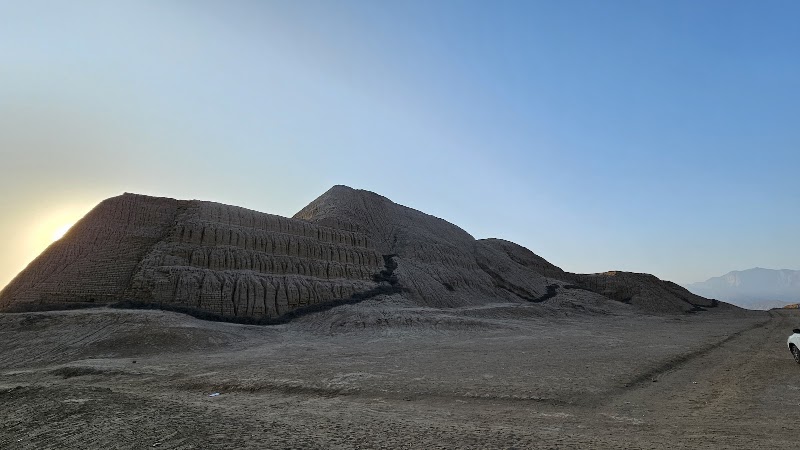
La Huaca del Sol: monumental Moche history near Trujillo
This vast Moche ceremonial complex impresses with its scale and setting, although access to the Huaca del Sol structure itself may be restricted.
Peru
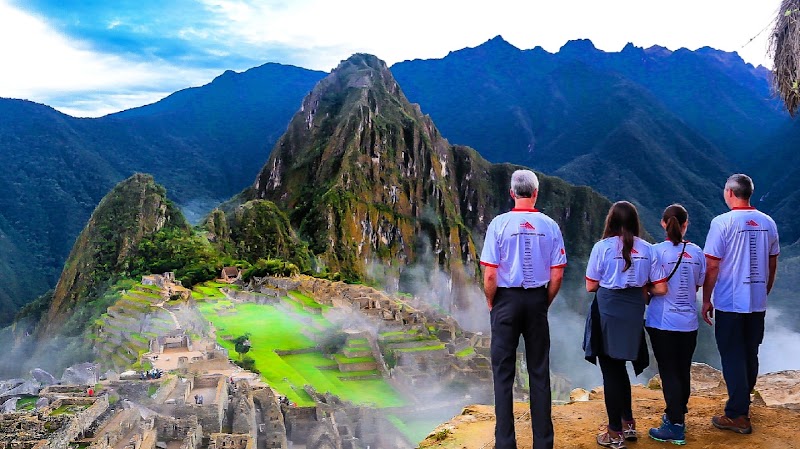
Peru Summit Adventures: Tailored Tours From Cusco
Strong public feedback highlights attentive planning, private guiding and well-organized itineraries covering Machu Picchu and the Cusco region.

Peru · Cusco
Amazonas Explorer review: tailored trekking from Cusco
Strong planning, capable guides and careful logistics make this Cusco operator a compelling choice for ambitious Peru itineraries.