Changdeokgung: A Calmer Palace Walk in Seoul
Historic architecture, spacious grounds and a close relationship with nature make Changdeokgung one of Seoul’s most rewarding palace visits.
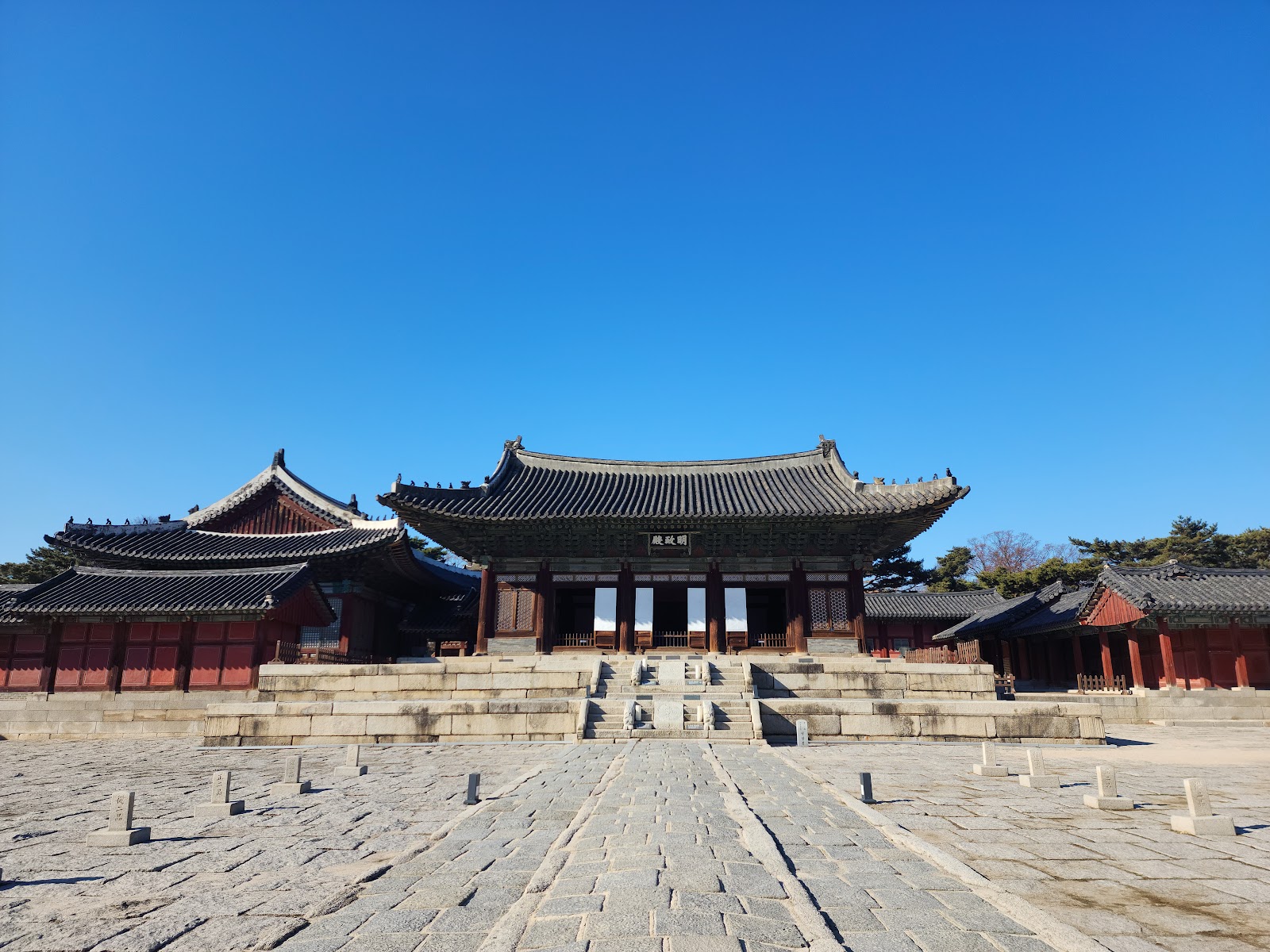
More photos
Photos published by travelers on Google, not AI generated.
What stands out
- Traditional palace buildings
- Peaceful, well-maintained grounds
- Architecture integrated with nature
- Decorative characters and etched designs
- Large, walkable complex
Worth knowing
- Crowds can vary
- Limited interpretation may disappoint some visitors
- Extensive grounds require plenty of walking
Don't miss
What comes up most in public reviews
- Explore the Secret Garden
- Photograph the traditional buildings
- Walk through the palace grounds
- Consider renting a hanbok nearby
Worth the trip?
The overall impression
Changdeokgung earns a strong 4.6 rating from 13,906 Google reviews, and the supplied feedback presents it as a beautiful, expansive palace complex that rewards unhurried exploration. Travellers repeatedly praise its historic atmosphere, well-maintained grounds and traditional buildings. Several consider it a highlight of Seoul, with one placing it among the favourite stops of an entire city trip.
The palace is also described as highly walkable, although its scale means a visit can involve substantial time on foot. Admission is reported as efficient, even for travellers arriving after other sightseeing. One reviewer considered the experience excellent value, particularly given the quality and historic importance of the site.
Architecture shaped by nature
The defining quality in these reviews is not grandeur alone, but the way the palace buildings sit within the surrounding landscape. One traveller felt Changdeokgung blended with nature rather than overpowering it, creating a calmer mood than some of Seoul’s other major palaces. The architecture is admired for being elegant without seeming excessively flashy.
Visitors also notice the detailed decorative work. Reviews mention beautiful structures, Chinese characters and designs etched into the buildings, all of which make the complex especially appealing for photography. Renting a hanbok nearby is suggested by one reviewer as a way to make the visit more immersive and produce more memorable photographs, though it is not essential to appreciating the grounds.
The Secret Garden question
The connected Secret Garden is one of the most frequently mentioned features, even among travellers who did not manage to enter it. One review describes access as straightforward, while another says it appeared worth adding to the visit. Based on that recurring interest, it deserves a place in the itinerary rather than being treated as an afterthought.
The wider palace grounds remain worthwhile on their own. They are described as huge, lovely to walk through and capable of offering a window into the setting of Korea’s final monarchy. Visitors interested in landscape design and the relationship between architecture and nature may find the experience more rewarding than those seeking a heavily narrated museum visit.
What to expect
Crowd levels appear variable. One traveller found Changdeokgung more peaceful and less crowded than other palaces, while another noted that its fame can draw busy periods. The atmosphere may therefore depend on timing and conditions on the day.
Interpretation is another consideration. One reviewer warned against expecting a strongly informational guided experience and found simple exploration slightly boring. Travellers who want detailed historical context may benefit from researching the palace beforehand or checking what interpretive options are available when planning. For photographers, walkers and architecture enthusiasts, however, the combination of decorative buildings, broad grounds and natural scenery is consistently the main attraction.
Overall, Changdeokgung stands out as a spacious cultural landmark with a quieter, landscape-led character. Allowing half a day gives the palace and Secret Garden enough room to breathe without reducing the visit to a quick circuit of photo stops.
Plan the rest of the trip
Ask anything
Looking for somewhere else?
Keep exploring around Yulgok-ro
More from South Korea
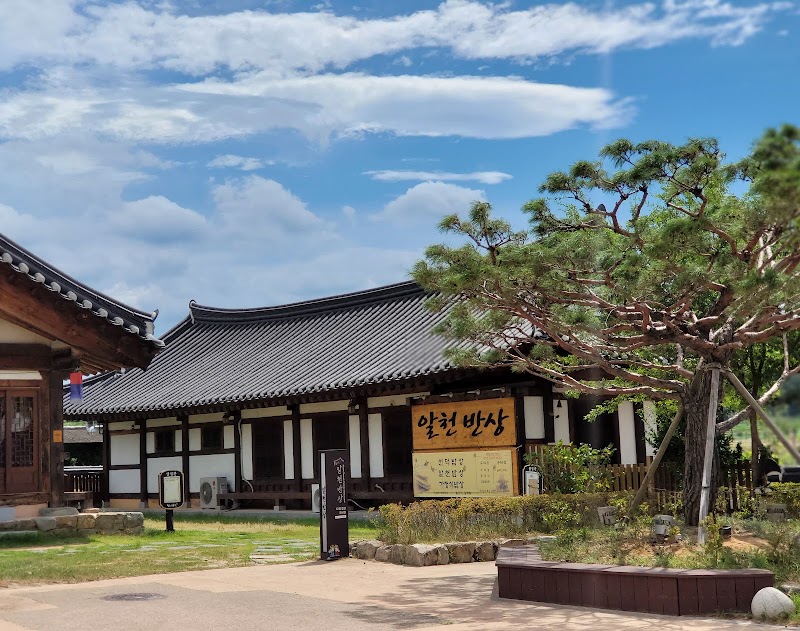
South Korea · Gyeongju
Gyeongju Gyochon Traditional Village for a Slow Afternoon
A compact historic village beside Woljeonggyo Bridge, praised in reviews for its preserved homes, hands-on food experiences and relaxed atmosphere.
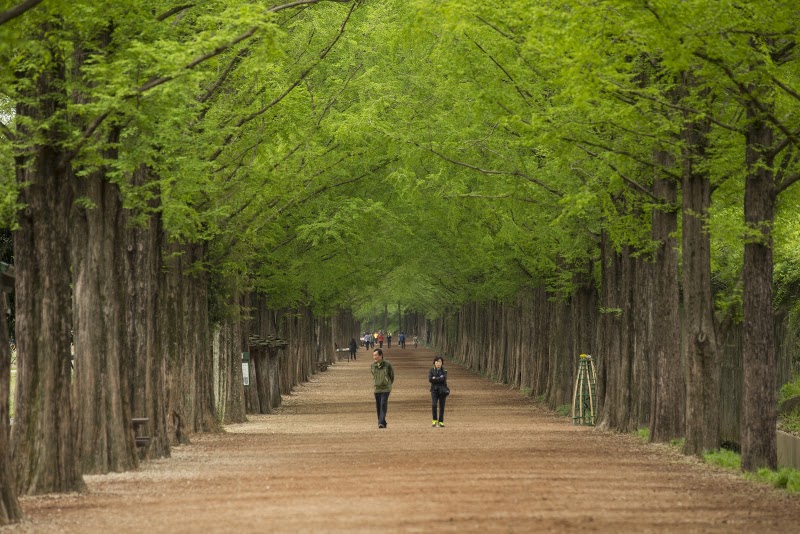
South Korea · Damyang
Metasequoia-lined Road: A Peaceful Walk in Damyang
Damyang’s tree-lined road is a calm, photogenic stop with shops, cafés and an easy connection to the bamboo forest.
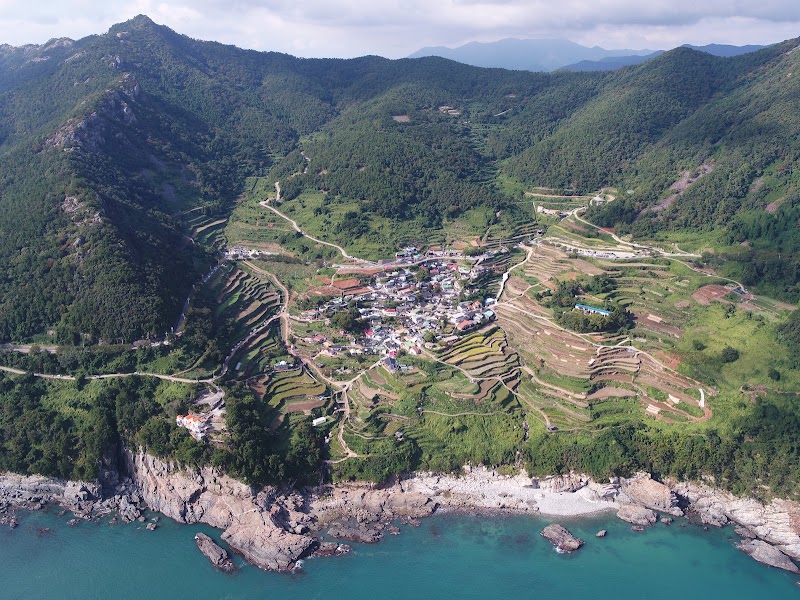
South Korea · Namhae
Darangi Village: Terraced Hills Above Namhae’s Coast
Darangi Village is a scenic Namhae stop for steep walks, terraced fields, sea views and an unhurried rural atmosphere.
South Korea · Tongyeong-si
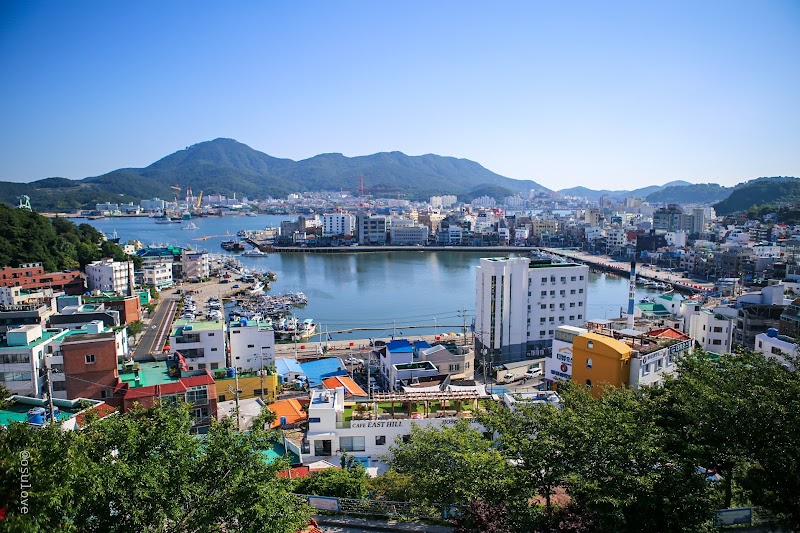
Dongpirang Mural Village: Tongyeong’s Hilltop Art Walk
Dongpirang Mural Village offers a short uphill walk through changing street art, small shops, cafés and broad views across Tongyeong.