Ceaușescu House: luxury, history and an uneven tour
Bucharest’s Primăverii Palace exposes the Ceaușescu family’s lavish private world, although the quality of its compulsory guided tours can vary.

More photos


Photos published by travelers on Google, not AI generated.
What stands out
- Lavish preserved interiors
- Murano glass, crystal and gold decoration
- Historical art throughout the house
- Striking contrast between luxury and hardship
Worth knowing
- Visits require a guided tour
- Tour detail appears to vary by guide
- Photography and filming are restricted inside
Don't miss
What comes up most in public reviews
- The guided historical interpretation
- The contrast between family luxury and public hardship
Worth the trip?
Why it stands out
Ceaușescu House, also known as Primăverii Palace, offers a close look at the luxury enjoyed by Nicolae Ceaușescu and his family. Its impact comes largely from contrast. Reviewers repeatedly set the opulent interiors against the hardship experienced by many Romanians under the regime.
The supplied Google listing gives the museum a rating of 4.6 from 8853 reviews, and the sample feedback broadly supports that strong result. Several visitors describe it as a highlight of their time in Bucharest, praising both the building and the insight it provides into a difficult period of Romanian history. Others leave troubled by the scale of the family’s private comfort rather than simply impressed by the decoration. That discomfort is central to the experience.
Inside the residence
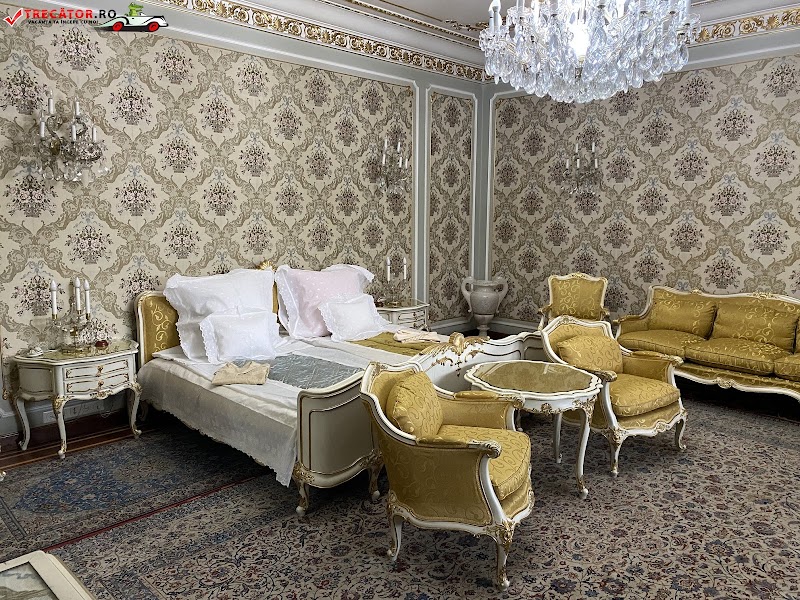
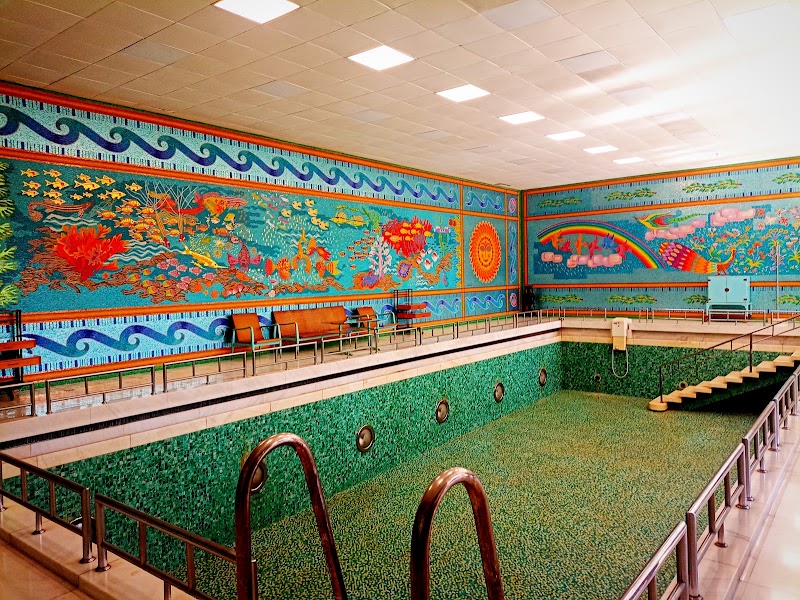
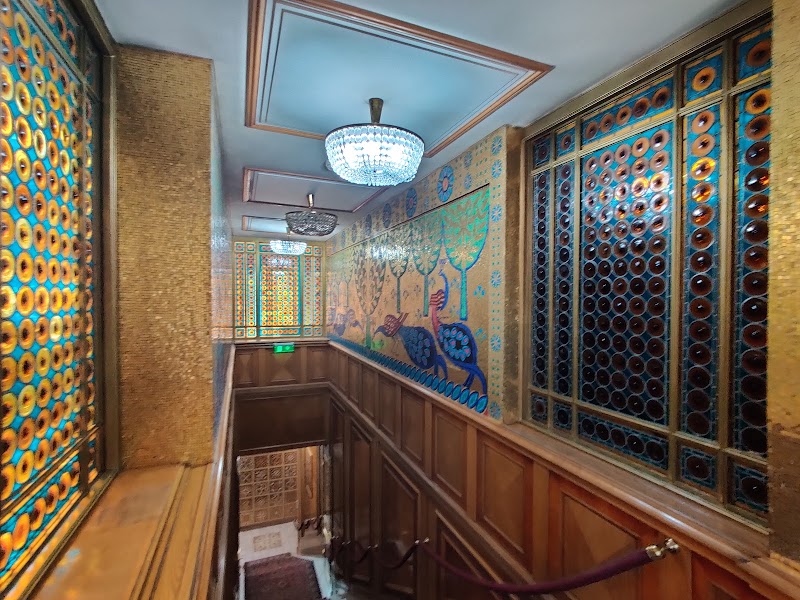
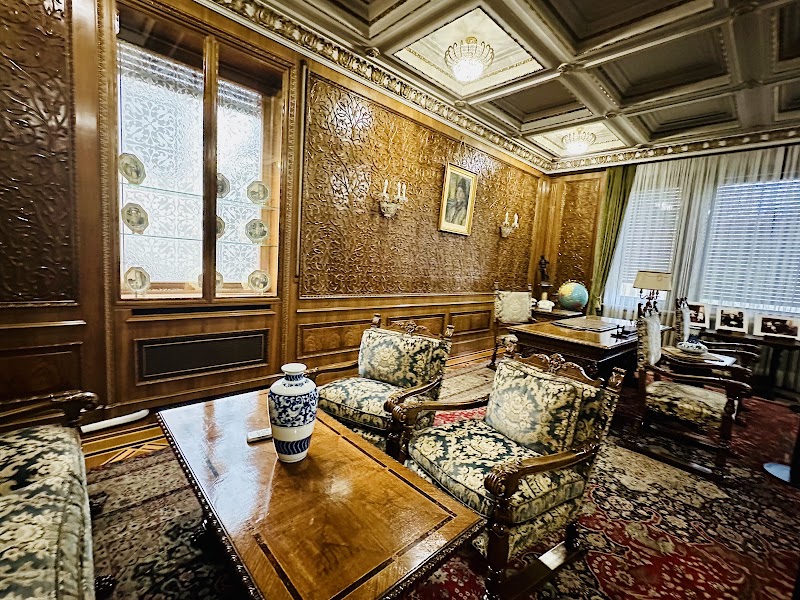
The interiors are the main attraction. Public reviews draw attention to extravagant materials and decoration, including Murano glass, crystal and gold, as well as historical art. The family’s private suites and spa facilities further underline the scale and self-indulgence of the residence.
Some reviewers describe the building as having remained largely untouched since the revolution, giving the rooms a preserved quality rather than the atmosphere of a reconstructed period display. Whether admired for craftsmanship or viewed as evidence of political excess, the house makes a strong visual impression. It is less about a single standout room than the cumulative effect of moving through one lavish space after another.
The museum works best for visitors already interested in modern European history, dictatorship or Romanian politics. Those expecting only an attractive villa may find the moral and historical context more affecting than the architecture itself.
Guided-tour experience
Entry is through a guided tour, and this is the least consistent part of the visitor experience. Some reviewers praise the English-language explanation for being detailed and informative, particularly on the country’s history and the art inside the house. Others report receiving only a few sentences in each room, with some spaces merely announced rather than properly interpreted.
That variation matters because the building benefits from context. Without a strong guide, the rooms can become a procession of expensive objects rather than a coherent account of the regime and the family occupying them. The cinema option receives a positive recommendation in one review and may add further context, but it is not discussed consistently enough to be treated as essential.
Practical verdict
Photography restrictions are the clearest recurring frustration. Reviews report that photos are not allowed inside, while one visitor also objected to restrictions at the initial gathering point. Filming is likewise reported as prohibited. Visitors should arrive prepared to experience the interiors without documenting them.
Despite those limitations and uneven reports about guides, the overall response is strongly positive. Ceaușescu House is a visually impressive and emotionally complicated museum, valuable less as a celebration of grandeur than as evidence of the gulf between political privilege and everyday life under the regime.
Ask anything
Looking for somewhere else?
Keep exploring around București
More from Romania
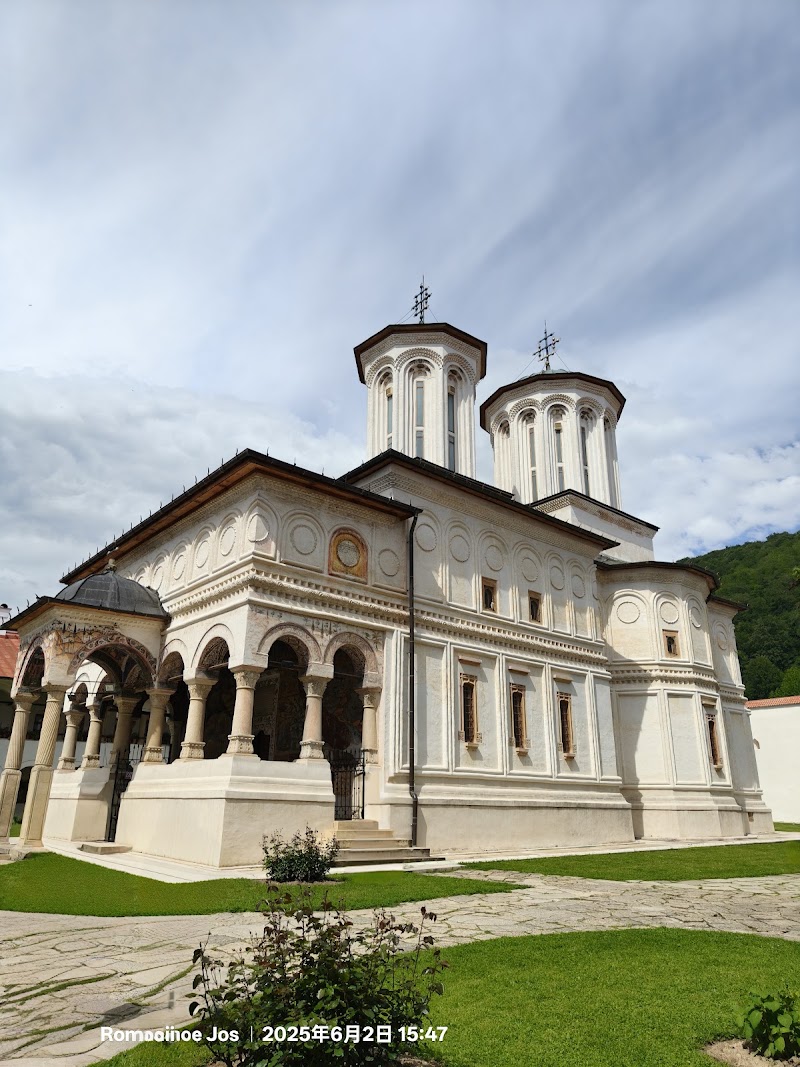
Romania · Romanii de Jos
Hurezi Monastery: Brâncovenesc art in a peaceful setting
Historic architecture, richly painted surfaces and tranquil grounds make Hurezi Monastery one of the area’s most rewarding cultural landmarks.
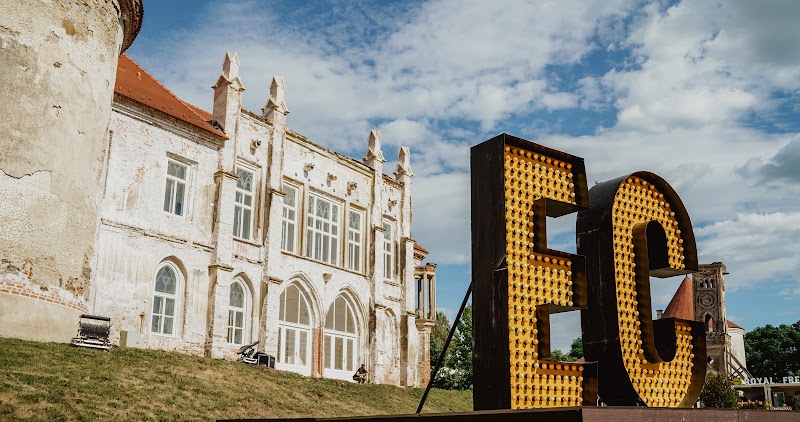
Romania · Bonțida
Electric Castle: Music and Festival Energy in Bonțida
Electric Castle pairs major live performances with a friendly festival atmosphere, though transport to and from Bonțida attracts recurring criticism.
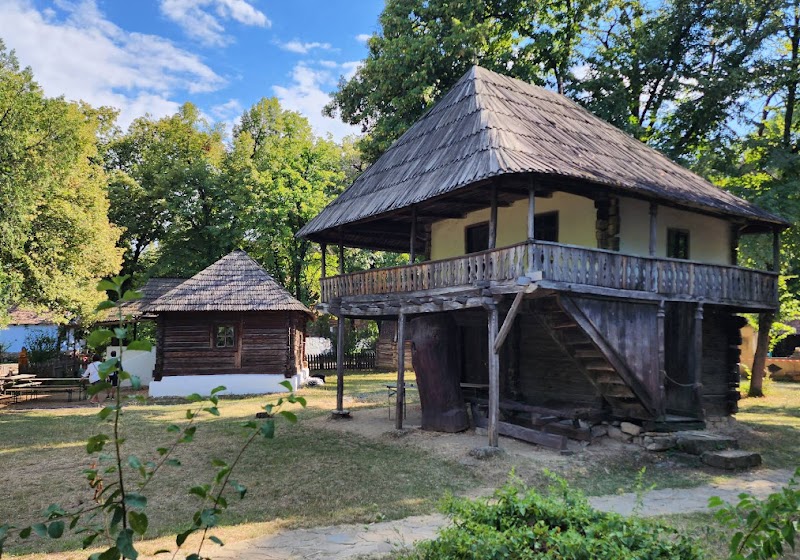
Romania · București
Romanian village life, preserved in the capital
This expansive open-air museum brings together traditional homes, churches, farms and windmills from across Romania.
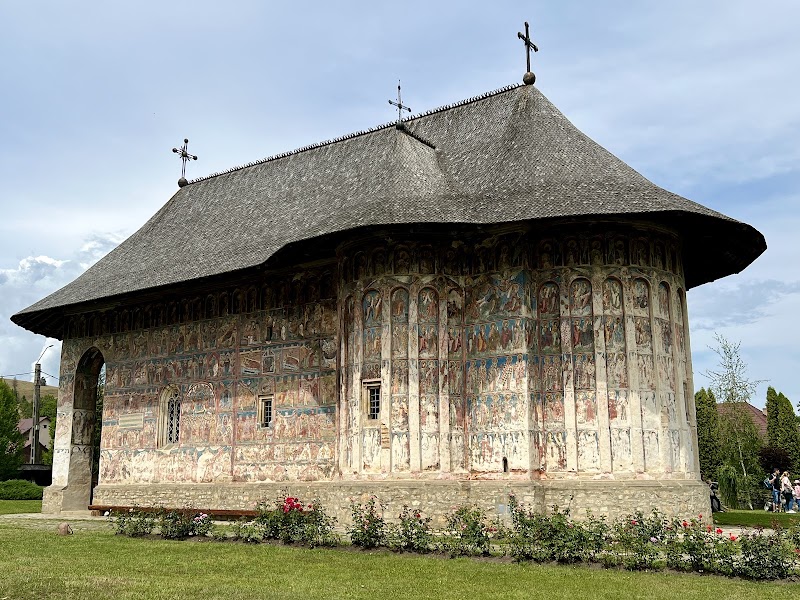
Romania · Mănăstirea Humorului
Humor Monastery: Painted History and a Peaceful Setting
This highly rated Bucovina landmark draws praise for its red-toned decoration, striking church interior, quiet grounds and climbable tower.