Bukchon Hanok Village: Traditional Seoul, Still Lived In
Historic hanok, sloping lanes and modern Seoul meet in a photogenic residential district where considerate visiting matters.
More photos
Photos published by travelers on Google, not AI generated.
What stands out
- Traditional hanok architecture
- Narrow, sloping streets
- Old and modern Seoul contrasts
- Hanbok photography scenes
- Hands-on traditional crafts
Worth knowing
- Crowds and passing vehicles
- Summer heat on exposed slopes
- Residential noise and access restrictions
Don't miss
What comes up most in public reviews
- Hanok-lined sloping alleys
- Traditional ceramic painting
- Handmade gift workshops
- Restored traditional buildings
Worth the trip?
Why it stands out
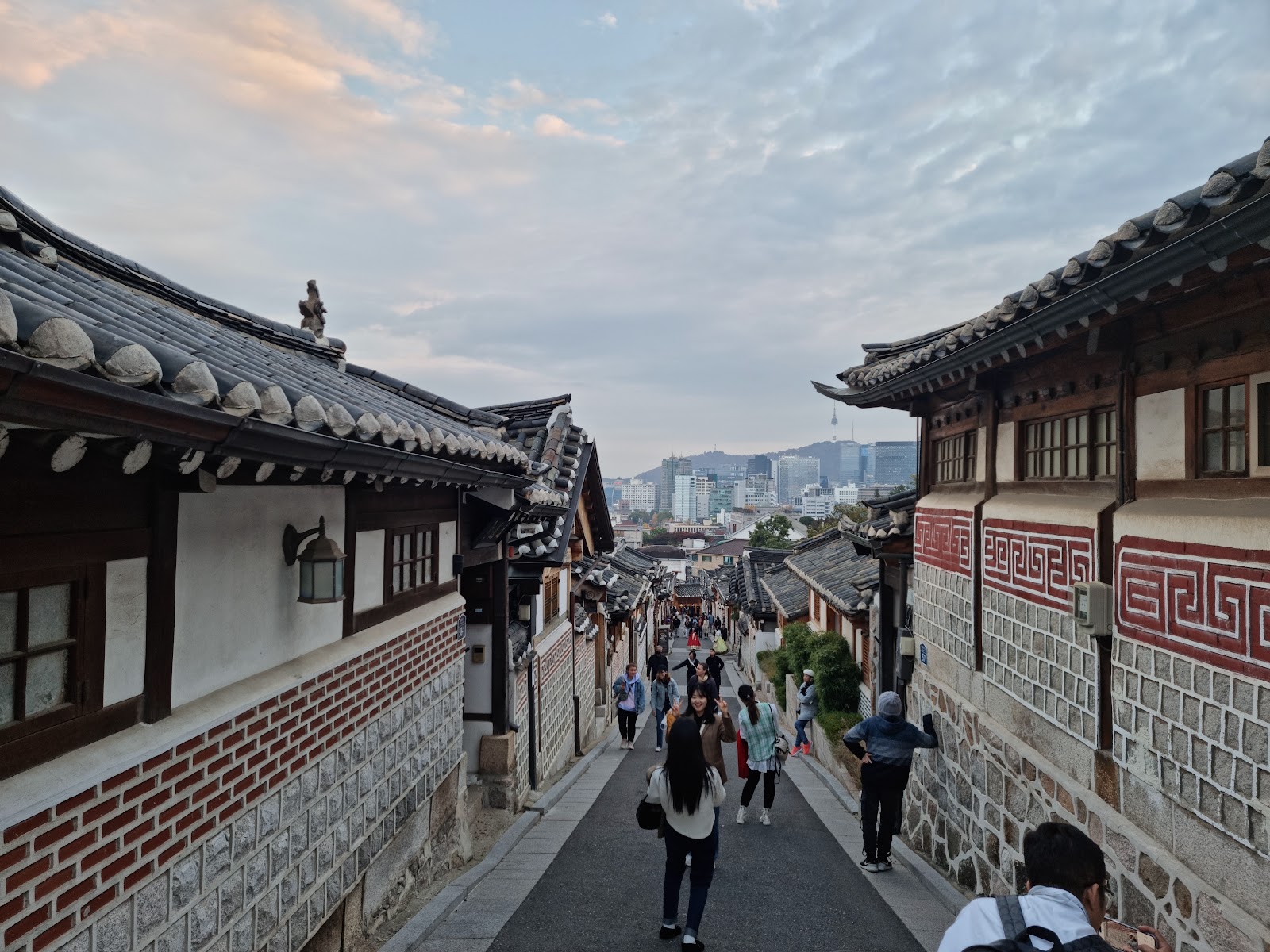
For a clear look at traditional Korean residential architecture in central Seoul, Bukchon Hanok Village is hard to overlook. Public feedback often focuses on the same visual details: tiled roofs, timberwork, narrow alleys and streets that climb sharply. Much of the appeal comes from seeing these hanok against the modern city around them.
Bukchon has a Google rating of 4.4 from 24,383 reviews, so secluded it is not. Reviewers generally say the village looks as good as it does in photographs, especially where crowded rooftops and lanes overlap in the view. But the key point is easily missed. This remains a residential neighborhood, not a purpose-built historical attraction.
Timing shapes the experience
Crowds are the most common complaint in the sampled reviews. Pedestrians, photography groups and passing vehicles can fill the lanes, and the atmosphere may feel far busier than promotional images suggest. Visitors in rented hanbok add color to the streets, though photo sessions around the popular viewpoints can add to the congestion.
Public reviews also refer to local visiting and noise restrictions. These include arrival after 10am, designated quiet zones and an apparent 5pm closing time for parts of the visitor area. Access arrangements can change, so current local signage takes priority. Residents live behind many of the doors and walls. Speaking quietly, leaving pathways open and avoiding intrusive photography matter here.
Then there is the summer heat. The exposed slopes can be uncomfortable, and reviewers suggest carrying a hat or umbrella. Comfortable footwear also makes sense on the inclines and uneven-looking lanes, although reviews do not present the route as a formal hike.
More than a photo stop
The simplest way to experience Bukchon is to walk without hurrying. Rooflines, restored facades and glimpses of old and new Seoul provide most of the interest. Some restored buildings appear to admit visitors, but private homes are not open attractions and should not be treated that way.
Reviews mention cafes, restaurants and souvenir shops across the wider neighborhood as well. Craft activities offer something more structured than taking photographs, including ceramic painting and handmade gift production. One reviewer puts the duration of these sessions at roughly 50 minutes to an hour and describes them as budget friendly. Availability may vary, which makes a craft session an optional extra rather than a guaranteed part of a visit.
Editorial verdict
Bukchon works best when treated as a lived-in neighborhood with cultural value, not as an outdoor set. The architecture and steep alleys merit the attention they receive. Crowds and visitor conduct, however, can decide whether the visit feels evocative or simply hectic. A half-day leaves enough time for a walk, photographs and either a craft session or a cafe break without rushing. Those who observe posted hours and noise guidance are more likely to understand what sets the district apart while causing less disruption to residents.
Plan the rest of the trip
Ask anything
Looking for somewhere else?
Keep exploring around Gyedong-gil
More from South Korea
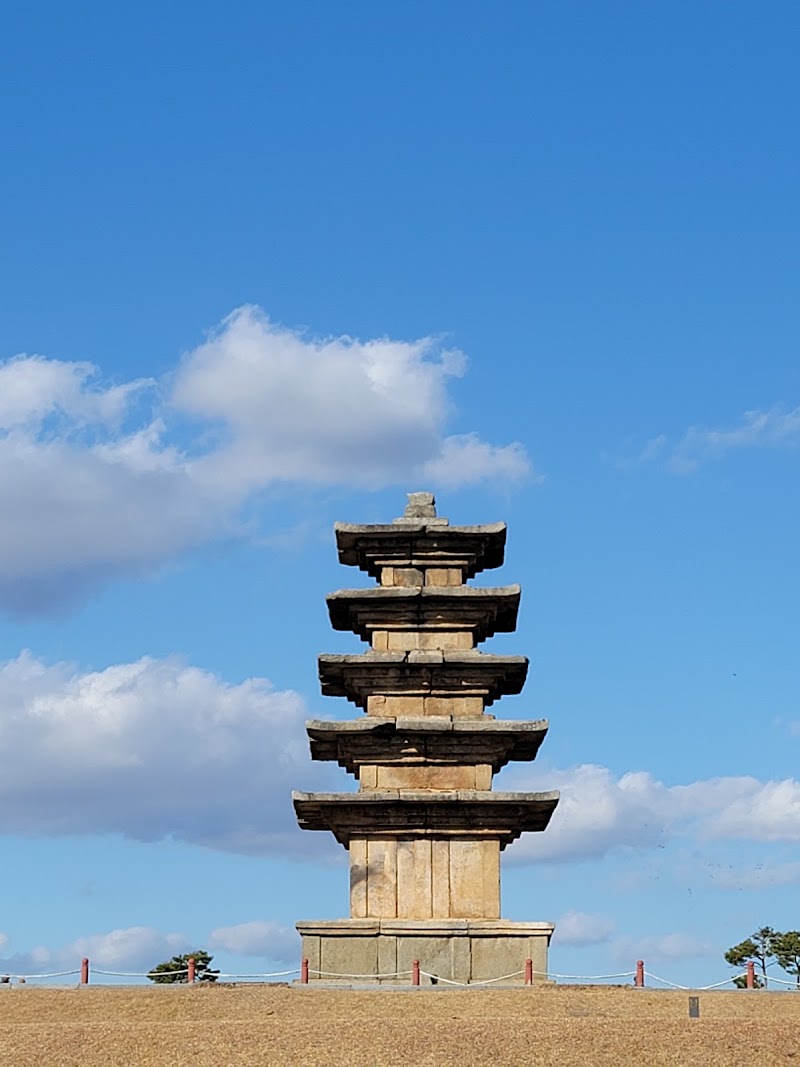
South Korea · Iksan
Wanggung-ri’s Pagoda and Spacious Historic Grounds
A well-rated Iksan landmark where an old stone pagoda, open grounds and relaxed walks shape the visitor experience.
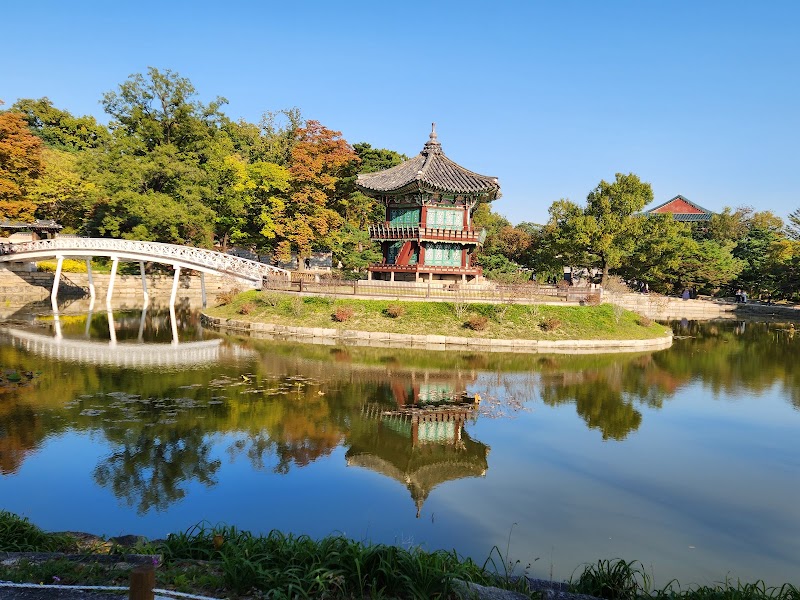
South Korea · 율곡로
Changdeokgung Secret Garden: serene palace landscapes
Timed access and guided interpretation reward advance planning at this tranquil historic garden within Changdeokgung Palace.
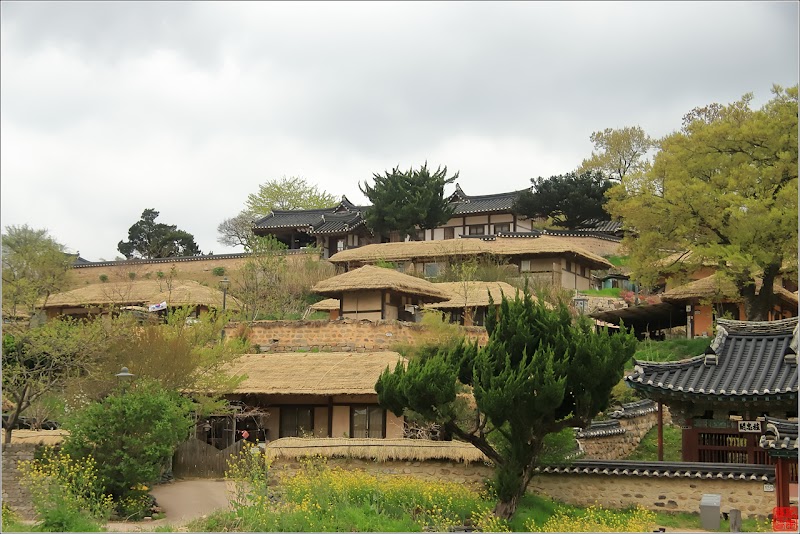
South Korea · Gyeongju
Yangdong Folk Village: A Living Slice of Historic Gyeongju
Traditional houses, mountain scenery and a lived-in atmosphere reward travellers prepared for uphill walking and a journey beyond central Gyeongju.
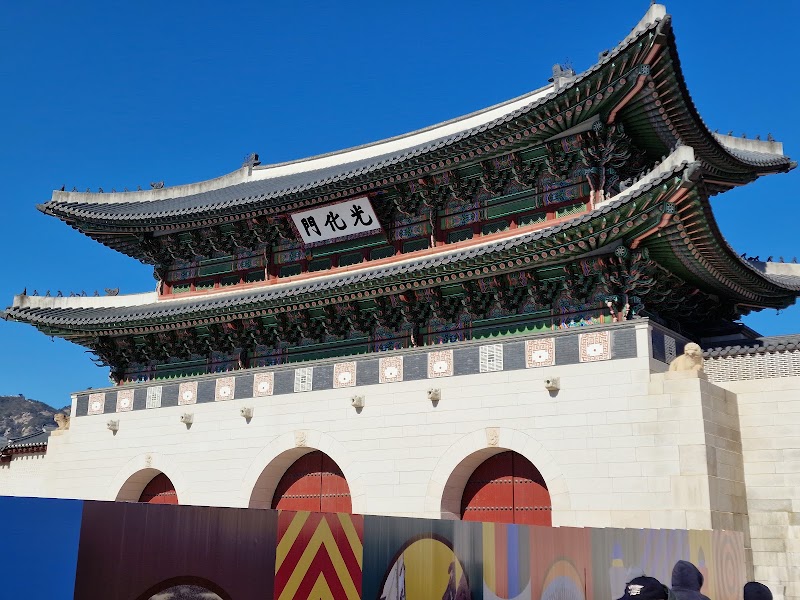
South Korea · Sajik-ro
Gwanghwamun Gate: Seoul’s Grand Historic Threshold
Monumental architecture, a mountain backdrop and the Royal Guard ceremony make this an impressive introduction to historic Seoul.