Buddha Stupa: Kathmandu’s great place of calm
Boudhanath’s vast white dome, watchful Buddha eyes and devotional rituals make it one of Kathmandu’s most affecting landmarks.

More photos
Photos published by travelers on Google, not AI generated.
What stands out
- Massive white stupa dome
- Iconic Buddha eyes
- Colourful prayer flags
- Monks chanting and devotees walking
- Peaceful spiritual atmosphere
Don't miss
What comes up most in public reviews
- Walk around the stupa
- See the Buddha eyes from different sides
- Observe the prayer wheels
- Pause by the surrounding monasteries and cafés
Worth the trip?
Why it stands out
Buddha Stupa, commonly called Boudhanath Stupa in public reviews, has a 4.7 Google rating based on 22847 reviews. Its visual impact accounts for plenty of that enthusiasm, but not all of it. Travellers often mention a distinct feeling of peace, despite the visitors circulating through the complex and the bustle of Kathmandu nearby.
The structure commands attention. Reviewers regularly point to the sheer scale of the white dome, topped by painted Buddha eyes looking in four directions. Colourful prayer flags shift overhead. Around the stupa, the open space gives visitors room to take in its monumental form from different angles. For many, this is one of the defining images of Kathmandu.
The atmosphere around the stupa
Much of the public feedback centres on the devotional life unfolding around the monument. Monks chant, prayer wheels turn and devotees circle the stupa. It feels active, not museum-like. Visitors often fall into the same flow around the dome, moving alongside local worshippers and fellow travellers.
That steady movement matters. Each circuit brings another view of the dome, flags and Buddha eyes, while the recurring rituals set the pace of the complex. Reviewers call the atmosphere spiritual, positive or calming. Some also say the visit helped them understand what a stupa is, adding educational value to the landmark’s beauty.
Cleanliness receives specific praise in the supplied reviews, and the site appears well maintained. This sense of order supports the serenity travellers so often describe.
What to see and do
The main activity is straightforward: walk around the stupa and look closely. Prayer wheels and fluttering flags supply much of the fine detail, as do the devotional processions. The enormous white dome remains the visual anchor. Its iconic painted eyes are worth seeing from several viewpoints, especially as they face across the complex in all four directions.
Public reviews also refer to monasteries and cafés around the stupa. They make it easier to linger rather than treat Boudhanath as a quick photograph stop. Watching worshippers pass can prove just as memorable as studying the monument, provided visitors observe religious practice respectfully.
Verdict
Buddha Stupa works well for travellers drawn to Buddhist culture and sacred architecture, or anyone seeking a pause from Kathmandu’s intensity. The appeal reaches well beyond specialists. Devoted Buddhist visitors describe profound personal meaning, while other travellers respond to the scale, beauty and atmosphere.
Few practical drawbacks emerge from the supplied reviews. What comes through instead is a strong consensus: the site is tranquil, visually grand and alive with spiritual practice. A slow circuit, close attention to the prayer wheels and enough time to absorb the setting should offer more than a brief stop for photographs.
Plan the rest of the trip
Ask anything
Looking for somewhere else?
Keep exploring around Kathmandu
More from Nepal

Nepal · Pokhara
International Mountain Museum: Himalaya Stories in Pokhara
This well-reviewed Pokhara museum brings mountaineering history, Himalayan geography and Nepal’s mountain communities into one thoughtful visit.
Nepal · Pokhara
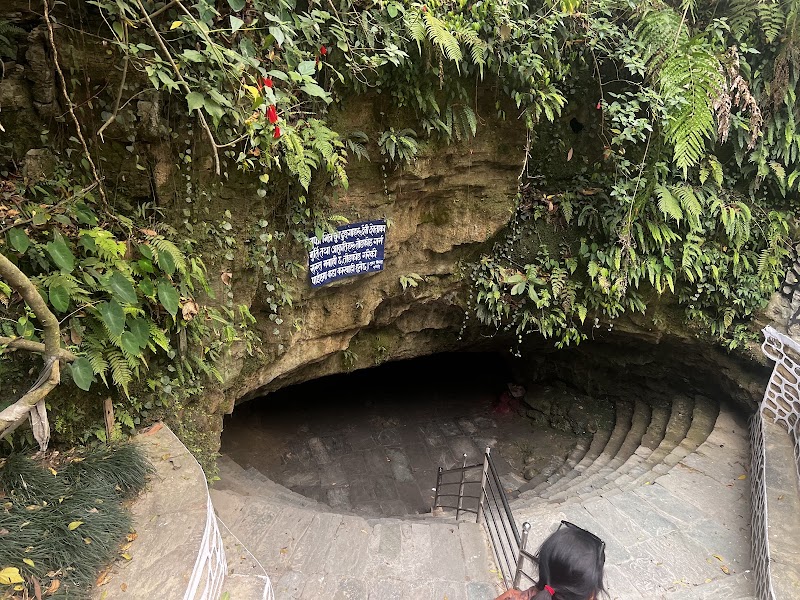
Mahendra Cave, a Short Underground Excursion in Pokhara
Mahendra Cave offers a cool, well-lit look at limestone formations, narrow passages and a small religious shrine north of Pokhara.
Nepal · Kathmandu
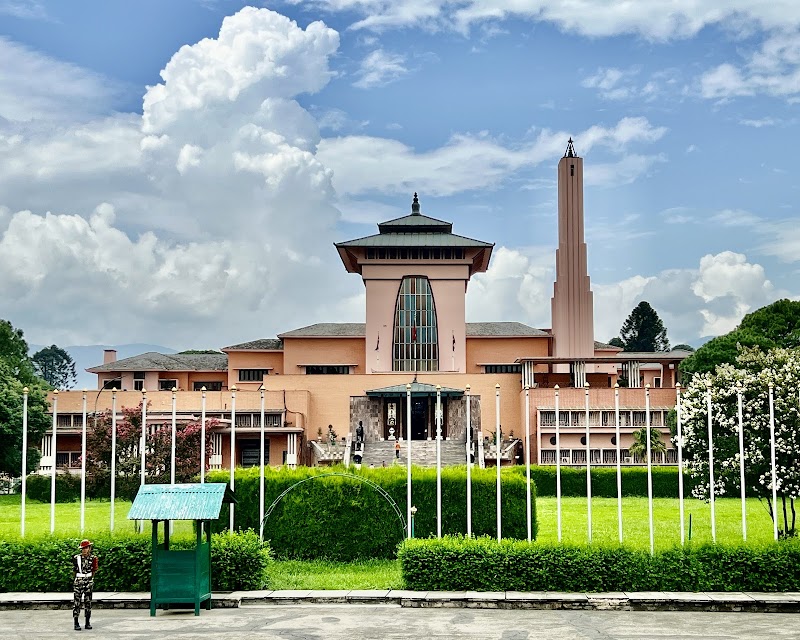
Narayanhiti Palace Museum: Kathmandu’s Royal Past
A preserved royal residence gives visitors a calm, room-by-room look at Nepal’s monarchy, political history and transition to a republic.
Nepal
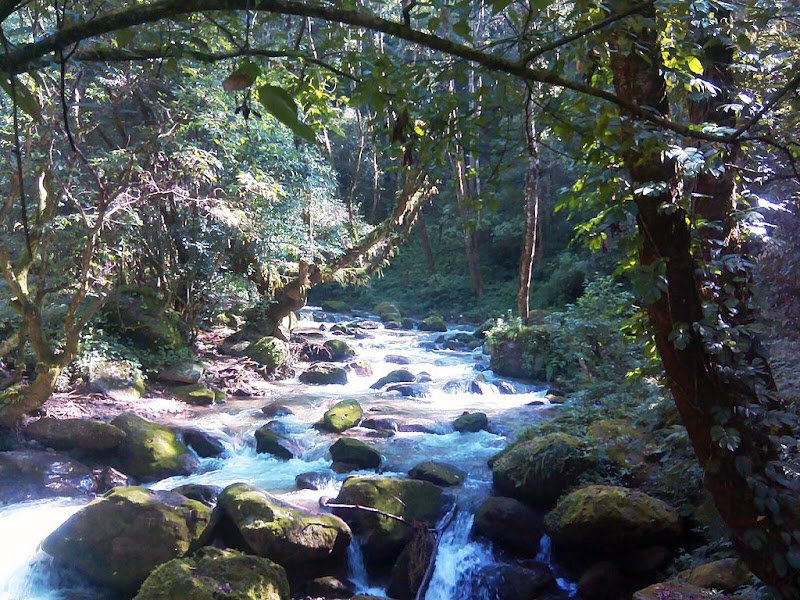
Shivapuri Nagarjun National Park: Green Trails Near Kathmandu
A peaceful hiking escape with forested paths, waterfalls and fresh mountain air, close enough to Kathmandu for a half-day outing.