Blidaru Fortress: A Forest Hike to Ancient Ruins
A steep woodland approach leads to Blidaru Fortress, where surviving stone walls reward travellers interested in history and quiet landscapes.
More photos

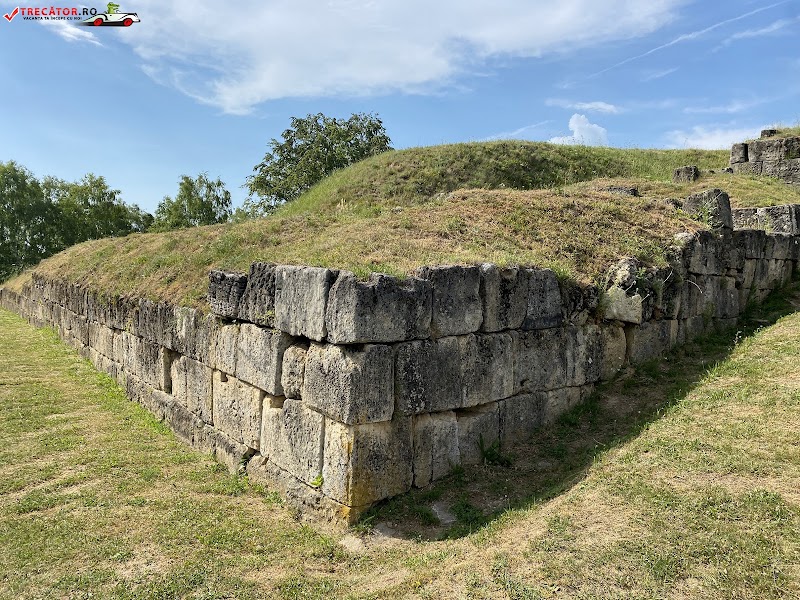
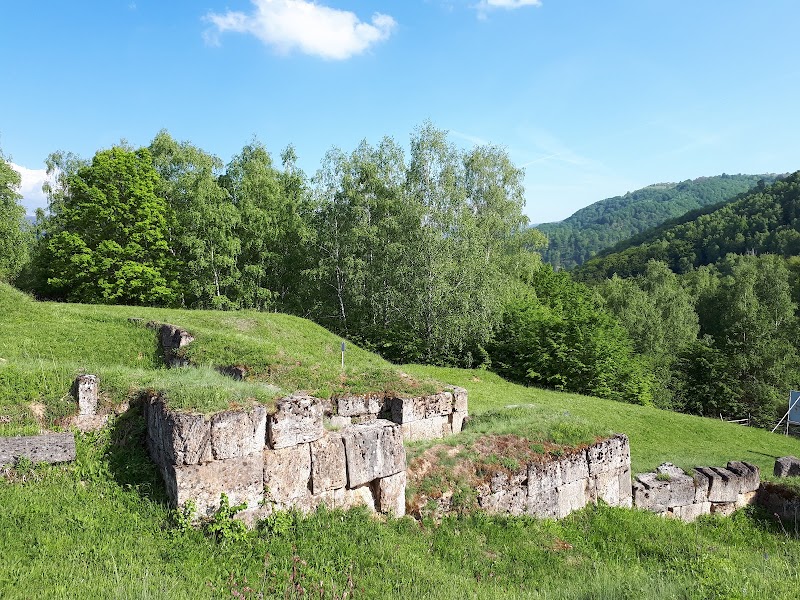
Photos published by travelers on Google, not AI generated.
What stands out
- Woodland hike from the valley
- Surviving stone walls
- Remnants of a tower
- Quiet hilltop setting
Worth knowing
- Steep sections on the approach
- Limited surviving structures
- Respect fences and access barriers
Don't miss
What comes up most in public reviews
- The forest route to the fortress
- The surviving stone walls
- The tower remnants
Worth the trip?
What the reviews suggest
Blidaru Fortress earns a Google rating of 4.7 from 374 reviews, with public feedback placing almost as much emphasis on the journey as on the archaeological remains. Travellers describe leaving their cars in the valley, near a bridge and restaurant, before continuing uphill on foot. One report estimates the walk at about 45 minutes, though perceptions of its difficulty vary.
Some reviewers call the hike fairly easy, while others find the hill steep and demanding in places. The common thread is a pleasant route through an attractive, mature forest. That wooded approach gives the visit much of its atmosphere and makes Blidaru feel more like a walking excursion than a quick roadside landmark.
At the fortress
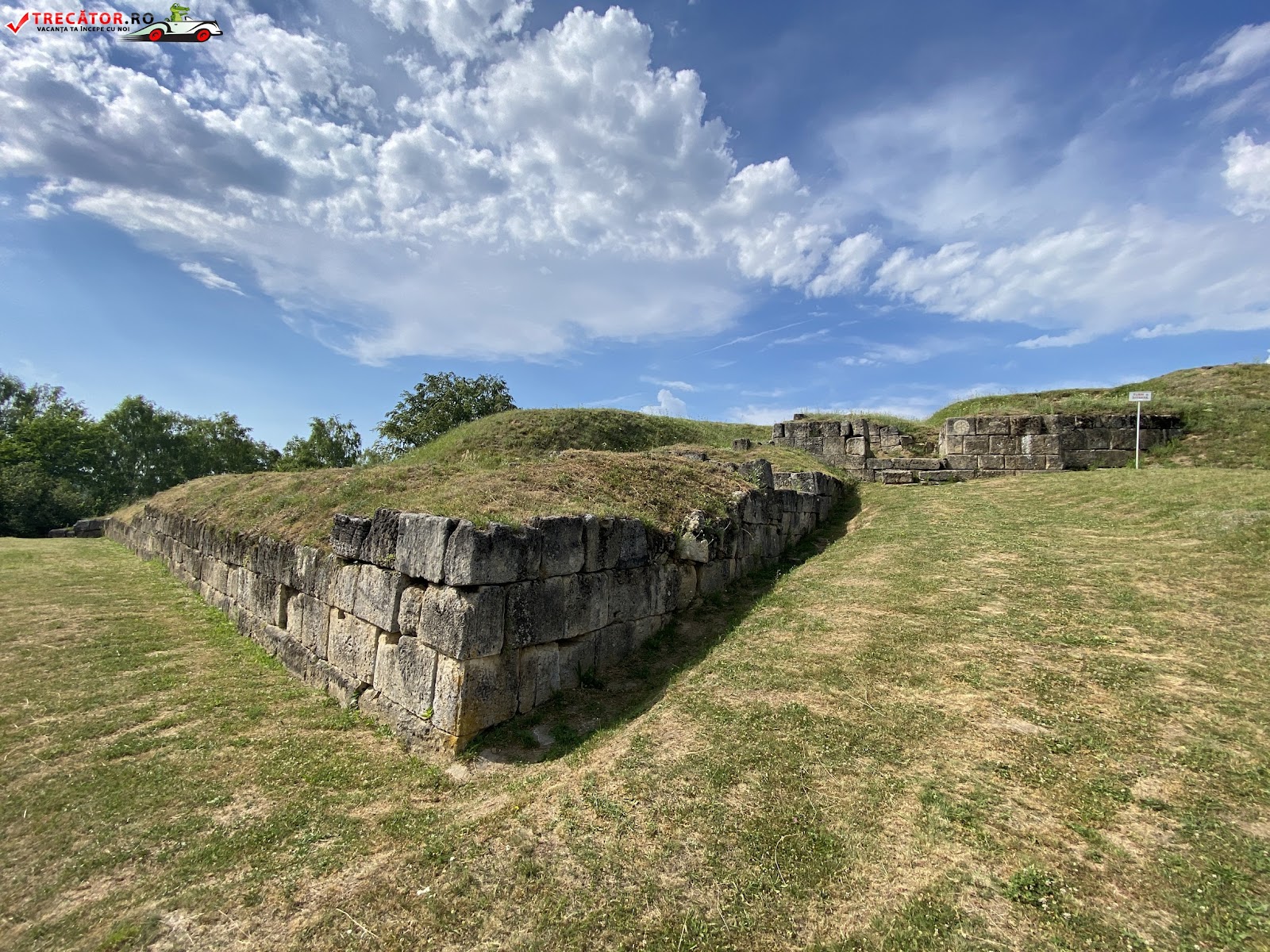
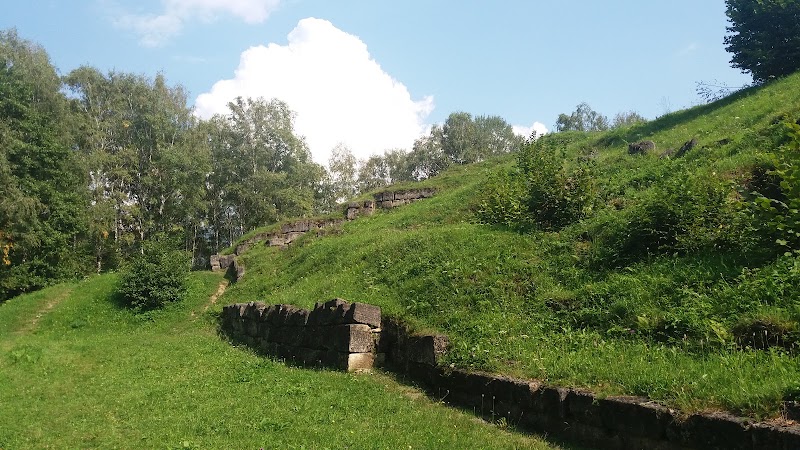
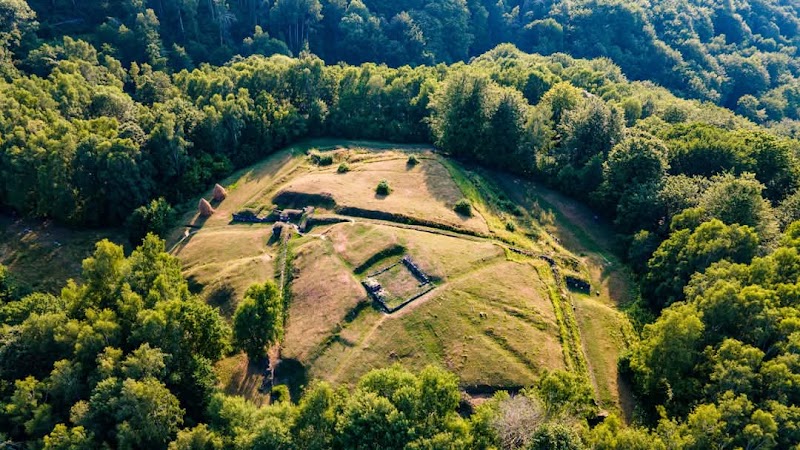
At the top, visitors encounter clear sections of stone wall, traces of former buildings and remnants of a tower. Reviews are positive about the historical character of the site, but they also set realistic expectations. The surviving structures are limited, and the views are described as pleasant rather than spectacular. Travellers looking for a large, highly reconstructed citadel may therefore find the remains modest.
For those interested in ancient history, the appeal lies in reading the shape of the place through its walls and fragments. Reviewers repeatedly describe the fortress as worthwhile despite the relatively small amount still standing. Its hilltop setting and the effort required to reach it add to the sense of discovery without needing elaborate visitor infrastructure.
One reviewer also points to a cistern near the large wall, beyond a wooden fence. Visitors should respect any barriers or access restrictions rather than crossing fencing. The main walls and tower remnants provide the clearest features mentioned consistently in feedback.
The woodland approach
The forest receives particularly warm praise. Reviewers note old trees, natural scenery and an enjoyable sense of quiet on the climb. One traveller mentions a tree whose shape resembles a wolf’s head and recalls the Dacian Draco, although this is an individual observation rather than a marked attraction.
The trail’s steepness is the main practical concern. Suitable walking footwear and enough time for an unhurried ascent and descent would make the outing more comfortable. The available accounts do not establish the condition of the route in wet weather, so travellers should assess local conditions before setting out.
Verdict
Blidaru Fortress works best for active travellers who enjoy combining a forest walk with understated historical remains. The citadel itself is not presented in reviews as extensive or visually dramatic, but its stone walls, tower traces and isolated setting create a satisfying destination at the end of the climb.
The consistently strong public rating suggests that most visitors consider the effort worthwhile. The experience is likely to suit hikers, history enthusiasts and travellers comfortable with a moderately strenuous approach. Those primarily seeking panoramic views or a dense concentration of preserved structures may want to adjust expectations. Allowing half a day gives the woodland route and the ruins enough space to be appreciated without rushing.
Ask anything
Looking for somewhere else?
Keep exploring
More from Romania
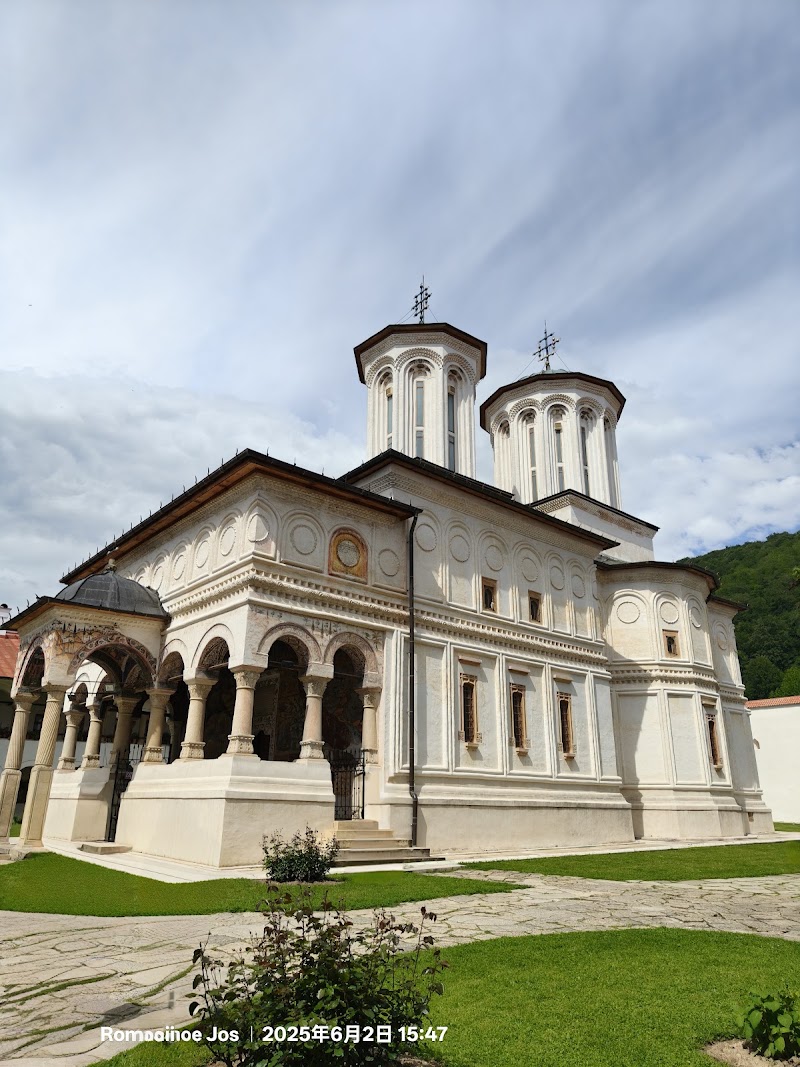
Romania · Romanii de Jos
Hurezi Monastery: Brâncovenesc art in a peaceful setting
Historic architecture, richly painted surfaces and tranquil grounds make Hurezi Monastery one of the area’s most rewarding cultural landmarks.
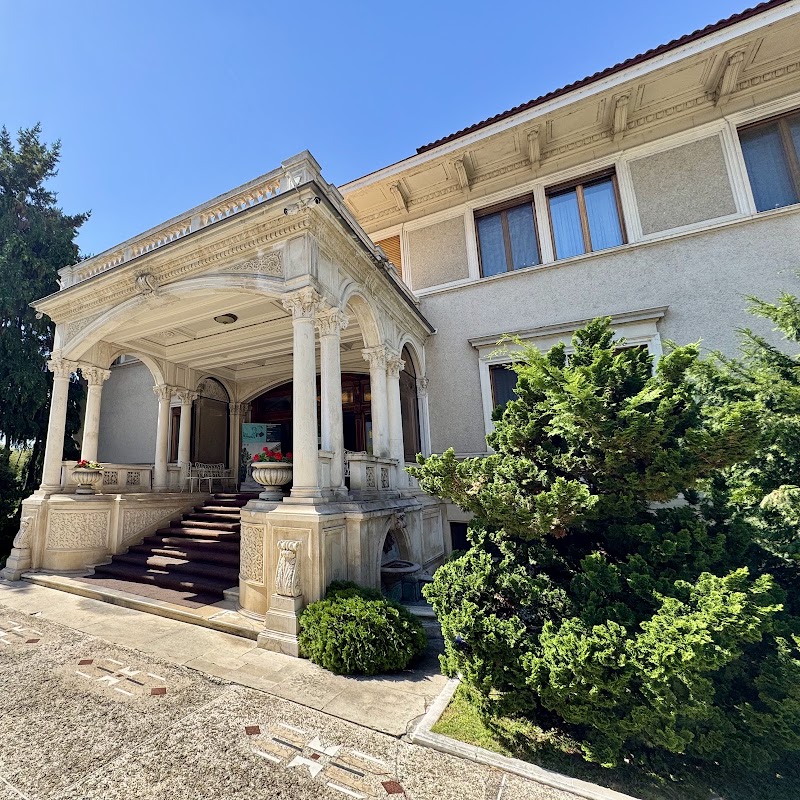
Romania · București
Ceaușescu House: luxury, history and an uneven tour
Bucharest’s Primăverii Palace exposes the Ceaușescu family’s lavish private world, although the quality of its compulsory guided tours can vary.
Romania · Bonțida
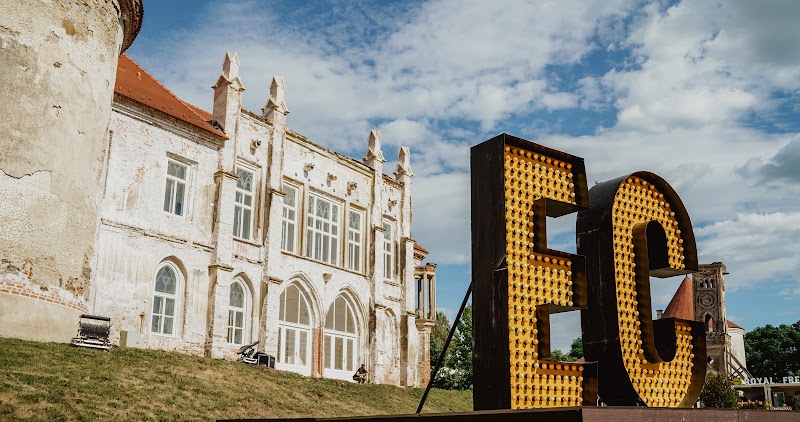
Electric Castle: Music and Festival Energy in Bonțida
Electric Castle pairs major live performances with a friendly festival atmosphere, though transport to and from Bonțida attracts recurring criticism.
Romania · București
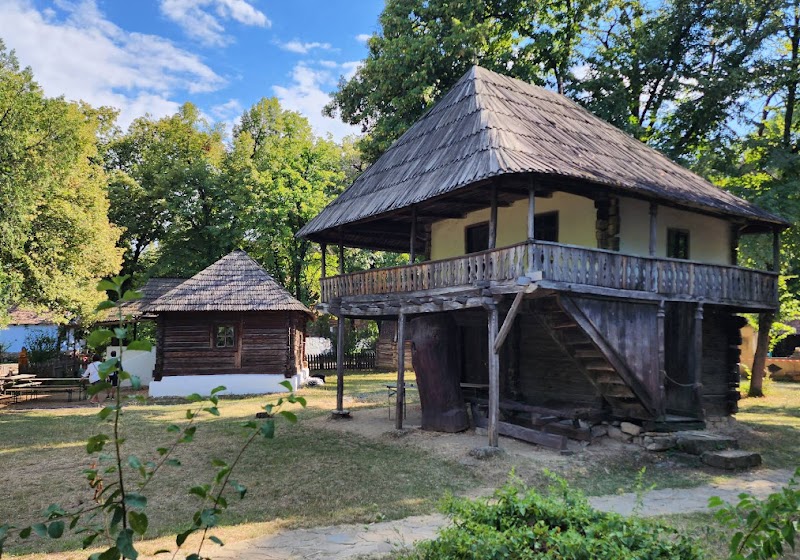
Romanian village life, preserved in the capital
This expansive open-air museum brings together traditional homes, churches, farms and windmills from across Romania.