Bhaktapur Durbar Square: Temples, Carvings and City Life
Historic temples, intricate woodwork and lived-in streets make Bhaktapur Durbar Square more than a collection of monuments.
More photos
Photos published by travelers on Google, not AI generated.
What stands out
- Intricate wood carvings
- Historic temples and streets
- Lived-in heritage atmosphere
- Rooftop cafés and local food
- Distinctive town layout
Worth knowing
- Bargaining may be needed for souvenirs
Don't miss
What comes up most in public reviews
- 55-Window Palace
- Vatsala Temple
- Juju Dhau, or King Curd
- A rooftop café
- The surrounding historic streets
Worth the trip?
Why it stands out
This assessment is synthesized from Bhaktapur Durbar Square’s 4.6 Google rating from 24097 reviews and the recurring themes in public traveller feedback. Reviewers consistently describe a place rich in history, craftsmanship and local atmosphere. Even travellers who arrive feeling weary of temple visits report being drawn in by the architecture and the layout of the wider town.
Its strongest quality is the sense that heritage and everyday life occupy the same space. Historic buildings are not presented only as static exhibits. Reviewers notice residents living nearby, shops operating along old streets and cafés providing places to pause. That combination gives the square more texture than a monument-only visit.
Architecture and historic character
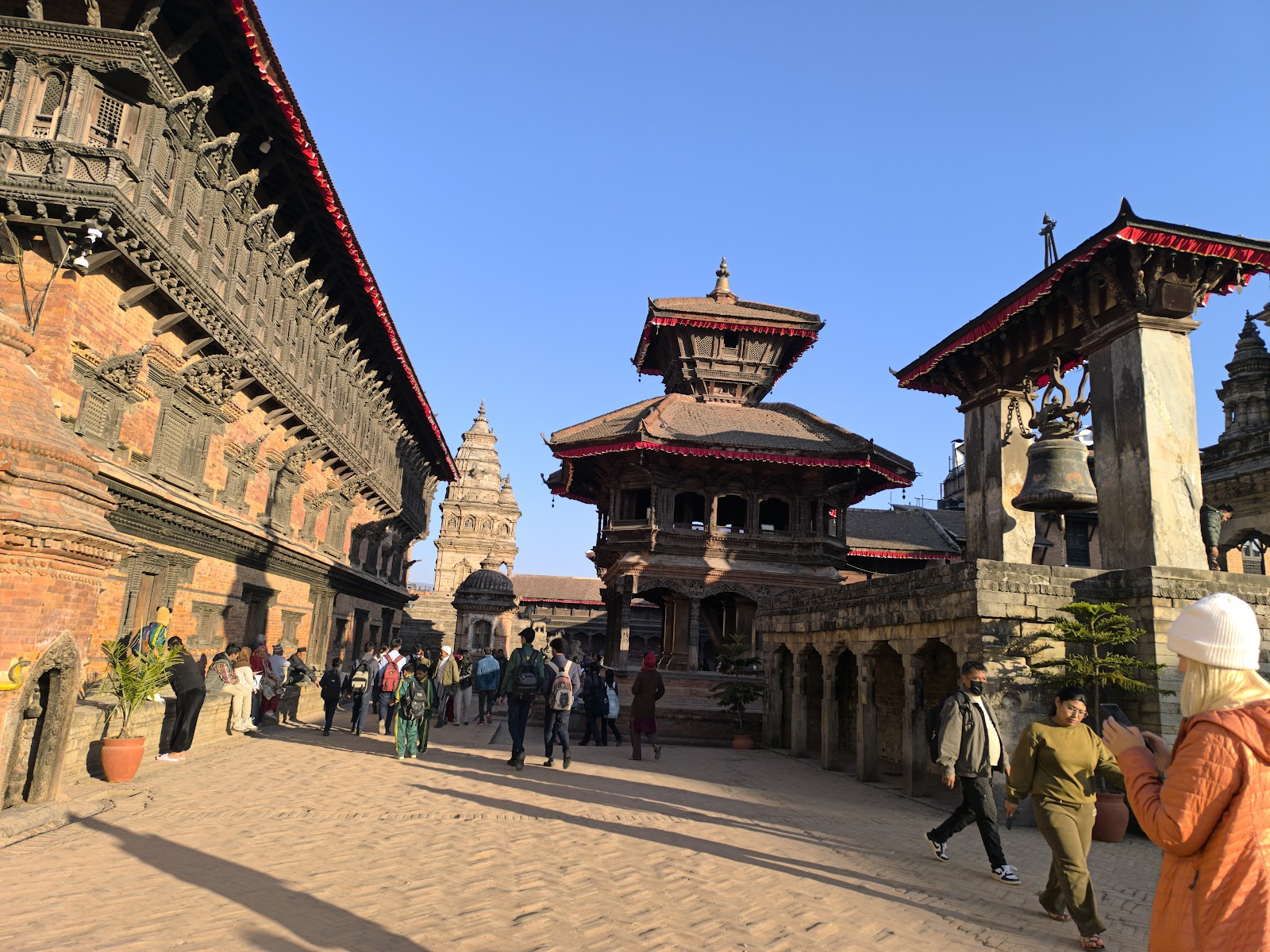
Temples, centuries-old buildings and detailed wood carvings dominate the visual experience. Public reviews frequently praise the craftsmanship and the way the structures fit together across the square and surrounding streets. The 55-Window Palace and Vatsala Temple are specifically identified as highlights, while the wider architecture is associated with Bhaktapur’s Malla-era history.
The appeal extends beyond individual landmarks. Several reviewers focus on the overall townscape, describing the buildings and street layout as distinctive and well maintained. Wandering slowly appears to be more rewarding than rushing between named sights. Courtyards, façades, carved details and historic houses all contribute to the visit, particularly for travellers interested in architecture or photography.
Food, shops and local atmosphere
The surrounding streets add much of the experience. Reviews point to small shops, local food and rooftop cafés as reasons to spend longer in Bhaktapur rather than treating the square as a quick stop. Juju Dhau, commonly called King Curd in the reviews, is the food item most clearly recommended. A rooftop break also offers a relaxed counterpoint to walking among temples and historic streets.
Shopping requires more care. One recurring practical message is that visitors may need to bargain, especially for souvenirs such as singing or musical bowls. Initial asking prices can be considerably higher than the final amount accepted, so calm negotiation is sensible. The reviews do not suggest avoiding the shops, only approaching purchases with patience.
How long to allow
Half a day gives enough time to see the main architecture, inspect carvings, wander the adjoining streets and stop for food. Travellers with a strong interest in Nepalese history, urban heritage or photography may want longer. Several reviews express a wish to return or spend more time exploring, which suggests that the square rewards an unhurried pace.
The overall verdict is highly positive. Bhaktapur Durbar Square works best as a broad cultural district rather than a checklist of temples. Its architecture provides the initial draw, but the lived-in streets, local businesses and relaxed opportunities to eat and observe daily activity are what make the experience feel complete.
Plan the rest of the trip
Ask anything
Looking for somewhere else?
Keep exploring around Bhaktapur
More from Nepal
Nepal · Jomsom
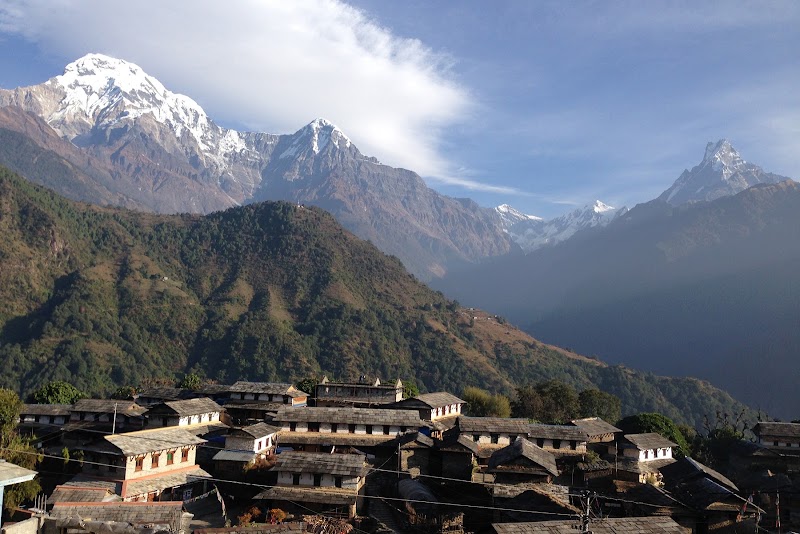
Annapurna Conservation Area: High Trails and Sacred Sites
Mountain panoramas, demanding trails and the pilgrimage site of Muktinath shape traveller impressions of this vast Himalayan region.
Nepal · Muktinath
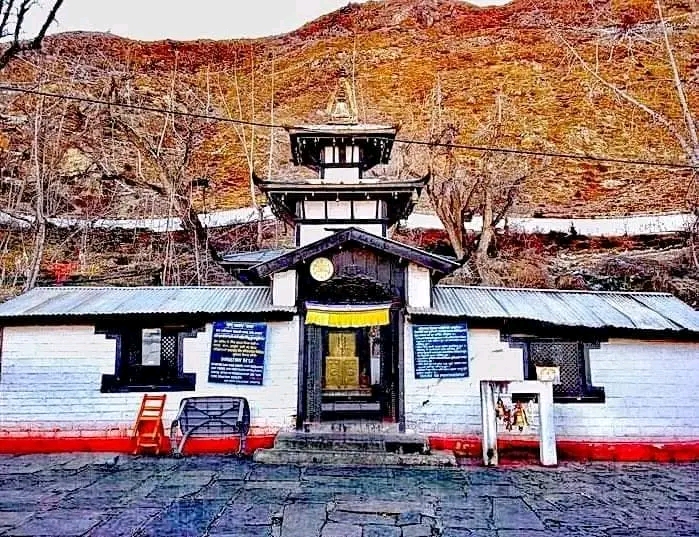
Muktinath Temple: Sacred Rituals in the Himalayas
A revered Hindu and Buddhist pilgrimage site known for its 108 icy waterspouts, mountain scenery and deeply peaceful atmosphere.

Nepal · Kathmandu
Bhedasing: Kathmandu Street Life and Newari Character
A crowded Kathmandu locality where street markets, clothing stalls, local food and traces of Newari architecture shape the experience.
Nepal · Pokhara
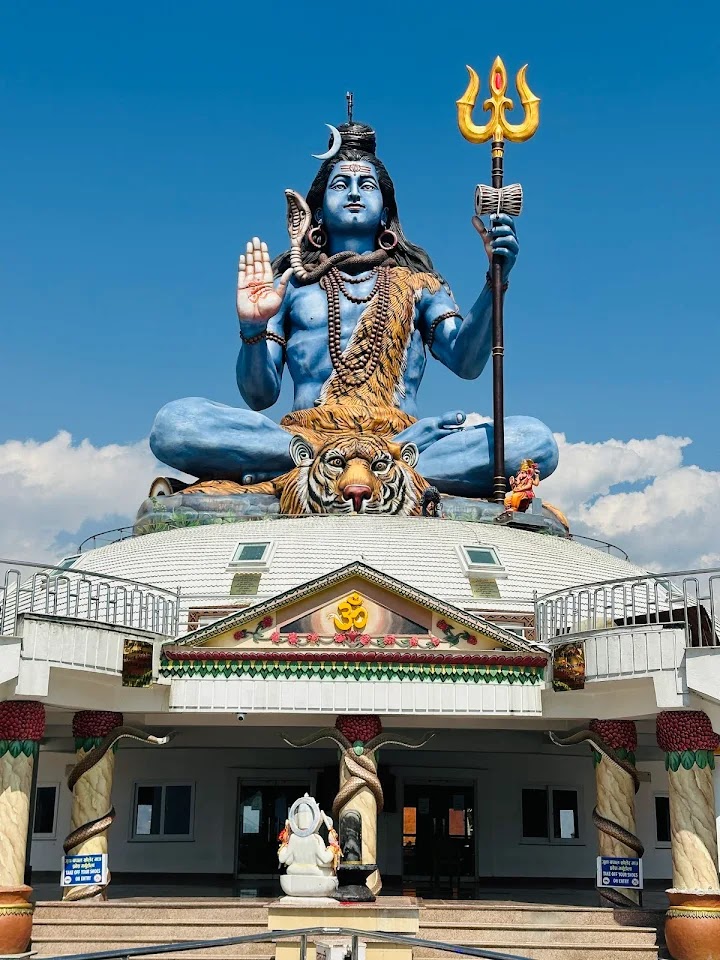
Pumdikot Shiva Statue: Peaceful Views Above Pokhara
A monumental Shiva statue, spiritual atmosphere and broad views over Pokhara make this hilltop attraction a rewarding short excursion.