Ban Xang Hai: a candid Mekong tour stop
Known as Whiskey Village, Ban Xang Hai combines rice-spirit demonstrations, craft stalls and village life on the boat route to Pak Ou Caves.
More photos
Photos published by travelers on Google, not AI generated.
What stands out
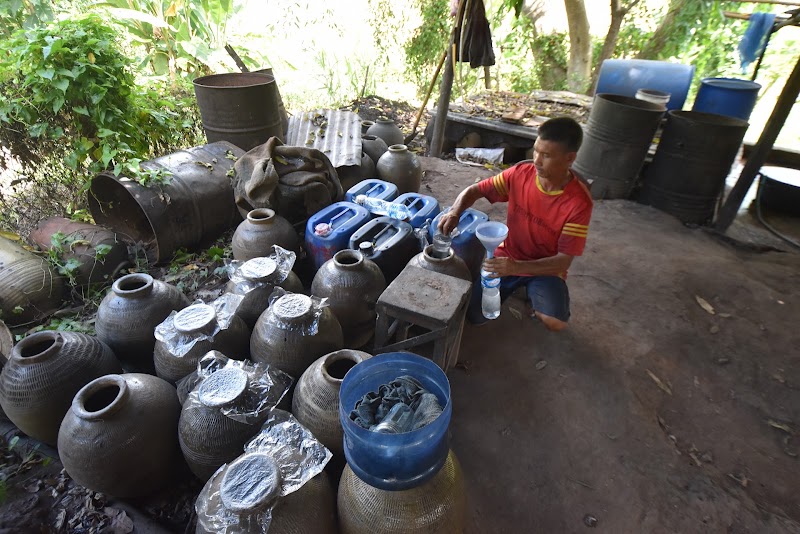
- Rice-whisky distillation demonstration
- Optional spirit tastings
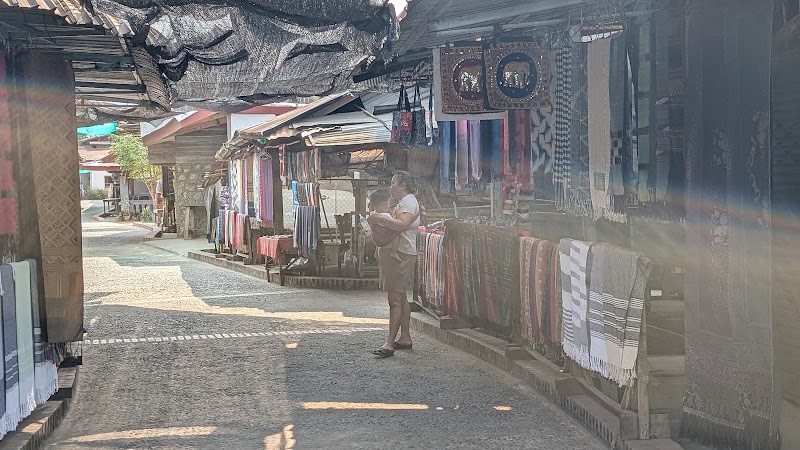
- Market stalls selling woven scarves
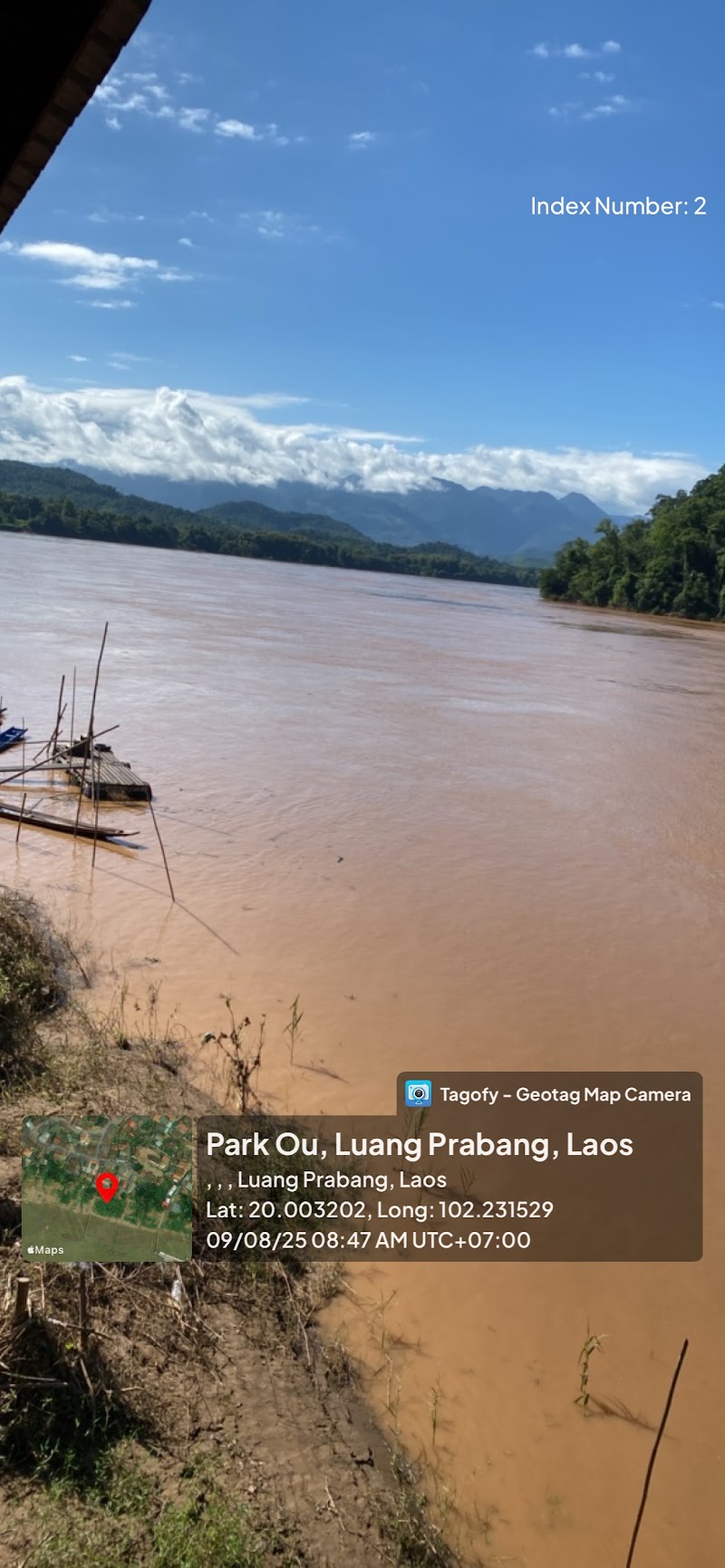
- Quiet village surroundings
Worth knowing
- Often included as a structured boat-tour stop
- Concerns around home-distilled alcohol
- Some visitors find it overly commercial
Don't miss
What comes up most in public reviews
- Watch the rice-whisky distillation process
- Browse the scarf and textile stalls
- Ask how the rice spirits are produced
Worth the trip?
The overall verdict
Ban Xang Hai is best understood as a short cultural and shopping stop rather than a standalone reason to travel up the Mekong. Public feedback, reflected in its Google rating of 4 from 566 reviews, is divided between travellers who value the glimpse of village life and those who regard the stop as a tourist trap built into Pak Ou Caves excursions.
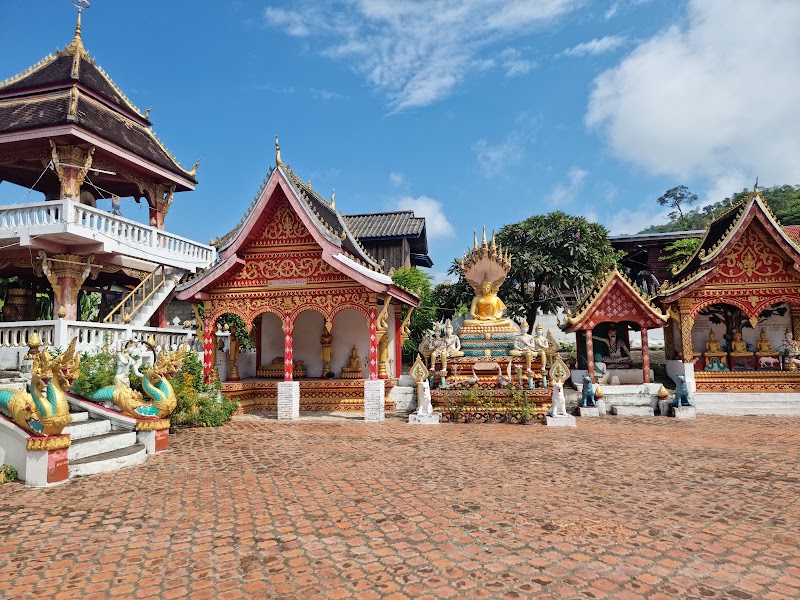
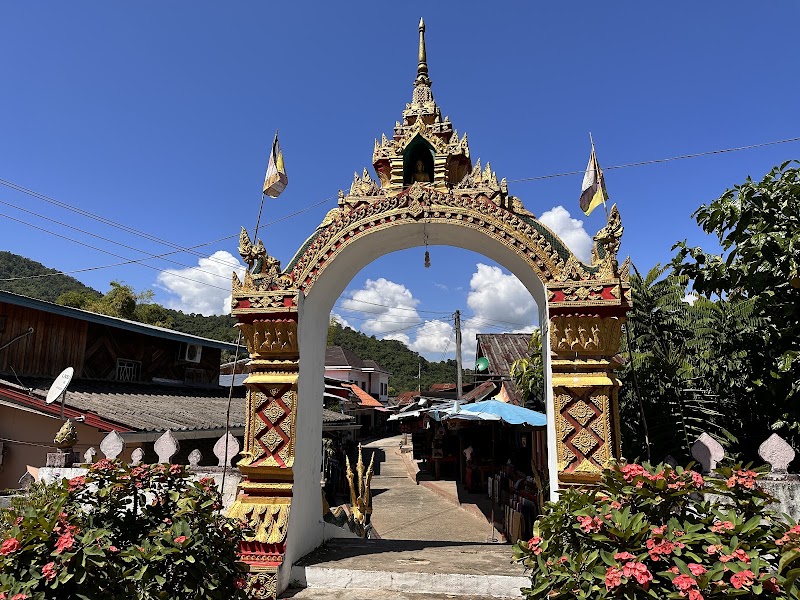
The village is commonly known as Whiskey Village because visitors can see locally made rice spirits being distilled and may be invited to sample them. Reviews also describe a market selling woven scarves and other goods, along with a temple that can be explored during the stop. There is no strong indication in the supplied feedback that a café is the main attraction. The experience centres instead on alcohol production, stalls and a brief walk through the settlement.
What visitors tend to enjoy
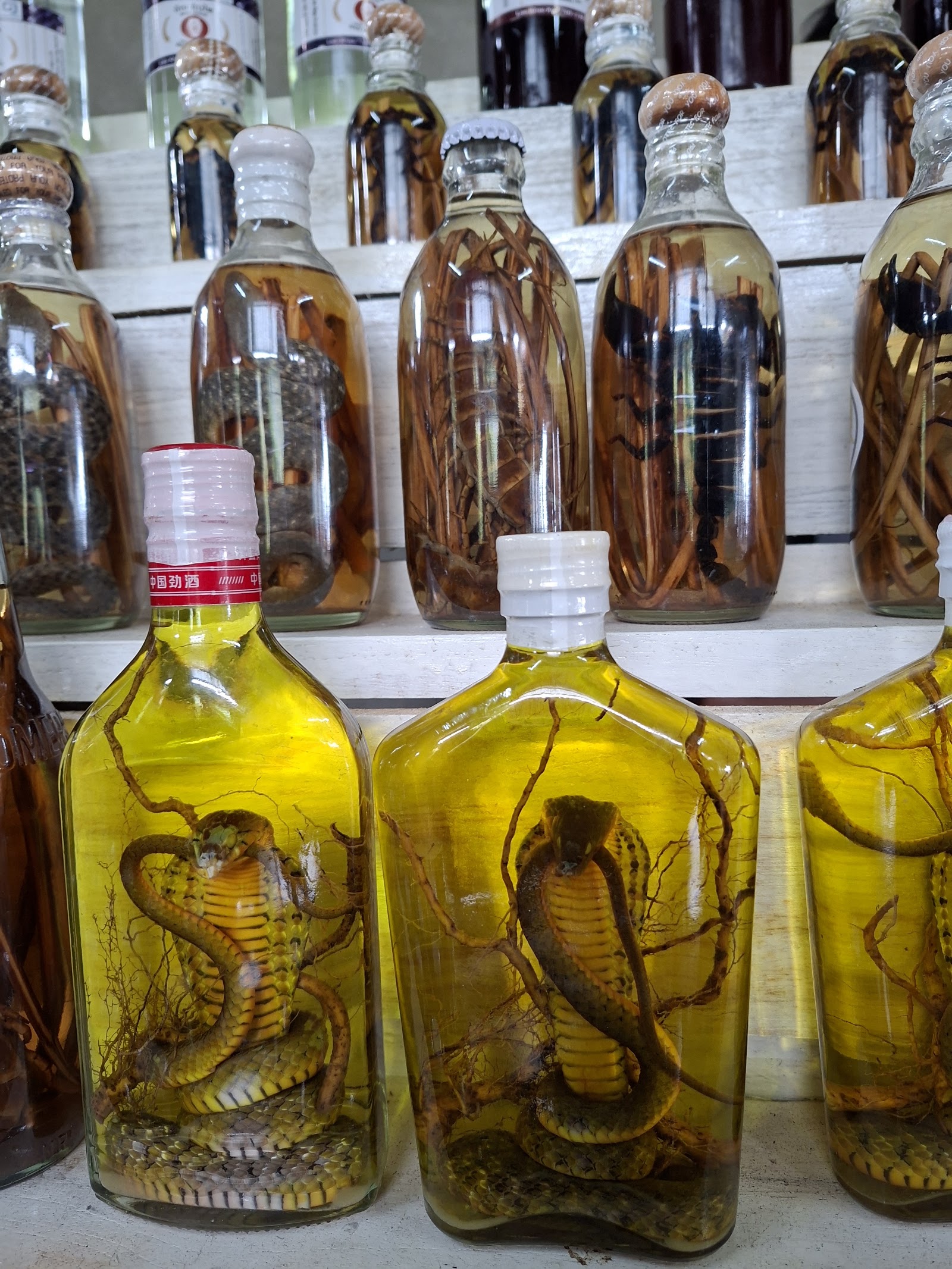
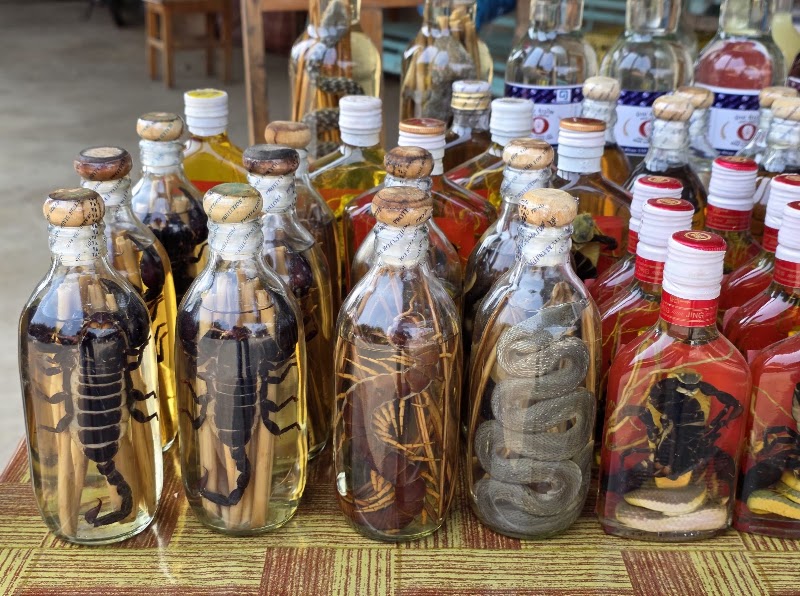
The rice-whisky demonstration is the clearest point of interest. Several reviewers mention seeing the distillation process, hearing an explanation and tasting different versions. Clear bottles containing snakes or scorpions attract attention, although curiosity rather than flavour seems to be much of their appeal.
Travellers also respond positively to the village’s relaxed sales approach. One reviewer appreciated that sellers did not apply pressure to buy, while another viewed purchasing whisky or textiles as a direct way to support local residents. The market provides an opportunity to browse scarves and other locally sold items as visitors walk through the village.
For those interested in everyday surroundings rather than polished attractions, Ban Xang Hai can offer a more candid impression of rural Lao life. Some reviews describe the village as quiet and affected by visible poverty and scarcity. That context calls for respectful behaviour and careful photography rather than treating the community solely as a themed tour stop.
Why expectations matter
The most frequent criticism is that boat tours include Ban Xang Hai as a compulsory or heavily structured stop on the way from Luang Prabang to Pak Ou Caves. Travellers with little interest in rice spirits or souvenir stalls may find the visit commercial and unnecessary. The range of activities also appears limited, so it works better as a brief pause within a wider river trip than as a destination for an extended outing.
Home-distilled alcohol is another concern raised in the reviews. Sampling is not obligatory, and anyone uncertain about ingredients, production standards or personal tolerance can simply observe the process. Bottles containing preserved animals may also be confronting for some visitors.
How to approach the stop
Ban Xang Hai suits curious travellers already taking an Upper Mekong boat tour. A balanced visit would include watching the distillation, browsing the market and looking around the temple without assuming a purchase is required. Those who do buy can ask about how an item was made and who produced it.
Visitors carrying alcohol onward should check current transport rules before boarding a train or other service. One review mentions restrictions on opening bottles during rail travel, but policies can change. Overall, Ban Xang Hai is a worthwhile contextual stop for some and an overly commercial interruption for others. Its appeal depends heavily on expectations, interest in rice-whisky production and willingness to engage respectfully with the village beyond its stalls.
Ask anything
Looking for somewhere else?
Keep exploring around Sang Ha
More from Laos
Laos
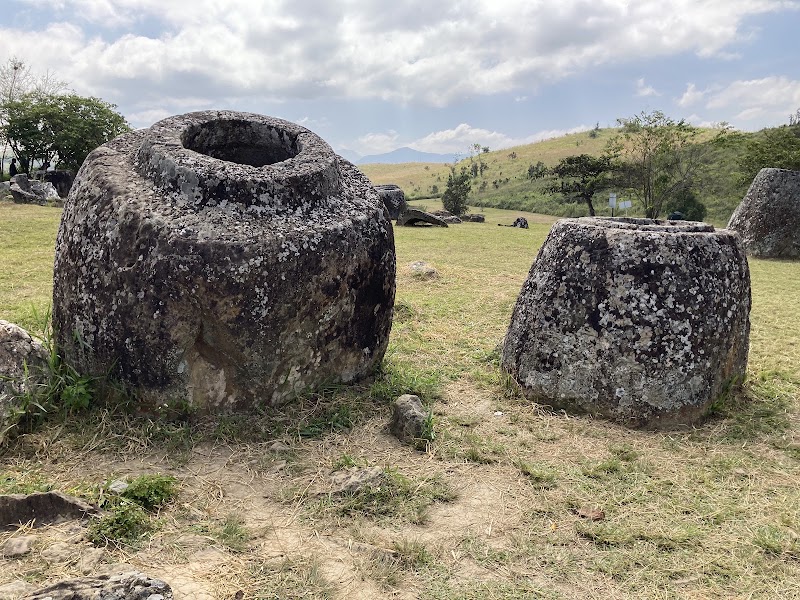
Plain of Jars: Ancient Stonework and Modern Scars
Laos’s largest and most visited jar site pairs mysterious ancient artefacts with visible reminders of the region’s 1960s conflict.
Laos · Luang Prabang
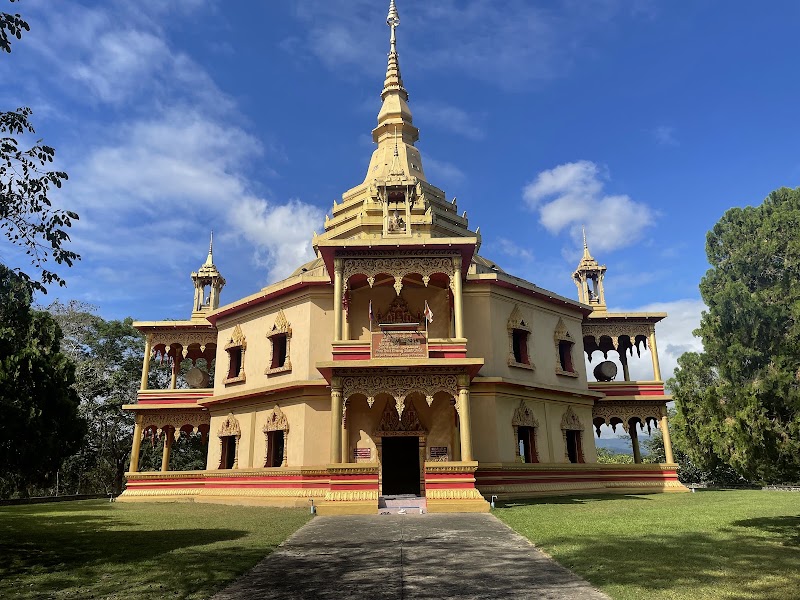
Wat Pa Phon Phao: Five Floors of Murals and Quiet
This distinctive Luang Prabang temple rewards the walk from the centre with layered interiors, affecting murals and balcony views.
Laos · Luang Prabang
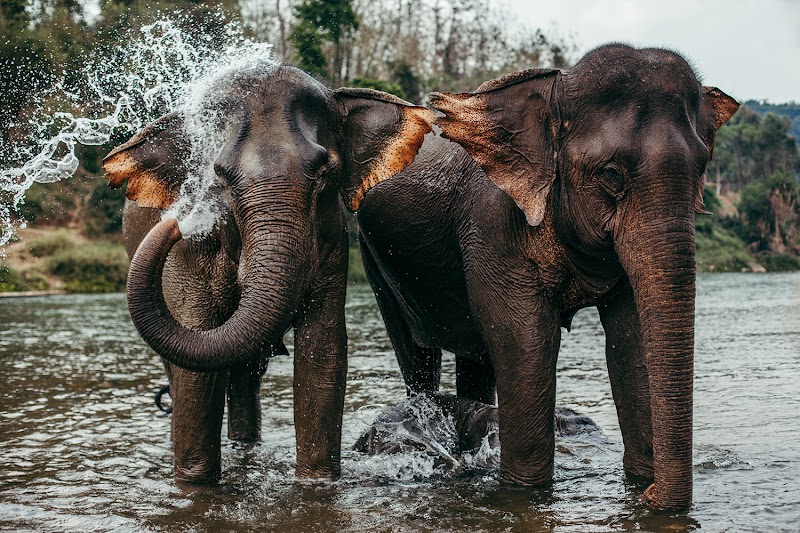
MandaLao Elephant Conservation: Forest Walks With Elephants
Public reviews praise MandaLao for welfare-focused elephant encounters, knowledgeable guides and tranquil walks through forest and river landscapes.
Laos · Vientiane
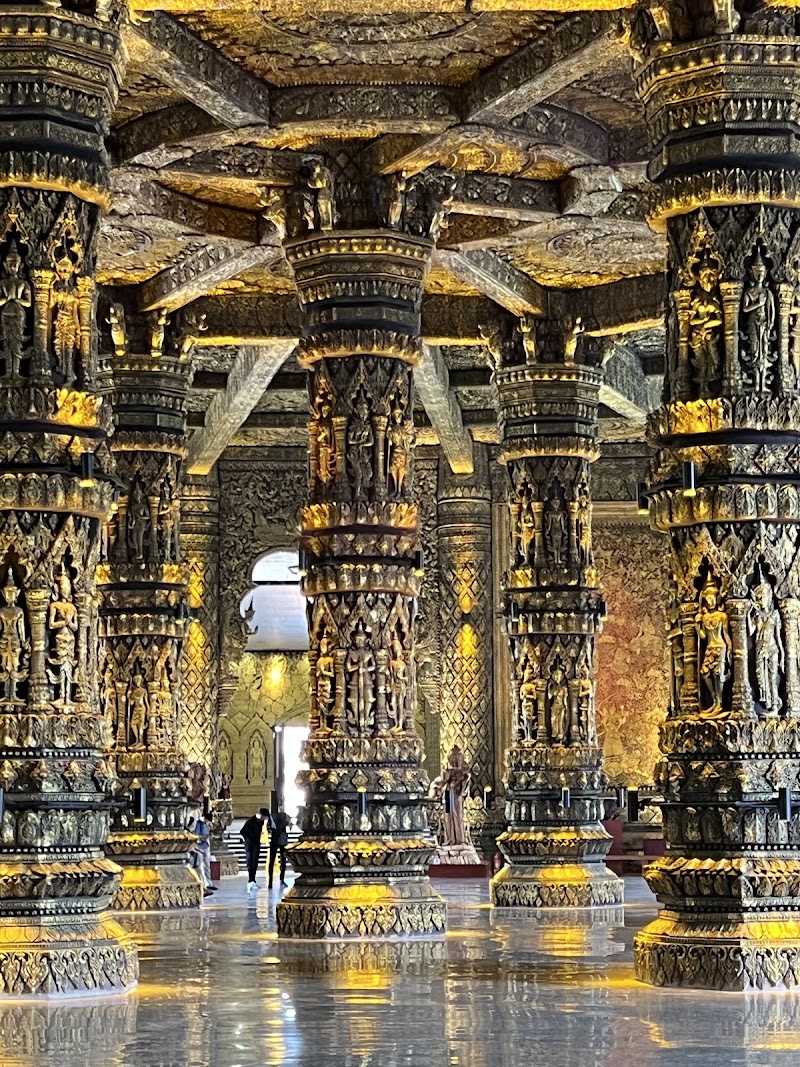
Lao Art Museum: Monumental art and architecture
Large, serene galleries, striking architecture and intricate wooden works make this museum a compelling cultural stop outside central Vientiane.