Kumu Art Museum: Estonian art in a striking setting
Tallinn’s Kumu pairs centuries of Estonian art with contemporary installations, spacious galleries and architecture that complements Kadriorg Park.
More photos


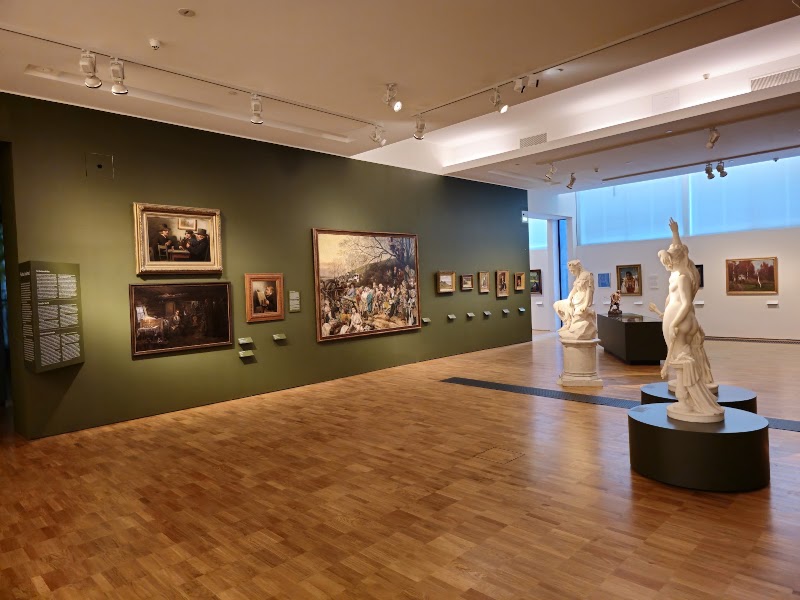
Photos published by travelers on Google, not AI generated.
What stands out
- Estonian art from the 18th century onward
- Soviet-period and contemporary exhibitions
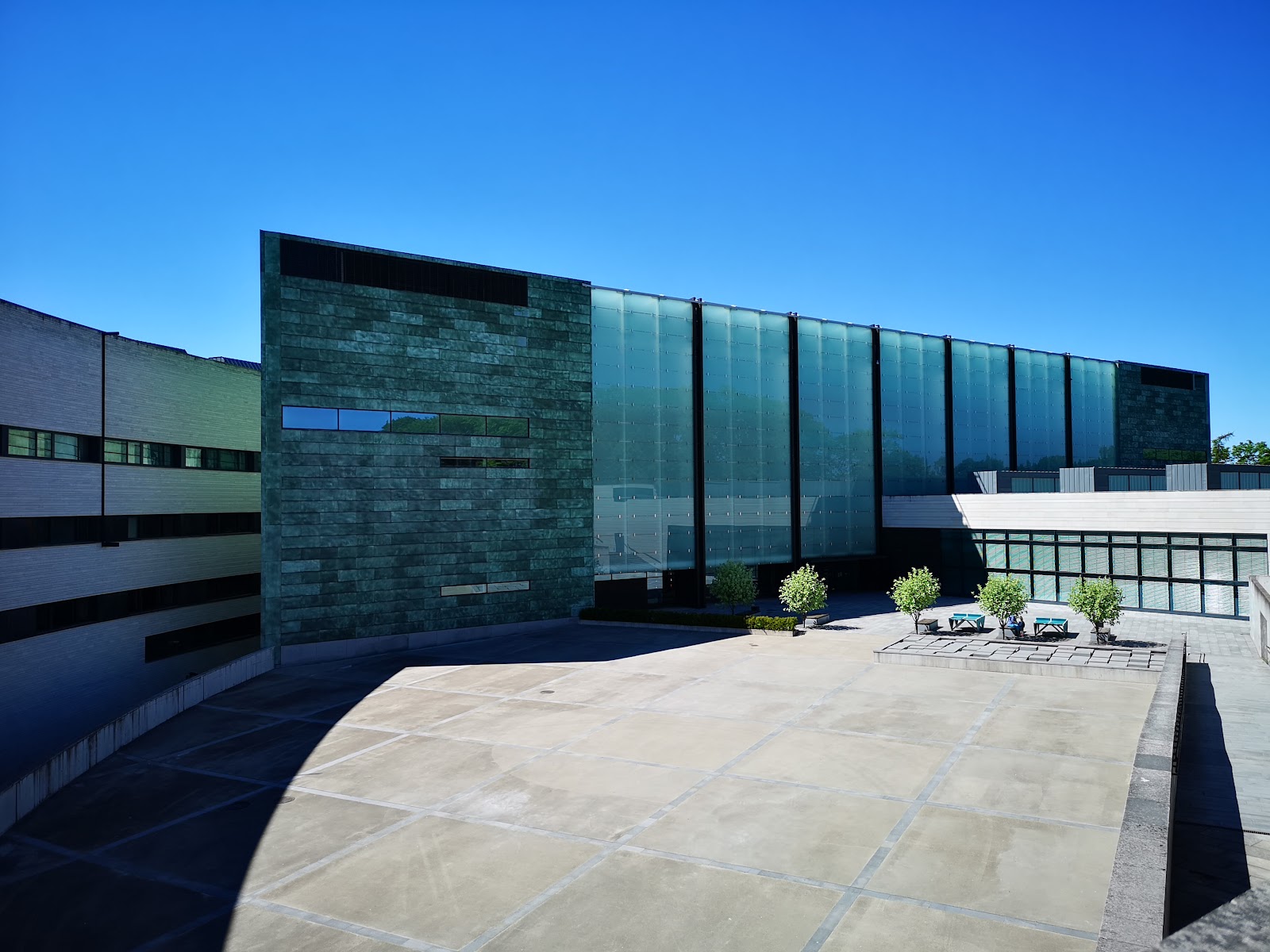
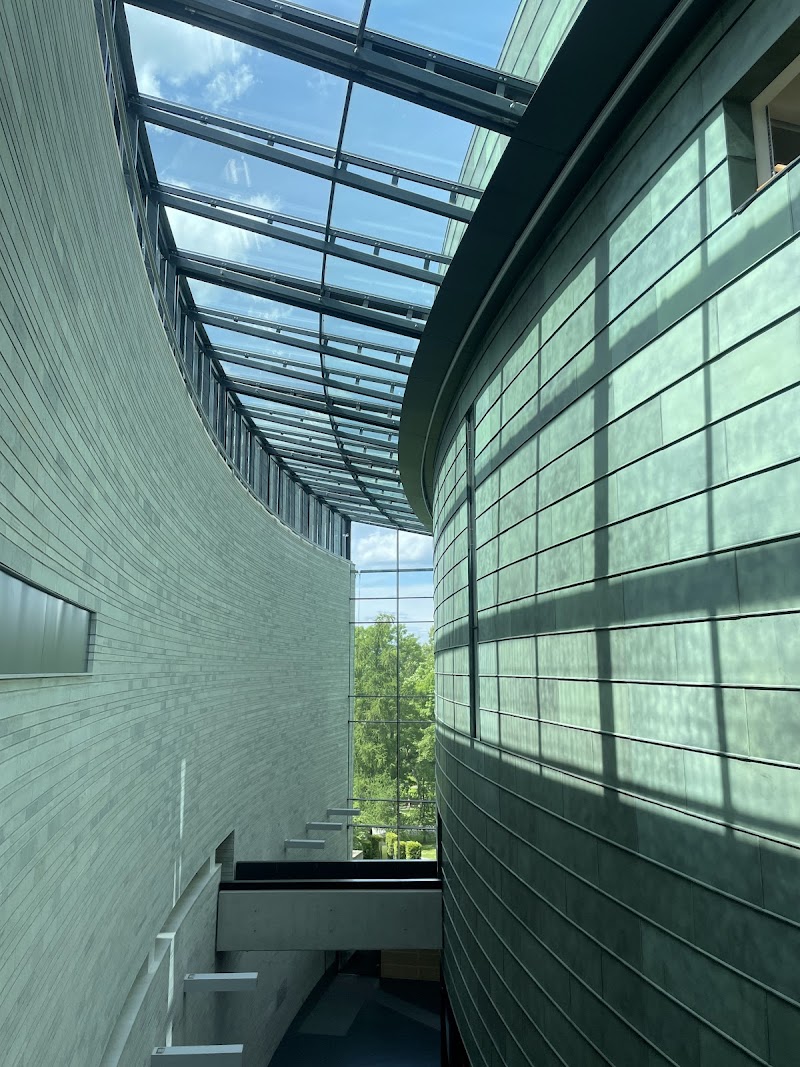
- Impressive modern architecture
- Spacious, well-laid-out galleries
- Innovative children’s area
Worth knowing
- Several floors require time to explore
- Experimental and AI-based works may divide opinion
Don't miss
What comes up most in public reviews
- The Soviet-period art
- Contemporary immersive installations
- The museum architecture
- Kadriorg Park and Palace
- The children’s area
Worth the trip?
Why visit Kumu
Public ratings and reviews place Kumu Art Museum among Tallinn’s strongest cultural attractions, especially for anyone hoping to understand Estonia through visual art. The numbers reflect that enthusiasm: a Google rating of 4.7 from 6072 reviews. Visitors praise the collection’s scale, but the modern architecture draws nearly as much attention. For many, the building is an attraction in its own right.
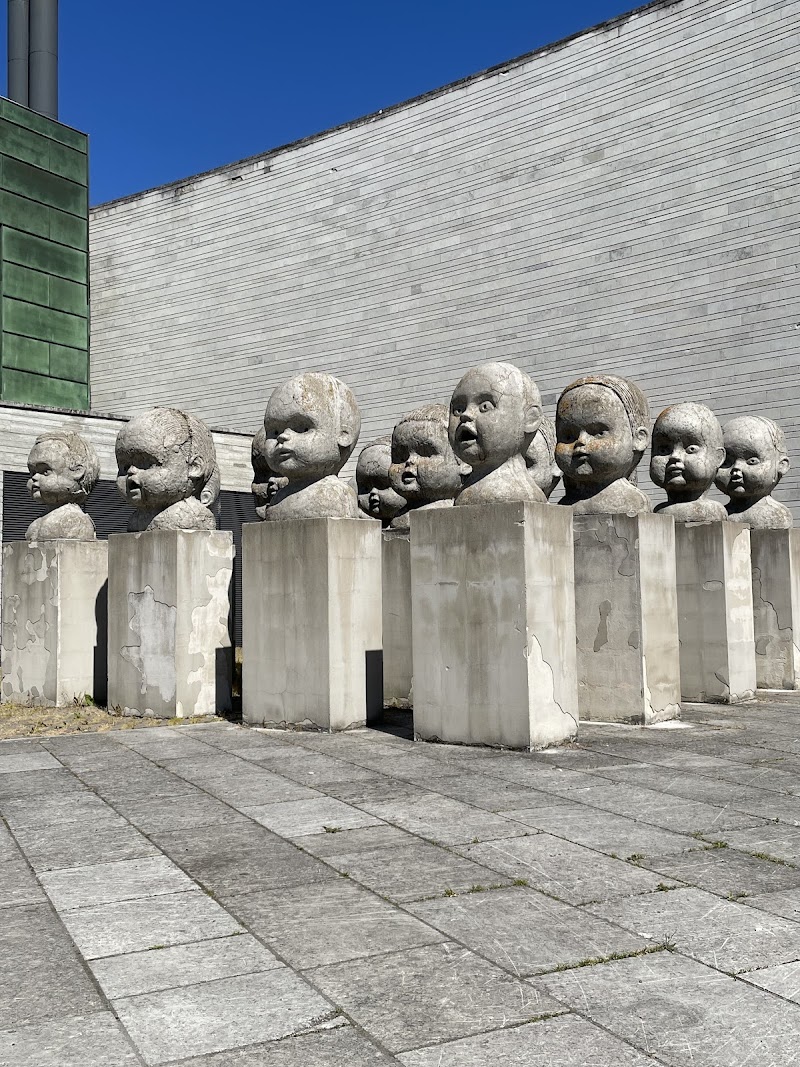
The galleries span several floors and cover Estonian art from the 18th century to the present. The range comes up often in traveller feedback. Traditional portraits and busts appear alongside Soviet-period works, contemporary exhibitions and international art. It is not only a museum for committed gallery-goers. Reviews indicate that visitors with little prior knowledge of Estonian art still find the displays informative, and at times emotionally resonant, particularly when they explore the country’s history and resilience.
What the experience is like
Kumu is widely described as spacious and well organised, a museum best explored without rushing. Reviewers like the layout and the shifts between floors, where periods, styles and media change the pace of a visit. Several also remark that Kumu feels less crowded than comparable major museums. That leaves more room to stop and look.
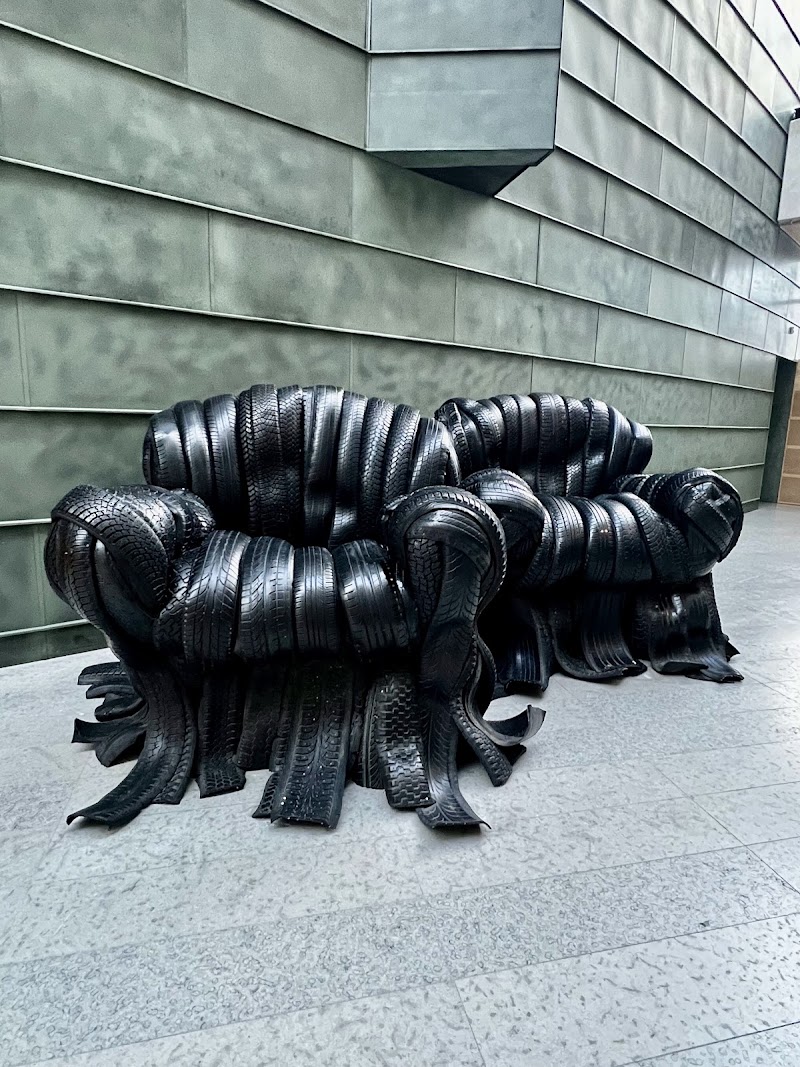
Contemporary displays may bring immersive light and audio installations, virtual-reality elements and other experimental formats into the same visit as more traditional media. They add variety, though responses to the most technology-led work are naturally subjective. One reviewer enjoyed the immersive elements, for example, but found pieces involving artificial intelligence less convincing.
There is a case for families, too. Reviews single out an innovative children’s area, while creative presentation methods can make conventional portraits and sculpture feel more approachable. The on-site cafe earns a positive mention as well, providing a practical place to pause during a longer visit.
Planning a visit
Public feedback recommends allowing at least an hour. Anyone interested in several periods of Estonian art could easily remain much longer. With multiple floors, permanent-looking historical displays and contemporary exhibitions, Kumu works better as the focus of a morning or afternoon than as a hurried stop.
A visit combines naturally with Kadriorg Park and Kadriorg Palace. Reviewers repeatedly praise the way the modern building sits in the surrounding park, so the approach and exterior are worth noticing, not merely passing through on the way to the galleries. Together, the museum, park and palace can form a broader half-day exploration of the Kadriorg area.
Travellers staying near Tallinn’s Old Town may find public transport the more convenient option, and reviewers describe it as readily accessible. This is worth building into the day’s schedule, particularly when Kumu is paired with the park and palace.
Editorial verdict
Taken together, public ratings and traveller reviews describe a polished, substantial museum with unusual depth. Its main strength lies in bringing Estonia’s artistic history, Soviet-period experience and contemporary culture into a coherent visit. The architecture, park setting and varied exhibition formats widen its appeal, but the scale calls for more than a token stop. For art lovers, Kumu is a priority. For other Tallinn visitors, it remains one of the clearest cultural introductions to the country.
Ask anything
Looking for somewhere else?
Keep exploring around Tallinn
More from Estonia
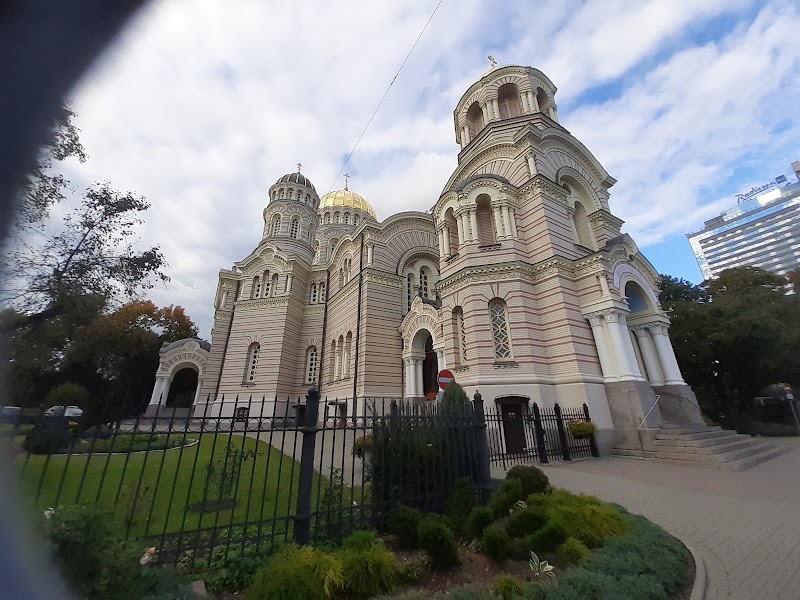
Estonia · Riga
Riga’s UNESCO historic centre rewards unhurried walks
Medieval streets, Art Nouveau architecture and a well-preserved Old Town make central Riga especially rewarding for travellers who enjoy exploring on foot.
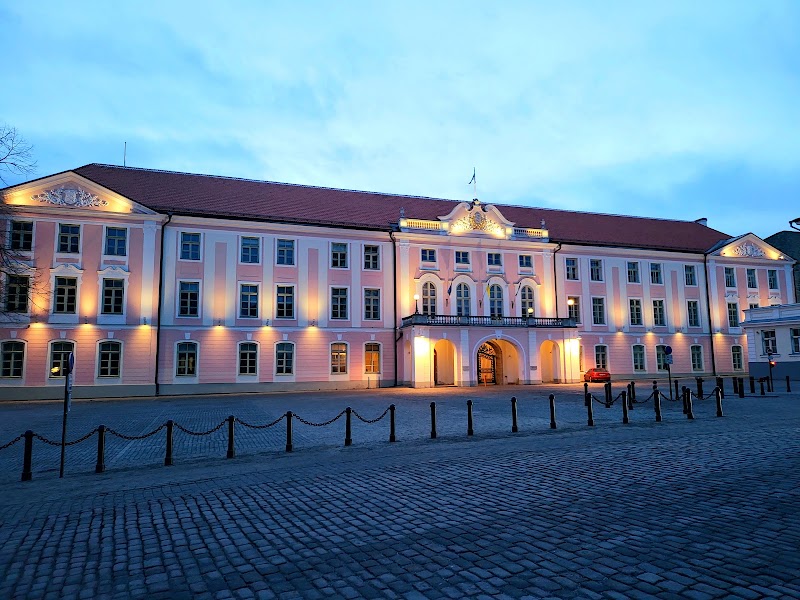
Estonia · Tallinn
Parliament of Estonia: Tours Inside Toompea Castle
Public tours offer a closely managed look at Estonia’s legislature, its distinctive 1920s architecture and chambers within Toompea Castle.
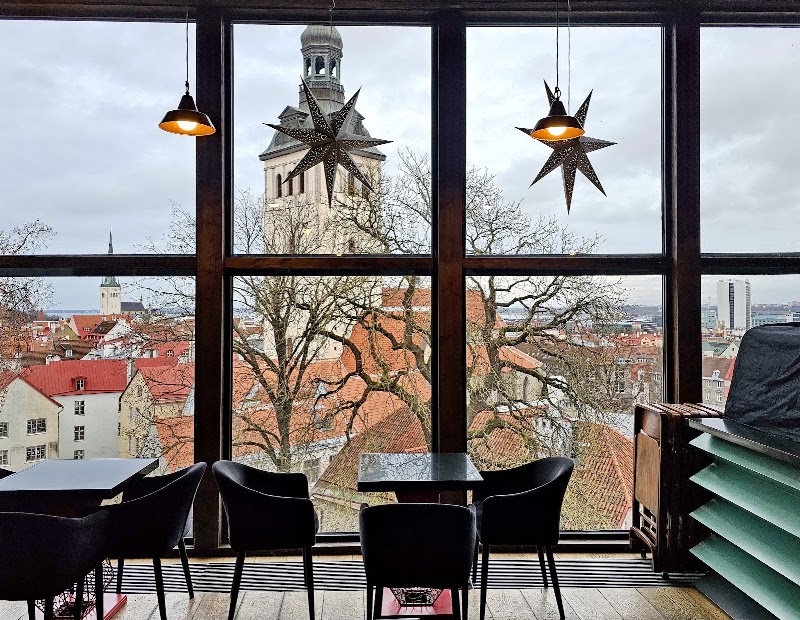
Estonia · Tallinn
Maiden Tower Museum-Cafe: Old Town Views in Tallinn
Tallinn’s Maiden Tower pairs a compact historical visit with thick medieval walls, rooftop views and a simple café praised for its setting.
Estonia · Tallinn
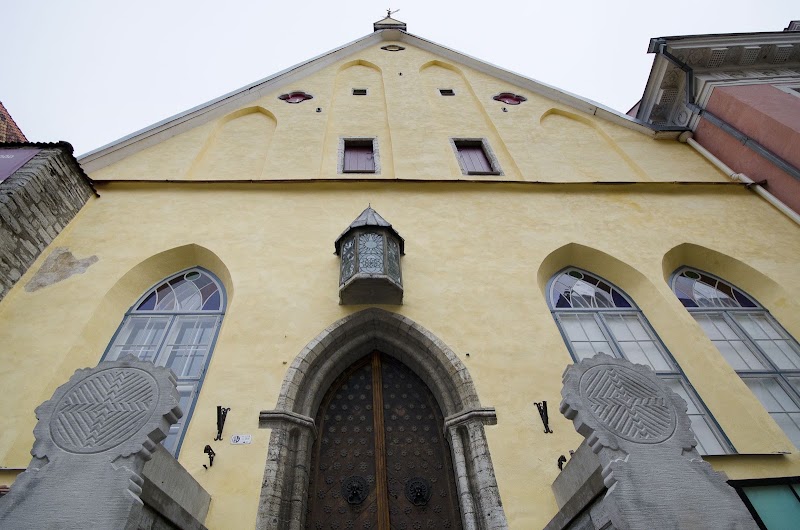
Estonian history inside Tallinn’s Great Guild Hall
A broad, accessible introduction to Estonia, with strong Hanseatic displays, historic objects and interactive learning inside a notable old hall.