Epidaurus: Theatre, Healing Sanctuary and Ancient Ruins
A vast ancient healing sanctuary where a monumental theatre, evocative foundations and a compact museum reward several hours of exploration.
More photos
Photos published by travelers on Google, not AI generated.
What stands out
- Monumental ancient theatre
- Remarkable theatre acoustics
- Extensive healing sanctuary ruins
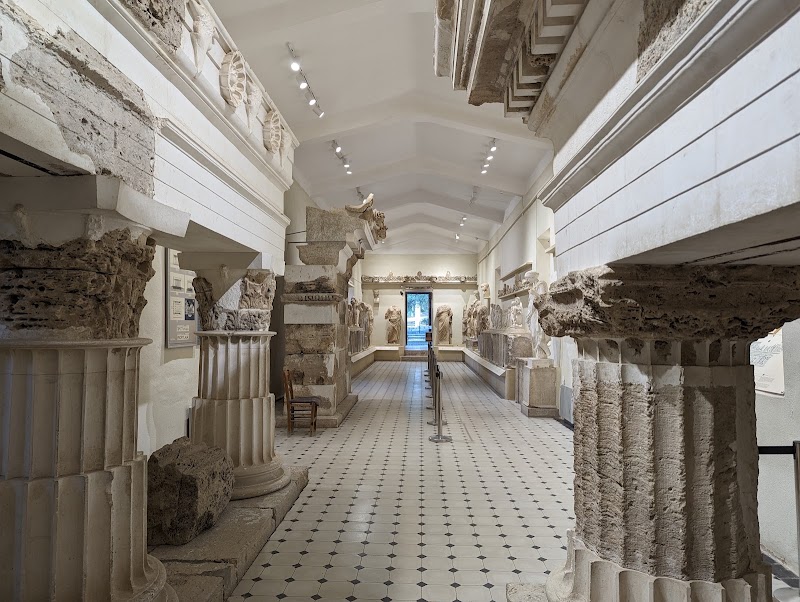
- Small archaeological museum
- Statues, columns and inscriptions
Worth knowing
- The site is large and can feel complex
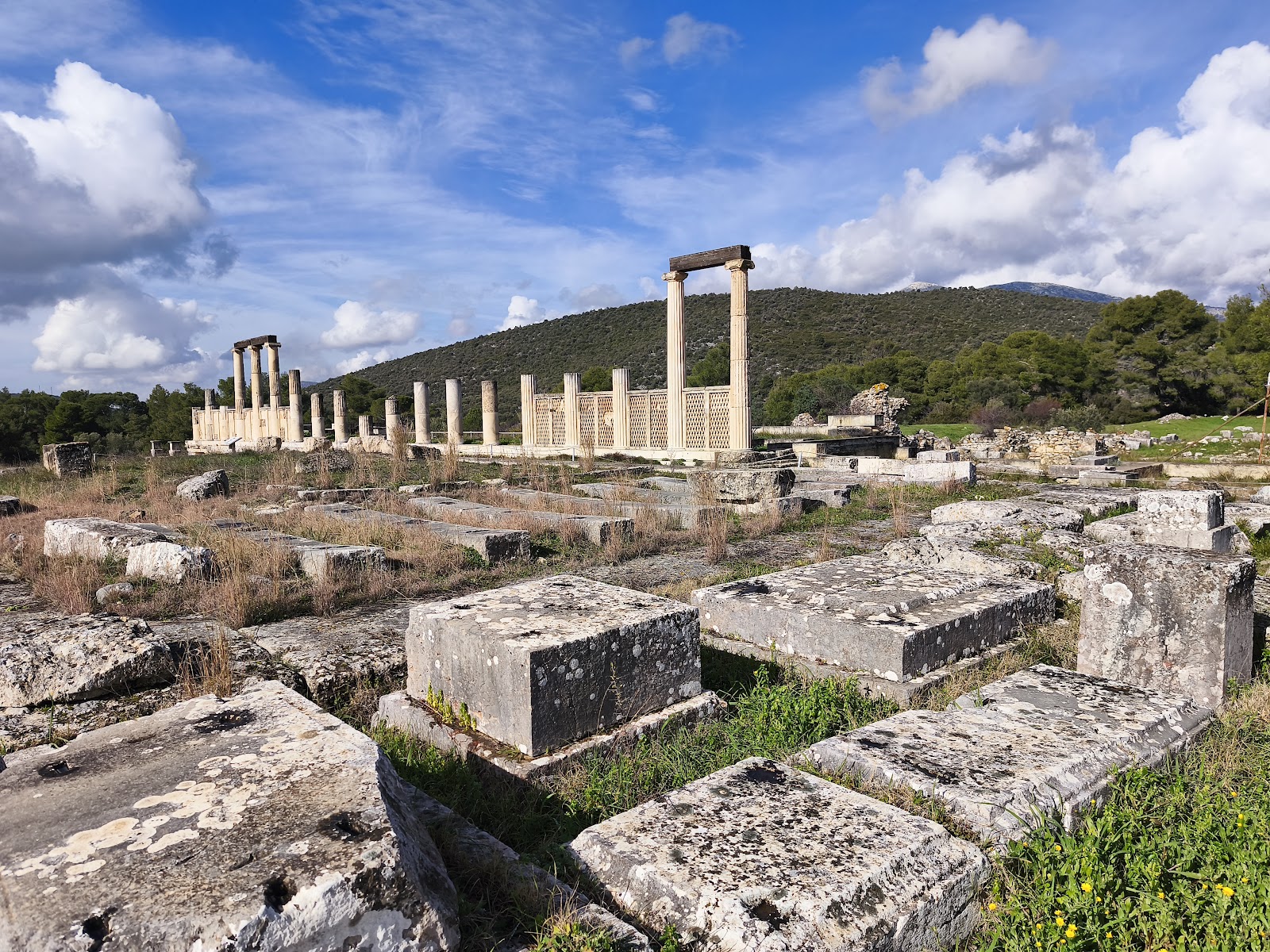
- Many buildings survive mainly as stone foundations
- Advance research improves understanding
Don't miss
What comes up most in public reviews
- The ancient theatre
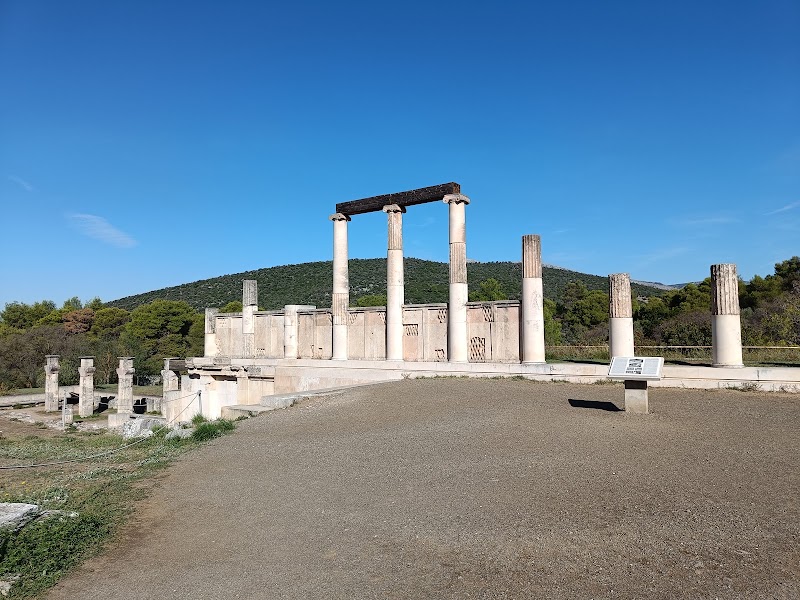
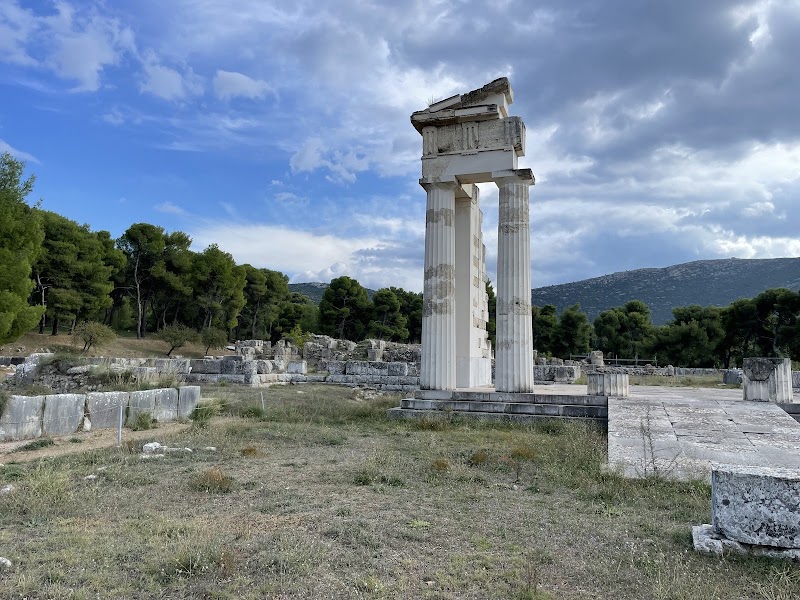
- The Sanctuary of Asclepius
- The Enkoimeterion or abaton
- The archaeological museum
- Stone panels describing ancient treatments
Worth the trip?
The public verdict
With a Google rating of 4.8 from 7668 reviews, the Archaeological Site of the Sanctuary of Asclepius at Epidaurus earns especially strong praise for its scale, historical importance and atmosphere. Public reviews consistently identify the theatre as the immediate showstopper, but they also stress that the wider sanctuary deserves proper attention.
This is not simply a theatre stop. The complex was dedicated to Asclepius, the Greek god of healing, and became one of the ancient world’s leading centres for people seeking cures. Travellers describe the grounds as serene, substantial and more complex than expected. The remains help connect theatre, religion and medicine within a single archaeological landscape.
The theatre
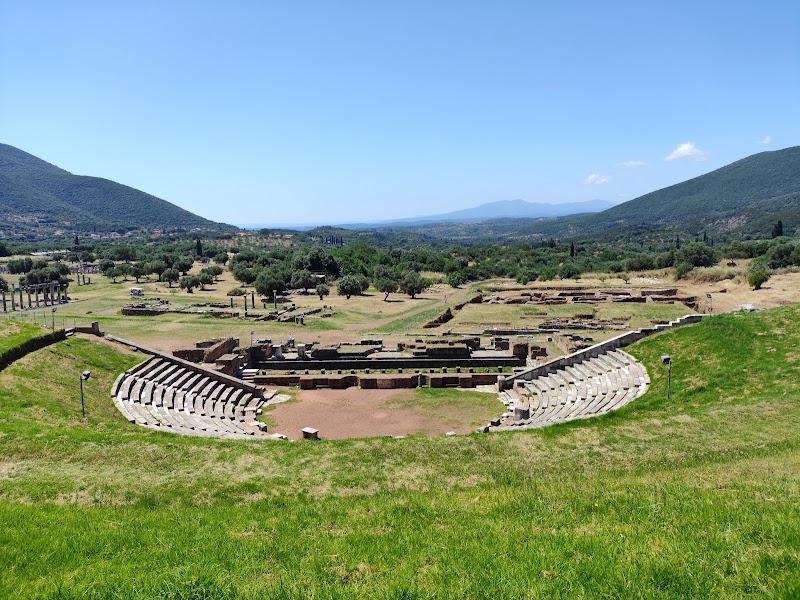
The ancient theatre dominates visitor reactions. Reviewers repeatedly admire its huge dimensions, precise construction and remarkably well-preserved appearance. Its acoustics are another recurring theme, with travellers impressed by how clearly sound carries through the seating area. One review notes that it could accommodate more than 14,000 spectators.
The structure remains a performance venue, and some visitors report seeing preparations for live events, including classical music. Even without a production underway, the steep tiers and broad view across the stage make the theatre the site’s clearest visual highlight. It is also the feature most likely to appeal to travellers with only a passing interest in archaeology.
Beyond the auditorium
The sanctuary beside the theatre provides the deeper historical context. Much of it no longer stands above foundation level, so visitors encounter stone bases and the outlines of temples and other ancient buildings rather than complete structures. Reviews mention the Enkoimeterion, or abaton, associated with the healing rituals practised here.
This part of the site rewards some advance reading. Several travellers find the complex important and absorbing, but its large footprint and fragmentary remains can make it difficult to interpret at a glance. Understanding the role of Asclepius, the pilgrims who travelled here and the rituals connected with healing gives the scattered masonry far more meaning.
Museum and planning
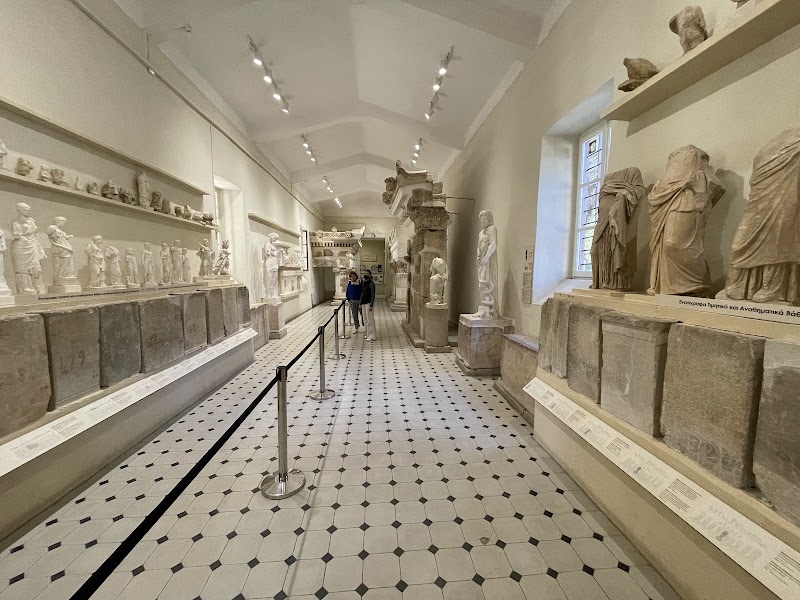
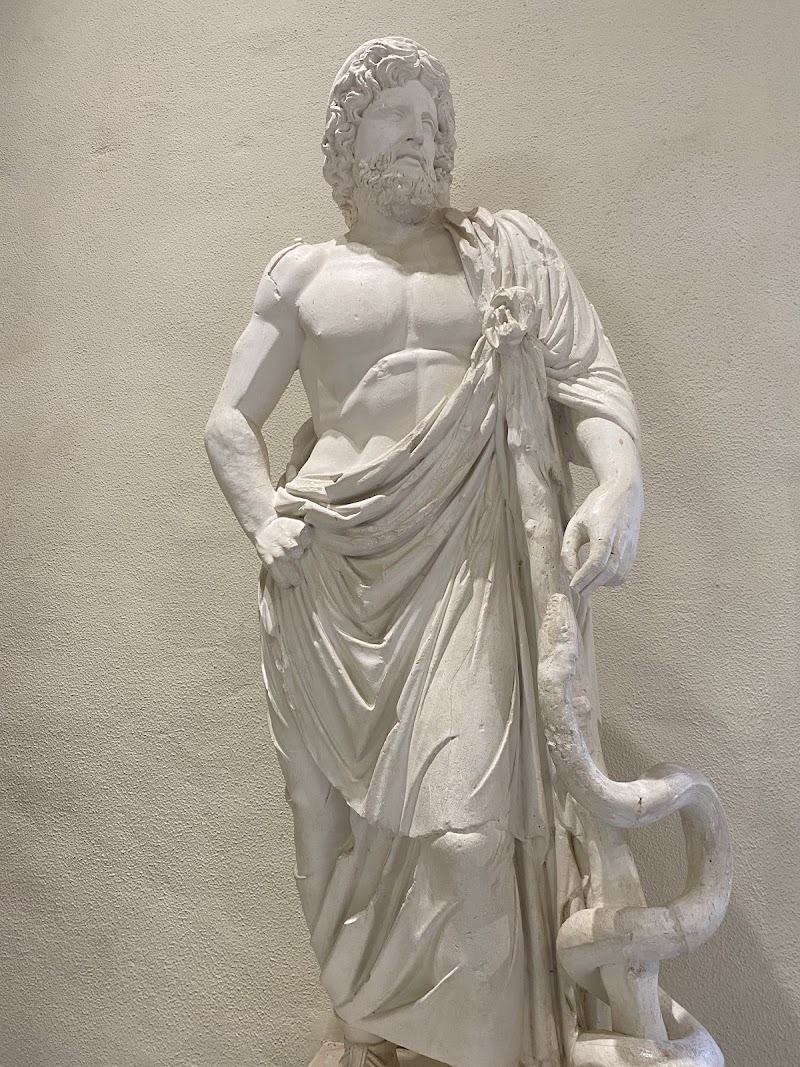
The small museum is repeatedly recommended rather than treated as an optional extra. Its displays include statues, columns, inscriptions and ancient stone panels linked to treatments and healing accounts. These objects provide detail that is harder to extract from the open ruins and help visitors picture how the sanctuary functioned.
Reviews suggest allowing several hours rather than rushing directly to the theatre and leaving. The overall experience is strongest for travellers interested in ancient Greek architecture, performance, religion or medicine. Its principal limitation is also part of its appeal: many sanctuary buildings must be understood through foundations, inscriptions and imagination. Those prepared for that distinction are likely to find Epidaurus both intellectually rich and visually memorable.
Ask anything
Looking for somewhere else?
Keep exploring around Epidavros
More from Greece
Greece · Peloponnese
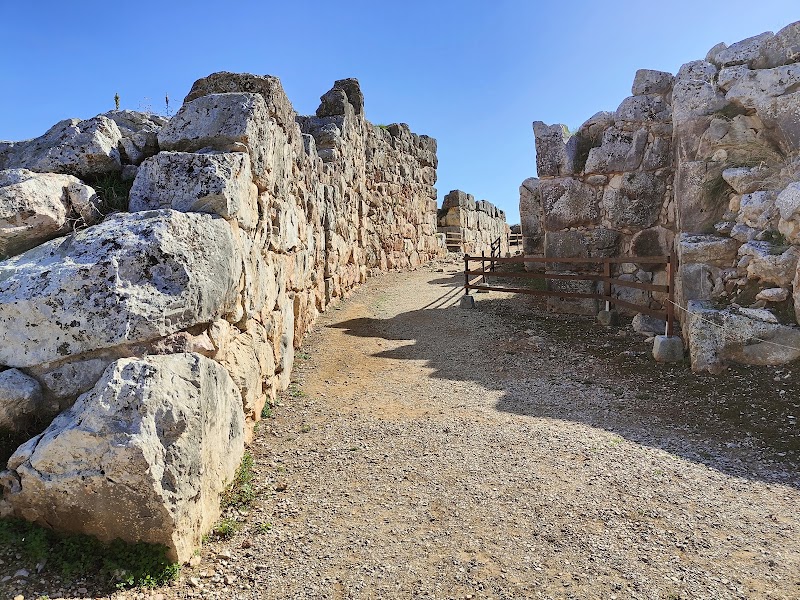
Tiryns: Mighty Mycenaean Walls Close to Nafplio
Massive stone ramparts and atmospheric galleries make this compact citadel a rewarding companion to better-known Mycenae.
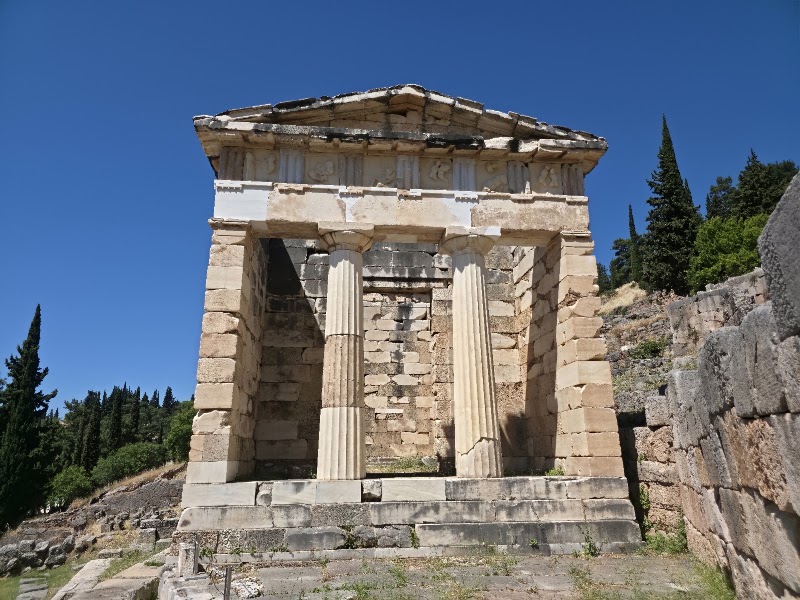
Greece · Delphi
Delphi Archaeological Site: Ruins Above a Dramatic Valley
Ancient monuments, mountain scenery and a rewarding climb make Delphi one of Greece’s most impressive archaeological sites.
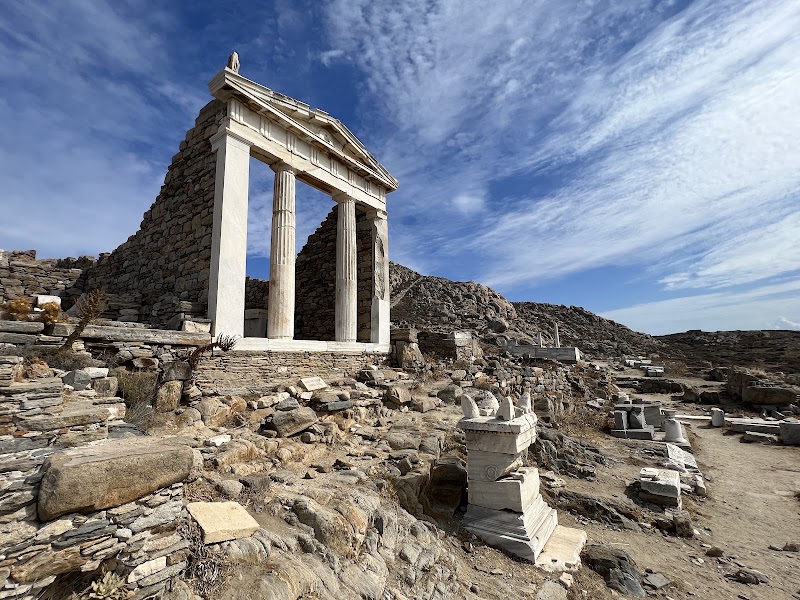
Greece · Delos
Delos rewards time, context and sturdy walking shoes
Ancient sanctuaries, residential ruins and sweeping views make Delos a compelling half-day excursion for history-minded travellers.
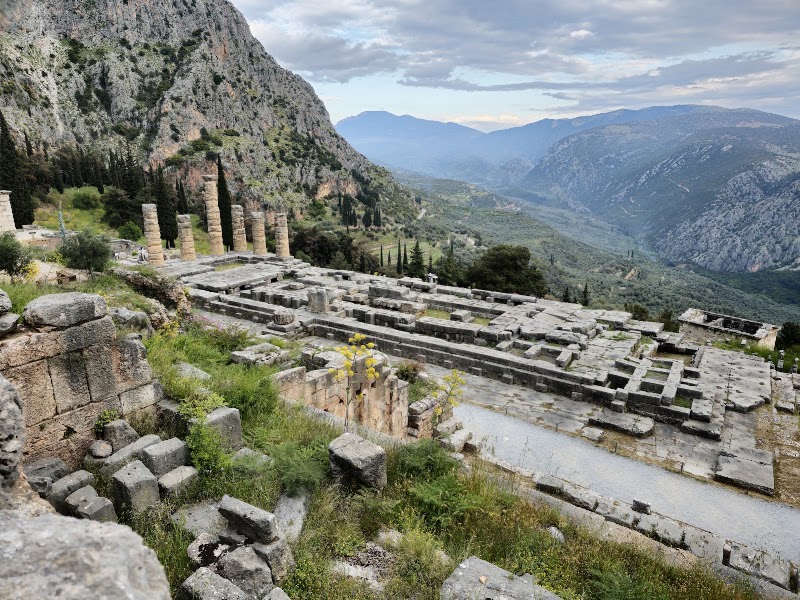
Greece · Delphi
Temple of Apollo: Delphi’s dramatic ancient landmark
Ancient ruins, mountain scenery and a strong museum visit make the Temple of Apollo an essential stop within Delphi’s archaeological site.