Archaeological Site of Philippi: Ruins with Biblical Weight
Substantial Roman ruins and strong links to Saint Paul make Philippi one of northern Greece’s most rewarding archaeological stops.
More photos


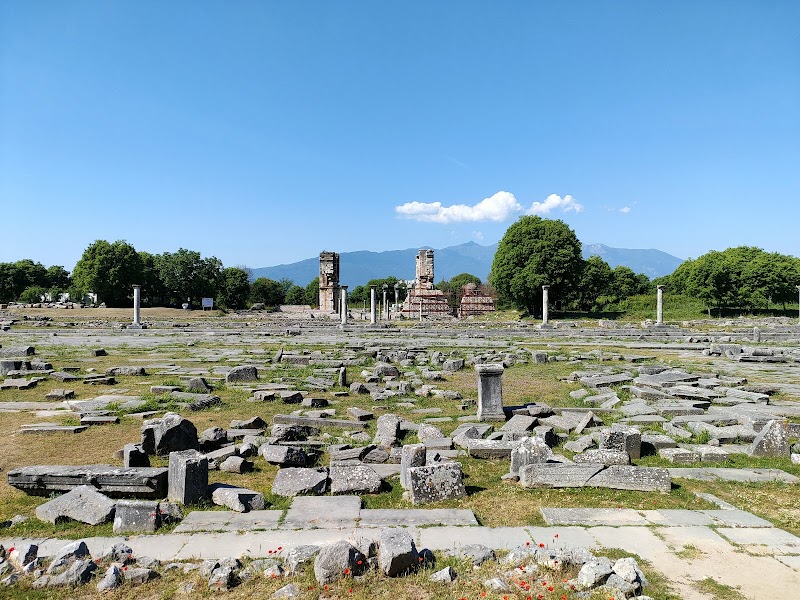
Photos published by travelers on Google, not AI generated.
What stands out
- Substantial and legible ancient ruins
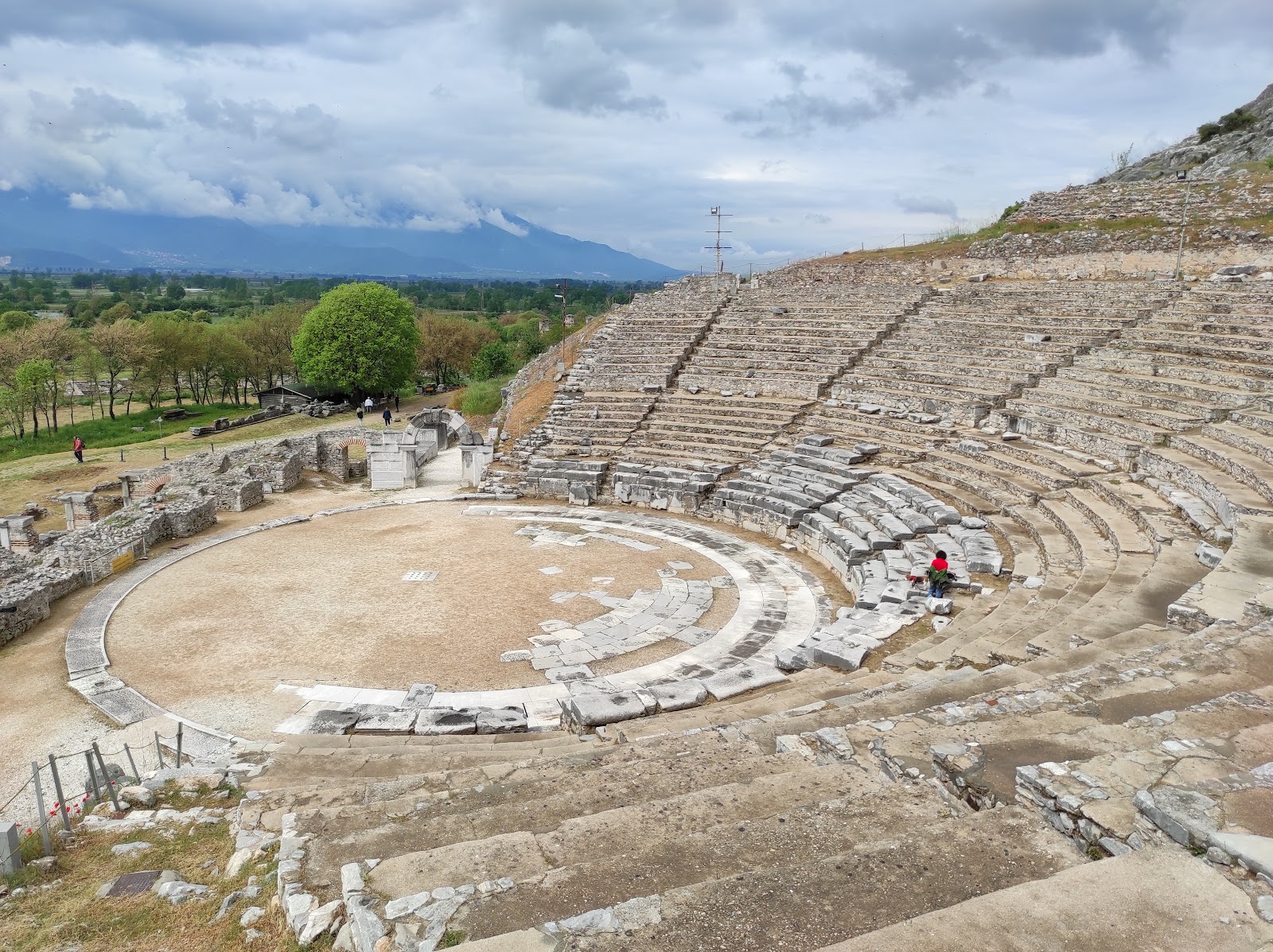
- Theatre with decorative carvings
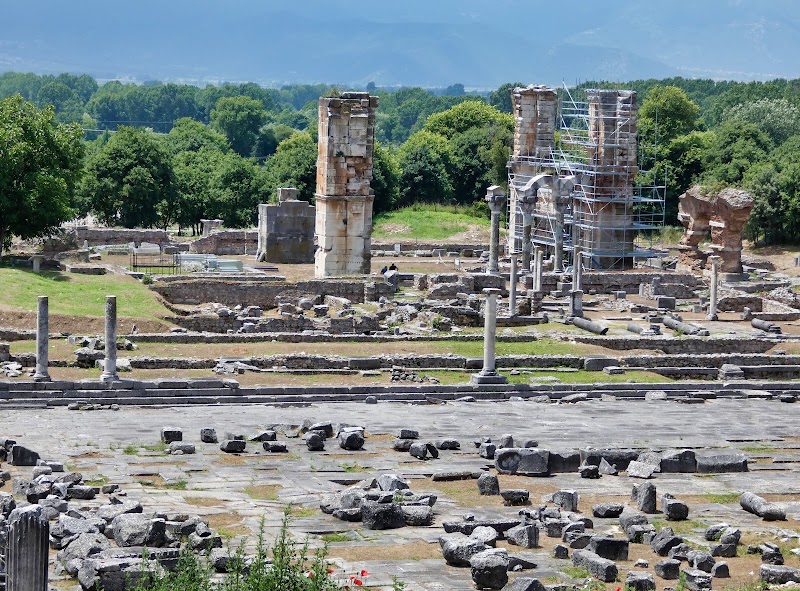
- Well-preserved agora
- Strong Saint Paul connections
- Octagonal building mosaic
Worth knowing
- Museum admission may be separate
- Some visitors criticise barriers and reconstruction
- Outdoor areas can feel exposed
Don't miss
What comes up most in public reviews
- Explore the ancient theatre
- Walk through the agora
- See the octagonal building mosaic
- Find Saint Paul’s traditional prison site
- Allow time for the archaeological museum
Worth the trip?
Why Philippi stands out
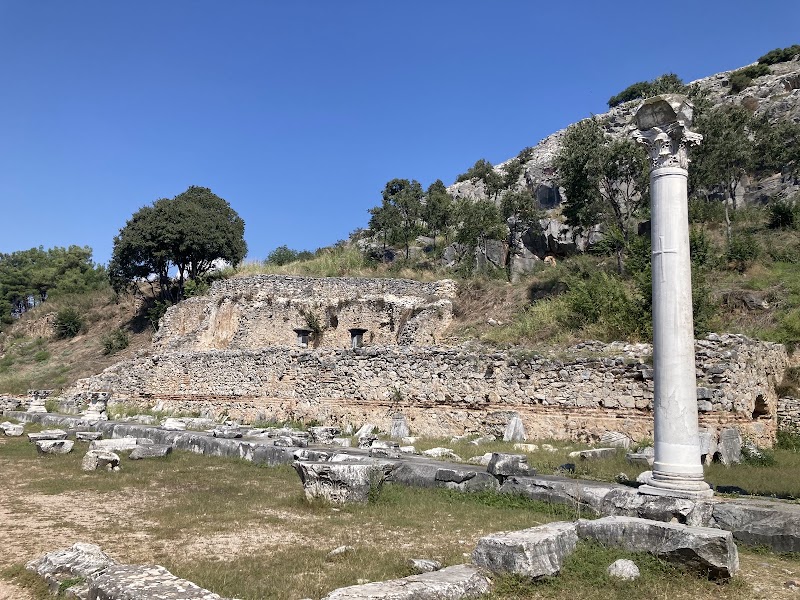
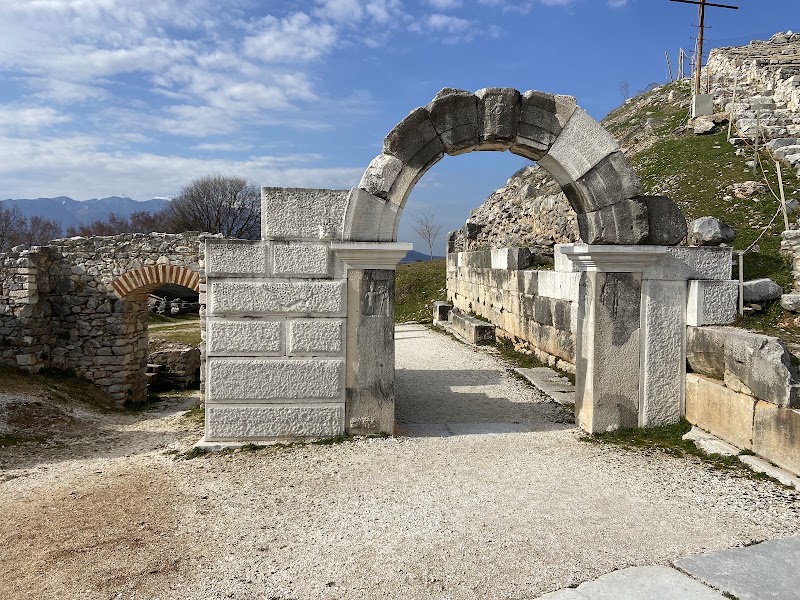
The Archaeological Site of Philippi holds a Google rating of 4.8 from 2464 reviews, and the strongest feedback describes a place where the scale of an ancient city remains unusually legible. Travellers repeatedly value being able to move among substantial ruins rather than viewing only scattered foundations. Several compare it favourably with other major sites in northern Greece, saying Philippi gives a clearer impression of how civic and religious life might once have been organised.
Its appeal is not limited to classical history. Public reviews regularly emphasise Philippi’s importance in early Christianity, particularly its association with Saint Paul. That biblical context turns the visit into more than an architectural survey for Christian pilgrims and travellers following Paul’s journeys. For general history enthusiasts, the site’s wider European significance adds another layer.
What visitors come to see
The theatre is among the most frequently praised remains. Reviewers mention its scale and decorative carvings, while the preserved agora helps establish the layout of the Roman city. The mosaic associated with the octagonal building is another specifically recommended feature. Together, these remains create the sense of a connected urban complex rather than a collection of isolated monuments.
Saint Paul’s traditional place of imprisonment is a focal point for faith-led visits. Reviews from travellers on Pauline itineraries describe Philippi as a standout stop, even when compared with better-known biblical locations elsewhere in Greece.
The archaeological museum also deserves time. One reviewer noted that many visitors miss it, despite considering it worthwhile. Ticketing arrangements may be separate and appear to have changed, so visitors should check current access details rather than assume one admission covers both the open-air site and museum.
Where reviews are divided
Most public feedback is highly positive, but presentation attracts some criticism. One detailed review questioned reconstruction and display decisions, citing incorrectly oriented Roman numeral markers and unattractive metal barriers between areas. These concerns do not dispute the importance of the ruins, but they suggest that modern site management can occasionally intrude on the atmosphere.
Interpretation may also require some preparation. Travellers particularly interested in the Battle of Philippi, Roman urbanism or Saint Paul’s connection will benefit from reading ahead or using authoritative on-site material. The ruins make a strong visual impression, yet their meaning becomes much richer with historical context.
Planning the visit
Spring and autumn receive the clearest recommendation in the supplied reviews. Milder conditions, fewer crowds and greener surroundings make it easier to explore an extensive outdoor site. A half-day allows time for the theatre, agora, religious remains and museum without rushing.
One reviewer reports a large free parking area, plus a cafeteria and green play space, although travellers should confirm current facilities before relying on them. Comfortable walking shoes and sun protection are sensible for the exposed archaeological park. Overall, the ratings and review patterns support Philippi as a high-priority stop for travellers interested in Roman history, early Christianity and ruins substantial enough to convey the form of an ancient city.
Ask anything
Looking for somewhere else?
Keep exploring around Filippi
More from Greece
Greece · Peloponnese
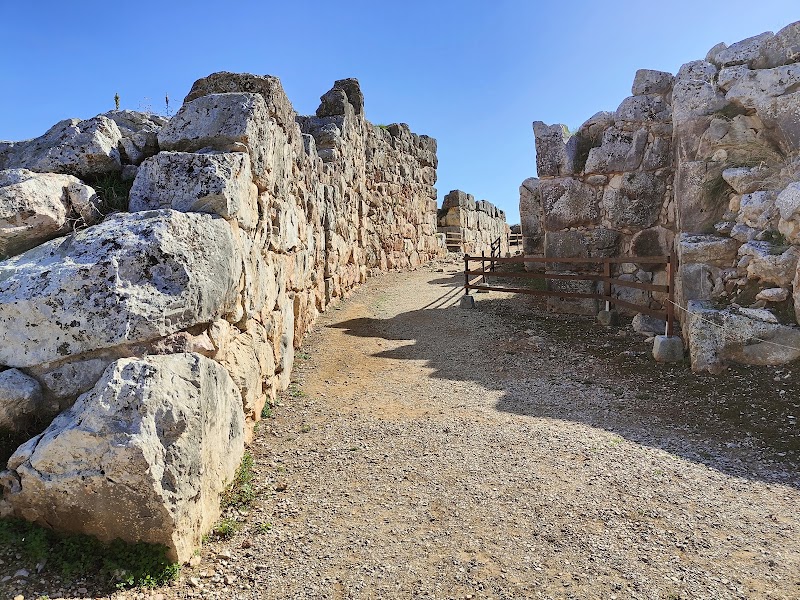
Tiryns: Mighty Mycenaean Walls Close to Nafplio
Massive stone ramparts and atmospheric galleries make this compact citadel a rewarding companion to better-known Mycenae.
Greece · Delphi
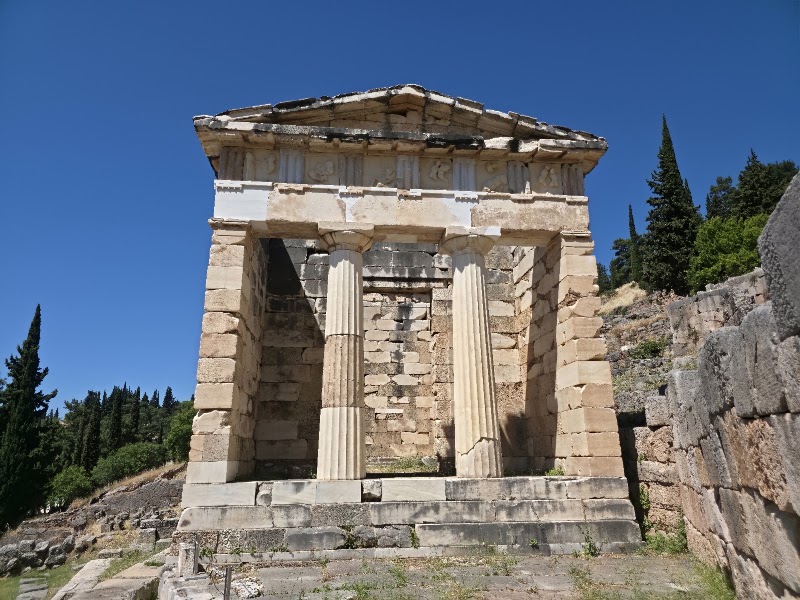
Delphi Archaeological Site: Ruins Above a Dramatic Valley
Ancient monuments, mountain scenery and a rewarding climb make Delphi one of Greece’s most impressive archaeological sites.
Greece · Delos
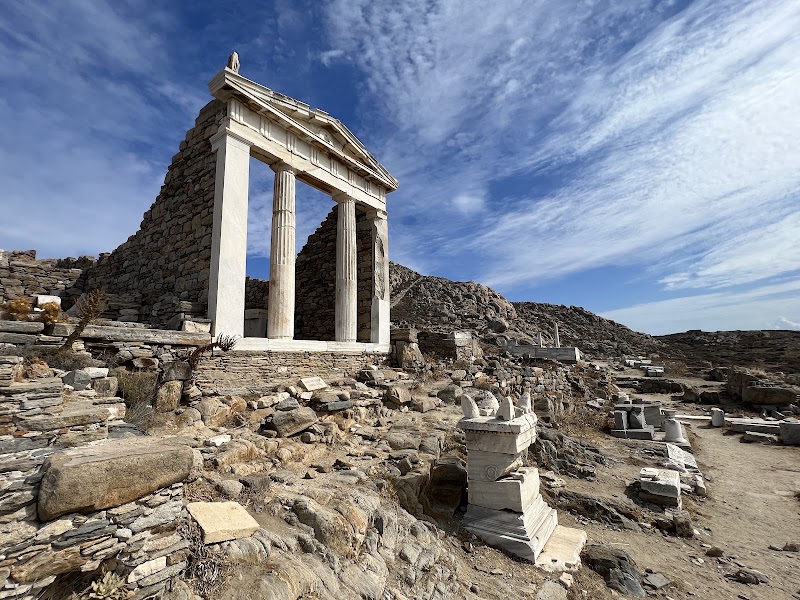
Delos rewards time, context and sturdy walking shoes
Ancient sanctuaries, residential ruins and sweeping views make Delos a compelling half-day excursion for history-minded travellers.
Greece · Epidavros
Epidaurus: Theatre, Healing Sanctuary and Ancient Ruins
A vast ancient healing sanctuary where a monumental theatre, evocative foundations and a compact museum reward several hours of exploration.