Archaeological Site of Olympia: Ruins of the Ancient Games
Vast ruins, an artefact-rich museum and useful reconstructions bring the birthplace of the ancient Olympic Games into focus.
More photos
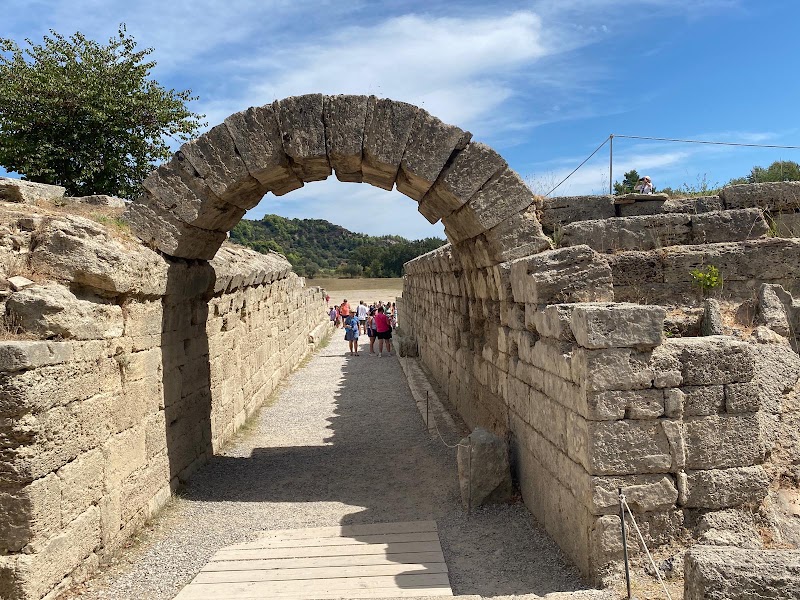
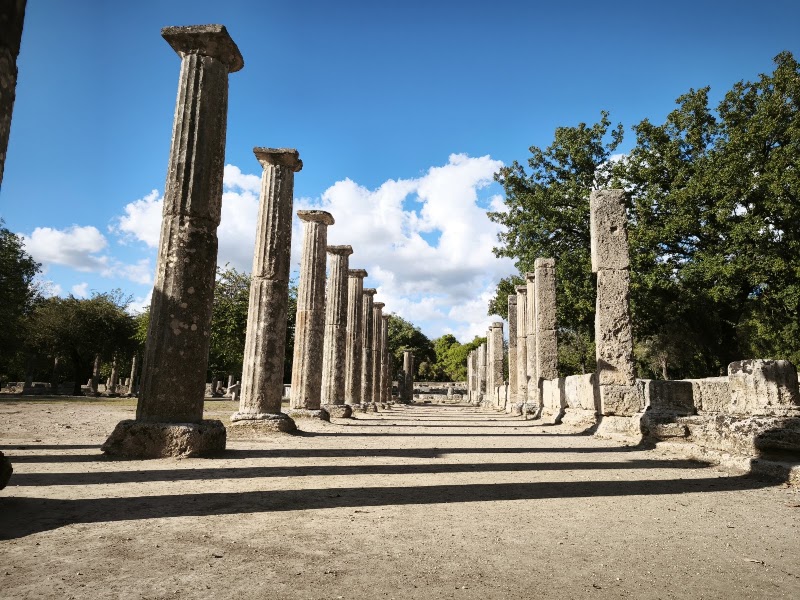
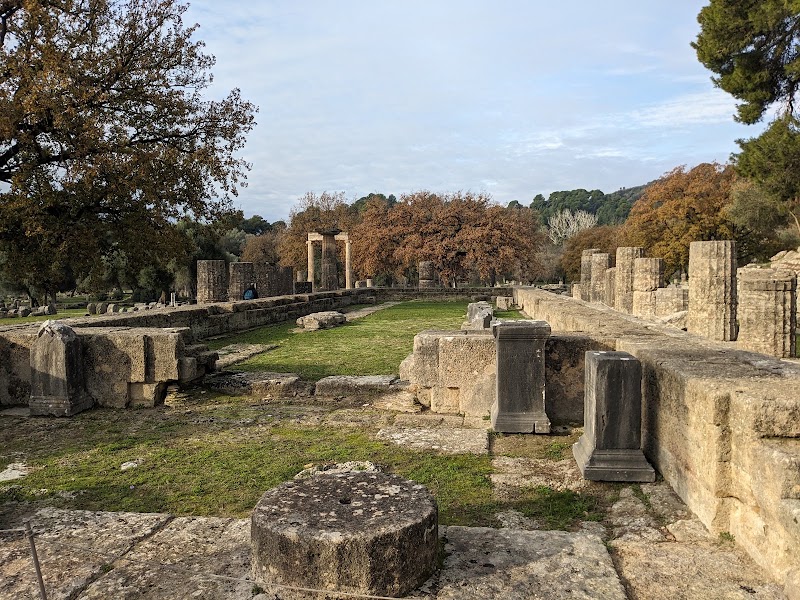
Photos published by travelers on Google, not AI generated.
What stands out
- Birthplace of the ancient Olympic Games
- Vast, peaceful archaeological grounds
- Reconstruction illustrations beside key ruins
- Museum collection of excavated artefacts
Worth knowing
- Most structures survive only as ruins and foundations
- The large grounds require plenty of walking
- Advance tickets may speed up entry
Don't miss
What comes up most in public reviews
- Walk the grounds where the ancient Olympic Games began
- Visit the on-site archaeological museum
Worth the trip?
Why Olympia stands out
This assessment synthesizes the site’s Google rating of 4.7 from 19543 reviews with recurring themes in recent public feedback. The strongest response is to Olympia’s historical significance. Visitors walk through the remains of the place where the ancient Olympic Games began, with enough surviving foundations and structures to convey the scale of the complex.
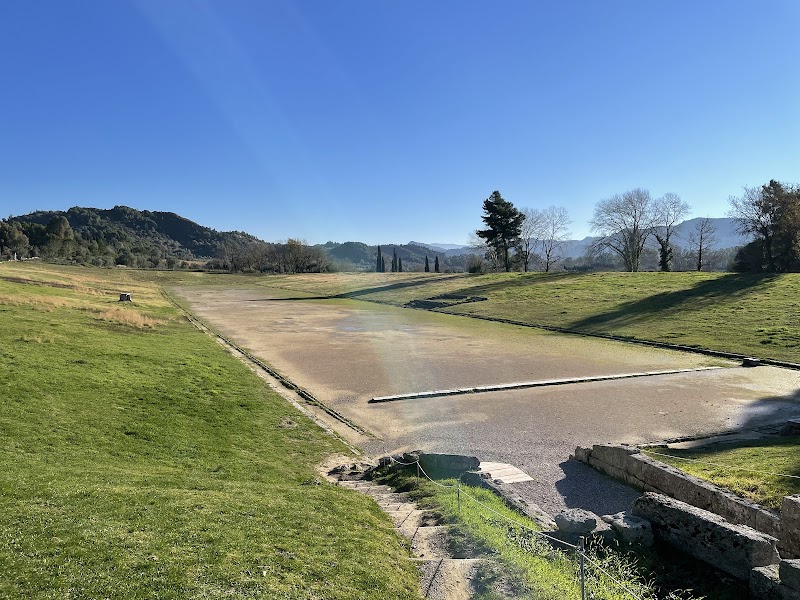
Reviewers frequently describe the grounds as vast, peaceful and well maintained. The setting can feel more like a park than a conventional monument, allowing visitors to move between ruins at their own pace. For travellers interested in ancient Greek history and culture, the emotional weight of standing in the original Olympic setting is the main attraction.
What the ruins are like
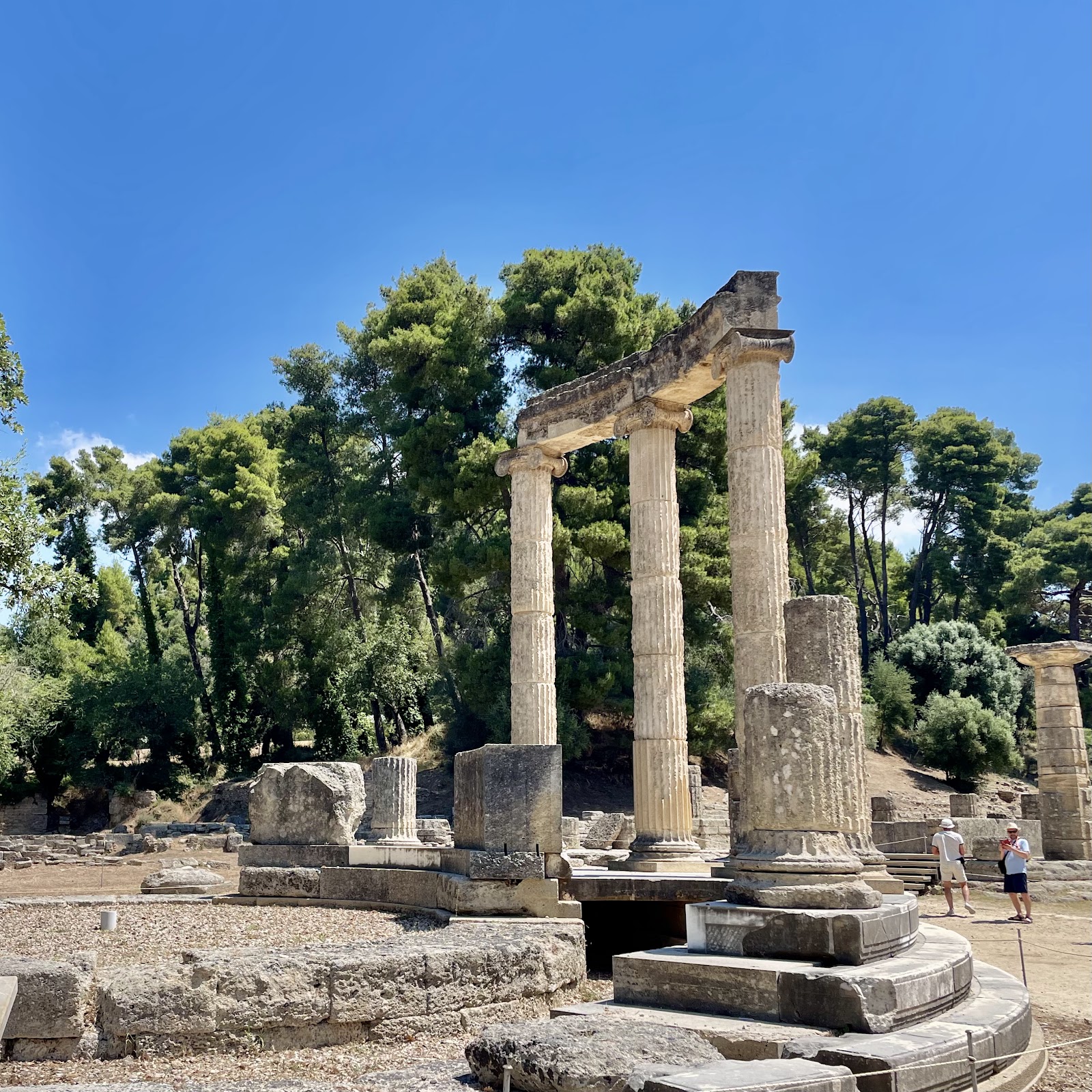
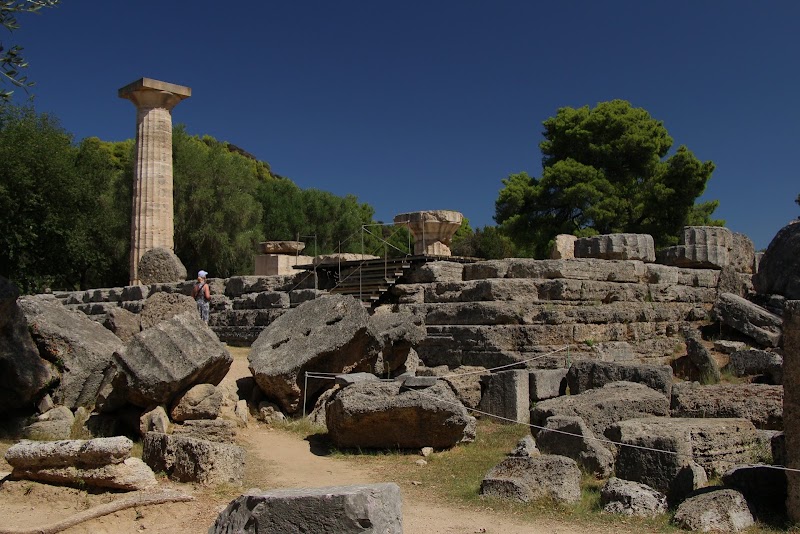
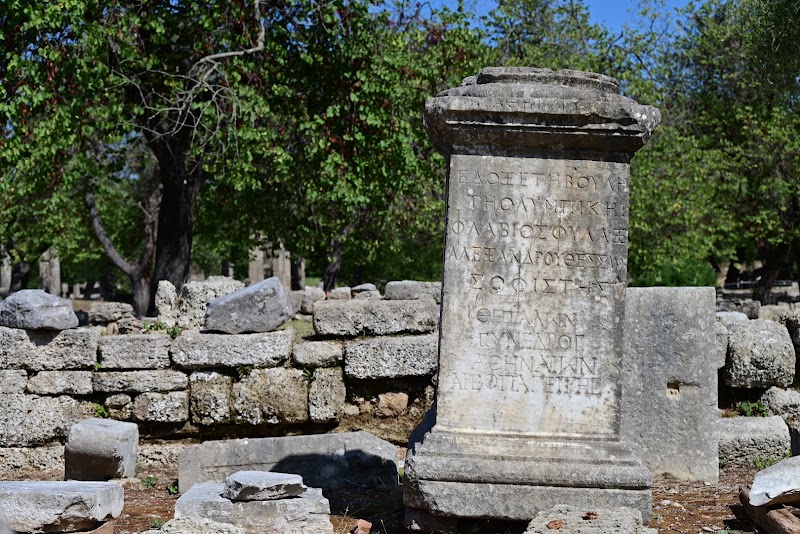
Olympia is largely a landscape of low walls, columns, foundations and scattered architectural remains rather than intact buildings. Public reviews repeatedly caution that appreciating it takes imagination. Travellers expecting towering temples or complete structures may find the first impression less dramatic than anticipated.
Interpretive signs at major points help bridge that gap. Reviewers particularly value illustrations showing how buildings probably appeared in antiquity. These visual reconstructions make it easier to understand the relationships between the remains and picture the ceremonies, competitions and daily activity that once filled the site.
The scale also matters. This is not a quick roadside ruin, and visitors report spending substantial time walking between different areas. Comfortable footwear is sensible, while a slower pace gives the individual remains more meaning. A guided experience can add another layer of context. One review highlights an augmented-reality tour using a tablet to reconstruct ancient spaces, though availability should be checked rather than assumed.
The museum adds essential context
The on-site archaeological museum is repeatedly described as an important part of the visit rather than an optional extra. Its artefacts give form and detail to the history suggested by the ruins. Seeing the collection alongside the excavated site helps visitors connect architectural fragments and foundations with the people, beliefs and activities of ancient Olympia.
Reviews suggest visiting both components for the most complete experience. The museum offers concentrated explanation, while the open grounds provide atmosphere and scale. Together, they work particularly well for history enthusiasts, families with older children and travellers willing to read the interpretation rather than simply photograph the ruins.
Planning the visit
Advance ticket purchase is recommended in several reviews because it can make entry faster. Reports also mention toilets, cafes, gift shops and first-aid provision around the visitor facilities, although current availability should be confirmed locally.
Half a day is a practical allowance for the museum and archaeological grounds without rushing. The site’s size, combined with the amount of information available, makes a shorter stop feel limiting. The overall verdict is highly positive, but Olympia will reward engaged visitors most. Those with little interest in ruins may find the extensive foundations repetitive, while history-focused travellers are likely to consider it an essential mainland Greece stop.
Ask anything
Looking for somewhere else?
Keep exploring around Archaia Olympia
More from Greece
Greece · Peloponnese
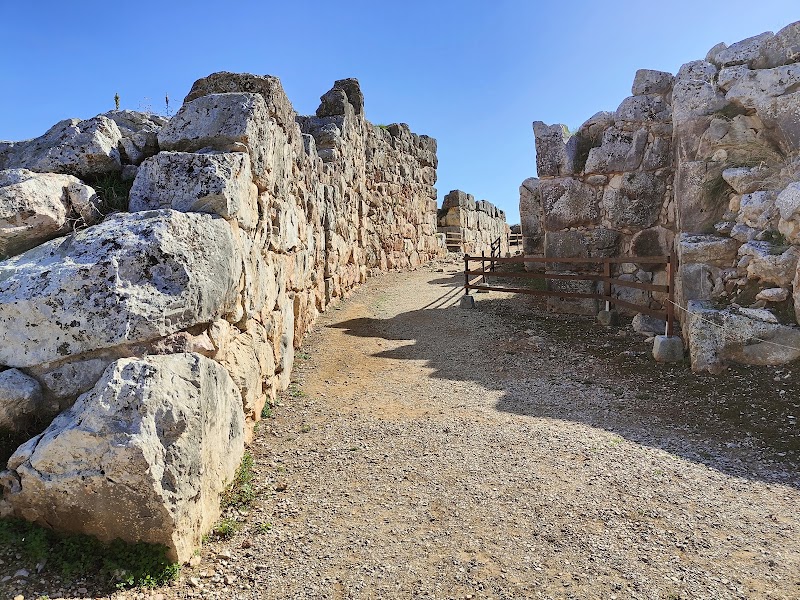
Tiryns: Mighty Mycenaean Walls Close to Nafplio
Massive stone ramparts and atmospheric galleries make this compact citadel a rewarding companion to better-known Mycenae.
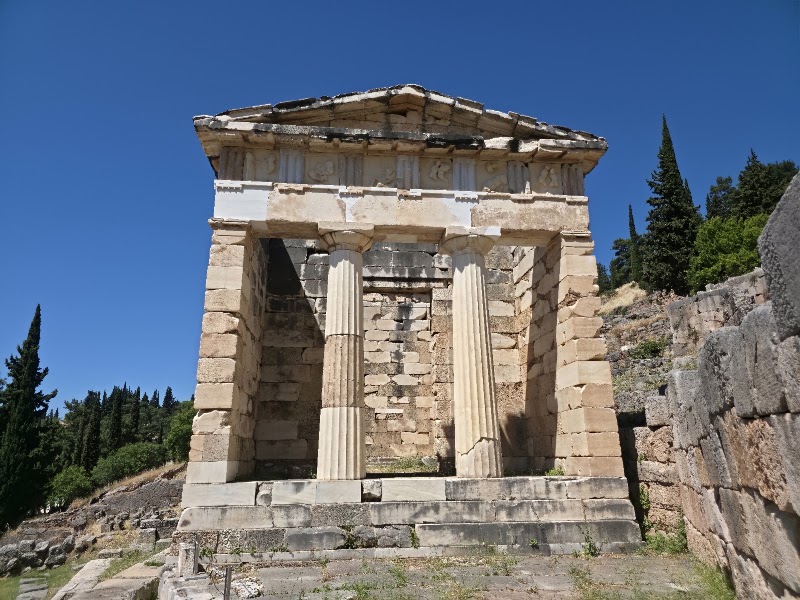
Greece · Delphi
Delphi Archaeological Site: Ruins Above a Dramatic Valley
Ancient monuments, mountain scenery and a rewarding climb make Delphi one of Greece’s most impressive archaeological sites.
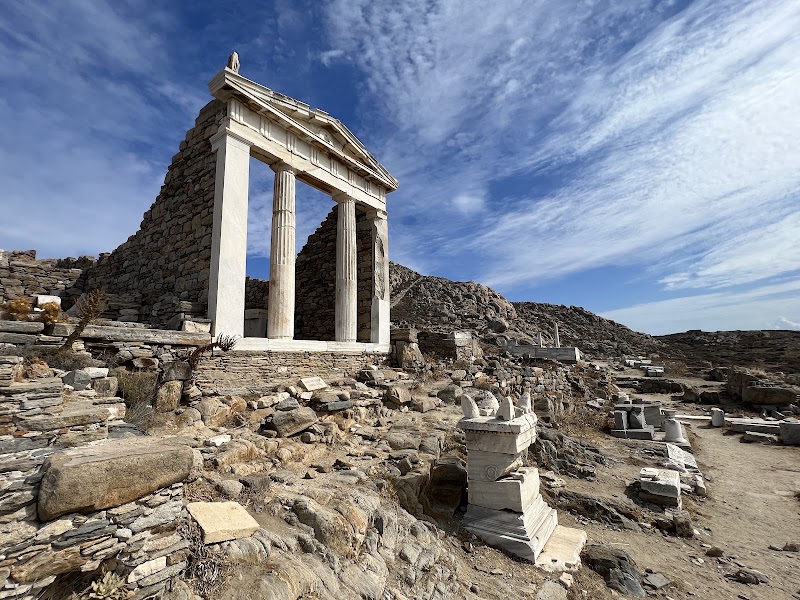
Greece · Delos
Delos rewards time, context and sturdy walking shoes
Ancient sanctuaries, residential ruins and sweeping views make Delos a compelling half-day excursion for history-minded travellers.
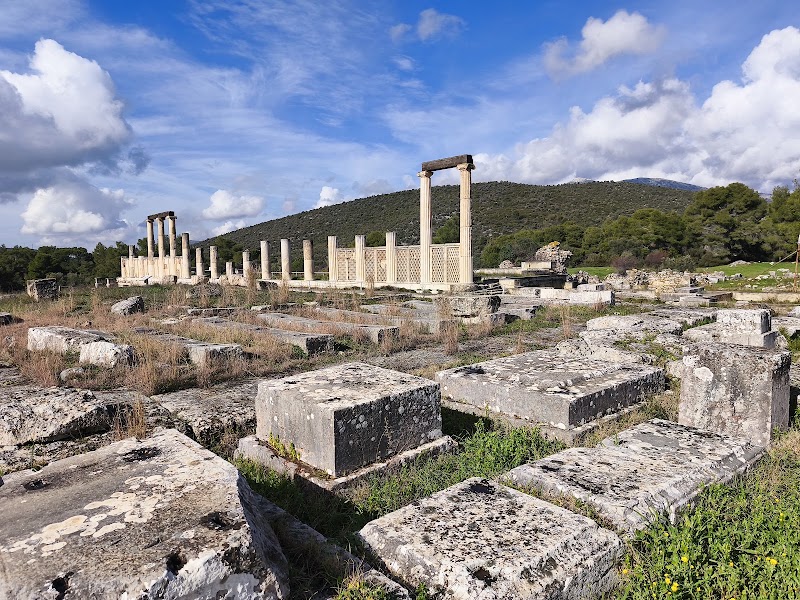
Greece · Epidavros
Epidaurus: Theatre, Healing Sanctuary and Ancient Ruins
A vast ancient healing sanctuary where a monumental theatre, evocative foundations and a compact museum reward several hours of exploration.