Delos rewards time, context and sturdy walking shoes
Ancient sanctuaries, residential ruins and sweeping views make Delos a compelling half-day excursion for history-minded travellers.
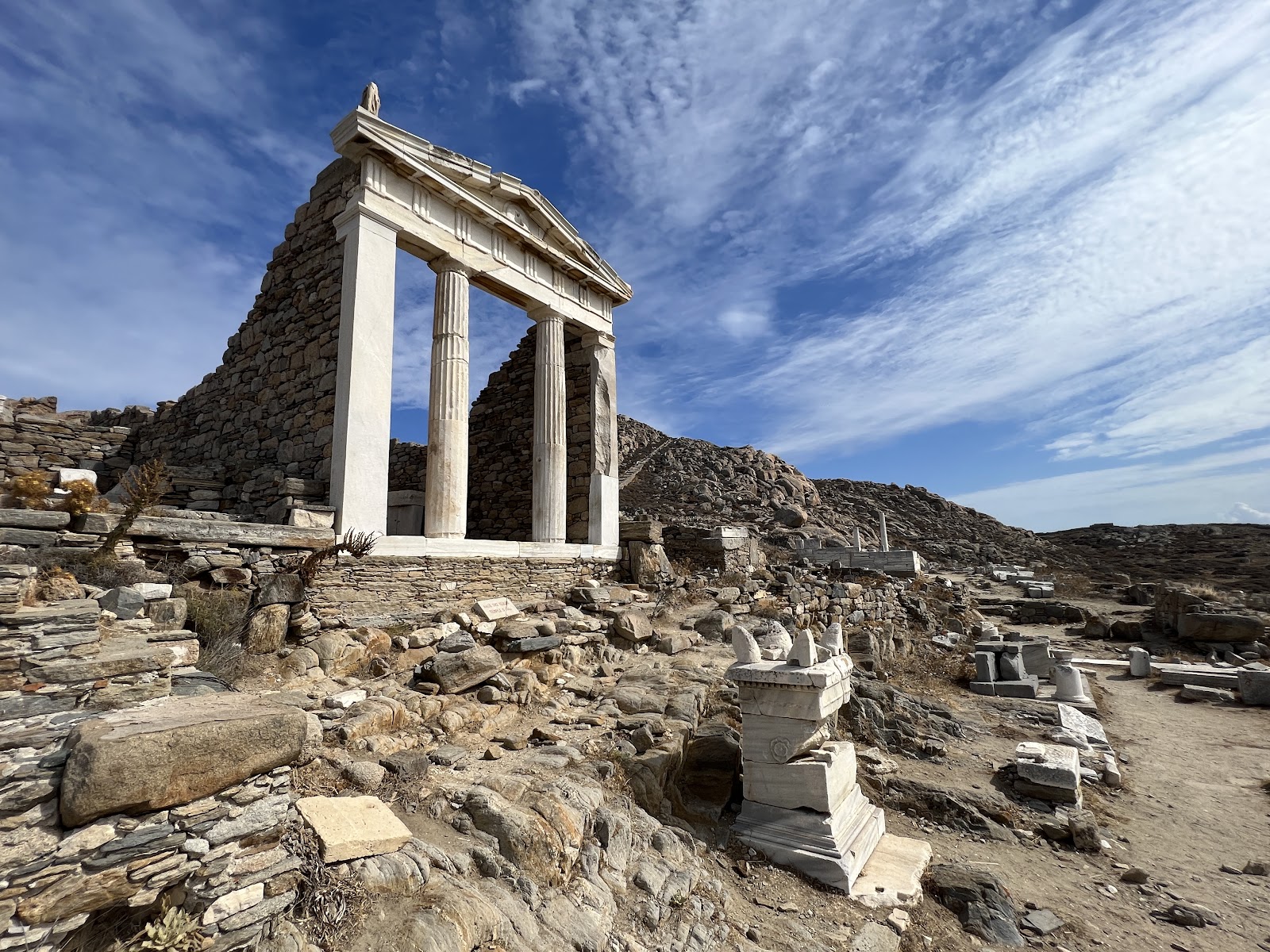
More photos
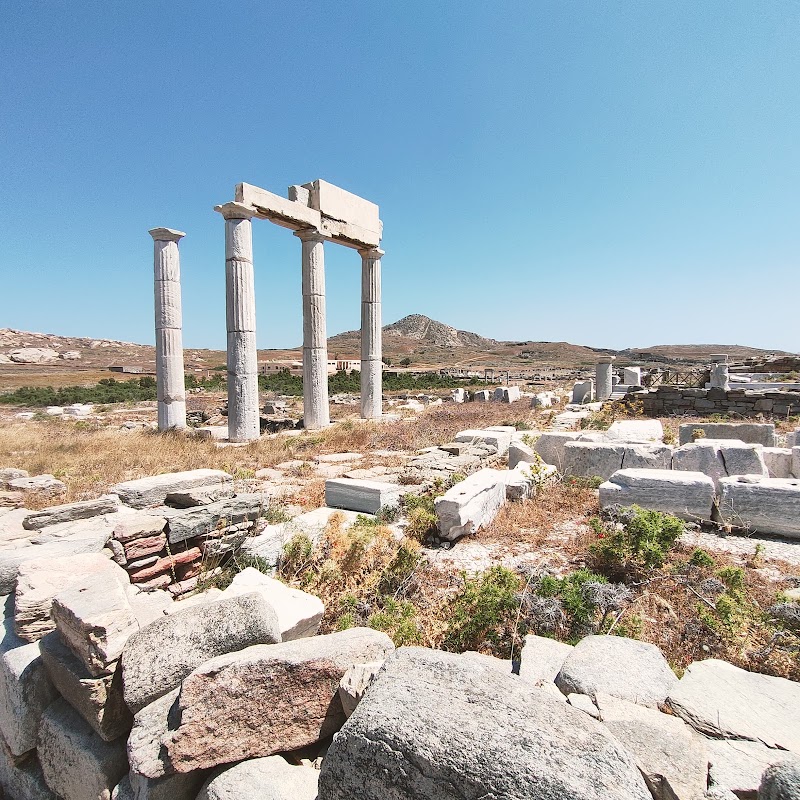
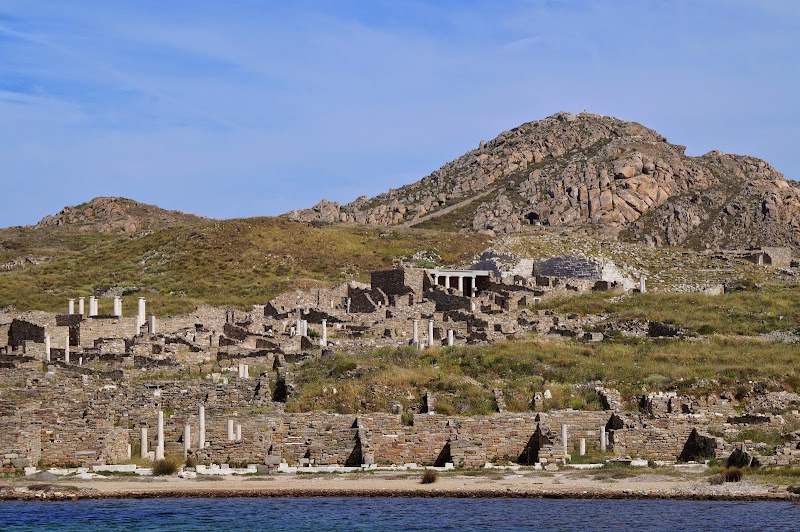

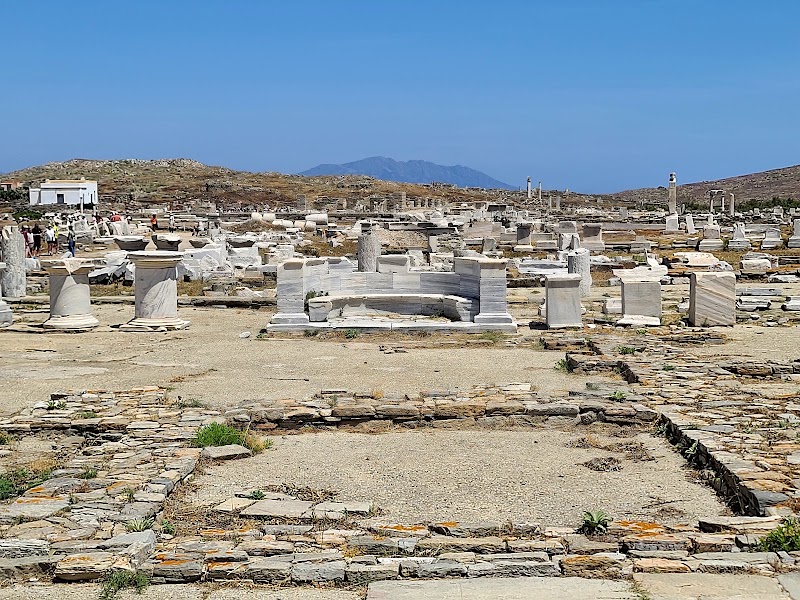
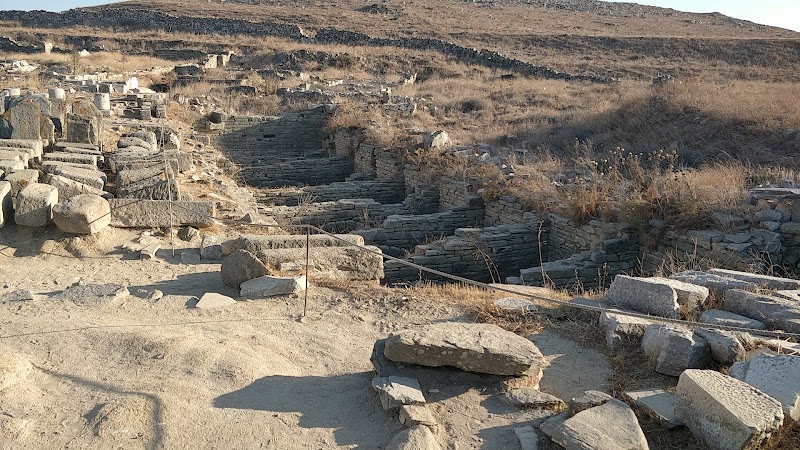
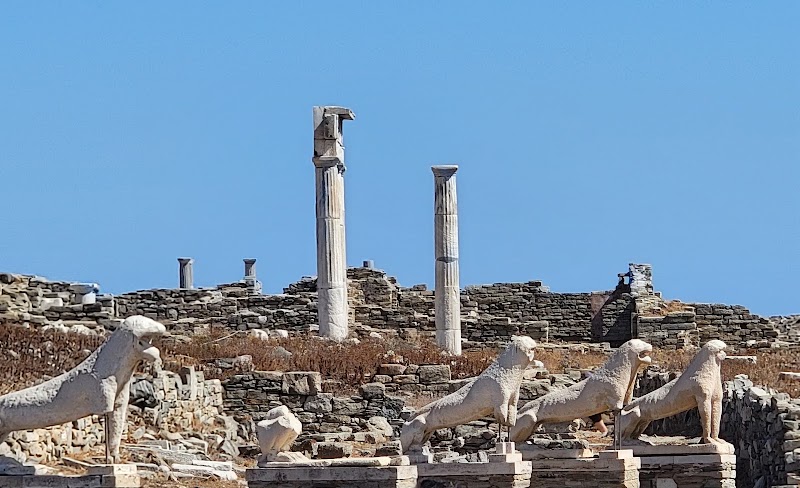
Photos published by travelers on Google, not AI generated.
What stands out
- Extensive ancient ruins
- Sanctuary associated with Apollo
- Views from the climb
- Museum displays
- Independent exploration
Worth knowing
- Strong sun and exposed terrain
- Extensive walking
- Ferry schedules can limit time
Don't miss
What comes up most in public reviews
- A guided introduction
- Time to explore independently
- The museum displays
Worth the trip?
A far richer site than expected
Public feedback presents the Archaeological Site of Delos as much more than a compact religious sanctuary. With a Google rating of 4.6 from 4622 reviews, it draws especially strong responses from travellers interested in ancient history and Greek mythology. The island’s association with Apollo and Artemis adds significance, but reviewers are often just as impressed by the extent of the surviving settlement.
Accounts describe homes, water infrastructure, public services and entertainment spaces alongside the sacred precinct. That broader urban story helps explain why several visitors found the site larger and more absorbing than anticipated. The freedom to walk close to, and sometimes within, sections of the ruins creates a more immediate encounter than a viewpoint-only archaeological attraction.
Guided first, independent afterwards
A recurring recommendation is to begin with a guide, then leave time for independent exploration. Context matters here. Without an introduction, walls and foundations can be difficult to interpret, while a tour helps connect the sanctuary, trading settlement and everyday life of the former population.
Self-guided visits are still described positively, particularly for travellers who enjoy moving slowly through archaeological remains. The strongest approach appears to combine both formats: structured interpretation followed by unhurried wandering. Reviewers repeatedly suggest that the island can occupy more than half a day, and some report running out of time before seeing everything they wanted.
The museum also earns positive comments for its displays. It is worth building into the schedule rather than treating it as an optional stop at the end, when ferry timings or fatigue may force a rushed visit.
Views, heat and practical planning
One reviewer strongly recommends completing the climb for the wide island view. The ascent adds a more physical dimension to the visit and provides a visual sense of Delos beyond the central ruins. Comfortable walking shoes or hiking boots are sensible, since the experience involves extensive walking over exposed archaeological ground.
Sun protection is one of the clearest practical themes in the reviews. Delos can become hot, with limited shelter across much of the site. A hat, sunscreen and a personal supply of water are repeatedly sensible additions. Visitors should also check ferry schedules carefully and work backwards from the return departure, allowing enough time for the ruins, museum and climb.
Editorial verdict
Delos suits travellers who value context, mythology and the texture of ancient daily life. It is less suitable for a hurried photo stop. The site’s scale, exposed terrain and transport constraints reward preparation, while a guide can turn scattered remains into a coherent account of a sacred centre that also developed into a substantial trading community.
The most consistent criticism is not about the ruins themselves, but about insufficient time. A half-day is a realistic minimum. Those who want the museum, the higher viewpoint and slower exploration should take the earliest practical ferry and avoid compressing the visit.
Ask anything
Looking for somewhere else?
Keep exploring around Delos
More from Greece
Greece · Peloponnese
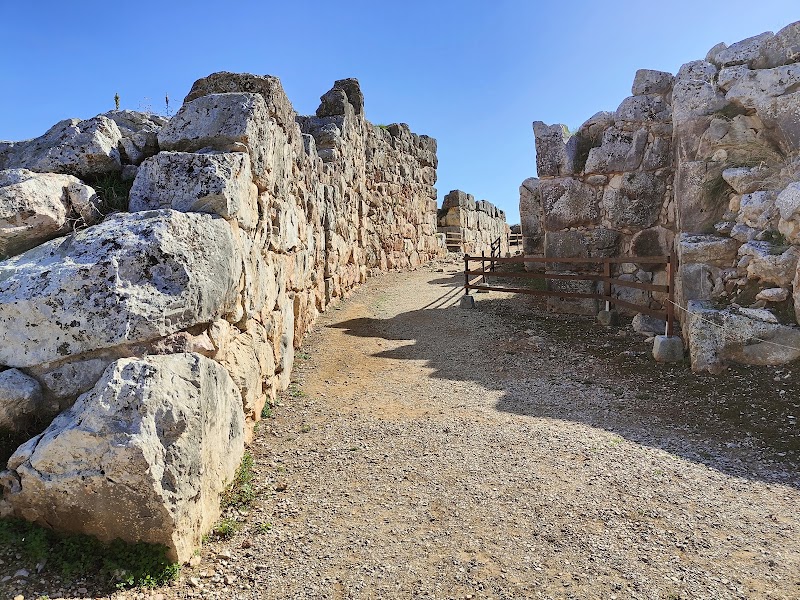
Tiryns: Mighty Mycenaean Walls Close to Nafplio
Massive stone ramparts and atmospheric galleries make this compact citadel a rewarding companion to better-known Mycenae.
Greece · Delphi
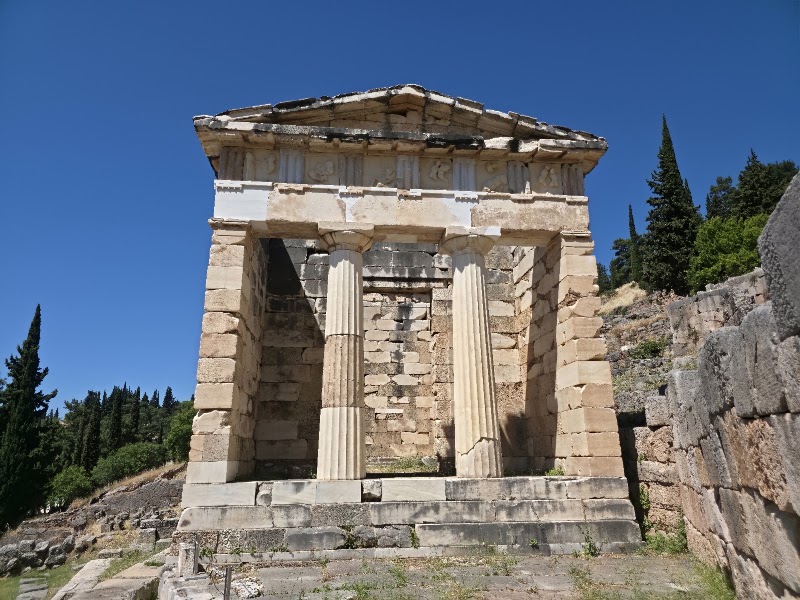
Delphi Archaeological Site: Ruins Above a Dramatic Valley
Ancient monuments, mountain scenery and a rewarding climb make Delphi one of Greece’s most impressive archaeological sites.
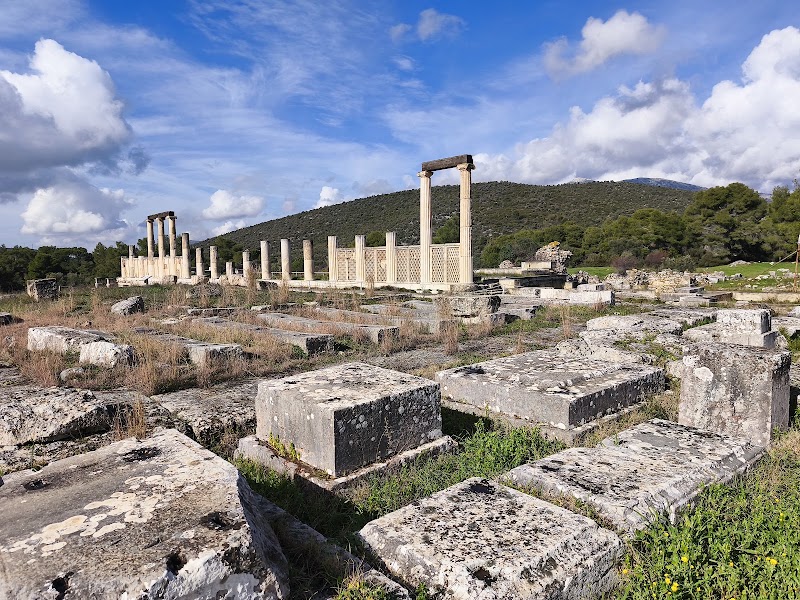
Greece · Epidavros
Epidaurus: Theatre, Healing Sanctuary and Ancient Ruins
A vast ancient healing sanctuary where a monumental theatre, evocative foundations and a compact museum reward several hours of exploration.
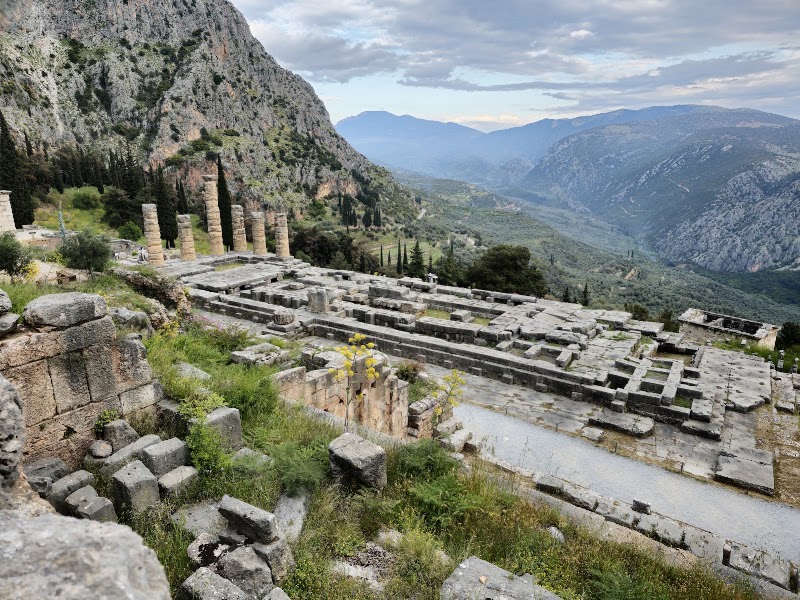
Greece · Delphi
Temple of Apollo: Delphi’s dramatic ancient landmark
Ancient ruins, mountain scenery and a strong museum visit make the Temple of Apollo an essential stop within Delphi’s archaeological site.