Ancient Agora of Athens: temples, ruins and Acropolis views
A vast archaeological site where a remarkably preserved temple, an informative museum and open views reward a slower look at ancient Athens.
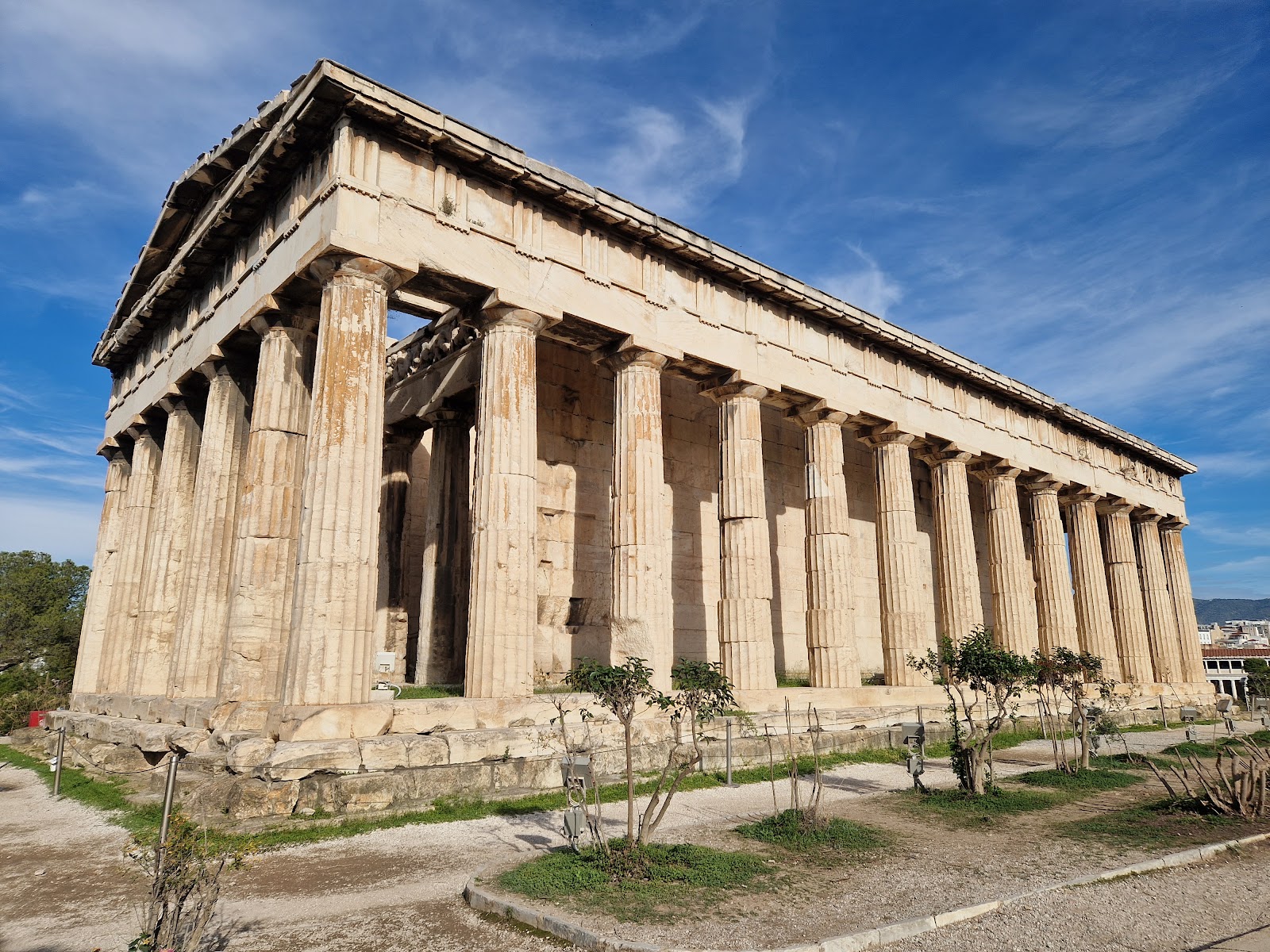
More photos
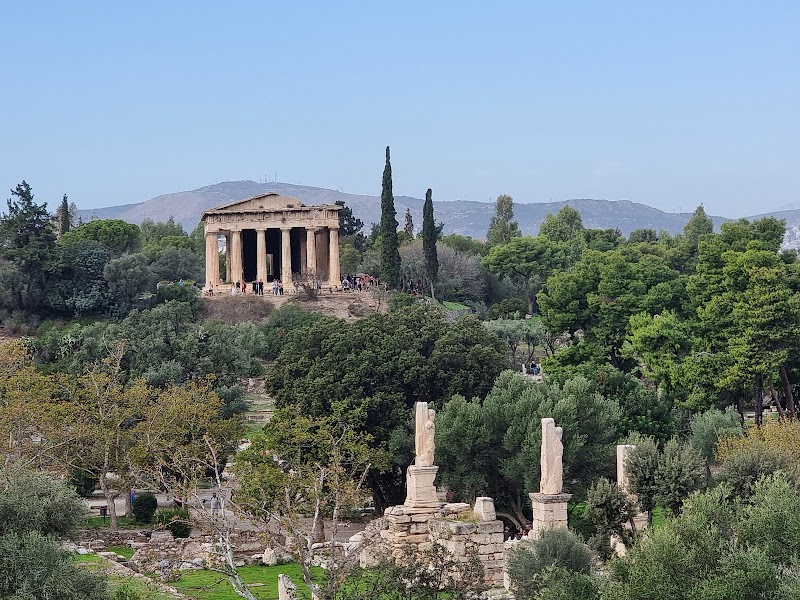


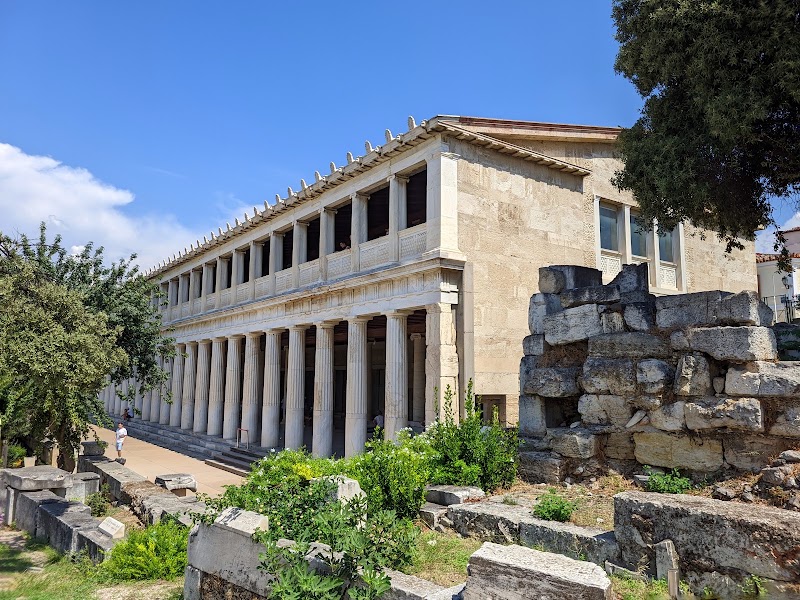
Photos published by travelers on Google, not AI generated.
What stands out
- Temple of Hephaestus
- Views of the Acropolis
- Museum displays
- Ancient markets and civic remains
- Audio guide
Worth knowing
- Uneven dirt and rocky paths
- Extensive exposure to sun and heat
- Considerable walking across the site
Don't miss
What comes up most in public reviews
- See the Temple of Hephaestus
- Visit the museum
- Look back toward the Acropolis
- Download the audio guide
Worth the trip?
The verdict
The Ancient Agora earns a strong 4.7 Google rating from 40326 reviews, with public feedback repeatedly praising its historical significance, atmosphere and position below the Acropolis. The site takes more effort to explore than a conventional museum, but that scale is central to its appeal. Visitors move through the remains of markets, temples, civic buildings and infrastructure rather than viewing antiquity entirely behind glass.
Reviewers commonly regard it as an essential Athens landmark. Several also describe it as less crowded than the Acropolis, although visitor levels naturally vary. The combination of ruins, open space and a museum gives the Agora more variety than a quick photo stop.
What stands out
The Temple of Hephaestus is the clear highlight in the supplied reviews. Travellers repeatedly single it out for its exceptional preservation, with some considering it reason enough to enter. Its condition makes the ancient architecture easier to appreciate than fragmented foundations alone.
Views toward the Acropolis provide another recurring highlight. From within the Agora, visitors can see the hilltop monuments while walking through the lower civic centre of ancient Athens. That visual relationship helps put both sites into context.
The museum adds structure to the experience, particularly for travellers who want more than scattered ruins. Reviews describe it as interesting and worth including, while also valuing it as a cooler indoor break. An audio guide is mentioned more than once and is recommended for understanding how the compound developed and how its different buildings functioned.
Planning a comfortable visit
This is an outdoor archaeological site exposed to Athens weather. Reviews warn of extensive walking on dirt, rocks and uneven, unpaved paths. Closed-toe shoes are a sensible choice, while a hat and drinking water become especially important in summer.
Some shade is available beneath trees, and the museum can provide relief from the heat, but most of the visit remains outdoors. Travellers sensitive to high temperatures should favour a cooler part of the day rather than relying on indoor areas. The large compound also rewards an unhurried schedule. A rushed visit may cover the temple and museum, but it leaves less time to understand the markets, civic spaces, water systems and other archaeological remains mentioned by reviewers.
Downloading the audio guide before or near the start of the visit can make the surviving foundations easier to interpret. Language options are noted positively in the reviews.
Who should visit
The Agora best suits history-minded travellers who enjoy exploring archaeological landscapes on foot. Families may also find it engaging, with one review specifically reporting that children enjoyed the Temple of Hephaestus. The open views and relatively spacious setting add appeal for visitors who find denser attractions tiring.
Mobility and heat tolerance deserve consideration because of the rough ground, exposure and walking involved. For those prepared with suitable footwear, water and enough time, the public consensus points to a rewarding counterpart to the Acropolis rather than a secondary Athens ruin.
Ask anything
Looking for somewhere else?
Keep exploring around Athens
More from Greece
Greece · Peloponnese
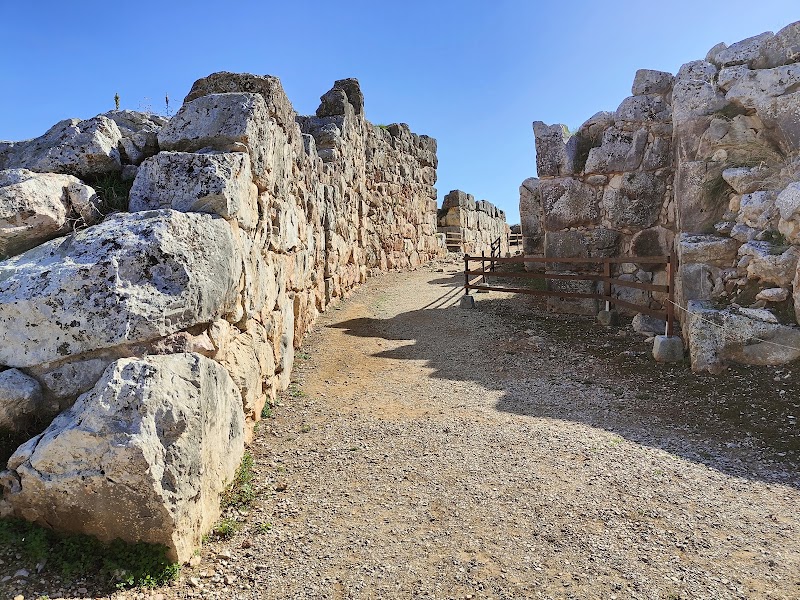
Tiryns: Mighty Mycenaean Walls Close to Nafplio
Massive stone ramparts and atmospheric galleries make this compact citadel a rewarding companion to better-known Mycenae.
Greece · Delphi
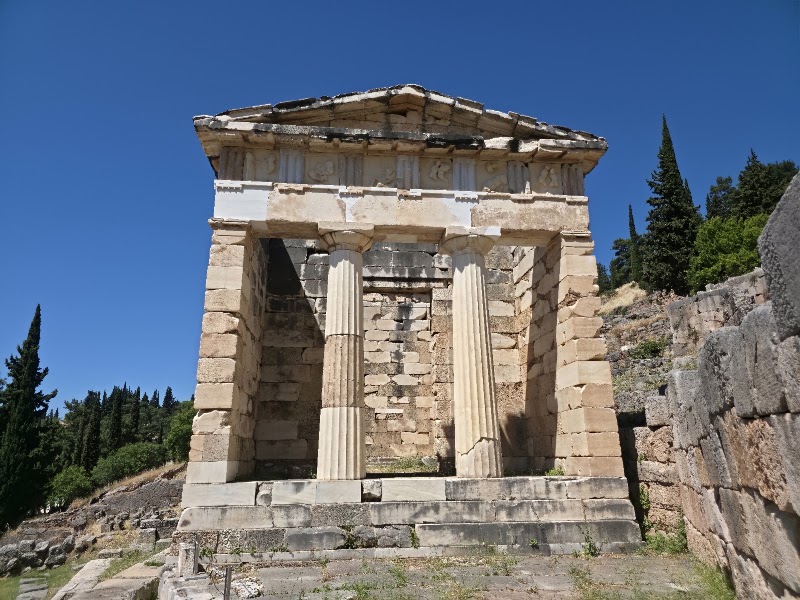
Delphi Archaeological Site: Ruins Above a Dramatic Valley
Ancient monuments, mountain scenery and a rewarding climb make Delphi one of Greece’s most impressive archaeological sites.
Greece · Delos
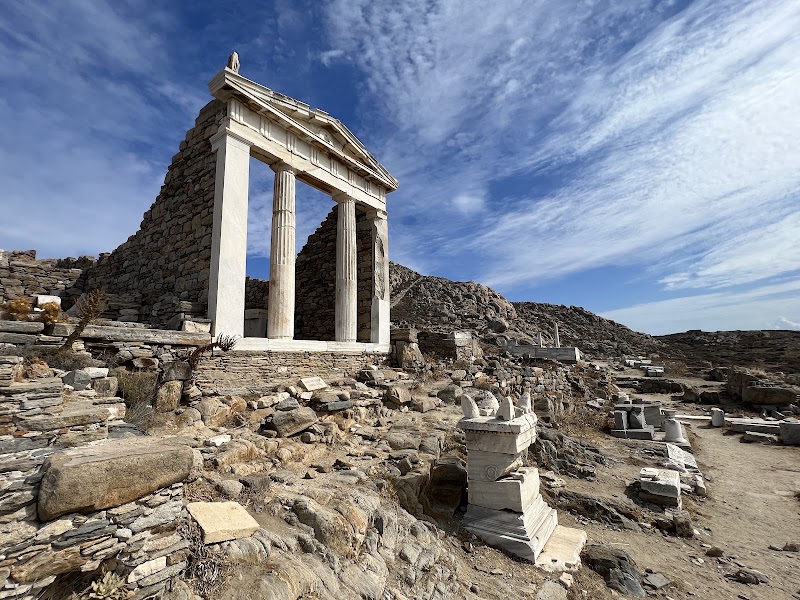
Delos rewards time, context and sturdy walking shoes
Ancient sanctuaries, residential ruins and sweeping views make Delos a compelling half-day excursion for history-minded travellers.
Greece · Epidavros
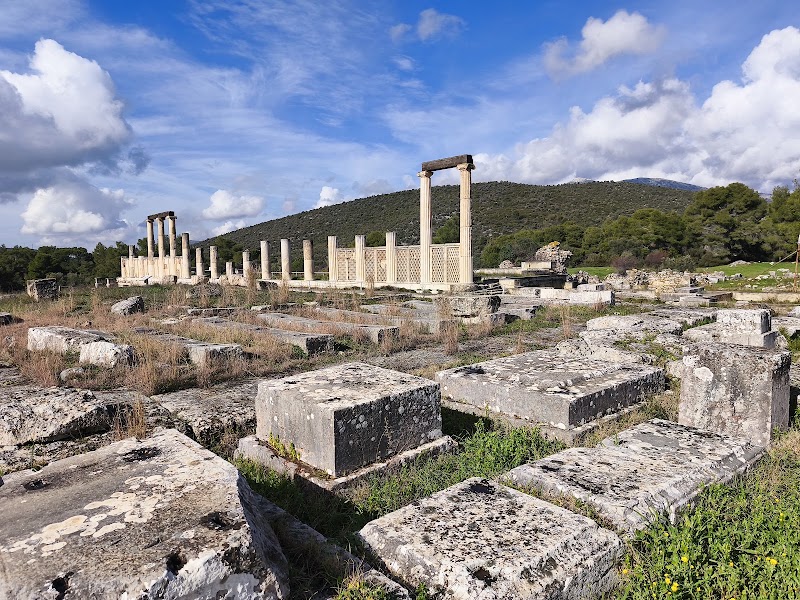
Epidaurus: Theatre, Healing Sanctuary and Ancient Ruins
A vast ancient healing sanctuary where a monumental theatre, evocative foundations and a compact museum reward several hours of exploration.