Mystras Castle: Byzantine Ruins, Steep Paths and Wide Views
Public reviews praise Mystras for its preserved Byzantine remains, remarkable views and rewarding climb, while warning visitors to prepare for heat and uneven ground.
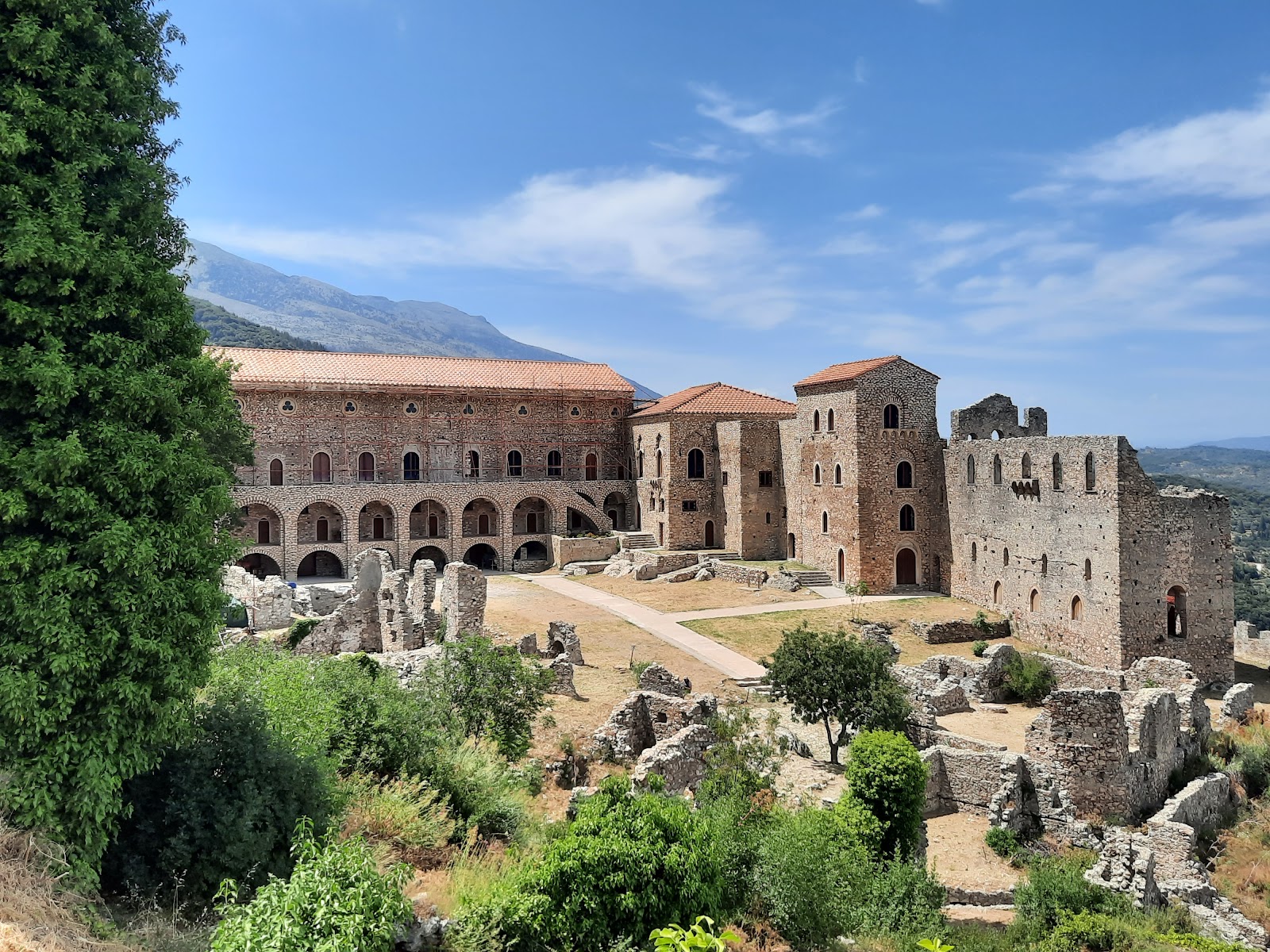
More photos
Photos published by travelers on Google, not AI generated.
What stands out
- Byzantine fortified town
- Views from the upper sections
- Well-maintained palace
- Detailed historical explanations
- Ruins explored on foot
Worth knowing
- Steep, narrow and rocky paths
- Summer heat and limited shade
- Bring water and sturdy footwear
Don't miss
What comes up most in public reviews
- Explore the Byzantine fortified town
- Visit the palace
- Read the site's historical explanations
Worth the trip?
What the reviews show
The Acropolis and Fortification Castle of Mystras is a substantial historical site with enough ground to cover on foot. Its public Google rating is 4.7 from 2,987 reviews, with visitors repeatedly describing the experience as memorable, beautiful and worthwhile. The appeal lies in the setting as much as the ruins: the site opens across a fortified Byzantine town, with paths leading through historic remains toward higher viewpoints.
Several reviewers compare the experience favourably with better-known ancient sites in Athens. That comparison is personal rather than a formal ranking, but it signals the strength of the response. Visitors value the chance to explore a real fortified settlement while also learning about its history.
A site that feels like a hike
This is not a quick, level stroll. Reviews describe narrow, rocky routes, cobbled climbs and a long uphill walk. One visitor estimated one to two hours for a slow ascent, while another described roughly 20 minutes to reach the top. The difference reflects route, pace and the point each person considered the finish.
The practical message is consistent: sturdy trainers or hiking boots are a better choice than sandals or loose casual footwear. Good grip matters. Uneven surfaces can make the descent just as demanding as the climb, particularly for visitors who are not used to walking on rocky paths.
The effort pays off with broad views from above. Reviewers repeatedly call the scenery stunning or unbelievable, making the higher sections a central reason to continue rather than turning back among the lower ruins.
Heat changes the experience
Summer visitors should plan carefully. Public reviews strongly recommend arriving earlier in the day, when the heat is more manageable. Water, a hat and suitable clothing are considered essential for the exposed uphill sections. One review notes that water is available at a high cost, so bringing enough for the visit is sensible.
Toilets are reported at the entrance and near the palace. That is useful because the site can take several hours to explore at a relaxed pace. The walk is slow in places, and the terrain rewards stopping to look around rather than rushing between points.
What to see on the way up
The preserved Byzantine fortified town is the main event. Visitors can explore the ruins, follow the old routes and spend time at the palace, which reviews describe as particularly well maintained. The historical explanation is also praised, giving context to the structures rather than leaving the site as a collection of stones.
The Acropolis and fortification area should be treated as a half-day outdoor visit, especially in warm weather. It suits travellers who enjoy history with a physical element. Those seeking an easy-access attraction may find the climbs and rocky surfaces tiring. For prepared visitors, the combination is compelling: a deeply historic landscape, a serious walk and views that stay with the visit.
Plan the rest of the trip
Ask anything
Looking for somewhere else?
Keep exploring around Lower Town
More from Greece

Greece · Kastoria
Limneon Resort & Spa: Lake Views Above Kastoria
Public reviews rate this hillside resort highly for its lake views, welcoming staff, pools and useful facilities, with some renovation caveats.

Greece · Vergina
Ancient Necropolis of Aigai: Macedonia’s Royal Tombs
Public reviews place Vergina’s ancient necropolis among Greece’s most powerful historical sites, with royal tombs, artefacts and a deeply atmospheric museum.
Greece · Αθήνα
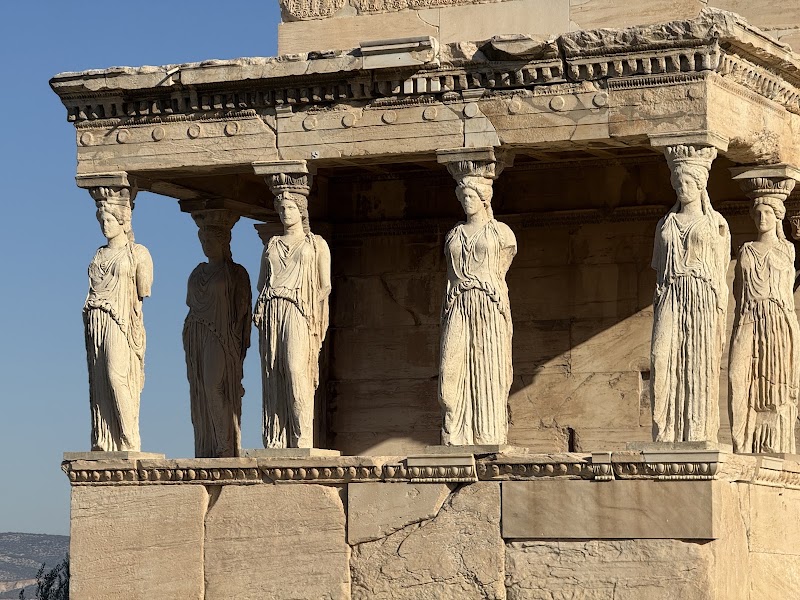
Temple of Athena Nike: Athens’s Small Classical Masterpiece
Public reviews consistently praise this elegant Acropolis temple for its symmetry, restoration, historical depth and commanding views over Athens.
Greece · Chaidari
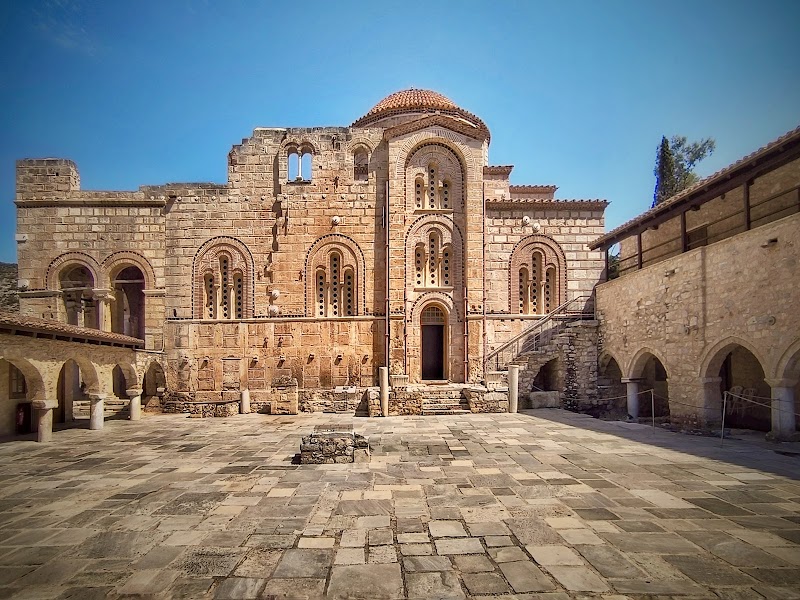
Holy Monastery of Daphni: Byzantine Art Near Athens
This peaceful monastery in Chaidari is known for extraordinary Byzantine mosaics, including its powerful Christ Pantocrator.