Zollverein: Industrial history on a monumental scale
Essen’s vast former coal-mining complex pairs imposing industrial architecture with museums, exhibitions and far-reaching rooftop views.
More photos
Photos published by travelers on Google, not AI generated.
What stands out
- Monumental industrial architecture
- Detailed exhibits at the Ruhr Museum
- Rooftop views across Essen
- Expansive grounds to explore
- Cultural events in an industrial setting
Worth knowing
- Separate paid attractions may add up
- Some historic facilities have stairs
- Wheelchair users may need pushing assistance
Don't miss
What comes up most in public reviews
- Ruhr Museum
- The rooftop view
- The preserved coal mine buildings
- A walk through the wider complex
Worth the trip?
Why it stands out
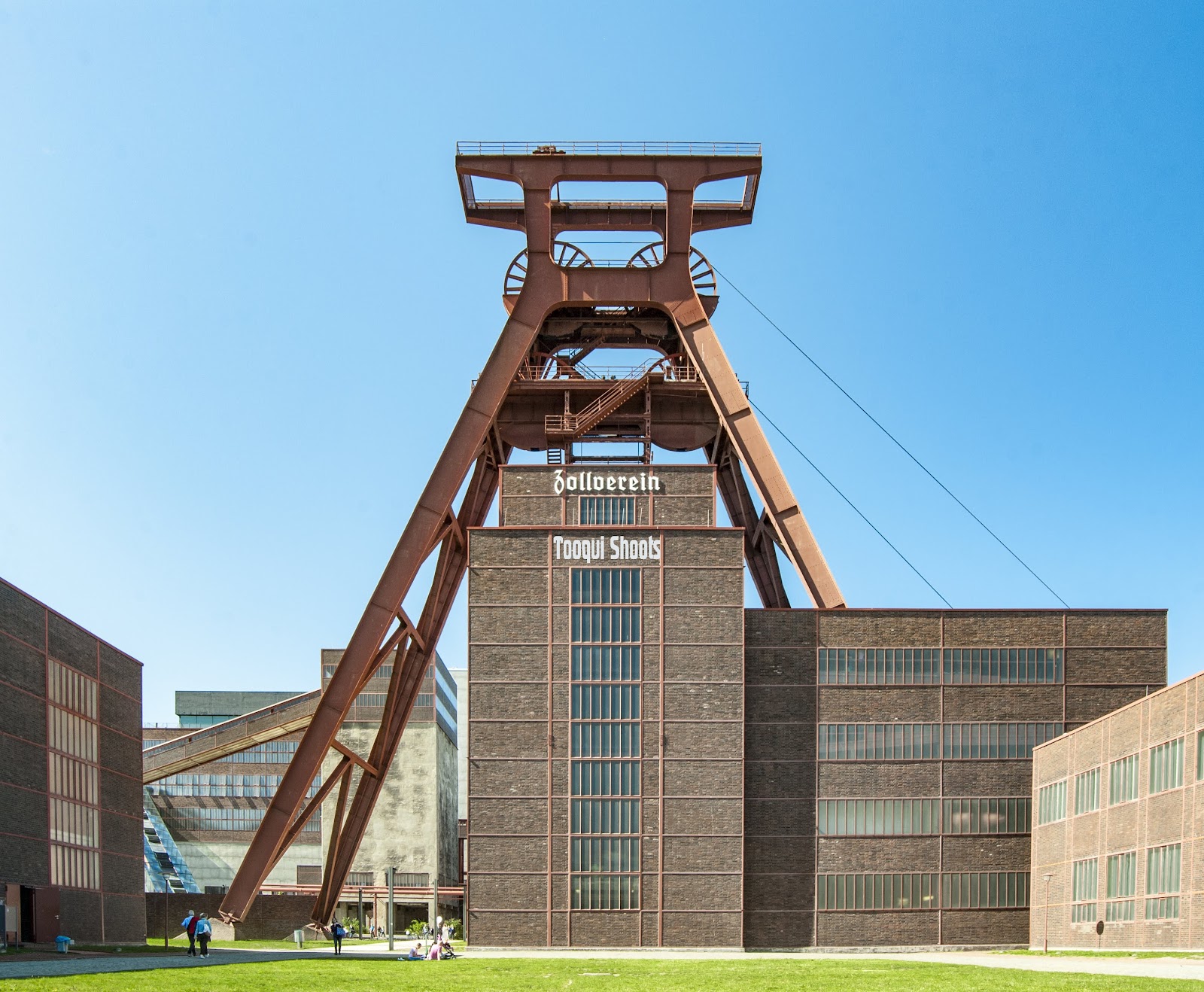
Zollverein UNESCO World Heritage Site is repeatedly described by reviewers as far more than a coal-mining museum. Across a sprawling complex of preserved industrial buildings, visitors encounter the scale, machinery and architecture of Germany’s coal-producing past, alongside museums, exhibitions and cultural events.
That combination helps explain its Google rating of 4.7 from 25,670 reviews. Public feedback frequently focuses on the visual impact of the site: rust-coloured structures, monumental buildings and the sheer size of the former mine. Even visitors who do not enter every exhibition can spend time walking around the grounds and looking up at the industrial architecture.
Museums, history and views
The Ruhr Museum receives particularly positive mentions. Reviewers describe its presentation of regional and industrial history as interesting, detailed and authentic. For travellers wanting context rather than a simple architectural walk, it appears to be the most clearly recommended named attraction within the complex.
The rooftop view is another recurring highlight. One reviewer praised the outlook across Essen, surrounding cities and the wider Zollverein site. This elevated perspective also helps visitors understand how extensive the former industrial operation was.
Experiences are not limited to conventional museum displays. Reviews refer to modern exhibitions, cultural programming and industrial music events, suggesting that the preserved structures function as an atmospheric setting as well as a historical attraction. The site’s layout encourages exploration, and returning visitors report continuing to find plenty to see.
Practical considerations
The complex is large enough to merit at least half a day, particularly when a museum visit is included. Those primarily interested in photography and architecture may be satisfied by walking the grounds, while history-focused visitors should allow longer for the Ruhr Museum and other exhibitions.
Accessibility receives qualified praise. One reviewer reports that the Ruhr Museum is fully accessible for wheelchair users and that the wider terrain can be navigated with a wheelchair, although a pushing aid may be helpful. Some other facilities retain historic features, including stairs, and may not be accessible. Visitors with specific mobility requirements should confirm access for individual buildings before arrival.
Cost is the main criticism in the supplied public feedback. One reviewer felt that separate paid attractions offered poor value and noted that simply walking around did not provide enough explanation. Travellers choosing among several museums or exhibitions may therefore want to check what each admission includes rather than assuming the entire complex forms one unified visit.
Editorial verdict
Zollverein works best for travellers drawn to industrial history, large-scale architecture and museums with a strong sense of place. Its preserved structures make an immediate impression, while the Ruhr Museum adds depth and historical context. The grounds alone offer visual interest, but the experience is more informative when paired with a well-chosen exhibition or museum visit.
Plan the rest of the trip
Ask anything
Looking for somewhere else?
Keep exploring around Essen
More from Sweden
Sweden · Uppsala
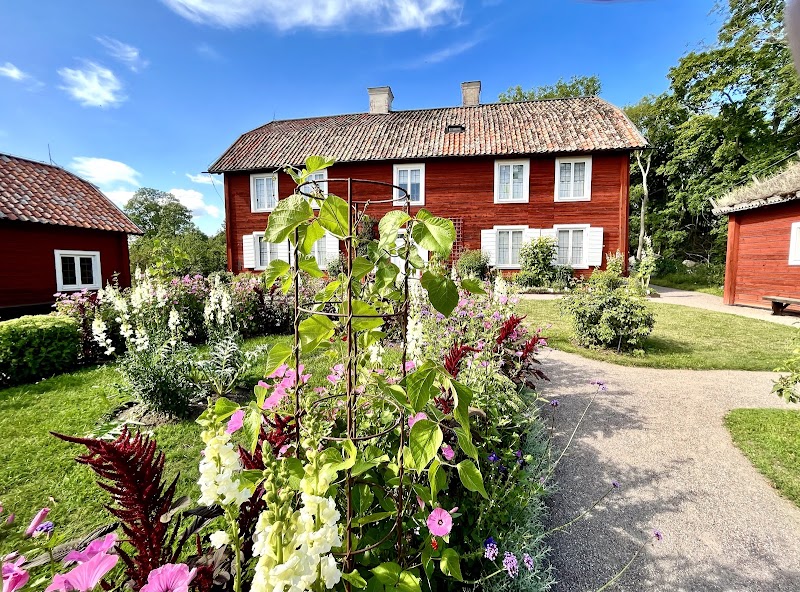
Linnaeus’ Hammarby: Botany and history beyond Uppsala
Carl Linnaeus’ former summer residence combines preserved interiors, historic gardens and countryside walks outside central Uppsala.
Sweden · Drottningholm
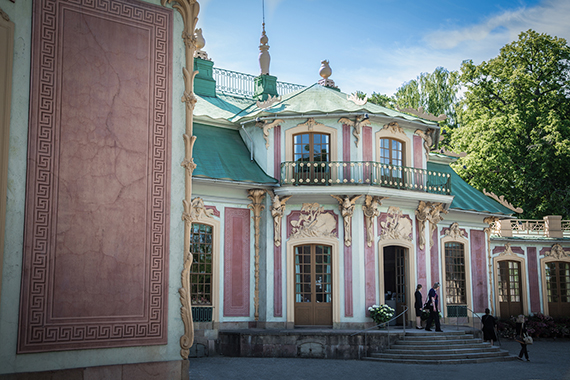
The Chinese Pavilion: A Worthwhile Drottningholm Add-On
A small, atmospheric pavilion reached through Drottningholm’s gardens, best treated as a companion to the palace rather than a standalone outing.
Sweden · Kungälv
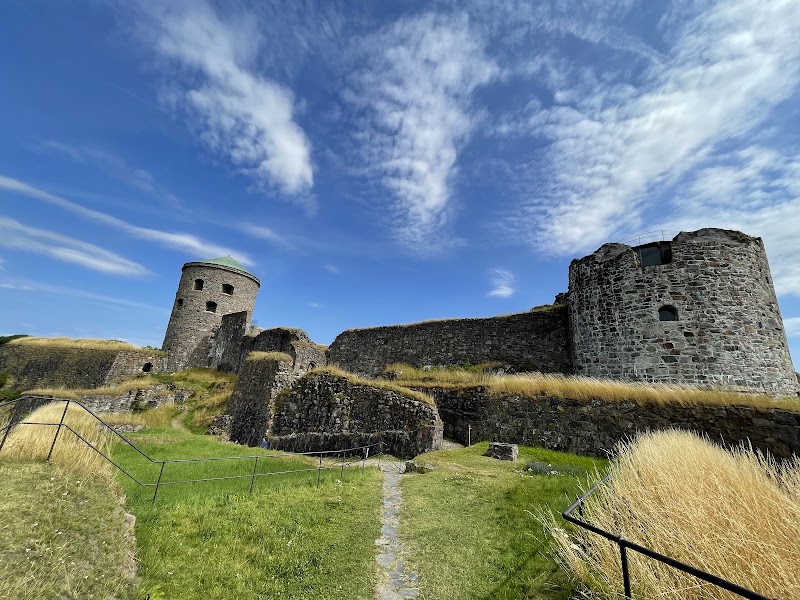
Bohus Fortress: Battles, Ruins and Family Activities
Public reviews praise this imposing Kungälv fortress for its turbulent history, atmospheric ruins and summer activities for children.
Sweden · Örebro
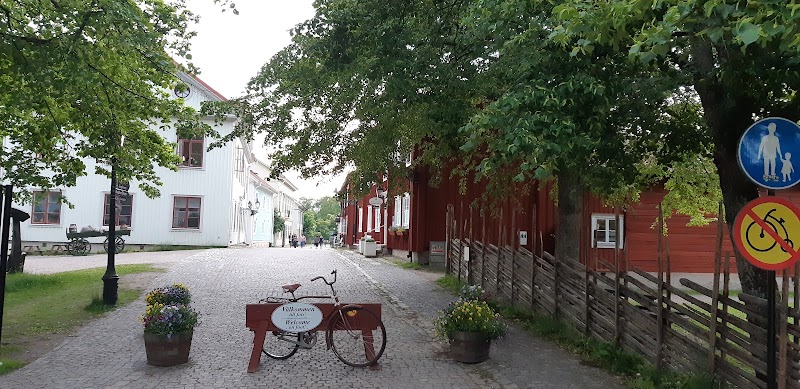
Wadköping: Historic Streets and Riverside Calm in Örebro
Preserved buildings, small shops and nearby parkland make Wadköping an easy, unhurried introduction to Örebro’s past.