Zollverein: Essen’s Monument to the Industrial Ruhr
Monumental mine architecture, the Ruhr Museum and sweeping rooftop views make Zollverein one of Essen’s most absorbing cultural landmarks.
More photos
Photos published by travelers on Google, not AI generated.
What stands out
- Monumental preserved mine architecture
- Detailed industrial history exhibits
- Expansive complex to explore on foot
- Views across Essen and the mine site
Worth knowing
- Separate admissions can feel poor value
- Some historic facilities are not accessible
- Large grounds may require mobility assistance
Don't miss
What comes up most in public reviews
- Explore the preserved coal mine buildings
- Visit the Ruhr Museum
- Take in the view from the roof
- Walk around the wider industrial complex
Worth the trip?
Why it stands out
Zollverein UNESCO World Heritage Site turns Essen’s coal-mining past into a large-scale cultural attraction. Its 4.7 Google rating from 25669 reviews reflects strong enthusiasm for the preserved industrial architecture, the sheer size of the complex and the way museums and exhibitions bring the Ruhr region’s history into focus.
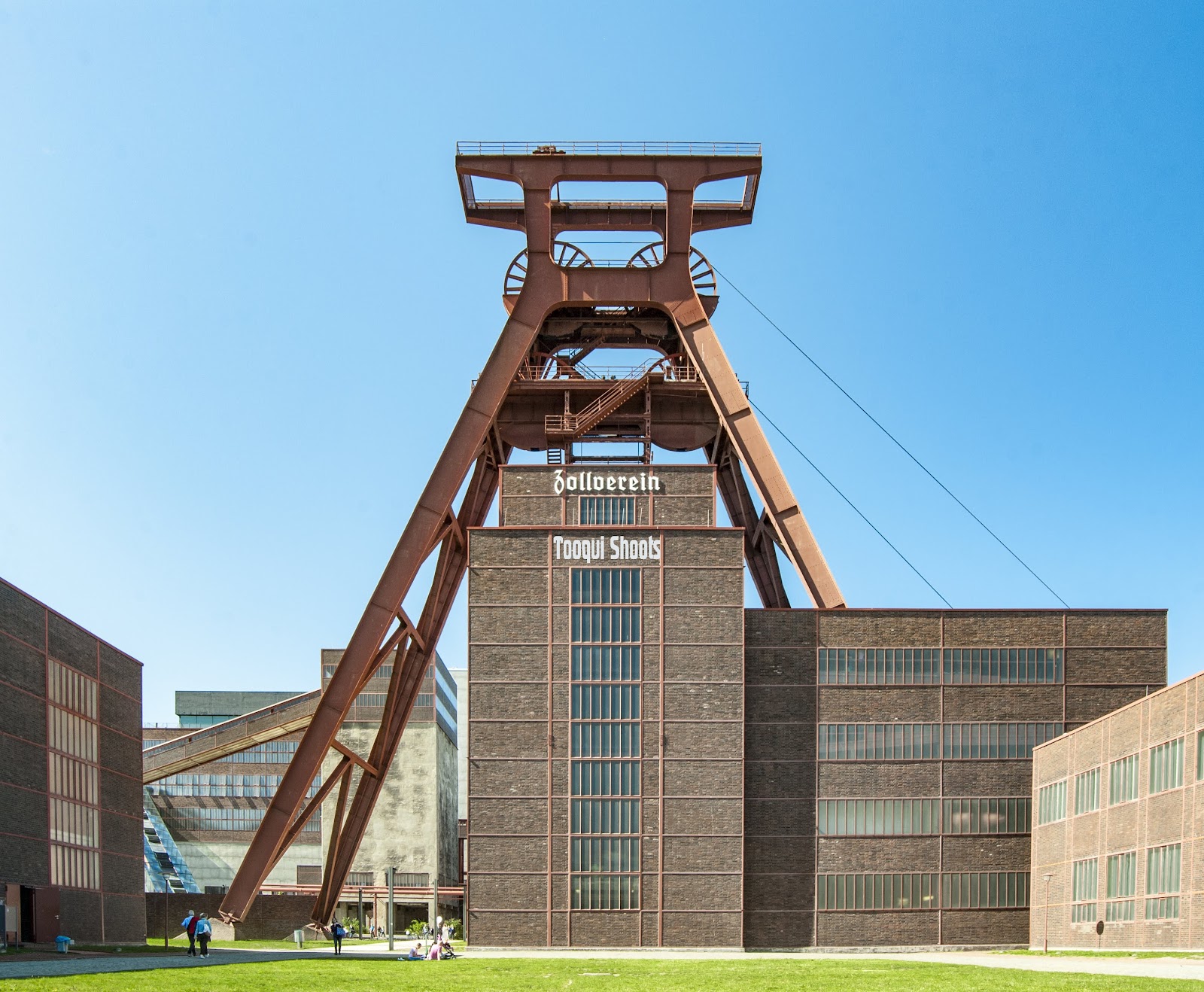
Public reviews repeatedly suggest that this is much more than a conventional mining museum. Former industrial buildings, rust-coloured structures and extensive grounds create a striking setting in their own right. Visitors can walk around the site, study the architecture and get a sense of the physical scale of coal production before deciding which indoor attractions to enter. That combination of open-air exploration and curated history gives Zollverein broad appeal, including for travellers who are more interested in design or photography than machinery.
Museums, architecture and views
The Ruhr Museum is the clearest recurring recommendation. Reviewers describe it as interesting, detailed and authentic, with displays that help explain both the mine and the wider industrial story of the region. Modern exhibitions make an imposing historic site feel more accessible, although reactions to individual paid museum spaces are not universally positive.
The architecture is just as important as the collections. Towering frameworks and preserved production buildings dominate the landscape, giving the complex a powerful visual identity. Reviews convey a sense of discovery, with enough structures and pathways to make the grounds feel like an extended exploration rather than a single museum visit.
The rooftop viewpoint is another specifically praised feature. It opens up views across Essen, neighbouring cities and the wider mine complex, helping visitors understand Zollverein’s scale and its place within the Ruhr’s dense urban landscape. Cultural events and music also suit the industrial setting, adding a contemporary use to the historic structures.
Planning the visit
Half a day is a sensible starting point, particularly when combining the grounds, the Ruhr Museum and the rooftop view. Travellers chiefly interested in architecture can still find plenty to see by walking around the complex, while museum-focused visitors should allow more time.
Accessibility appears reasonably good across the main terrain and within the Ruhr Museum, according to public feedback. One wheelchair user reported that the museum was fully accessible and that the grounds could be navigated with assistance for pushing. However, not every historic facility is accessible. Preserved structures may include stairs and physical constraints that cannot be removed without changing their character. Visitors with mobility requirements should confirm access for specific buildings before arrival.
Cost perception is the main criticism in the supplied reviews. Walking around the grounds can still deliver much of the architectural impact, but separate admissions may make a fuller visit feel less good value to some travellers. It is worth choosing museums and exhibitions selectively rather than assuming every interior space is essential.
Editorial verdict
Zollverein succeeds because the site itself is the main exhibit. The machinery, buildings and immense industrial footprint create an atmosphere that conventional galleries cannot reproduce. The Ruhr Museum adds the strongest historical context, while the rooftop view supplies a memorable overview. Despite mixed opinions on the value of some individual attractions and uneven access in historic areas, public feedback supports Zollverein as one of Essen’s most substantial landmarks.
Plan the rest of the trip
Ask anything
Looking for somewhere else?
Keep exploring around Essen
More from Germany
Germany · Hamburg
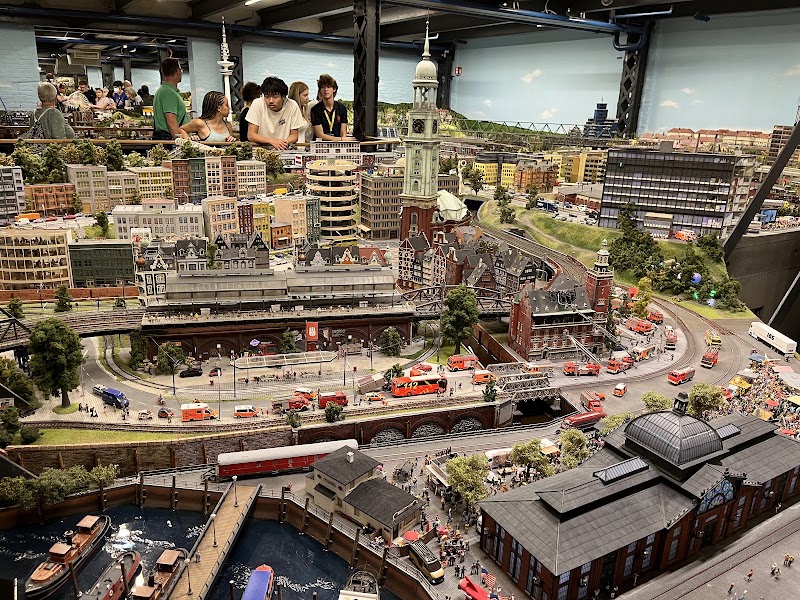
Miniatur Wunderland: Hamburg’s Small-Scale World in Remarkable Detail
Miniatur Wunderland turns trains, cities and landscapes into a richly detailed attraction that keeps adults and children searching for surprises.

Germany · Rüdesheim am Rhein
Niederwald Monument: Rhine Views and German History
The Niederwald Monument combines a major historic statue, landscaped grounds and wide Rhine views above Rüdesheim am Rhein.
Germany · Cochem
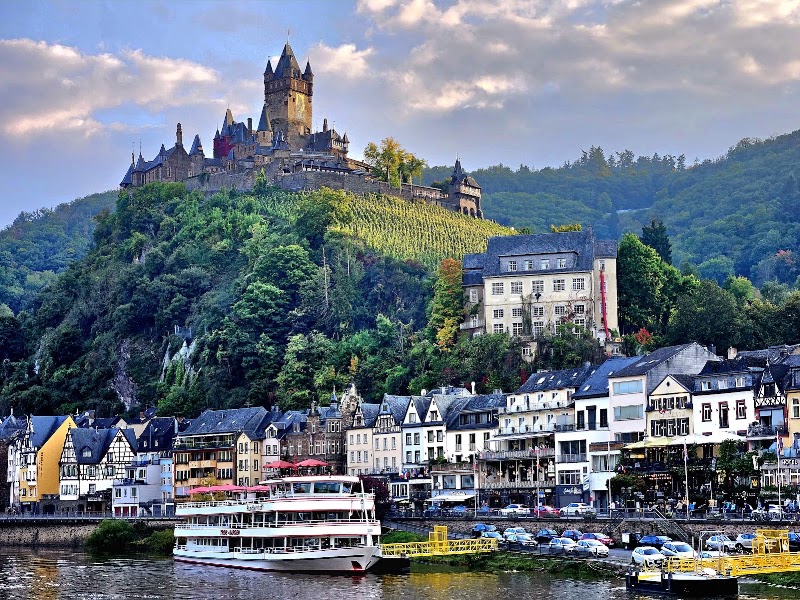
Cochem Castle Rewards the Climb with Moselle Valley Views
Reichsburg Cochem combines a steep approach, guided interiors and broad views over the town and Moselle Valley.

Germany · Vogtei
Centre of Germany: A Quiet Stop in Vogtei
Public reviews describe a clean, peaceful place near a lake, with one important caveat: visitors disagree about which point marks Germany’s true centre.