Zedekiah’s Cave: Jerusalem’s vast underground quarry
Beside Damascus Gate, this enormous limestone quarry offers atmospheric chambers, ancient stonework and a striking journey beneath Jerusalem’s Old City.
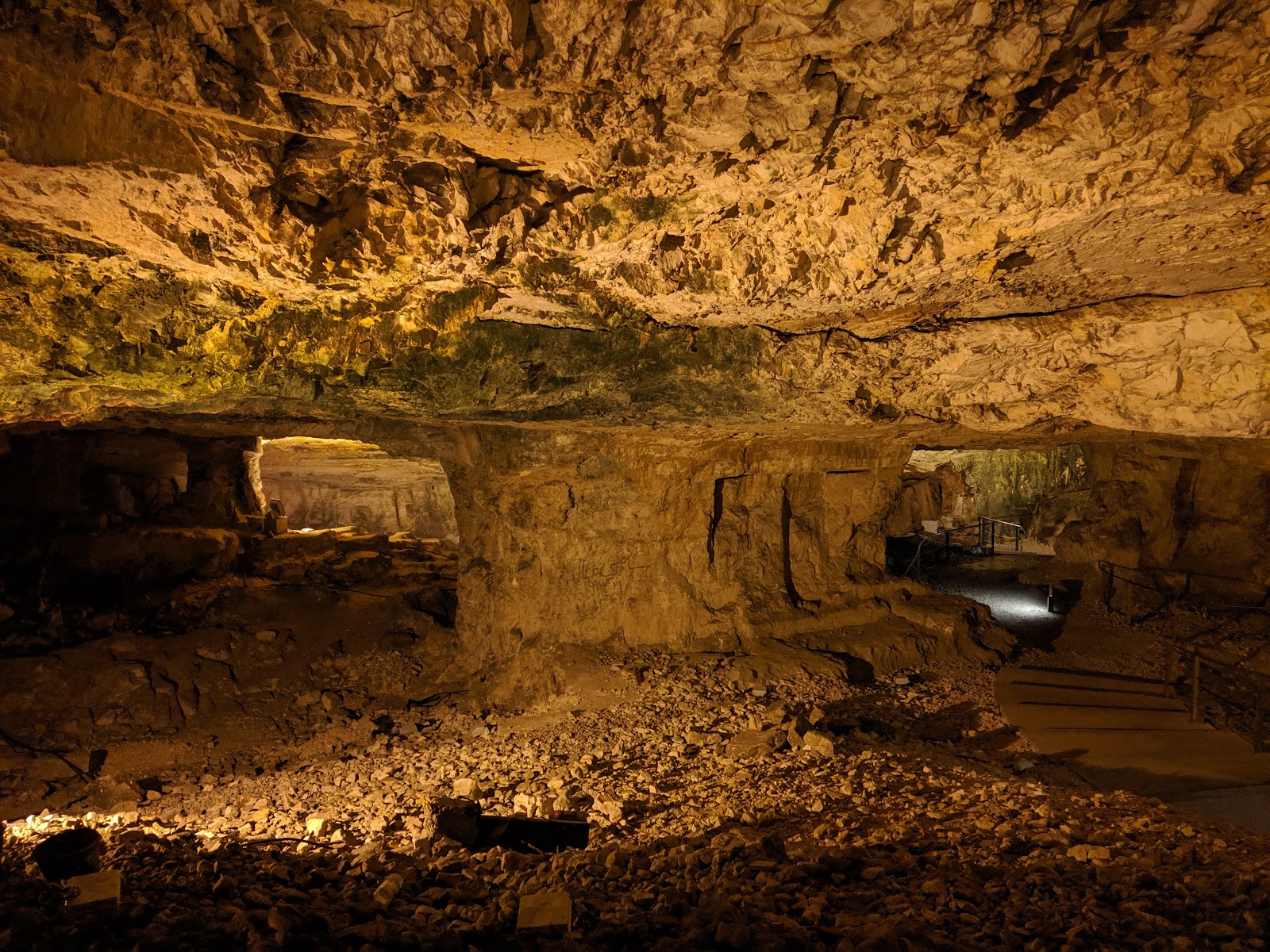
More photos
Photos published by travelers on Google, not AI generated.
What stands out
- Vast chambers beneath the Old City
- Ancient limestone quarry surfaces
- Stone pillars and historic graffiti
- Small underground spring
- Distinctive cavern acoustics
Worth knowing
- Online opening information may be outdated
- Wet or slippery sections on harder routes
- Red lighting can make photography difficult
Don't miss
What comes up most in public reviews
- The main quarry halls
- Stone pillars and cut limestone surfaces
- The underground spring
- Ancient graffiti
- The entrance beside Damascus Gate
Worth the trip?
What the reviews suggest
Zedekiah’s Cave earns a Google rating of 4.5 from 1744 reviews, with travellers repeatedly impressed by its scale, atmosphere and location beneath Jerusalem’s Old City. Also called Solomon’s Quarries, the site is described as an extensive underground meleke limestone quarry covering roughly five acres and running beneath several city blocks.
Only the cave entrance is considered natural. The chambers beyond were cut over a long period, leaving broad halls, stone pillars and visible evidence of quarrying. Reviewers often struggle to convey the size of the place, particularly given its position directly below the dense streets and historic buildings of the Muslim Quarter.
History, stone and legend
Public reviews connect the quarry with several layers of Jerusalem history. Its name refers to King Zedekiah, the Judean ruler traditionally associated with the cave, while the alternative name Solomon’s Quarries reflects stories linking its stone to the First Temple. Other reviewers point to quarrying during the Second Temple period and suggest that stone was extracted here for major construction under King Herod.
These historical associations should be treated carefully, since some are traditional or debated rather than firmly established. Even without settling the chronology, the surviving quarry is compelling evidence of large-scale stone extraction beneath the city. Travellers frequently comment on the difficulty of imagining how such substantial blocks were cut, prepared and moved through the underground passages.
The cave also has connections with Masonic traditions and ceremonies, according to reviews. Ancient graffiti adds another layer of interest, though visitors primarily praise the physical experience of entering the quarry rather than any single historical feature.
The underground experience
The main visitor route is described as extending for around 300 metres through large chambers. Stone columns, quarry surfaces and a small underground spring provide focal points along the way. The acoustics are notable enough for the space to host live music and other performances, giving the cavernous halls an additional use beyond daytime sightseeing.
Lighting contributes to the dramatic atmosphere, but one reviewer found the red illumination difficult for photography. Some routes near the lower sections are described as more demanding, with water and potentially slippery ground. Sensible footwear and a cautious pace are advisable, particularly away from the easiest walking areas.
Planning the visit
The entrance sits beside Damascus Gate, making the cave straightforward to combine with other Old City sights. Its underground setting provides a sharp contrast to Jerusalem’s crowded streets, religious landmarks and open-air markets. A visit should suit history enthusiasts, geology-minded travellers and anyone interested in the infrastructure behind the ancient city.
The main concern in the reviews is unreliable opening information. At least one traveller arrived after checking online and found the cave closed while work was taking place inside. Visitors should verify access through current official channels shortly before travelling rather than relying solely on a map listing. Event programming may also affect normal entry. When open, the quarry’s sheer size and unusual setting make it one of Jerusalem’s most distinctive historical attractions.
Plan the rest of the trip
Ask anything
Looking for somewhere else?
Keep exploring around ירושלים
More from Israel
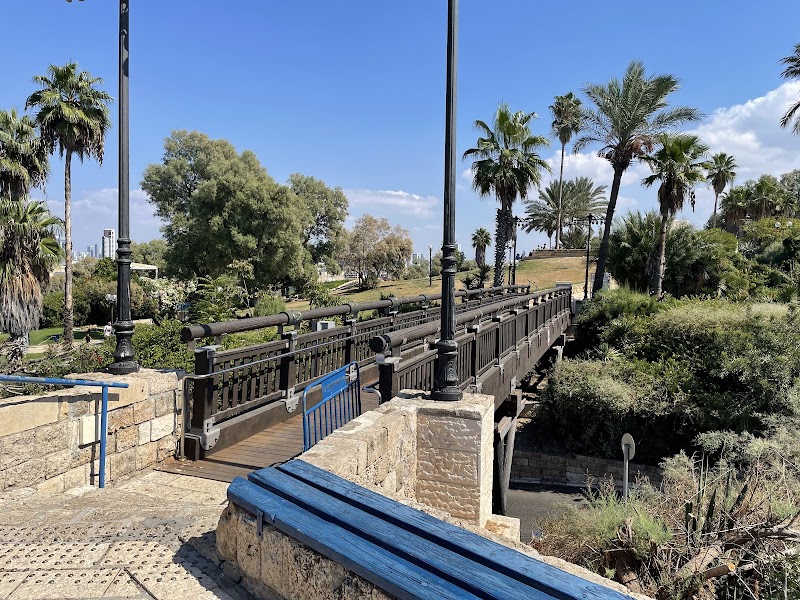
Israel · Tel Aviv-Yafo
Wishing Bridge: A Sea View and a Small Jaffa Ritual
This wooden bridge in Old Jaffa pairs zodiac plaques, a simple wishing ritual and open views towards the Mediterranean.
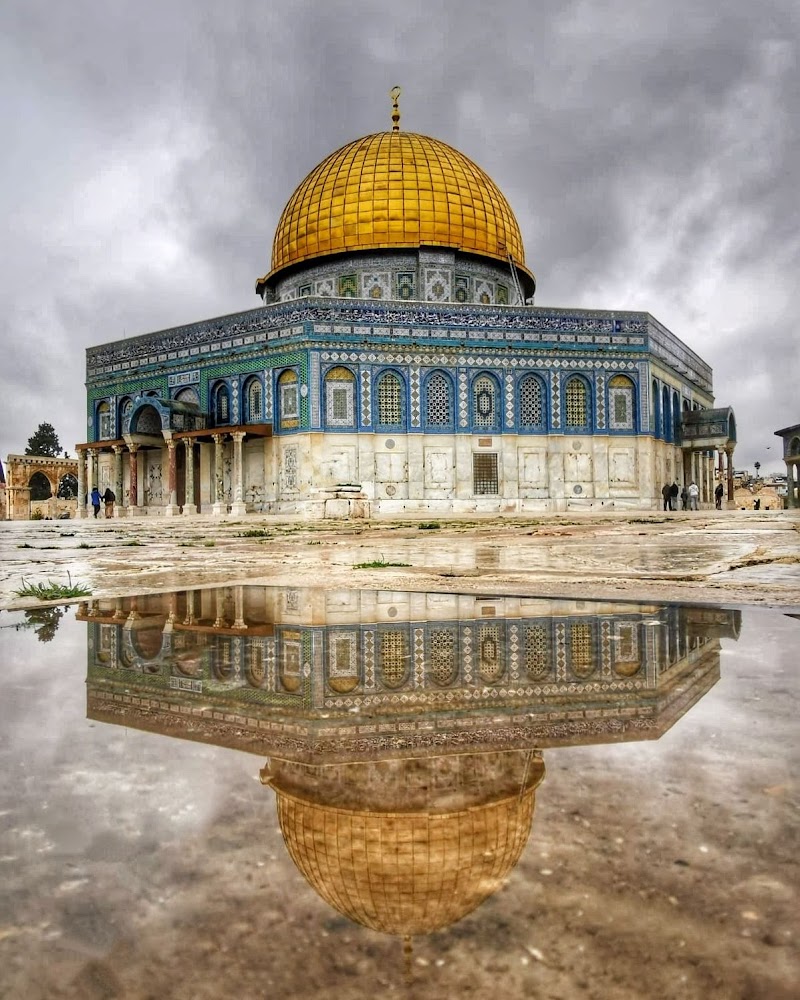
Israel · Jerusalem
Dome of the Rock: A Landmark That Demands Careful Planning
Jerusalem’s golden-domed sanctuary draws strong praise for its artistry and history, but access, photography and conduct rules require close attention.
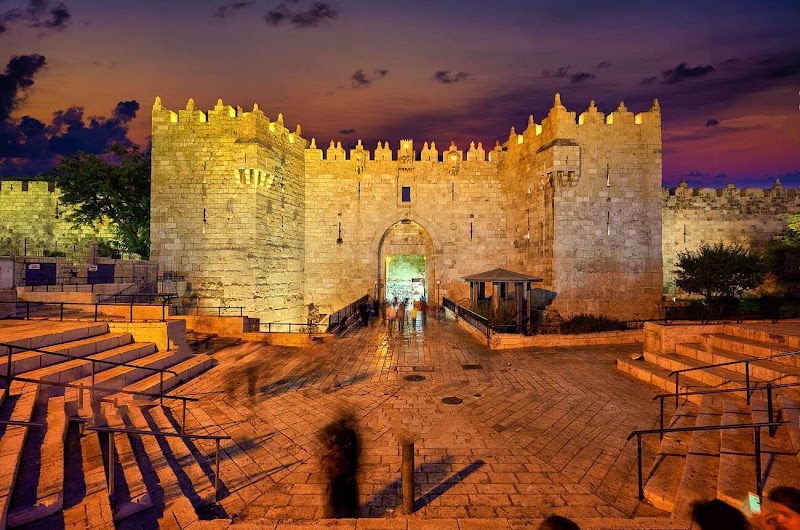
Israel · Jerusalem
Damascus Gate: Jerusalem’s Lively Old City Entrance
Damascus Gate is a memorable starting point for exploring Jerusalem’s Old City, with stone streets, local shops, food stalls and views by the Muslim Quarter.
Israel · Jerusalem
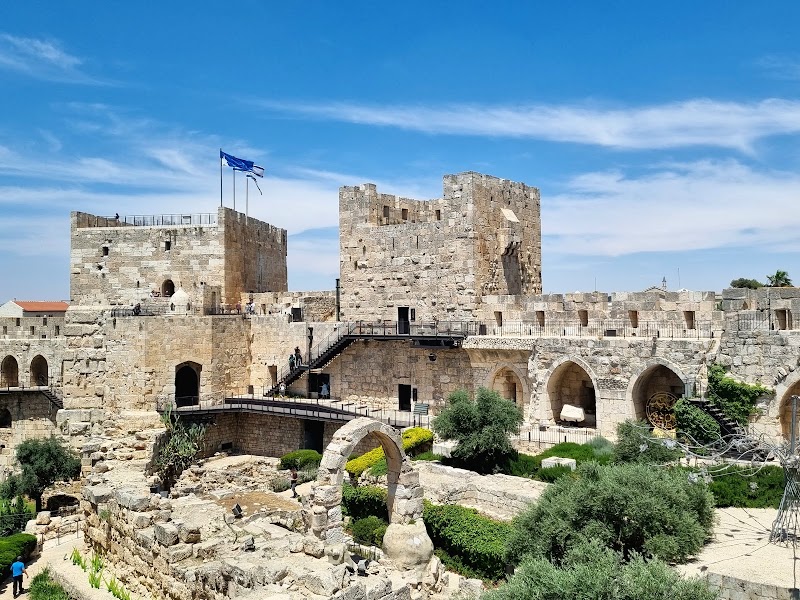
Tower of David, Jerusalem’s History Museum in an Ancient Citadel
Public reviews praise the Tower of David for its immersive Jerusalem history, thoughtful displays, professional guides and striking city views.