Zazzau Emir's Palace: Living History in Zaria City
Traditional architecture, royal history and welcoming palace staff make this Zaria landmark a compelling stop for culture-focused travellers.
More photos
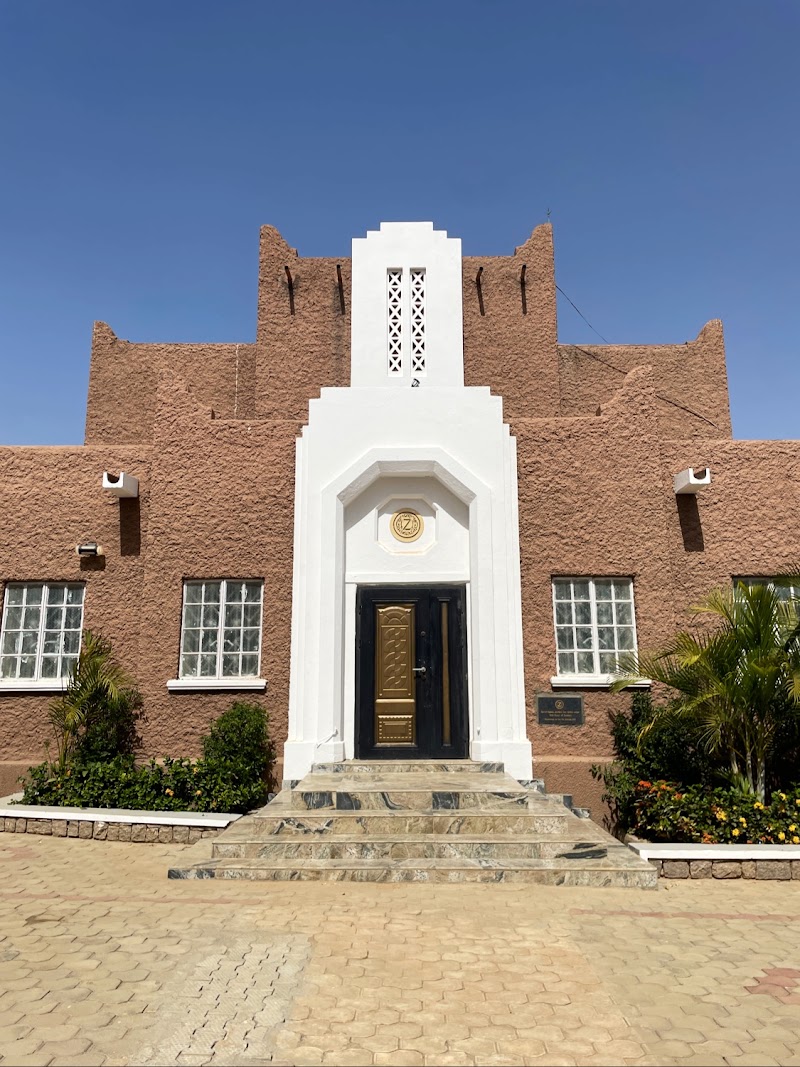
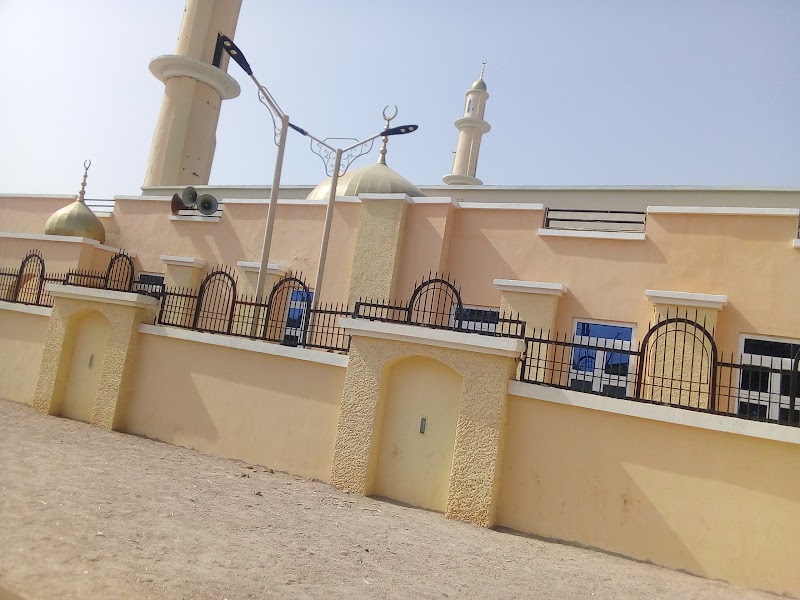
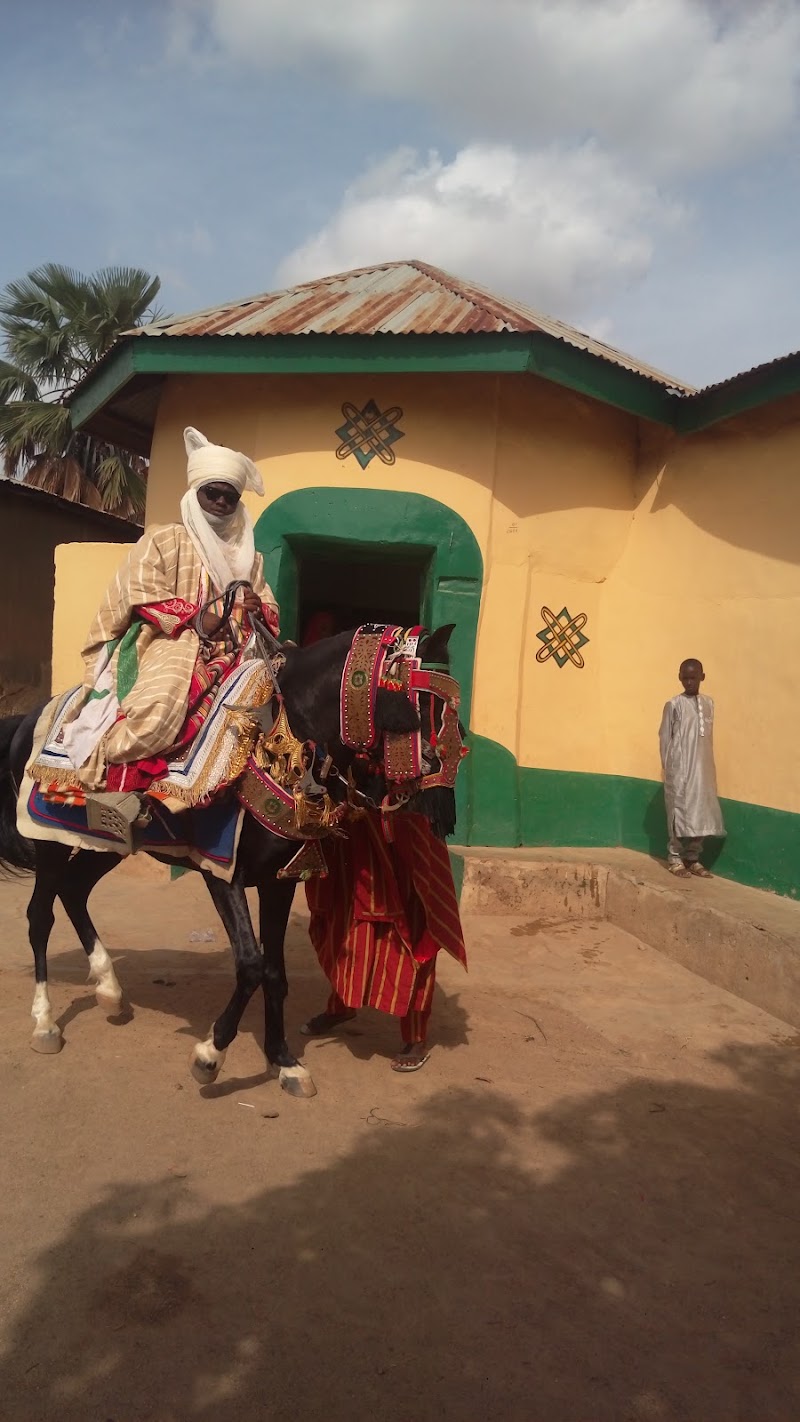
Photos published by travelers on Google, not AI generated.
What stands out
- Traditional palace architecture
- History of Zazzau's past rulers
- Welcoming palace guards and staff
- Royal traditions and paraphernalia
- Stories connected with Queen Amina
Worth knowing
- Meetings with the Emir are not guaranteed
- Reviews give little practical access information
Don't miss
What comes up most in public reviews
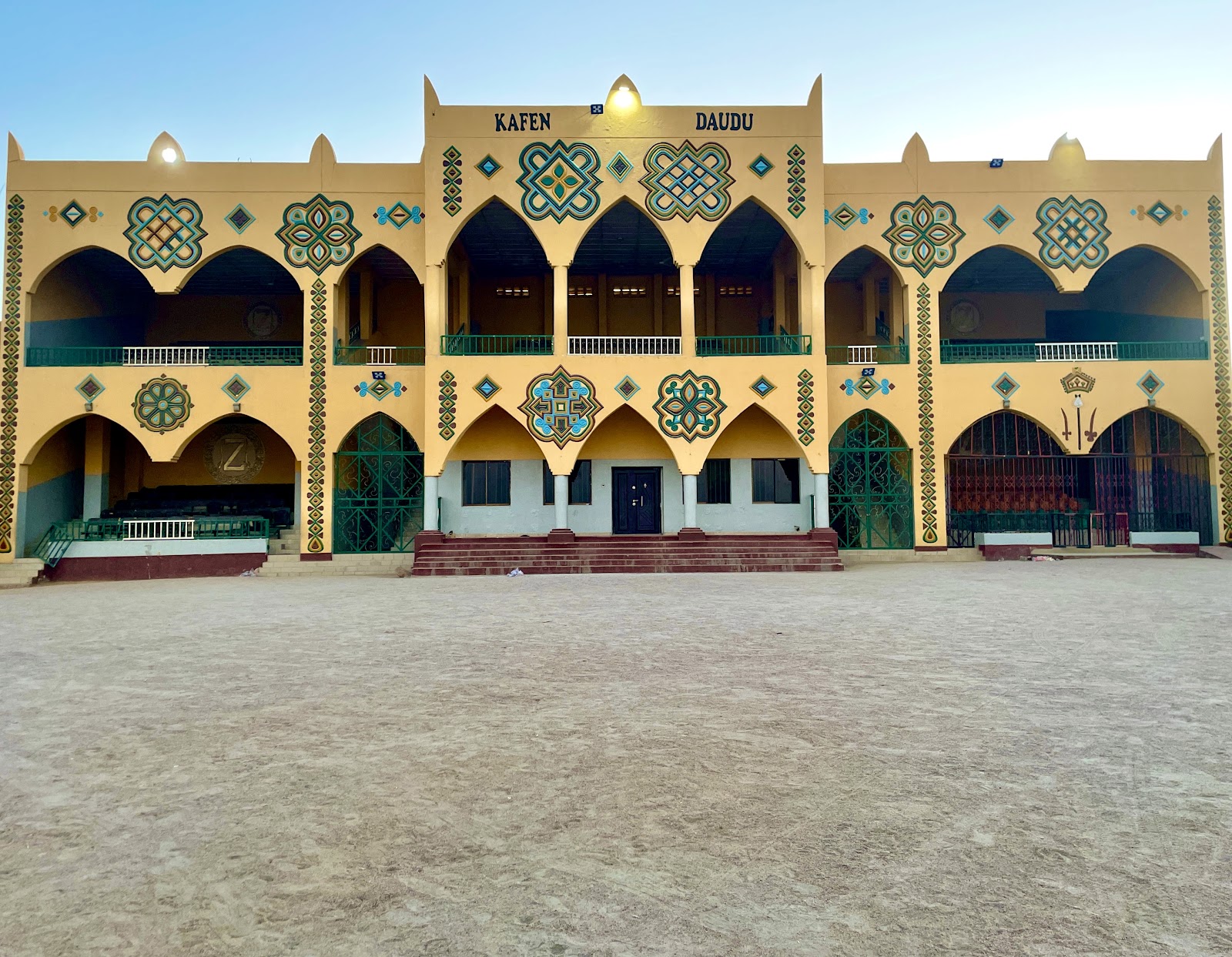
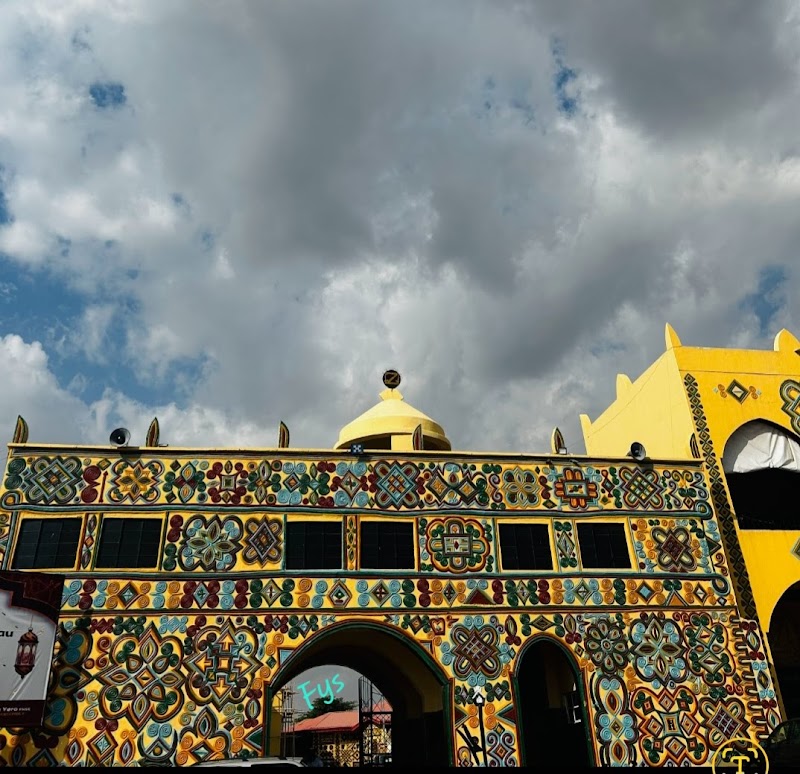
- Traditional palace buildings and original designs
- Accounts of Zazzau's past rulers
- The history of Queen Amina
- An informative explanation from palace guards
Worth the trip?
A living centre of Zazzau history
Zazzau Emir's Palace is presented in public reviews as far more than an attractive historic building. Visitors repeatedly describe it as a place where the monarchy, traditions and recorded history of Zazzau remain visible and meaningful. With a Google rating of 4.4 from 349 reviews, the palace earns particularly strong praise for its cultural significance, traditional architecture and sense of welcome.
Several reviewers arrive with a long-standing interest in the site, having learned about Zazzau through books, oral history or school lessons. That background appears to give a palace visit extra weight. Accounts frequently mention the line of past rulers, the customs of the emirate and stories connected with Queen Amina. Even without deep prior knowledge, travellers interested in northern Nigerian history should find plenty of context here.
Architecture and royal tradition
The palace contains old traditional buildings, some of which reviewers say retain their original architectural forms and decorative details despite renovation elsewhere in the complex. Public feedback points to these structures as one of the clearest reasons to visit. The setting allows visitors to see how royal authority, local design and long-established ceremony come together in a functioning cultural institution.
Reviews also refer to royal paraphernalia, ancient records and material connected with previous rulers. These details help distinguish the palace from a conventional monument. It is described as a place where history is communicated through buildings, objects and the continuing customs of the emirate rather than through architecture alone.
The visitor experience
Hospitality is one of the most consistent themes in the available feedback. Palace guards and staff are described as welcoming, approachable and informative. One reviewer reports receiving a guided explanation from the guards, while others praise the broader atmosphere created by palace officials. Families also report positive experiences, including warm engagement with children.
Some visitors describe meeting the Emir and hearing words of wisdom from him. Such encounters clearly made a strong impression, but they should not be treated as a standard or guaranteed part of every visit. The palace remains associated with an active royal institution, so the experience may depend on the circumstances of the day.
Reviewers offer little practical information about opening arrangements, ideal visiting hours or how long a tour normally lasts. Travellers may therefore want to confirm access locally before setting out, particularly if a guided explanation is important to the visit.
Editorial verdict
The strongest case for Zazzau Emir's Palace rests on its combination of architecture, royal heritage and personal interpretation. Public reviews do not focus on polished tourist infrastructure. Instead, they value the chance to encounter Zazzau's history in a setting that still carries cultural and ceremonial importance.
It should suit history enthusiasts, families introducing children to regional heritage and travellers exploring the cultural landmarks of Zaria City. The most rewarding visits appear to be those that include an explanation of the palace buildings, past rulers and Queen Amina's place in Zazzau history. Based on recurring review themes, the palace is a substantial cultural stop rather than a quick photo opportunity.
Ask anything
Looking for somewhere else?
Keep exploring around Zaria City
More from Nigeria
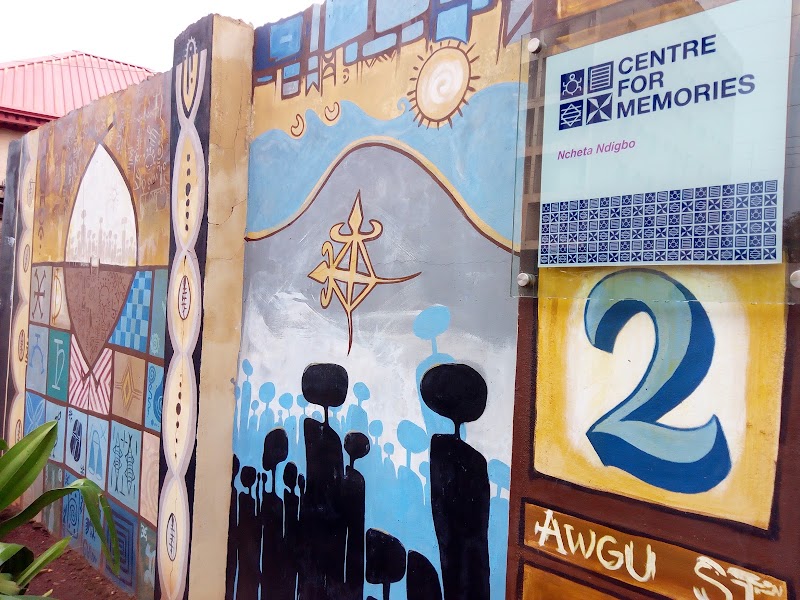
Nigeria · Enugu
Centre For Memories: Igbo History and Culture in Enugu
Public reviews praise this Enugu museum for its thoughtful presentation of Igbo history, traditions, art and survival stories.

Nigeria · Umuahia
National War Museum, Umuahia: History and Wartime Relics
Public reviews praise the Nigerian Civil War collection and informed interpretation, while repeatedly raising concerns about upkeep and photography rules.
Nigeria · Kano
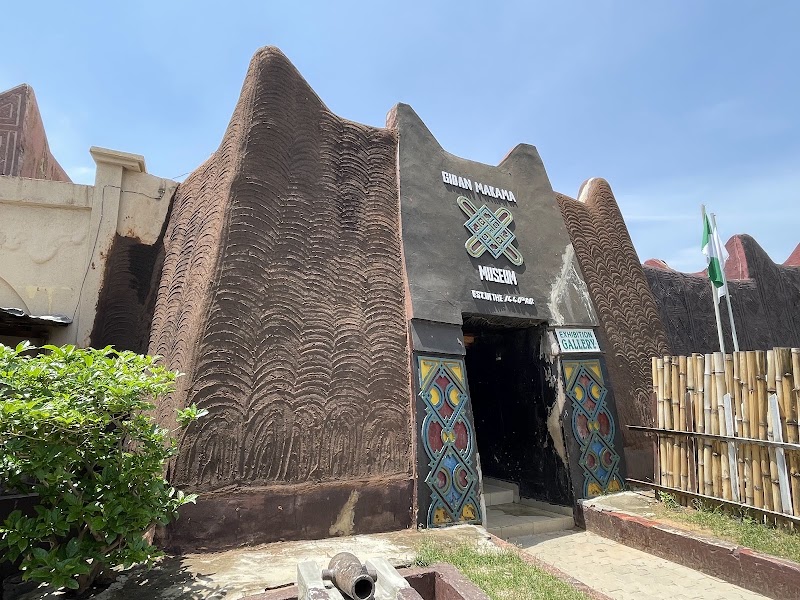
Gidan Makama Museum: Kano’s history through art and objects
Public reviews praise this Kano museum for its broad historical collections, detailed interpretation and guides, though power cuts can affect comfort.
Nigeria · Kaduna
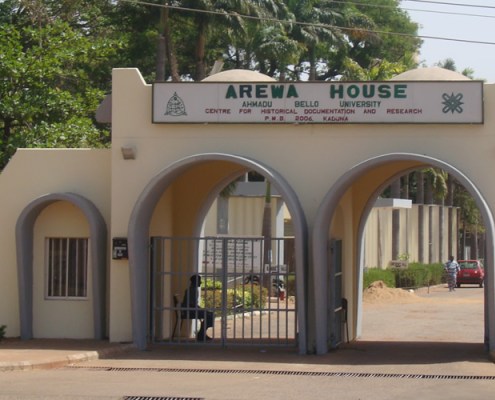
AREWA House: Northern Nigerian history in Kaduna
A museum and research centre where cultural galleries, archives and the former home of Sir Ahmadu Bello bring Northern Nigeria’s history into focus.