Yungang Grottoes: Monumental Buddhist Art in Datong
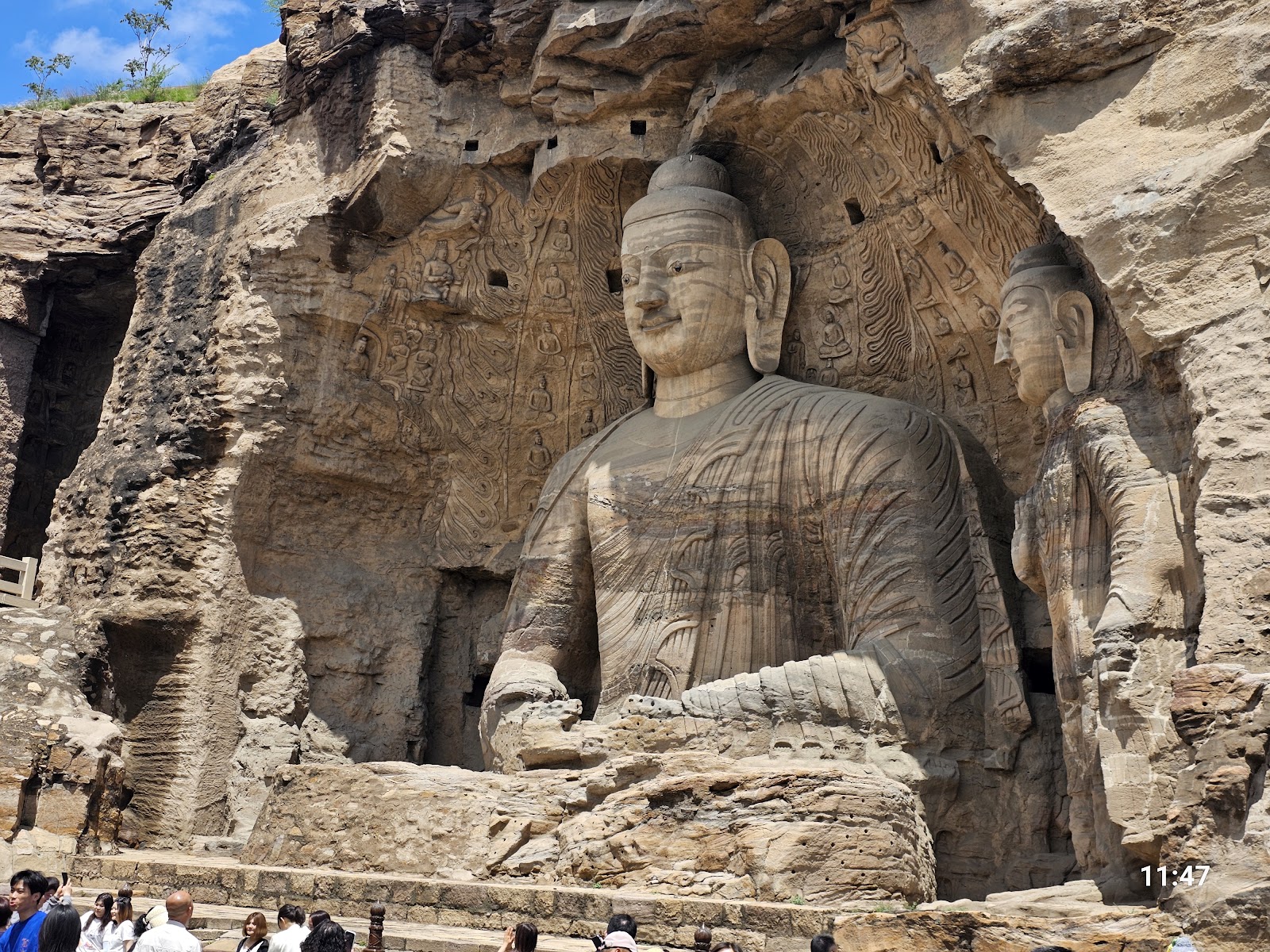
Ancient sandstone caves, colossal Buddhas and exceptionally dense carvings make this sprawling Datong landmark worth at least half a day.
More photos
Photos published by travelers on Google, not AI generated.
What stands out
- 45-cave sandstone complex
- Giant Buddha sculptures
- Intricately carved cave interiors
- Detailed Buddhist statues of many sizes
Worth knowing
- 15 to 20-minute walk from parking
- Crowding inside the initial caves
- Caves may open in rotation
Don't miss
What comes up most in public reviews
- Giant Buddha in Cave 20
- The Cave 16 to 20 sequence
- Detailed carvings in Cave 6
- Cave 5
Worth the trip?
What public reviews reveal
Yungang Grottoes earns a Google rating of 4.7 from 552 reviews, with visitors repeatedly praising the scale, age and intricacy of its Buddhist sculpture. The complex contains 45 caves, although individual caves may open in rotation to support maintenance. That makes every visit slightly dependent on current access.
The site’s most powerful contrast is one of scale. Giant Buddha figures command immediate attention, while smaller statues and tightly packed decorative carving reward slower examination. Several reviewers describe interiors covered almost completely in sculpture, creating a richness compared with the visual density of European cathedrals. Weathering is visible in parts of the complex, but many carvings remain remarkably detailed.
The caves to prioritise
Cave 20 is the clearest recurring landmark in visitor feedback, largely because of its giant Buddha sculpture. One suggested route heads there first, then works through Caves 16 to 20. This approach helps ensure that the best-known group is seen before time or energy begins to run short.
Caves 5 and 6 also receive specific praise. Cave 6, in particular, stands out for its exceptionally elaborate detail and deserves more than a quick look. Visitors with enough time can then continue through the remaining accessible caves, allowing the changing dimensions, carving styles and levels of preservation to shape the experience.
The introductory area is newer and reflects architectural and artistic influences associated with early Buddhism in China. Reviews suggest moving through this section efficiently if the historic caves are the main priority.
Timing and practicalities
The visit involves more walking than the cave frontage alone might suggest. Public reviews report a 15 to 20-minute walk from the parking area to the beginning of the cave gallery. Once inside the main sequence, narrow spaces can become crowded, particularly around the initial caves. Later sections may feel more comfortable as visitors spread out.
A focused route can take two to three hours, but several reviewers found that the detail easily justified a longer stay. One reported spending almost five hours without feeling that the visit dragged. Half a day is the safest allowance for travellers who want to inspect carvings rather than simply pass through the complex.
Bathrooms are reported to be available, and one reviewer bought admission at the entrance without waiting. That single experience should not be treated as a guarantee, especially given repeated warnings about crowds.
Editorial verdict
Yungang Grottoes is best approached as both a monumental landmark and a collection of fine details. Its colossal figures provide the immediate spectacle, while the densely carved caves sustain a longer visit. Crowding, the approach walk and rotating cave access require some flexibility, but reviews consistently indicate that the artistic impact outweighs those inconveniences.
Travellers short on time should concentrate on Caves 16 to 20, followed by Caves 5 and 6. Those with half a day can move more slowly, compare weathered and well-preserved sculpture, and appreciate how dramatically the scale changes from one chamber to the next.
Plan the rest of the trip
Ask anything
Looking for somewhere else?
Keep exploring around Datong
More from China

China · Chao Yang Qu
China World Hotel: Convenient, Polished and Uneven
Public reviews praise the hotel’s location, roomy rooms and breakfast, while some guests report slow service and problems with extra beds.
China · Guang Zhou Shi
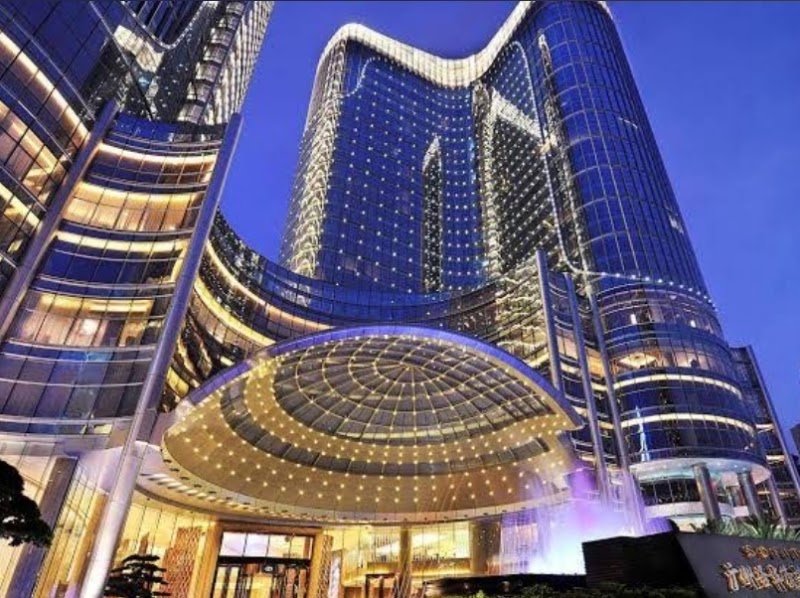
Hotel Sofitel Guangzhou Sunrich: polished comfort in Guangzhou
Public reviews praise the hotel’s service, design, cleanliness and breakfast, while a few guests flag room-maintenance and check-in concerns.
China · Yanqing District
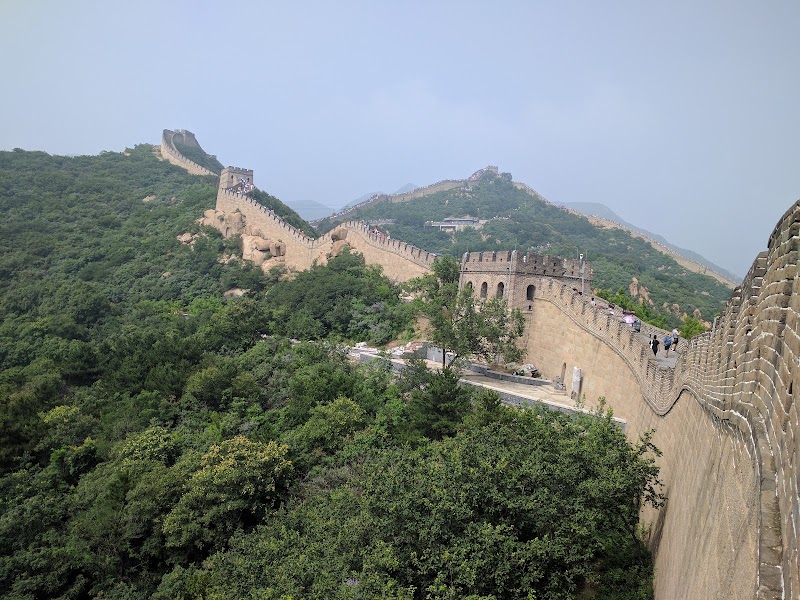
Paotai: A Crowded View into China’s Walled Past
Public reviews describe Paotai as a powerful scenic stop, with striking historical atmosphere, memorable views and heavy visitor crowds.
China · Baotou
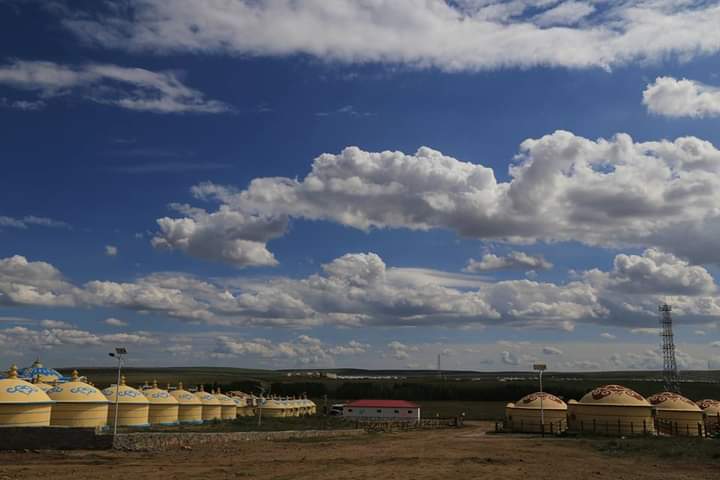
Xilamuren Grassland Tourism Center: Wide Skies, Yurts and Horses
Public reviews point to a spacious grassland stop near Baotou with horse riding, modern yurts, shows and memorable sunrise views.