Yapahuwa Rock Fortress: Stone Carvings and Summit Views
An ancient capital near Maho, Yapahuwa pairs an ornate stone staircase with a steep climb and broad views across the surrounding countryside.

More photos
Photos published by travelers on Google, not AI generated.
What stands out
- Grand stone staircase
- Ancient stone carvings
- Yapahuwa lion statues
- Panoramic summit views
- Peaceful historical setting
Worth knowing
- The upper climb can be steep
- Few ancient ruins remain at the summit
- Uneven stone steps may challenge some visitors
Don't miss
What comes up most in public reviews
- Examine the carvings on the main staircase
- See the Yapahuwa lion statues
- Continue to the top of the rock if physically able
- Take in the panoramic summit views
Worth the trip?
Why Yapahuwa stands out
Yapahuwa Rock Fortress has a Google rating of 4.7 from 2127 reviews. Across that public feedback, the same three strengths keep surfacing: elaborate stonework, the historical setting and views from the rock. This is likely to suit travellers who prefer cultural landmarks with a physical element, rather than a conventional attraction centred on extensive displays or facilities.
Its past as an ancient capital gives the site historical weight. Still, reviewers seem just as taken by what they can see up close. Stone carvings, statues and the celebrated lion figures receive frequent praise for their craftsmanship. Many also describe the atmosphere as peaceful, leaving visitors free to study the remains without feeling hurried through a heavily packaged attraction.
The grand stone staircase
The main staircase defines Yapahuwa. Set into the base of the enormous rock, it brings together steep steps, intricate architectural details and sculptural work. Reviews consistently identify it as the fortress’s centrepiece: a historic structure, but also the sight that makes the strongest first impression on arrival.
It pays to slow down here. Travellers drawn to Sri Lankan history, architecture and ancient engineering will probably spend longer examining the carvings than casual sightseers. The lion statues stand out in public feedback, and they remain among the landmark’s most recognisable details.
Views open up during the ascent as well, so the experience does not depend on reaching one lookout. That meeting of decorative stonework and rugged surroundings sits at the heart of Yapahuwa’s appeal.
Continuing to the summit
The route does not finish at the main staircase. Several reviewers make a point of recommending the stone steps to the top of the rock, as long as fitness and conditions permit. The upper section is steep and takes more effort. For many visitors, the panorama is the payoff.
From the summit, broad views stretch across the surrounding landscape, while the height gives a clearer impression of the site’s scale. Expectations matter, though. Public feedback notes that there are not many ancient ruins at the top. It works better as a scenic finish to the climb than as the fortress’s richest archaeological area.
Visitors with limited mobility, or little enthusiasm for steep steps, may still consider the lower stonework worthwhile. They will, however, miss the full panorama praised in reviews.
Who should visit
Yapahuwa is well suited to history enthusiasts, architecture admirers and active travellers who want to pair heritage with a short climb. Photographers should also find plenty to work with, especially around the staircase, lion statues and open summit views.
The main caution is physical, not cultural. The route grows steep, and anyone going beyond the principal staircase needs to be ready for uneven stone steps. Travellers expecting extensive ruins spread across the summit may be disappointed too, since views rather than surviving structures dominate the final stage.
Taken together, public ratings and reviews frame Yapahuwa as a rewarding half-day landmark. It is visually distinctive, historically resonant and peaceful, with enough exertion for the summit to feel earned.
Plan the rest of the trip
Ask anything
Looking for somewhere else?
Keep exploring around Maho
More from Sri Lanka
Sri Lanka · Henebadda
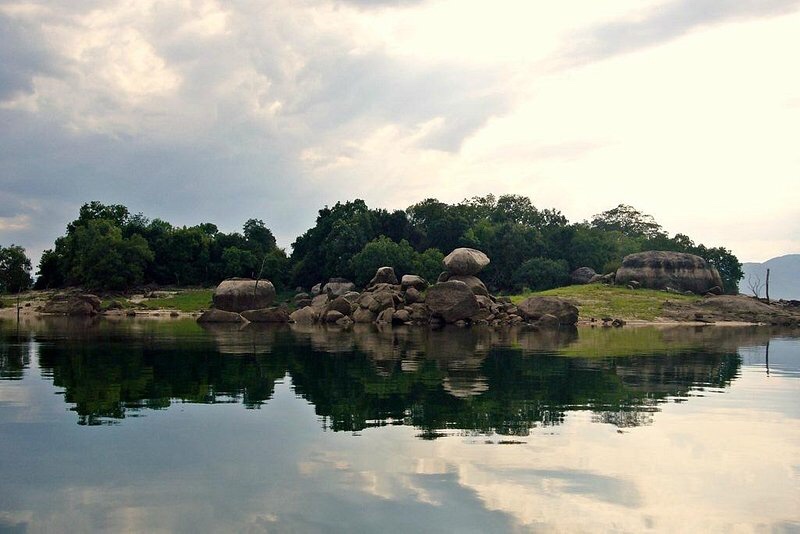
Gal Oya Valley National Park for Quiet Wildlife Encounters
Public reviews rate Gal Oya Valley National Park highly for its reservoir scenery, peaceful setting and boat-based wildlife viewing.
Sri Lanka · Illukkumbura
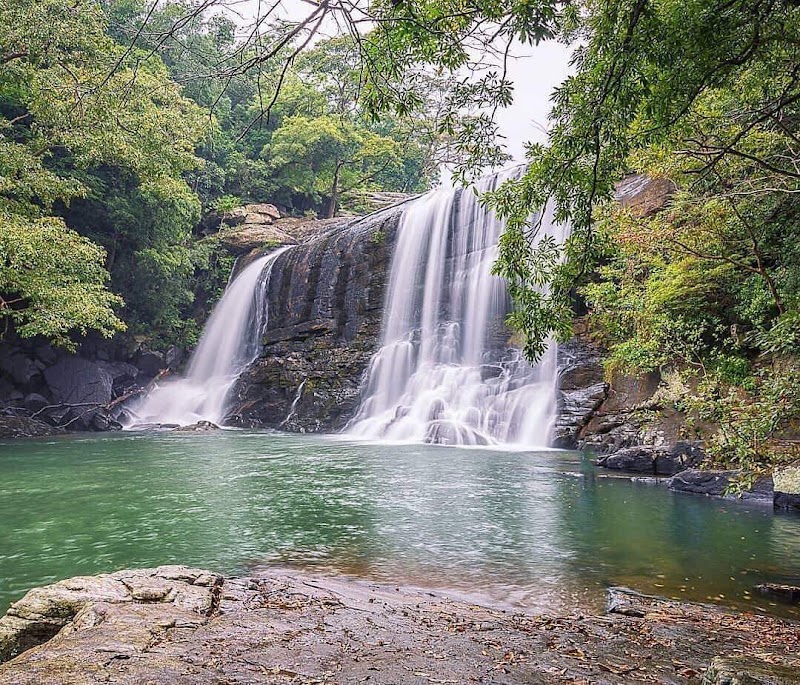
Sera Ella Water Fall: A Walk Behind the Cascade
Sera Ella Water Fall pairs a short forest hike with a rare chance to step into the rock cave behind its falling water.
Sri Lanka · Peliyagoda
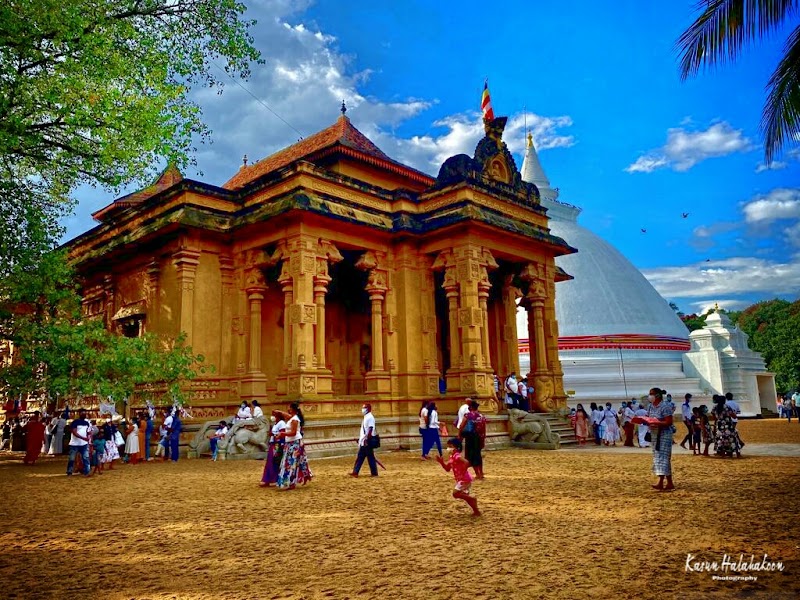
Kelaniya Raja Maha Viharaya: Murals, History and Quiet Reflection
A highly regarded Buddhist temple near Colombo, known for its peaceful grounds, striking murals and deep religious significance.
Sri Lanka
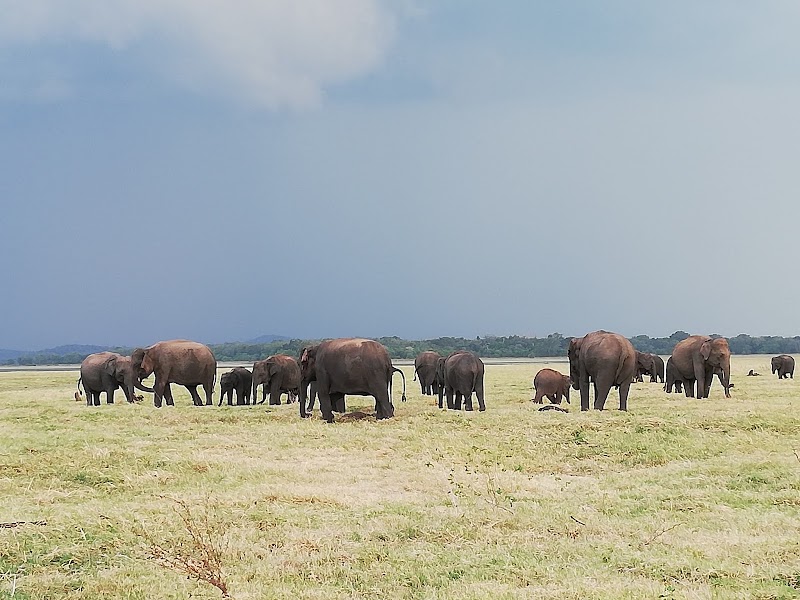
Minneriya National Park: Elephant Herds by the Reservoir
Public reviews consistently praise Minneriya for large elephant gatherings, open landscapes and memorable jeep safaris, despite heavy visitor traffic.