Yagul: Zapotec ruins, a vast ball court and valley views
This compact archaeological site rewards independent visitors with monumental ruins, quiet trails and broad views across Oaxaca’s Tlacolula Valley.
More photos
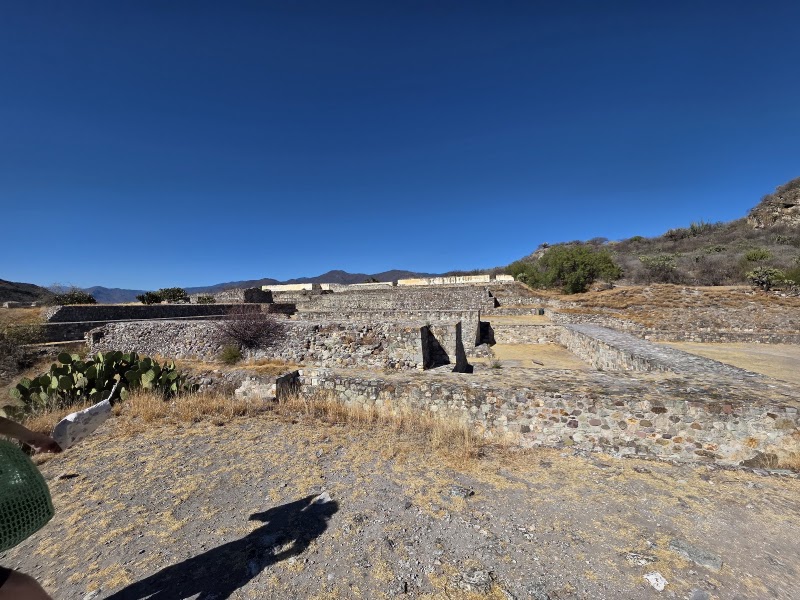
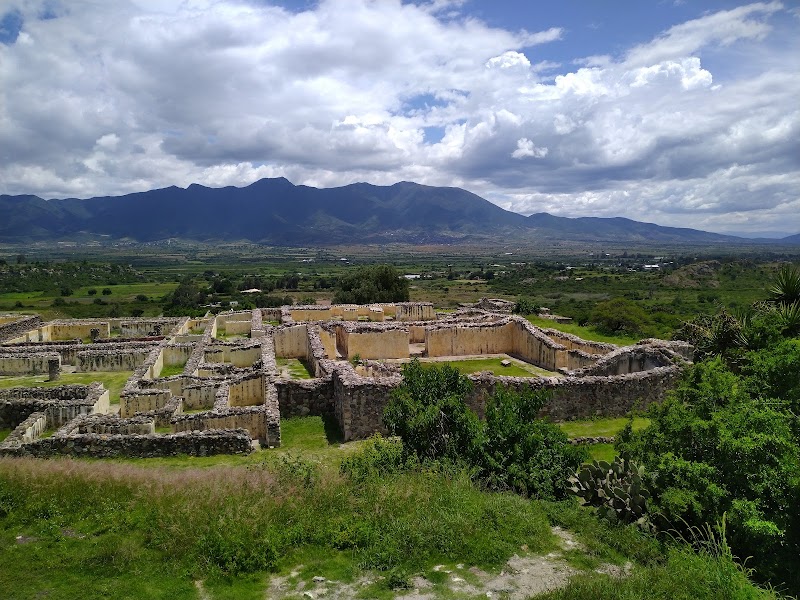
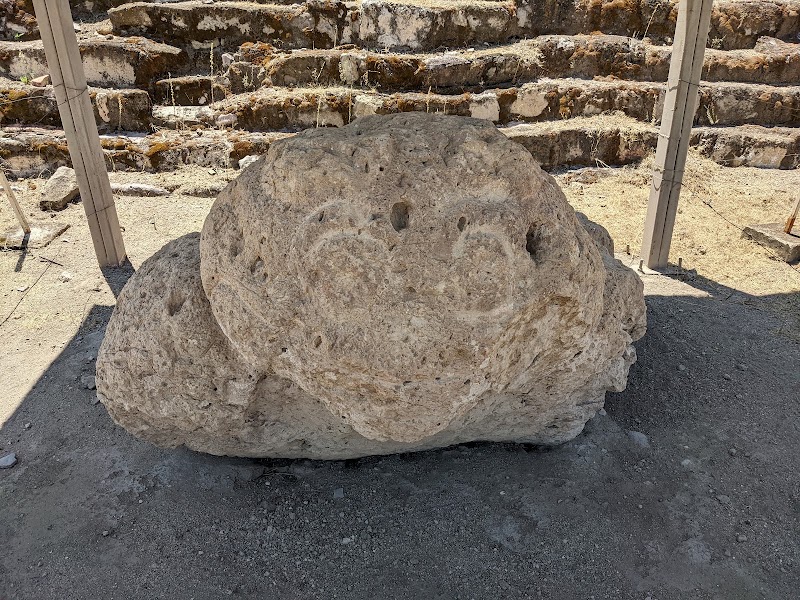
Photos published by travelers on Google, not AI generated.
What stands out
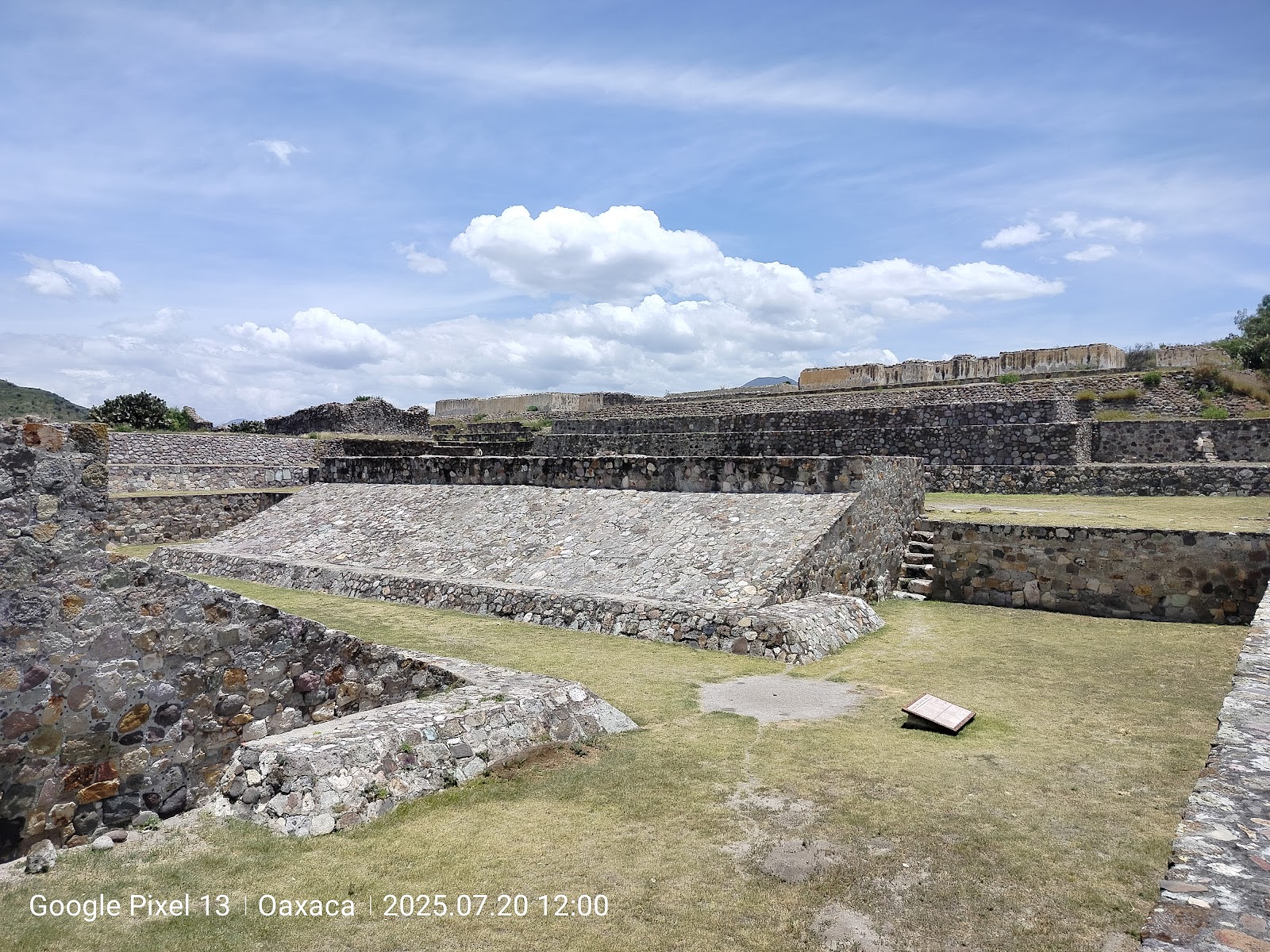
- Large ancient ball court
- Quiet, uncrowded ruins
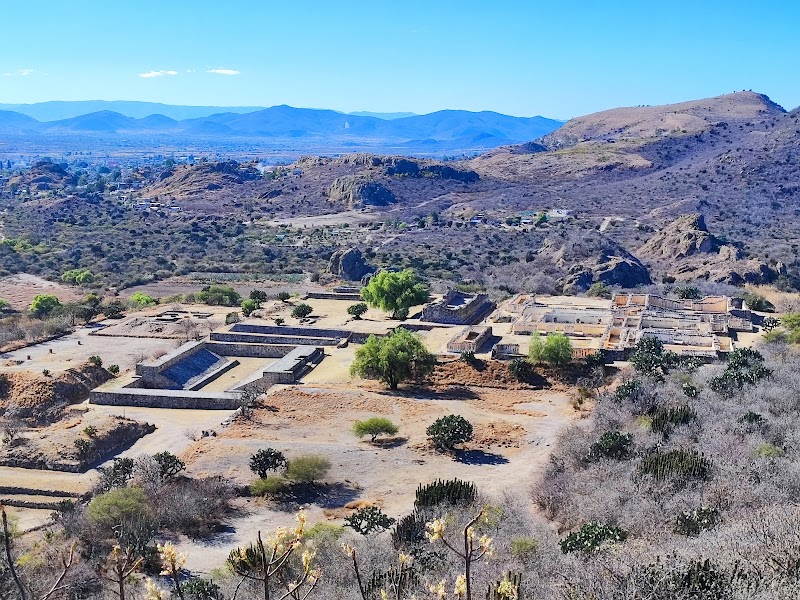
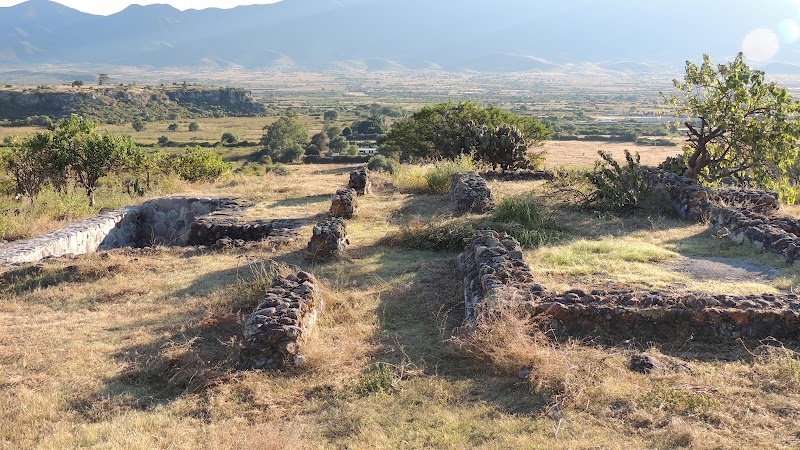
- Mountain and valley views
- Cliff-top hiking path
- Petroglyphs reported on site
Worth knowing
- Sparse signs and explanatory plaques
- Entry information may be outdated
- Upper trails require reasonable fitness
Don't miss
What comes up most in public reviews
- The large ball court
- The mountain path to the viewpoint
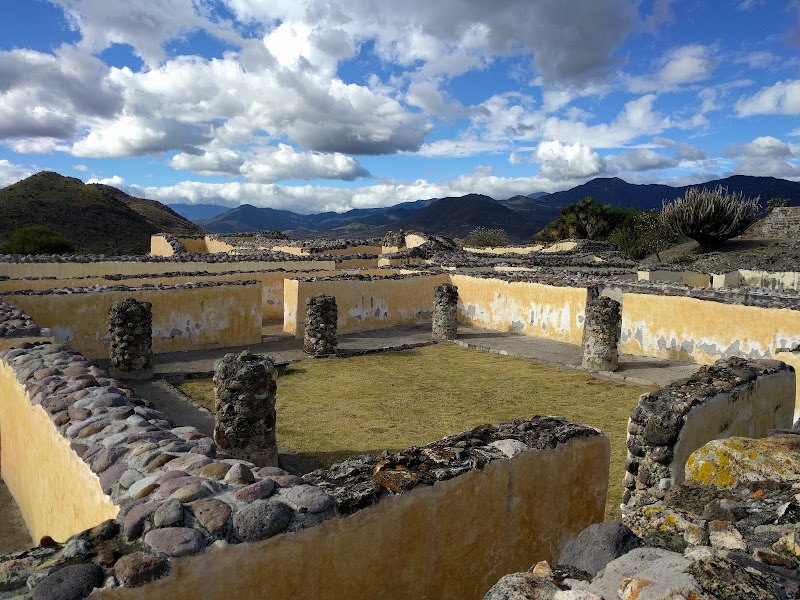
- The main archaeological complex
Worth the trip?
The overall verdict
Synthesized from its 4.6 Google rating from 843 reviews and the supplied traveller reports, Yagul stands out as a peaceful archaeological stop with more scale and variety than photographs may suggest. Several reviewers arrived with modest expectations and left impressed by the extent of the ruins, the large ball court and the surrounding mountain scenery.
Low visitor numbers shape the experience. Travellers describe having the site almost entirely to themselves, sometimes for long stretches, which makes it possible to explore the stone structures at an unhurried pace. That solitude is repeatedly presented as a highlight, although it also contributes to a sense that the site is lightly managed and short on interpretation.
Ruins and archaeological features
The large ball court is the most consistently identified feature within the main complex. Reviewers also mention petroglyphs and additional remains on or near the higher ground, adding interest beyond the principal structures. Although one visitor called Yagul small, another found it considerably more extensive than expected. The difference likely comes down to whether visitors remain around the central ruins or continue onto the surrounding paths.
The site suits travellers who enjoy examining archaeological remains independently rather than following a heavily interpreted route. Public reviews warn that signs, directions and explanatory plaques may be absent or inadequate. Without advance reading or a guide, the visual impact is clear, but the history and purpose of individual structures may be harder to understand.
Trails and views
The path climbing toward the mountain or cliff-top viewpoint receives particularly enthusiastic feedback. Reviewers describe it as a proper hike rather than a casual extension of the main circuit, with physical fitness helping visitors reach and enjoy the upper sections. Those who make the climb report expansive views over the archaeological site and mountains in several directions.
Others regretted not allowing time for the ascent, suggesting that the upper path should be treated as part of the visit rather than an optional afterthought. A smaller trail near the parking area is also mentioned in connection with possible rock art, but the identification and route are not consistently documented in the supplied reviews. Visitors should avoid assuming that every faint path is an official trail.
Planning the visit
Half a day is a sensible allowance for the main ruins, ball court and viewpoint hike. Travellers interested only in the central archaeological area could spend less time, while keen walkers and archaeology enthusiasts may want a slower visit.
The principal practical concern is unreliable visitor information. One reviewer found that the admission details differed substantially from what had been advertised, so current opening conditions and entry arrangements should be checked through an official source before departure. Sparse signage also makes advance research worthwhile.
Yagul is best approached as a quiet, self-directed archaeological landscape rather than a polished museum-style attraction. Its strongest assets are space, atmosphere and perspective: monumental ruins below, rugged paths above and wide views across the valley.
Ask anything
Looking for somewhere else?
Keep exploring
More from Mexico

Mexico · Acapulco de Juárez
Hotel Princess Mundo Imperial: Pools, Scale and Service Gaps
This Acapulco de Juárez resort pairs a convenient location and inviting pools with recurring concerns about elevators, maintenance and service.

Mexico · Riviera Maya
Barceló Maya Palace: Dining, activities and warm service
Strong dining, attentive staff and aquatic activities make this Riviera Maya all-inclusive especially appealing to families and repeat visitors.

Mexico · Playa del Carmen
Sandos Caracol pairs family fun with nature
Public reviews praise this Playa del Carmen resort for its water park, children’s activities, wildlife, varied food and welcoming staff.

Mexico · Cancún
Sunscape Cancun Resort & Spa: Lively All-Inclusive Fun
A busy Cancún resort with energetic entertainment, family clubs and notably warm staff, best suited to travellers who value activity over quiet.