Würzburg Residence: Grand Rooms and Restored Splendour
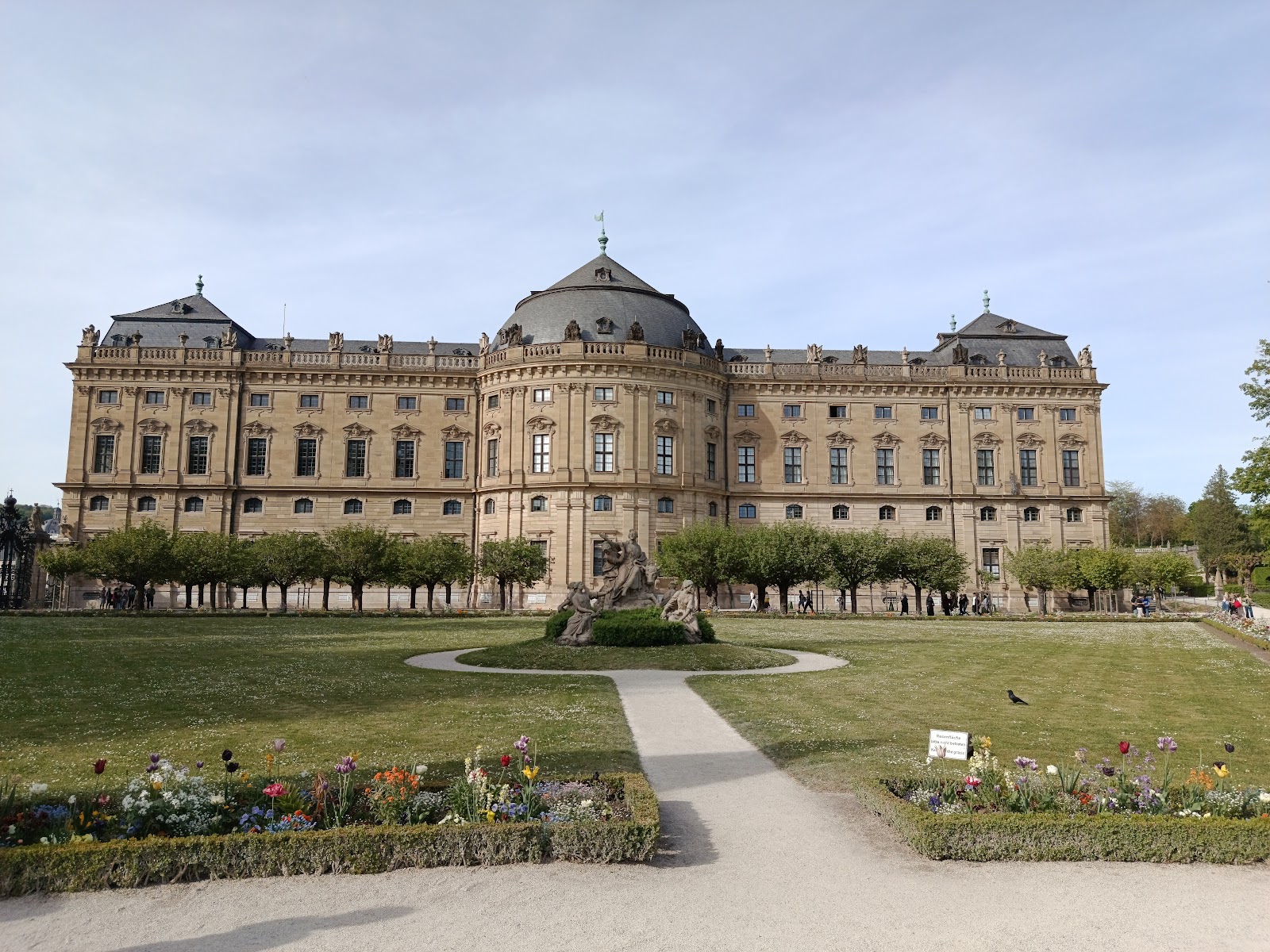
Lavish interiors, ambitious postwar restoration and formal gardens make this palace one of Würzburg’s most rewarding landmarks.
More photos
Photos published by travelers on Google, not AI generated.
What stands out
- Elaborately decorated palace rooms
- Wall paintings, art and tapestries
- Impressive postwar restoration
- The formal Hofgarten
- Convenient walk from the station
Worth knowing
- English-language tours may be brief
- Bags may need to be stored in lockers
Don't miss
What comes up most in public reviews
- Walk through the ornate restored chambers
- Study the wall paintings and decorative art
- Explore the Hofgarten behind the palace
Worth the trip?
The public verdict
Würzburg Residence holds a Google rating of 4.7 from 14376 reviews, and the available traveller feedback repeatedly focuses on the scale and richness of its interiors. Visitors describe an imposing palace filled with wall paintings, tapestries, ornate carvings and elaborately decorated chambers. Even among travellers fitting Würzburg into a wider itinerary, the Residence is often treated as an essential city stop rather than a minor historical diversion.
The strongest impression is one of concentrated grandeur. Reviewers mention a large number of rooms, with enough visual variety to sustain a substantial walk through the building. The Room of Mirrors receives particular praise in the sample feedback, while the wider collections of art and decorative detail also stand out. This is not a site that relies solely on its exterior architecture. Much of its appeal lies inside, where successive rooms build a fuller picture of courtly design and craftsmanship.
Restoration and historical interest
Several reviews draw attention to the reconstruction carried out after the destruction of the Second World War. Travellers appear impressed not only by the finished rooms but by the extent of the restoration itself. That history adds another layer to the visit, especially for those interested in conservation and the rebuilding of European monuments.
The palace can be explored independently, and reviewers indicate that a guide is helpful rather than essential. English-language tours are available during the day, although one visitor found them fairly brief. Independent exploration afterwards allows more time for the paintings, tapestries and restored decorative work. This flexibility also makes the Residence practical for mixed-interest groups, since visitors can choose between a concise introduction and a slower room-by-room visit.
The building’s size is worth considering. Although travellers report seeing a great deal in a relatively short period, others emphasise just how many rooms there are. A rushed circuit is possible, but a half-day visit better suits anyone who wants to absorb the art, restoration story and gardens without treating the palace as a checklist stop.
The Hofgarten and practical experience
The Hofgarten behind the Residence is one of the most consistent highlights in the reviews. It is described as lush and beautiful, and one traveller still found it appealing in January. The garden gives the visit a welcome change of pace after the dense decoration indoors and is worth allowing time for rather than viewing as an optional add-on.
Access also appears straightforward. One reviewer places the Residence at an easy walk of roughly ten minutes from Würzburg’s train station, making it feasible for an afternoon stop or a short city visit. Locker facilities are available for bags, a practical point for rail travellers and cruise excursion groups arriving with limited time.
Overall, the public feedback presents Würzburg Residence as an opulent but manageable landmark. Its combination of restored chambers, decorative art and formal gardens works for both a quick overview and a more considered half-day visit. The principal caution is simply to allow enough time: the interiors contain more rooms and detail than the convenient location might suggest.
Plan the rest of the trip
Ask anything
Looking for somewhere else?
Keep exploring around Würzburg
More from Germany

Germany · Rüdesheim am Rhein
Niederwald Monument: Rhine Views and German History
The Niederwald Monument combines a major historic statue, landscaped grounds and wide Rhine views above Rüdesheim am Rhein.
Germany · Cochem
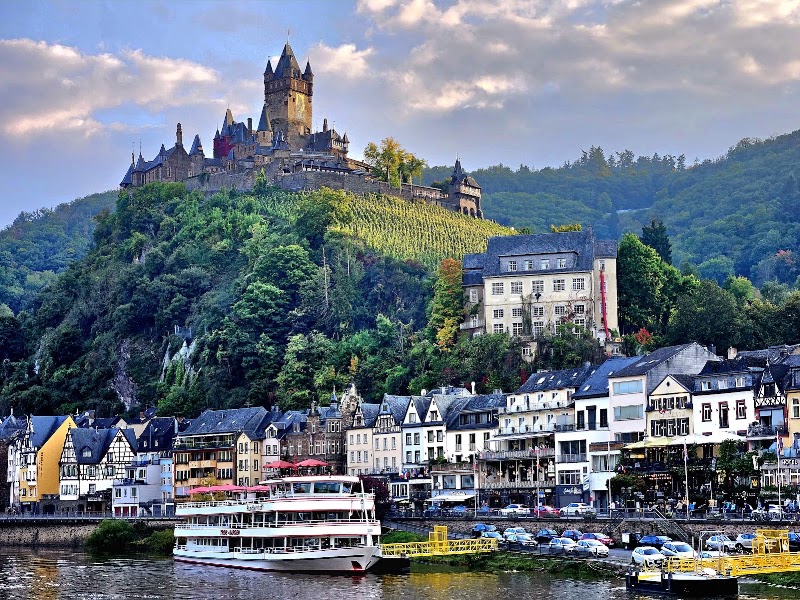
Cochem Castle Rewards the Climb with Moselle Valley Views
Reichsburg Cochem combines a steep approach, guided interiors and broad views over the town and Moselle Valley.

Germany · Vogtei
Centre of Germany: A Quiet Stop in Vogtei
Public reviews describe a clean, peaceful place near a lake, with one important caveat: visitors disagree about which point marks Germany’s true centre.
Germany · Dortmund
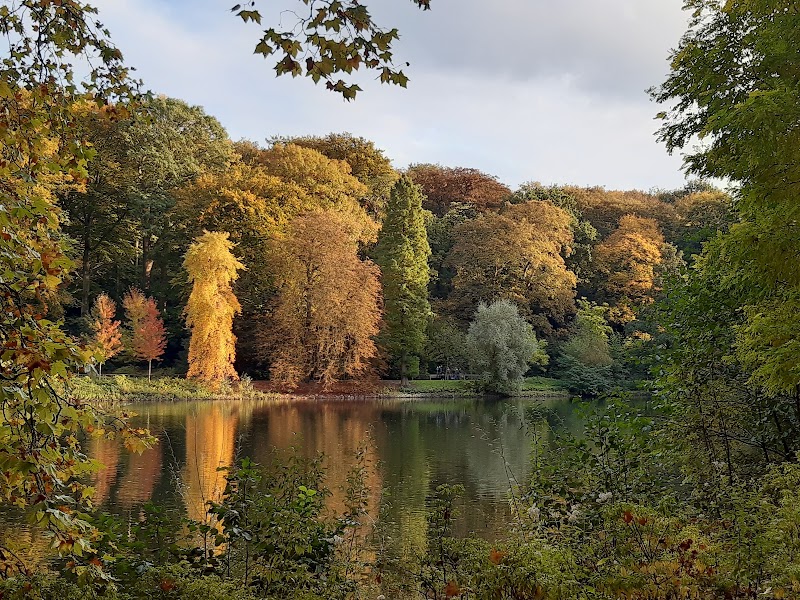
Rombergpark Botanical Garden, Dortmund’s Green Escape
Rombergpark Botanical Garden combines open parkland, seasonal blossoms, varied planted areas and tropical greenhouses in a calm Dortmund setting.