World War 1 Cenotaph at Calabar’s 11-11 Roundabout
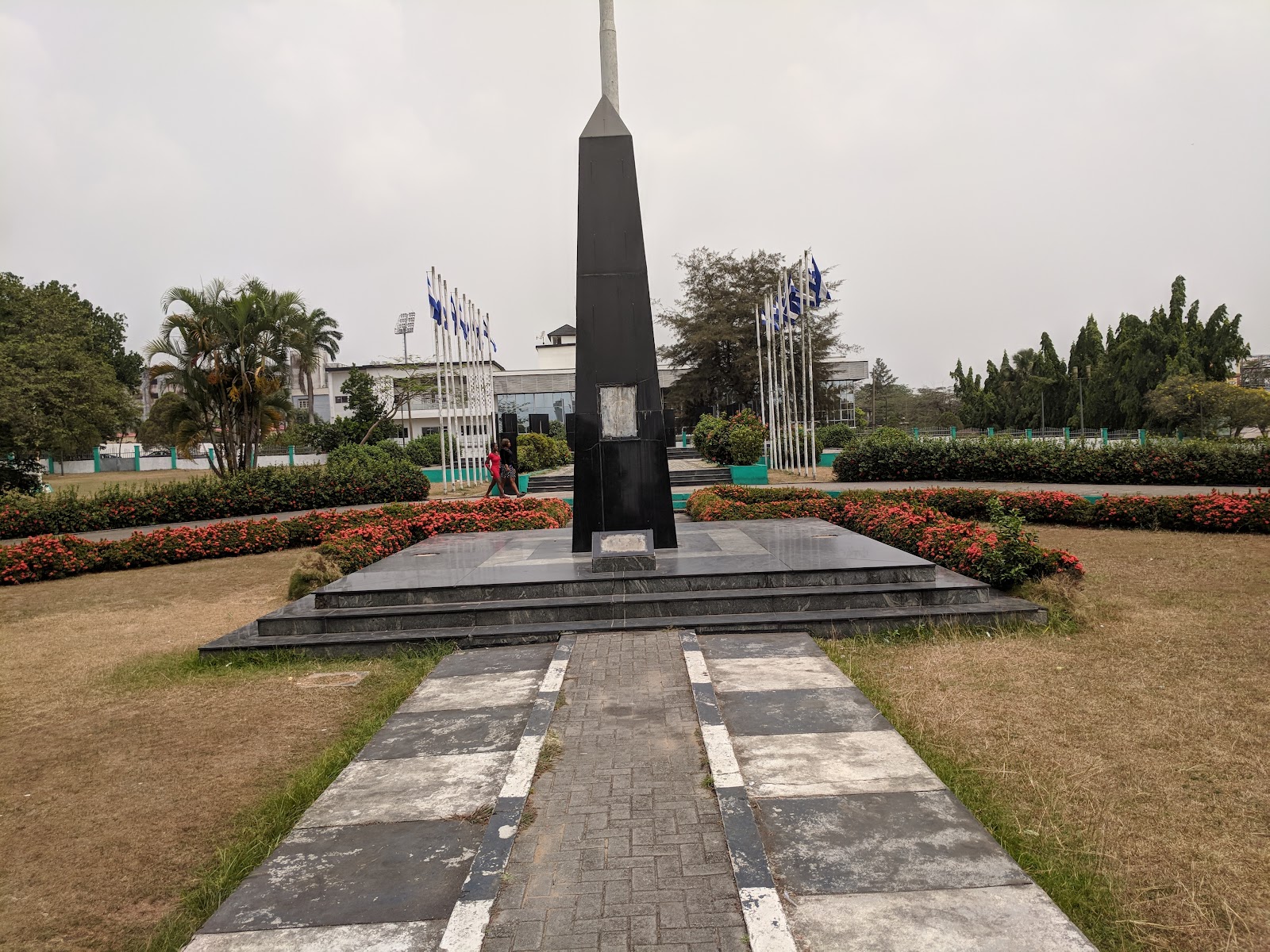
A prominent Calabar landmark for photographs, quiet reflection and views of the Nigerian flag, especially in the cooler morning or evening hours.
More photos


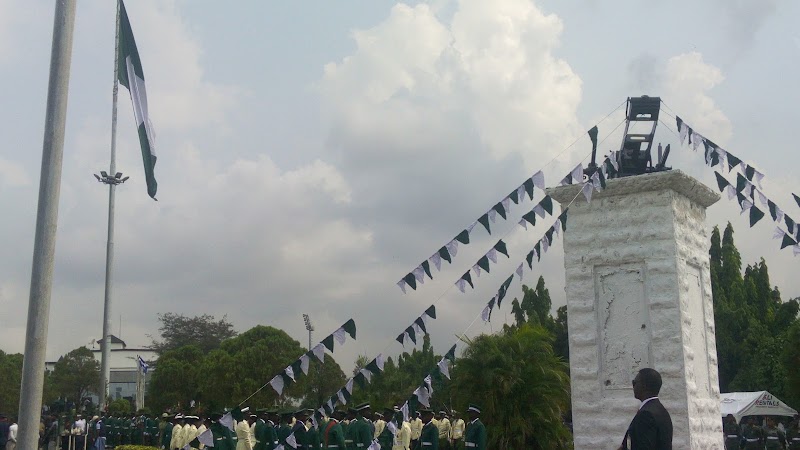
Photos published by travelers on Google, not AI generated.
What stands out
- Views of the Nigerian flag
- Photograph opportunities
- Fresh-air setting
- Quiet morning and evening atmosphere
- Space to relax with family or friends
Worth knowing
- No sitting area reported
- Parade schedules are not provided
- Visitor facilities are unclear
Don't miss
What comes up most in public reviews
- See the Nigerian flag
- Take photographs around 11-11
- Pause for quiet reflection
- Ask locally about military parades
Worth the trip?
What public reviews suggest
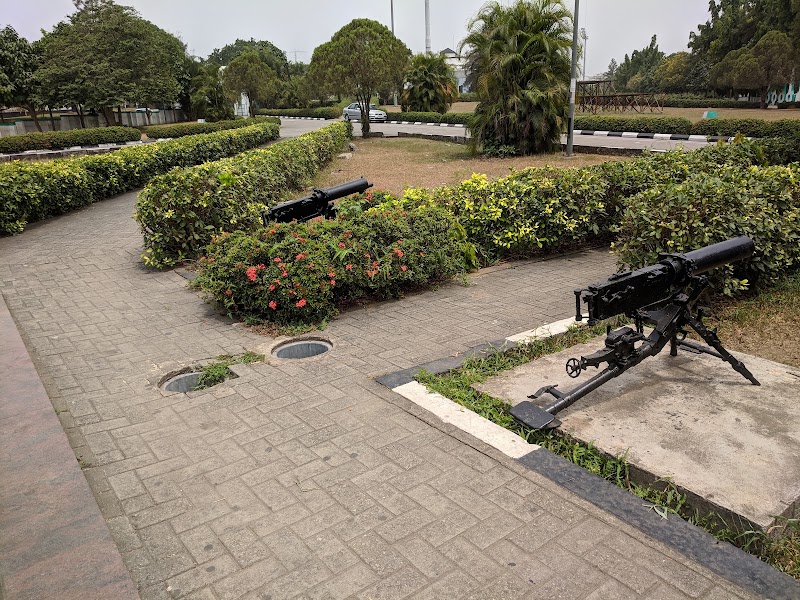
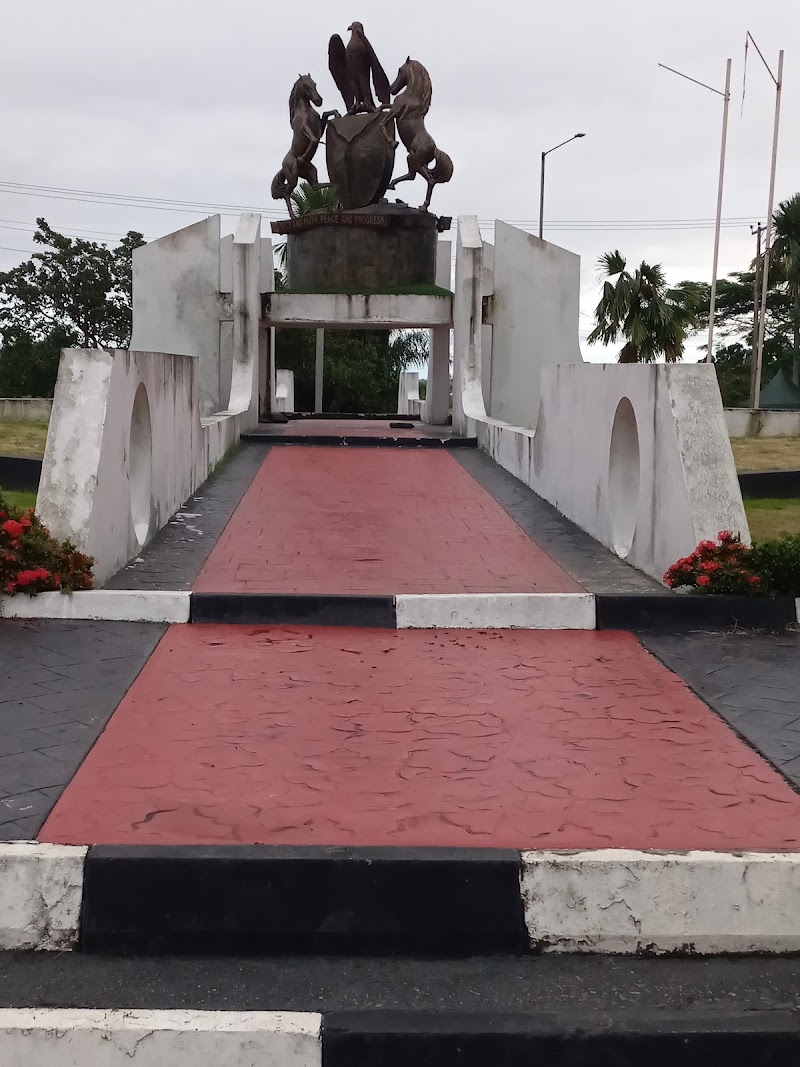
The World War 1 Cenotaph is best understood as a brief sightseeing and reflection stop rather than a full visitor attraction. Located at Calabar’s Eleven-Eleven, or 11-11, roundabout, it receives a Google rating of 4 from 199 reviews. Public comments repeatedly describe a pleasant place to relax, take photographs and spend time with family or friends.
Its appeal appears to come from the atmosphere as much as the monument. Reviewers mention fresh air, an attractive view and a setting that can feel quiet enough for thought or meditation. The Nigerian flag is singled out as a particularly striking sight. Although the available reviews are positive overall, they provide little detail about interpretation, historical displays or supporting visitor facilities.
The experience at 11-11
Several reviewers treat the cenotaph and roundabout as a casual social space. Photographs are a recurring part of the experience, with the open setting and flag providing the main visual focus. Others value it as a place to pause, look around and enjoy a calm moment in Calabar.
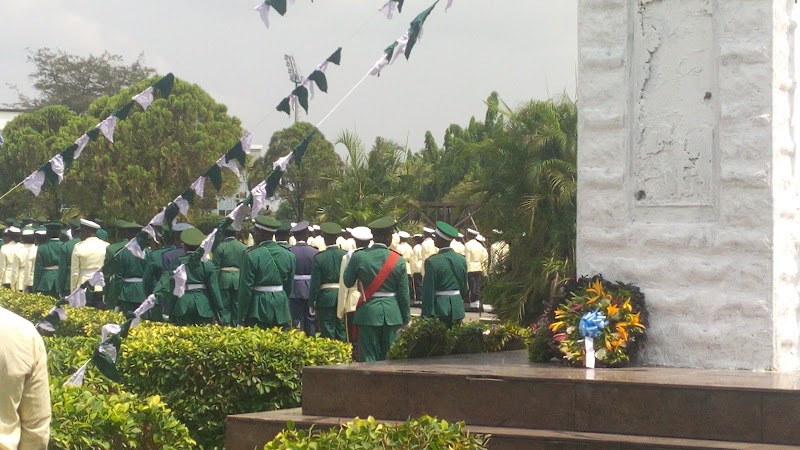
Military parades are also mentioned, although the reviews do not indicate when they take place or whether they follow a regular schedule. Travellers hoping to see one would need to seek current local information rather than assume a parade will coincide with their visit. At ordinary times, the site seems more suited to quiet observation than to a structured tour.
The tone of the reviews suggests that the landmark can suit different kinds of visitors. Families and groups of friends use it as a meeting and leisure spot, while solo visitors may appreciate the flag and reflective mood. One reviewer describes the area as safe, but that remains an individual account rather than a guarantee of conditions at every hour.
When to visit
Morning and evening receive the clearest support in the reviews, particularly for meditation and a quieter atmosphere. These periods may also suit photography, although no specific lighting conditions are described. A visit can be short, with enough time to see the cenotaph, observe the flag and take a few pictures.
One public review states that access is free. As there is no supplied official pricing information, visitors should treat that as a recent traveller report rather than a permanent policy. No opening hours are identified in the available comments.
Practical limitations and verdict
The most useful caution is the reported lack of a sitting area. Visitors planning to linger should not rely on benches or dedicated seating. Reviews also do not mention toilets, parking, guides, interpretive signs or other facilities, so expectations should remain modest.
Overall, the World War 1 Cenotaph works best as a short Calabar landmark stop. Its strengths are the Nigerian flag, photo opportunities, fresh-air setting and moments of relative calm. It is less clearly suited to travellers seeking detailed historical interpretation or a lengthy attraction experience. The strongest plan is a concise morning or evening visit, combined with other activities elsewhere in Calabar.
Ask anything
Looking for somewhere else?
Keep exploring around Calabar
More from Nigeria
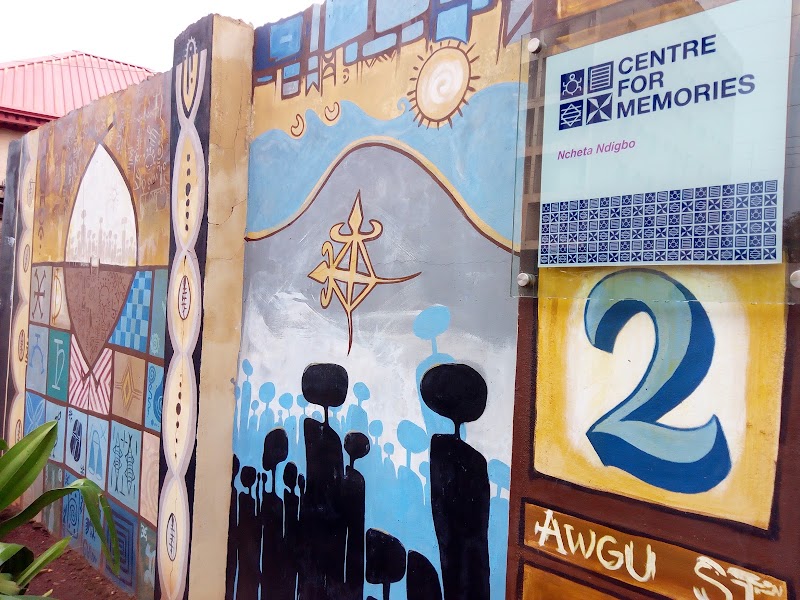
Nigeria · Enugu
Centre For Memories: Igbo History and Culture in Enugu
Public reviews praise this Enugu museum for its thoughtful presentation of Igbo history, traditions, art and survival stories.

Nigeria · Umuahia
National War Museum, Umuahia: History and Wartime Relics
Public reviews praise the Nigerian Civil War collection and informed interpretation, while repeatedly raising concerns about upkeep and photography rules.
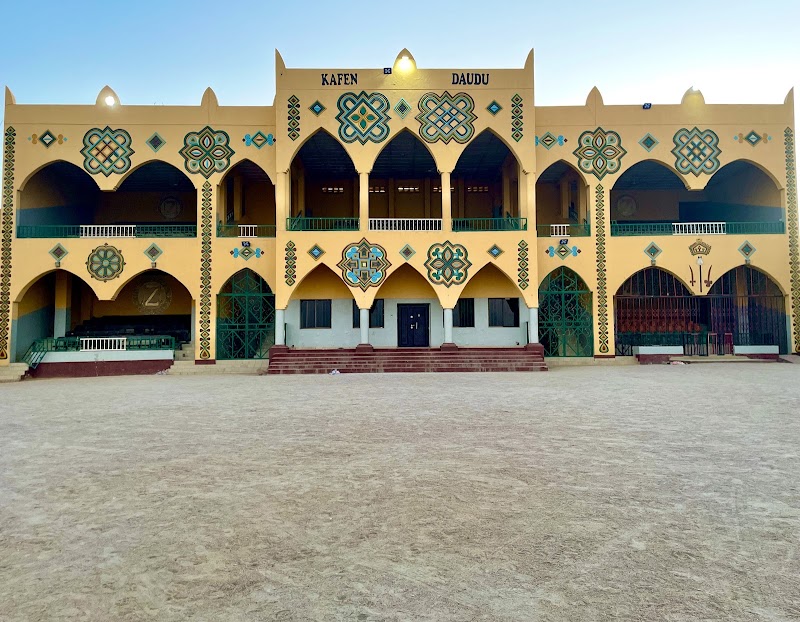
Nigeria · Zaria City
Zazzau Emir's Palace: Living History in Zaria City
Traditional architecture, royal history and welcoming palace staff make this Zaria landmark a compelling stop for culture-focused travellers.
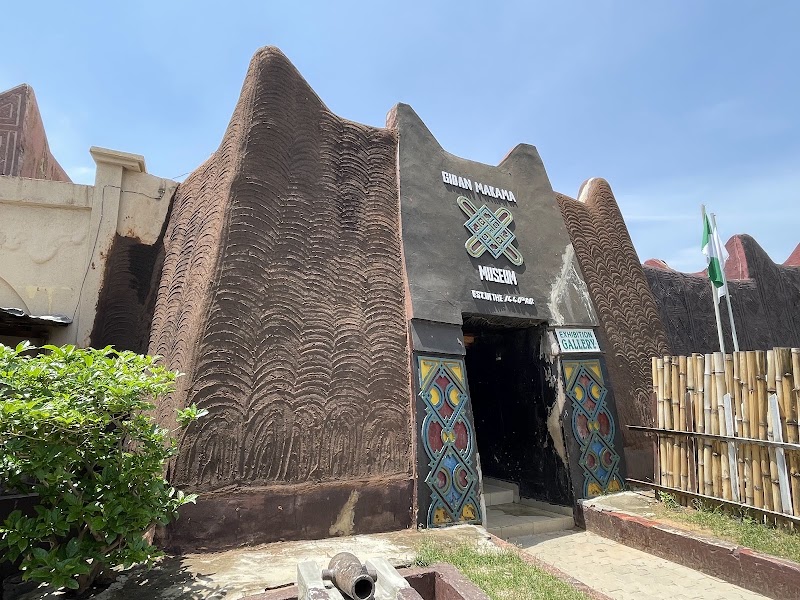
Nigeria · Kano
Gidan Makama Museum: Kano’s history through art and objects
Public reviews praise this Kano museum for its broad historical collections, detailed interpretation and guides, though power cuts can affect comfort.