Wood Buffalo National Park: Bison, Salt Flats and Big Skies
Canada’s largest national park earns praise for free-roaming bison, varied landscapes and an exceptional night sky, though its scale demands patience.

More photos


Photos published by travelers on Google, not AI generated.
What stands out
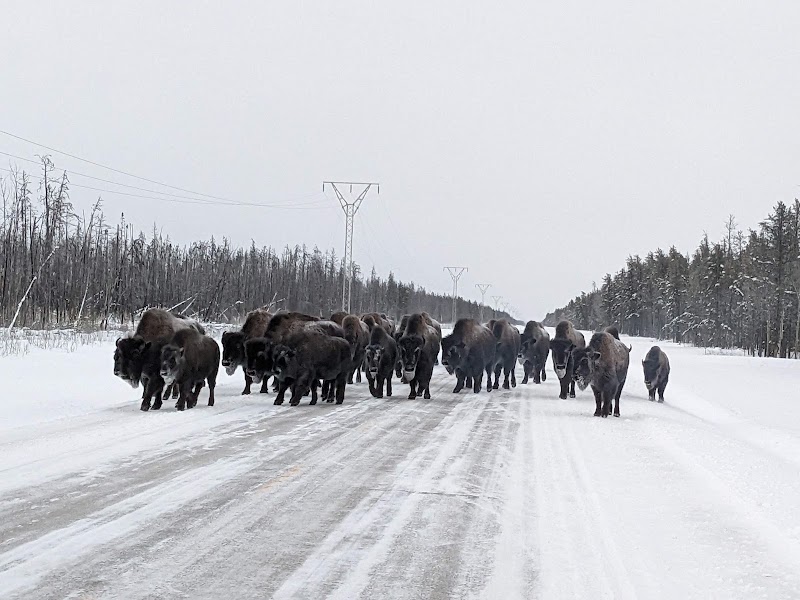
- Roadside wood bison
- Salt-flat landscapes
- Trails and gravel-road scenery
- Dark skies and northern lights
- Possible bear and fox sightings
Worth knowing
- Bison can be nearly invisible on roads at night
- Long drives and gravel roads
- Some trails may close for maintenance
Don't miss
What comes up most in public reviews
- Look for bison herds and calves
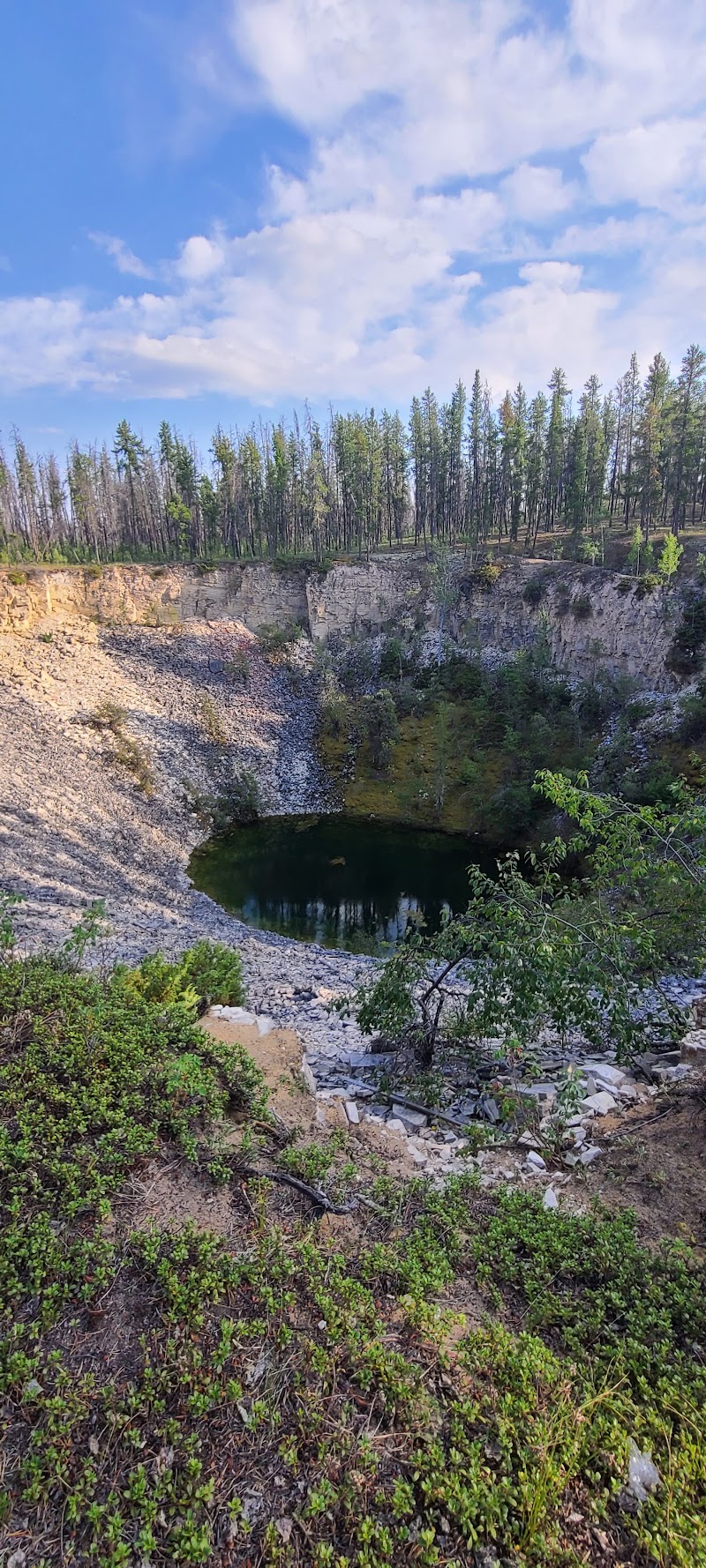
- Visit the salt flats
- Walk an open trail
- Experience the night sky or northern lights
Worth the trip?
What public reviews say
Wood Buffalo National Park holds a Google rating of 4.2 from 327 reviews. Public feedback presents it as an immense, wildlife-rich park where the journey itself is central to the experience. Travellers repeatedly describe seeing wood bison beside the road, sometimes individually and sometimes in herds with calves. Black bears and a red fox also appear in the sample feedback, although wildlife sightings are naturally unpredictable.
Scale shapes nearly every account. One reviewer describes the park as covering 44,807 square kilometres across northeastern Alberta and the southern Northwest Territories, while others focus more practically on long drives, gravel roads and the considerable distances between experiences. This is not portrayed as a compact attraction with a quick circuit. Visitors tend to get more from it when they accept the slow pace and leave room for stops.
Landscapes and things to do
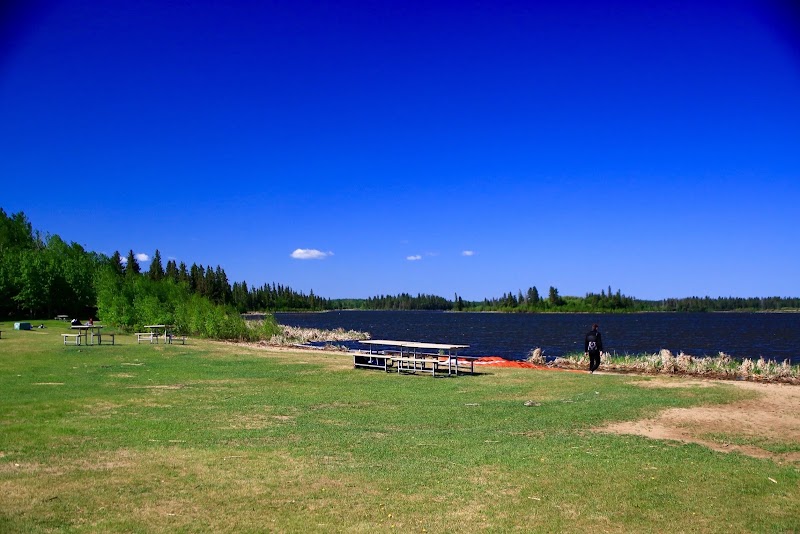
The reviews point to more variety than a simple wildlife drive. Salt flats, forest, trails, campgrounds and picnic areas all feature in the feedback. The salt flats stand out as one of the specifically named landscapes, while walking trails provide a chance to experience the park away from the vehicle. Some reviewers found trails closed for maintenance, so plans may need to remain flexible.
Bison are the dominant highlight. Reviewers describe animals emerging from the woods, resting beside the road and gathering in sizable herds. One visitor recalled seeing roughly 30 bison along with calves, calling it a memorable first drive through the park. Others stress that sightings are never guaranteed, even in a park associated so strongly with the species.
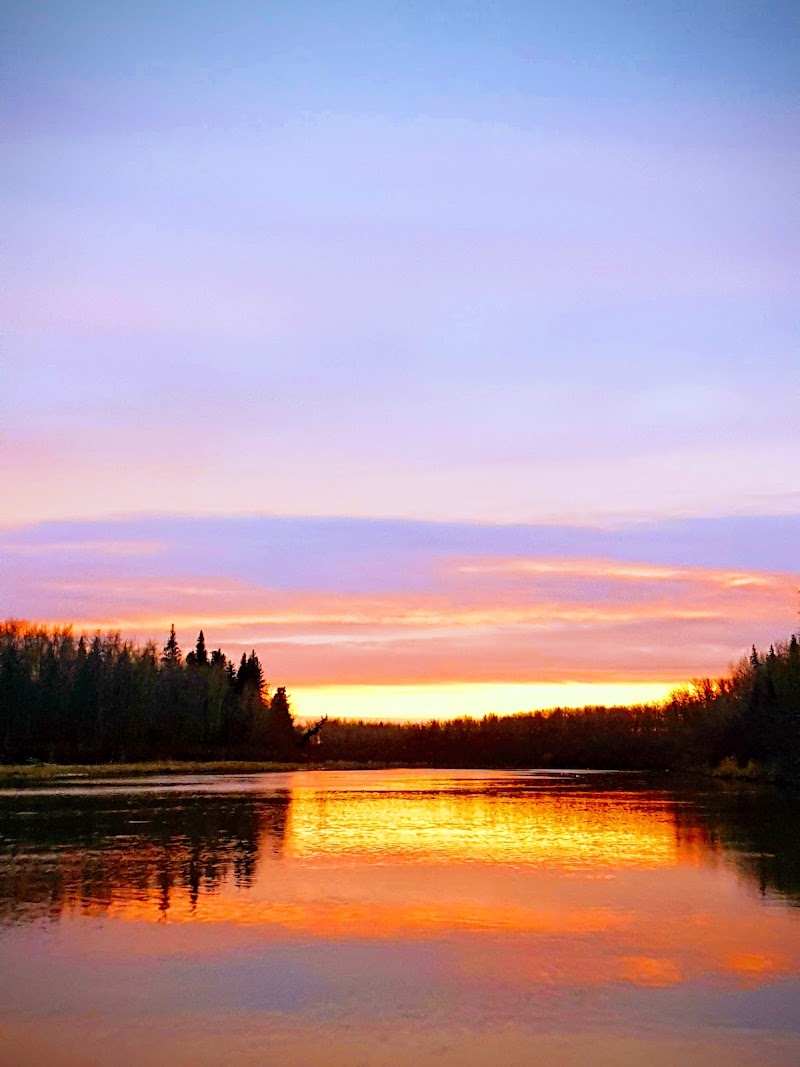
The night sky is another recurring reason to visit. Reviewers praise the park as a strong place for viewing the northern lights and refer to its vast dark-sky setting. That appeal comes with an important complication: public feedback strongly cautions against driving after dark because bison may lie on the road and can be extremely difficult to see.
Who will enjoy it most
Wood Buffalo National Park is best suited to wildlife watchers, landscape photographers and travellers comfortable with long, remote-feeling road journeys. The mix of bison, salt flats and expansive skies can be deeply rewarding, particularly for visitors who regard unhurried observation as part of the trip.
It may be less satisfying for anyone expecting a tightly organised sequence of viewpoints or guaranteed animal encounters. One review characterises the drive as long and otherwise fairly ordinary when wildlife is scarce. The strongest experiences appear to come when bison, bears or other animals happen to be visible.
Practical verdict
The overall review pattern is highly positive about the scenery and bison encounters, with practical reservations around distance, gravel roads, occasional trail closures and night driving. Daylight is the sensible time for covering roads and looking for wildlife. Clear nights can showcase the sky or northern lights, but travellers should avoid combining that experience with unnecessary driving.
This is a park to approach with time, flexibility and realistic expectations. Its appeal lies less in constant activity than in the possibility of a striking wildlife encounter, an unusual salt-flat landscape or a wide, dark sky.
Ask anything
Looking for somewhere else?
Keep exploring
More from Canada
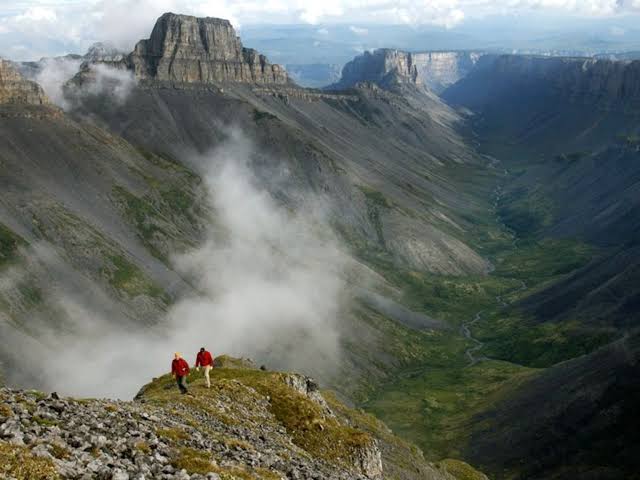
Canada
Nahanni National Park Reserve: Vast Northern Wilderness
Public reviews describe dramatic river canyons, striking mountain scenery and a profound sense of quiet in Canada’s Northwest Territories.
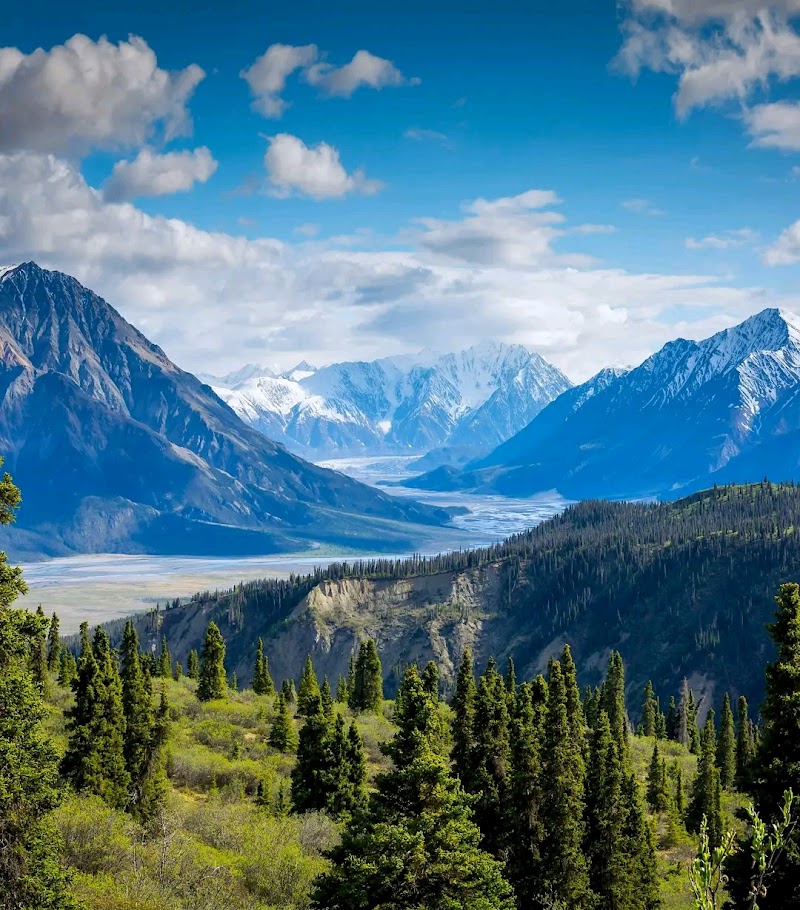
Canada · Haines Junction
Kluane National Park rewards the effort to reach it
Public reviews praise Kluane for monumental mountain scenery, glaciers, peaceful drives and demanding hikes near Haines Junction.
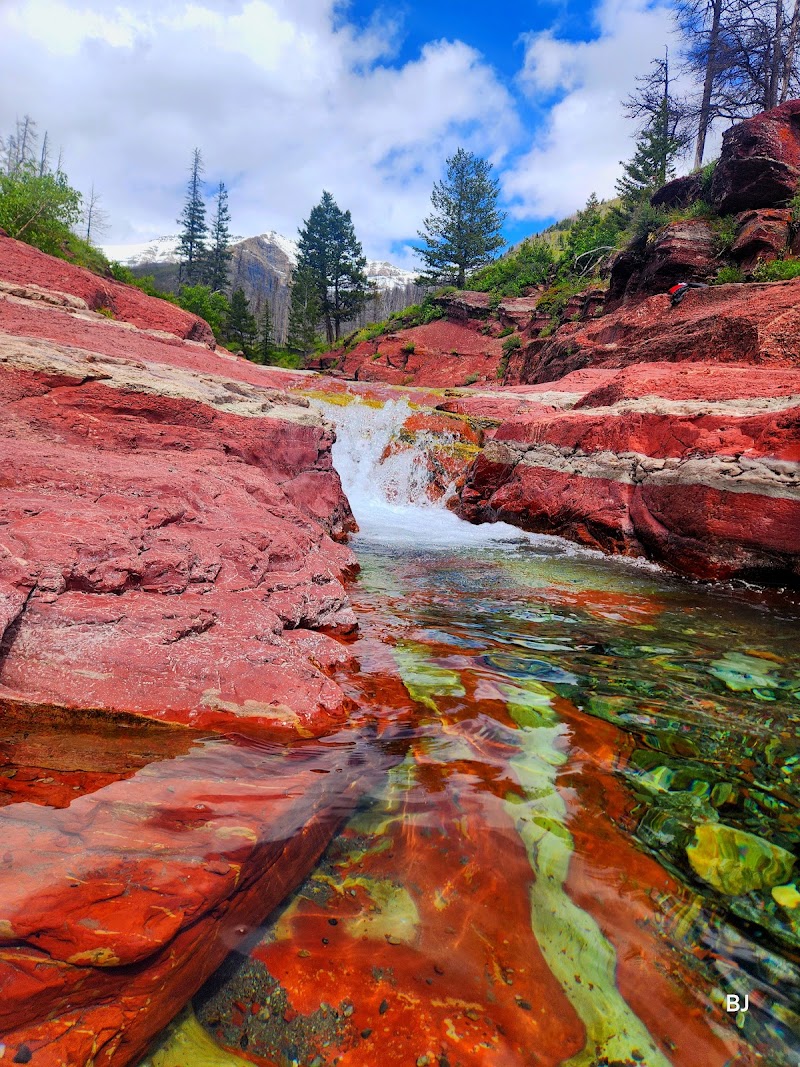
Canada · Waterton Park
Red Rock Canyon: Easy Walks and Striking Waterton Scenery
Red stone, clear water and a choice of short walks or longer trails make this scenic Waterton canyon rewarding despite frequent crowds.
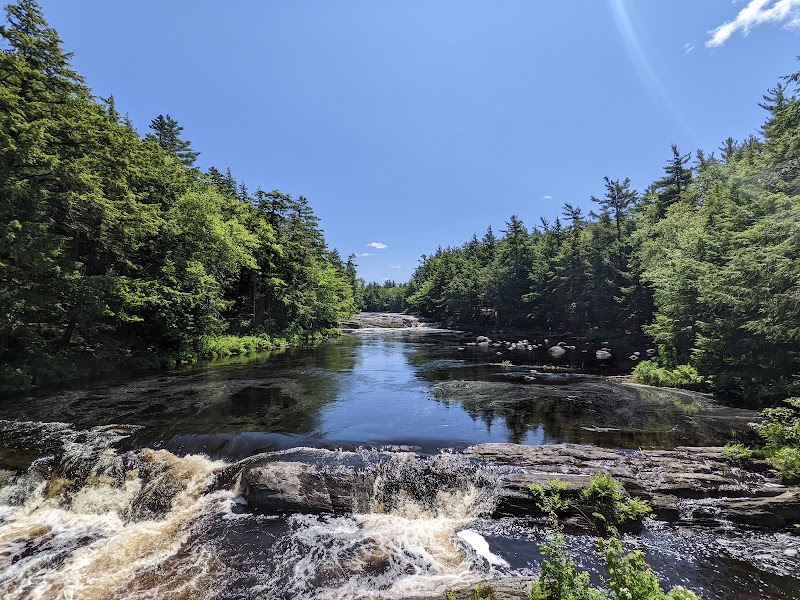
Canada · Maitland Bridge
Kejimkujik: quiet trails, paddling and old-growth pines
Strong reviews point to a spacious Nova Scotia park suited to easy riverside walks, lake paddling and peaceful backcountry camping.