White Tower: Ramla Views and a Steep Historic Climb
Ramla’s surviving White Tower rewards a narrow stair climb with broad views over the city and neighbouring Lod.
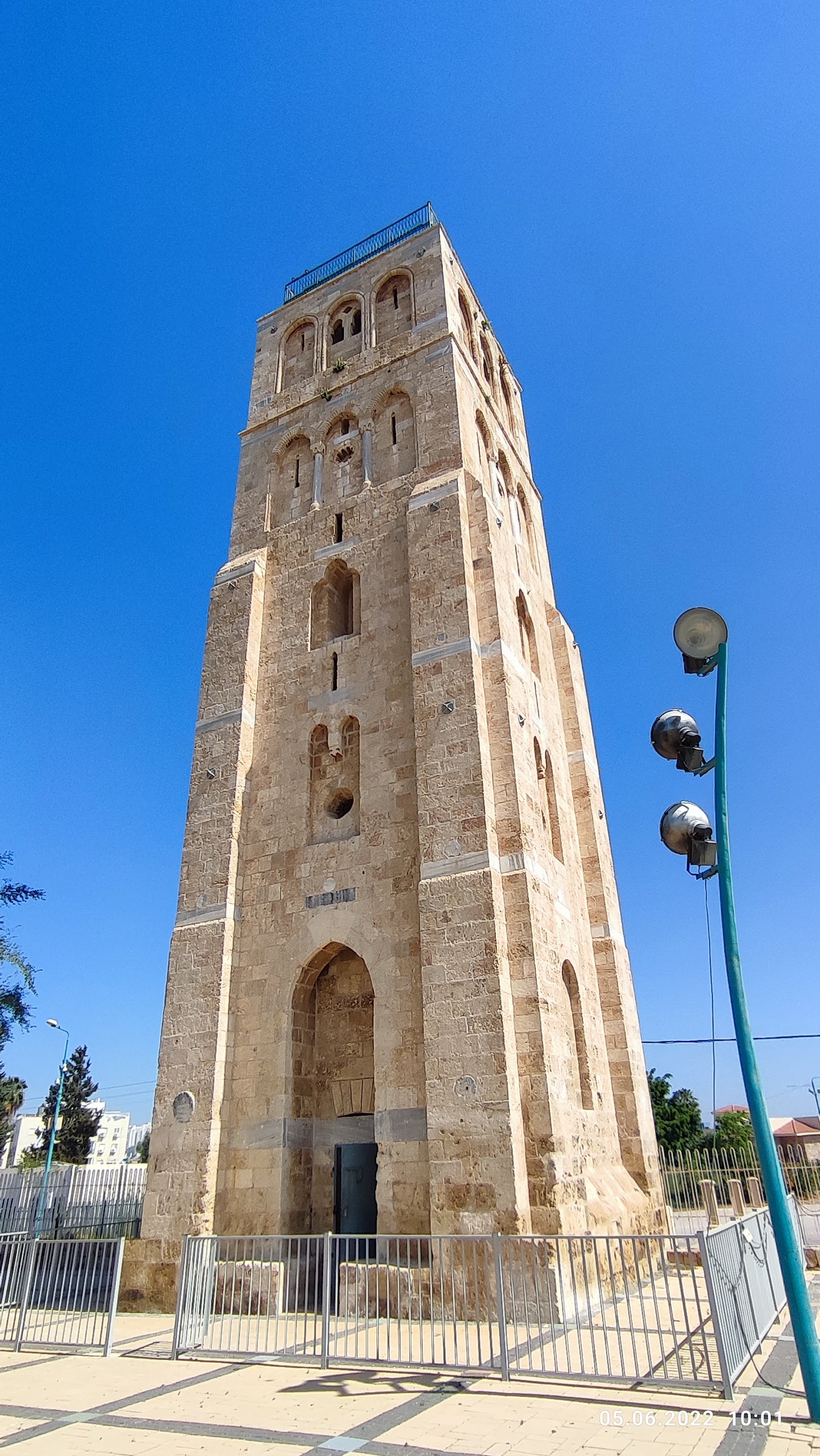
More photos
Photos published by travelers on Google, not AI generated.
What stands out
- 360-degree views over Ramla and towards Lod
- Climb of roughly 111 to 113 steps
- Approximately 30-metre-high historic tower
- Remains of the White Mosque complex
- Historic cemetery beside the ruins
Worth knowing
- Very narrow stairs, especially for groups
- The former mosque is largely in ruins
- Call ahead to confirm access
Don't miss
What comes up most in public reviews
- Climb to the top of the White Tower
- Look across Ramla and towards Lod
- See the White Mosque remains
- View the adjacent historic cemetery
Worth the trip?
Why visit
The White Tower is the principal surviving vertical landmark within the remains of Ramla’s historic White Mosque complex. Synthesised from its Google rating of 4.2 from 791 reviews, the appeal is straightforward: visitors climb a tall stone tower, take in the surrounding ruins and finish with a 360-degree view across Ramla and towards Lod.
Public reviews frequently describe the wider mosque as destroyed or reduced to scattered remains. Anyone expecting an intact place of worship may therefore be disappointed. The tower, rather than the former mosque, is the focus of the visit. A historic cemetery beside the ruins adds context to the site, although the available reviews give few details about interpretation or visitor facilities.
The climb and the view
Travellers consistently place the tower at about 30 metres high and count either 111 or 113 steps to the top. The slight disagreement hardly changes the experience: this is a confined, sustained staircase rather than an easy viewing platform. Reviewers warn that the steps are very narrow, particularly when people are trying to move in opposite directions. Large groups may find the ascent awkward.
At the top, the experience opens out. Reviews praise the panoramic outlook, with views across Ramla and towards Lod. The fresh air and unobstructed perspective appear to be the strongest reasons to make the climb. One visitor also noted the absence of a sign indicating the halfway point, so climbers should not expect much guidance inside the tower.
History and atmosphere
Reviewers repeatedly connect the tower with the former White Mosque and Ramla’s layered medieval past. Some describe the mosque as having been built over or associated with an earlier Crusader church, while another attributes its construction to Saladin. These comments show how strongly visitors respond to the site’s history, but they should be treated as traveller context rather than a substitute for verified interpretation on site.
What remains is evocative rather than complete: a prominent tower, mosque ruins and an adjacent cemetery. For visitors interested in architecture or historical landscapes, that fragmented character is part of the appeal. Those seeking a fully preserved mosque, extensive exhibits or a polished museum experience may find the stop comparatively limited.
Practical verdict
At least one public review says admission is required, while another recommends calling before visiting. Opening arrangements and access should therefore be checked directly before travelling, especially if climbing the tower is the main objective.
The White Tower works best as a focused historical stop rather than a full-day attraction. Its strongest feature is the rooftop panorama, supported by the physical experience of climbing a centuries-old structure and viewing the remnants of the mosque complex below. The narrow staircase is the main drawback, particularly for large groups or anyone uncomfortable in confined spaces. Overall, the positive rating suggests that visitors who arrive with realistic expectations tend to value the views and historic setting.
Plan the rest of the trip
Ask anything
Looking for somewhere else?
Keep exploring around Ramla
More from Israel
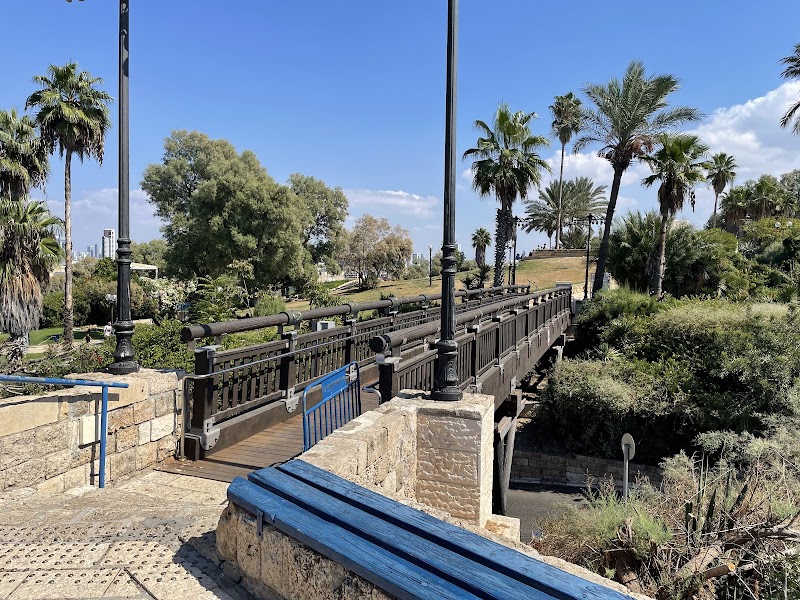
Israel · Tel Aviv-Yafo
Wishing Bridge: A Sea View and a Small Jaffa Ritual
This wooden bridge in Old Jaffa pairs zodiac plaques, a simple wishing ritual and open views towards the Mediterranean.
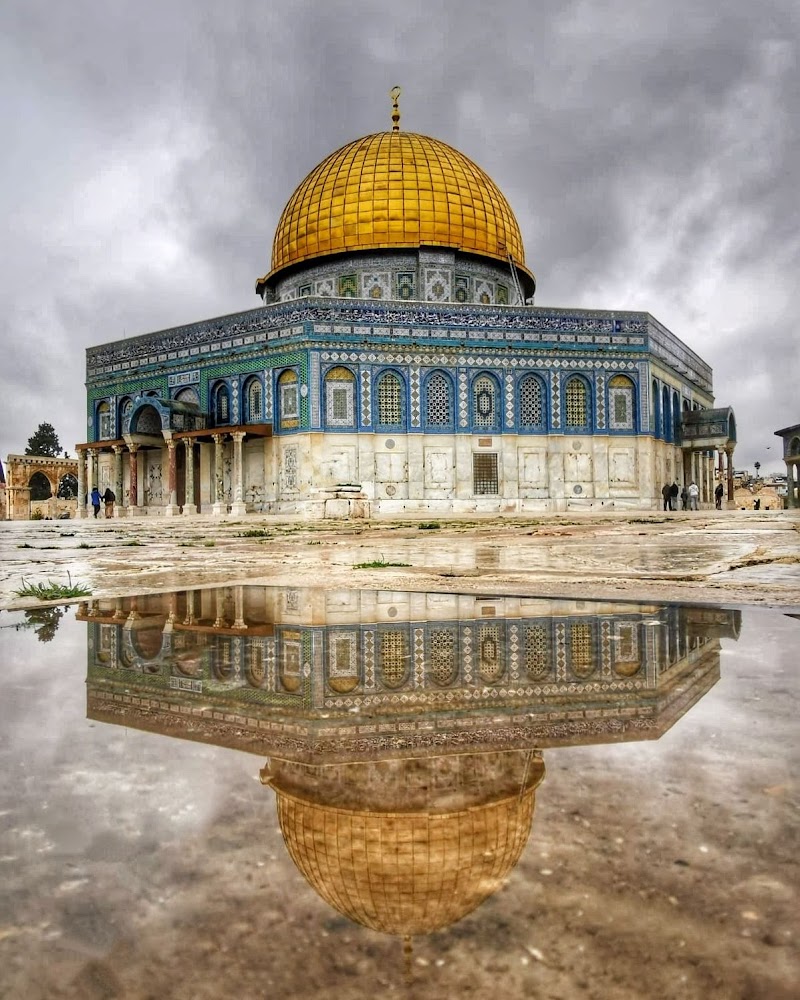
Israel · Jerusalem
Dome of the Rock: A Landmark That Demands Careful Planning
Jerusalem’s golden-domed sanctuary draws strong praise for its artistry and history, but access, photography and conduct rules require close attention.
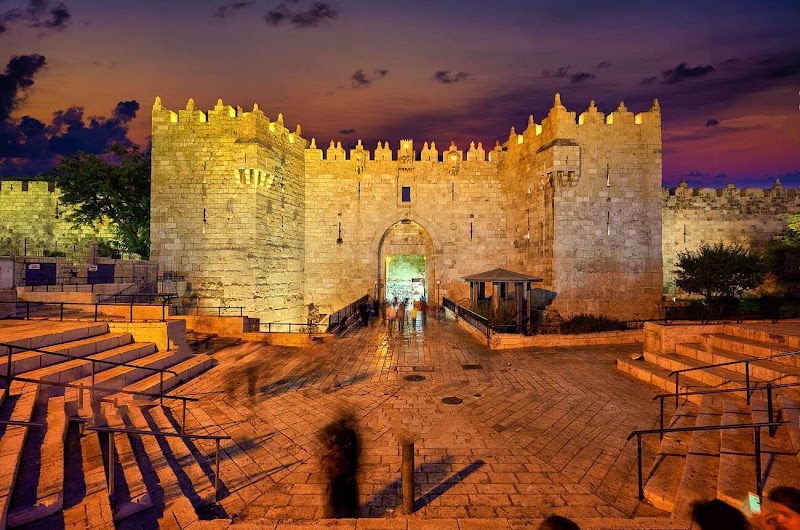
Israel · Jerusalem
Damascus Gate: Jerusalem’s Lively Old City Entrance
Damascus Gate is a memorable starting point for exploring Jerusalem’s Old City, with stone streets, local shops, food stalls and views by the Muslim Quarter.
Israel · Jerusalem
Tower of David, Jerusalem’s History Museum in an Ancient Citadel
Public reviews praise the Tower of David for its immersive Jerusalem history, thoughtful displays, professional guides and striking city views.