Western Wall: Jerusalem’s Powerful Place of Prayer
Public reviews describe an orderly, deeply moving place where prayer, reflection and Jerusalem’s ancient stones come together.

More photos
Photos published by travelers on Google, not AI generated.
What stands out
- Powerful spiritual atmosphere
- Ancient stone wall and main plaza
- Prayer, scripture reading and reflection
- Separate prayer areas for men and women
Worth knowing
- Security screening on arrival
- Shoulders should be covered
- Traffic into Jerusalem can be heavy
Don't miss
What comes up most in public reviews
- Place a folded prayer or wish in the wall
- Pause for reflection in the main plaza
- Observe the prayer areas respectfully
Worth the trip?
What public reviews say
The Western Wall has a Google rating of 4.8 from 11770 reviews. Yet visitors tend to write less about how it looks than how it feels. Peace, awe, holiness and spiritual connection come up repeatedly in public feedback. Faith does not appear to be a prerequisite, either. Several reviewers say the atmosphere can feel powerful even to those who are not religious.
At the centre of the experience is the surviving section of an ancient retaining wall associated with the former Jewish temple. The main plaza in front leaves plenty of room to watch people read scripture, pray, reflect or press folded notes into gaps between the stones. The mood changes. Reviews move between quiet contemplation and visible emotion, describing worshippers crying or simply standing alone with their thoughts.
Visiting the prayer areas
Reviews portray the plaza and prayer spaces as orderly, active and respectful. Men and women have separate sections. Visitors should follow the instructions at the entrance and take care not to interrupt anyone worshipping. One reviewer specifically says shoulders must be covered, so modest clothing is the sensible option.
Security screening is part of arriving at the site. Staff may ask questions, according to reviews, though visitors who follow the rules are generally able to explore and reflect without trouble. This is a place of worship first. Quiet behaviour matters, as does sensitivity when taking photographs, even when the plaza is crowded.
One ritual appears often in the feedback: writing a prayer, wish or personal message on a small piece of paper, then placing it in a gap in the wall. For many reviewers, this simple act defines the visit. Others prefer to stand farther back and observe the rhythms of prayer moving across the plaza.
Practical considerations
The supplied feedback recommends visiting early in the morning. It can be calmer then, and traffic entering Jerusalem can be heavy. One review says a bus can drop passengers close to the site, while bathrooms are available nearby. That makes a short visit practical, although the emotional weight of the setting leads some people to remain longer than they had planned.
Jerusalem’s market districts are also connected to the immediate area. One reviewer mentions an Arab market above the site, along with a Jewish market farther away by bus. Both stops may complement a visit. Still, the Western Wall warrants time of its own and should not be reduced to a quick photo opportunity.
Editorial verdict
The clearest pattern across public reviews is personal response, not sightseeing spectacle. Many visitors are deeply affected by the stones, the prayers and the shared silence. Clear rules, separate prayer sections and security procedures give structure to what remains an intensely active religious space.
The Western Wall is best visited with modest dress, patience and respect. Those who arrive early, pause in the plaza and leave enough time for reflection are most likely to understand why it remains one of Jerusalem’s most affecting places.
Plan the rest of the trip
Ask anything
Looking for somewhere else?
Keep exploring around Jerusalem
More from Israel
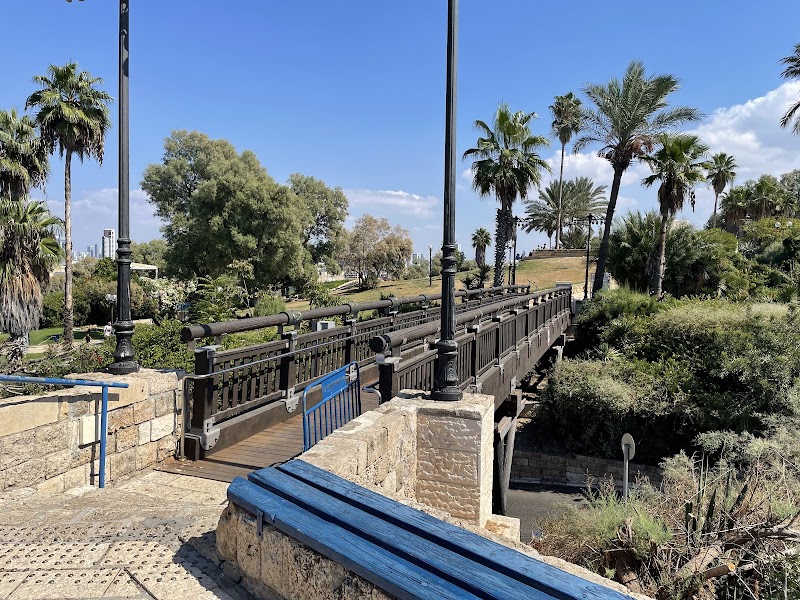
Israel · Tel Aviv-Yafo
Wishing Bridge: A Sea View and a Small Jaffa Ritual
This wooden bridge in Old Jaffa pairs zodiac plaques, a simple wishing ritual and open views towards the Mediterranean.
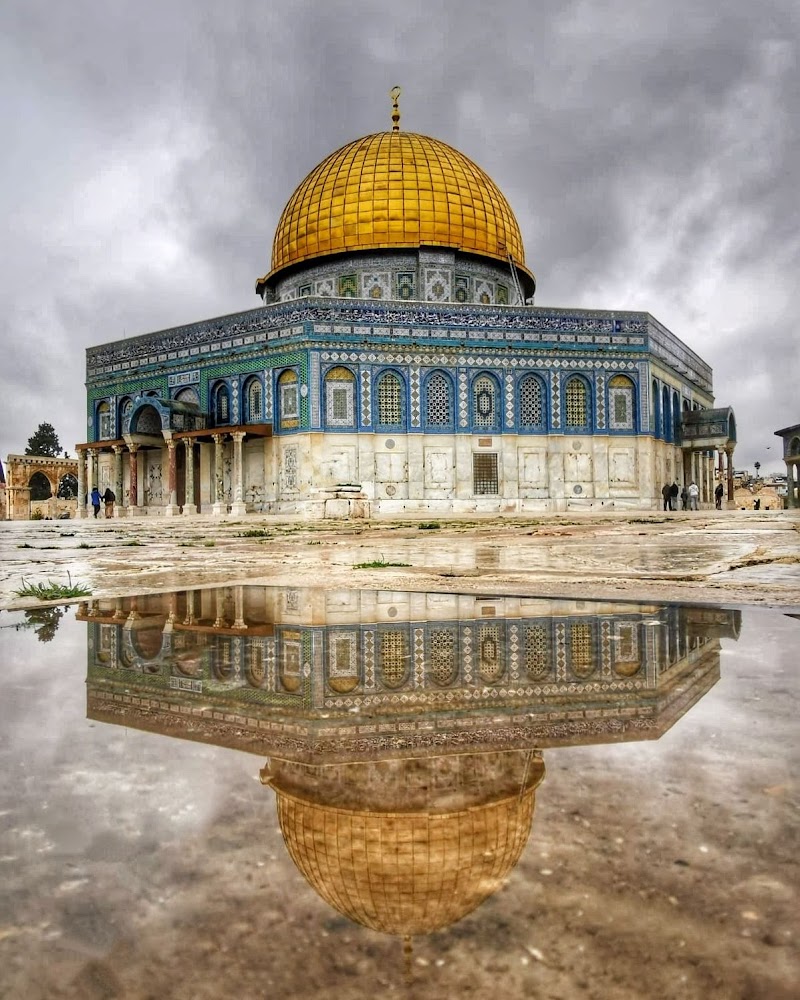
Israel · Jerusalem
Dome of the Rock: A Landmark That Demands Careful Planning
Jerusalem’s golden-domed sanctuary draws strong praise for its artistry and history, but access, photography and conduct rules require close attention.
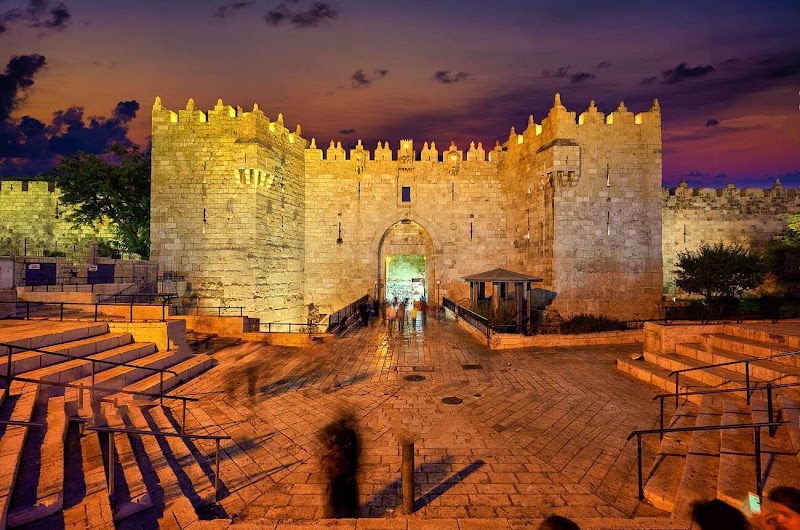
Israel · Jerusalem
Damascus Gate: Jerusalem’s Lively Old City Entrance
Damascus Gate is a memorable starting point for exploring Jerusalem’s Old City, with stone streets, local shops, food stalls and views by the Muslim Quarter.
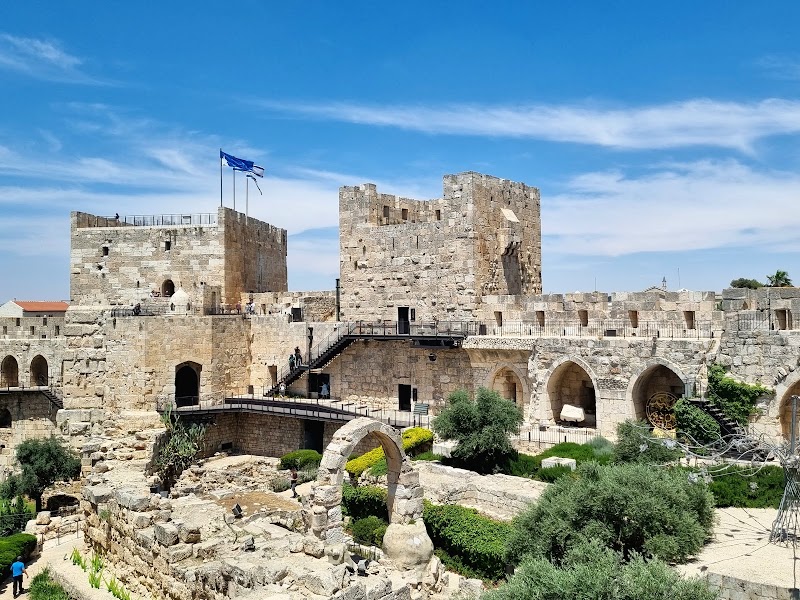
Israel · Jerusalem
Tower of David, Jerusalem’s History Museum in an Ancient Citadel
Public reviews praise the Tower of David for its immersive Jerusalem history, thoughtful displays, professional guides and striking city views.