Waziri Junaidu History & Culture Bureau: Sokoto’s Living Archive
This museum offers a direct look at northern Nigerian history, with manuscripts, historic objects and memories linked to major regional figures.
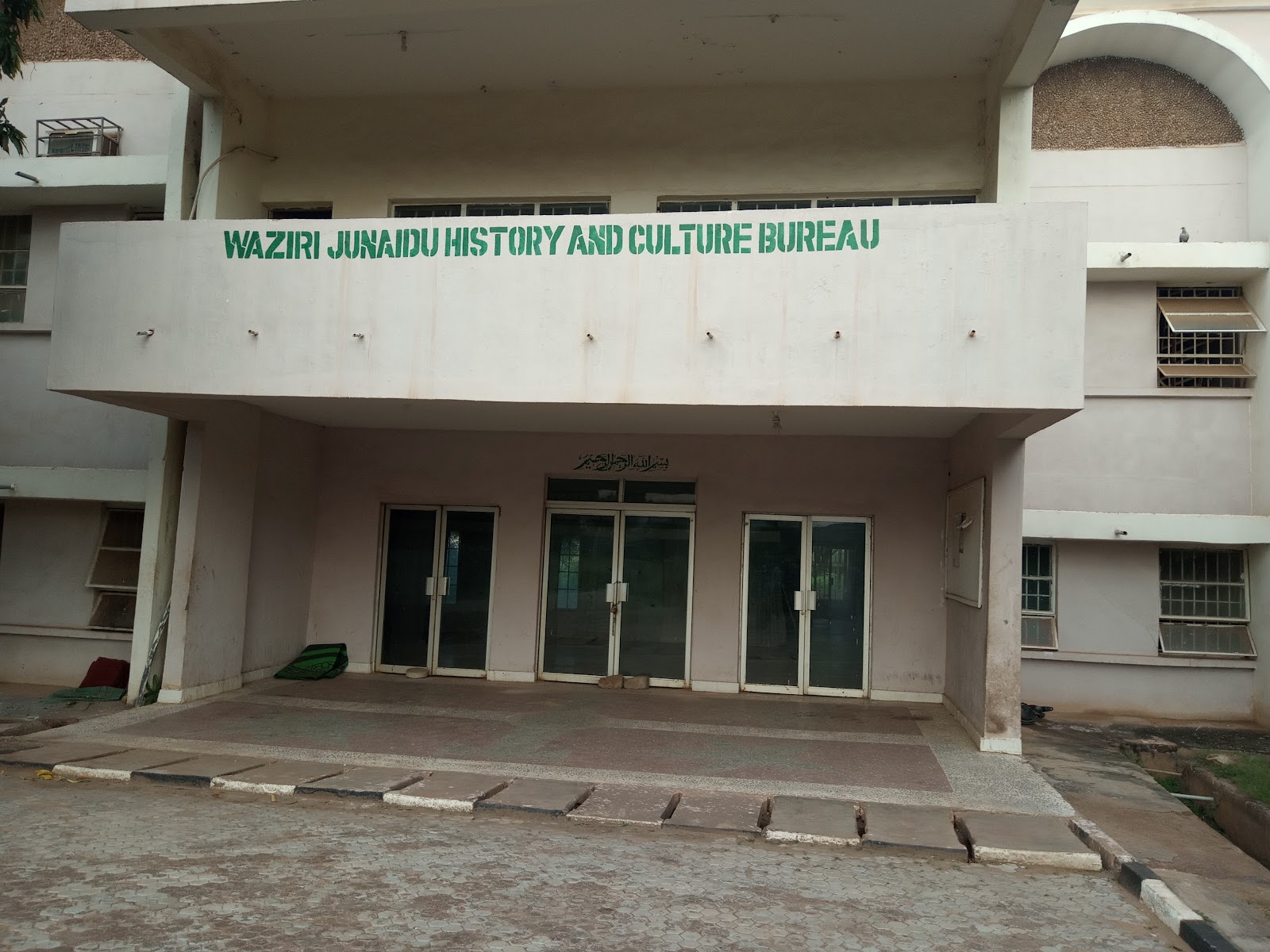
More photos
Photos published by travelers on Google, not AI generated.
What stands out
- Manuscripts and objects said to be around 700 years old
- Sir Ahmadu Bello’s historic vehicle
- Weapons and northern Nigerian memorabilia
- Old photographs, including the Queen of England
- Guide-led stories about the collection
Worth knowing
- Restoration and maintenance are concerns
- Access may be unavailable on Saturday evening
- Opening hours are not confirmed
Don't miss
What comes up most in public reviews
- Ask about Nana Asmau
- See Sir Ahmadu Bello’s vehicle
- Look for the bullet hole in the vehicle
- Ask the guide about Usmanu Danfodio-era items
Worth the trip?
The Waziri Junaidu History & Culture Bureau is one of Sokoto’s most worthwhile stops for visitors interested in the history of northern Nigeria. Public reviews give it 4.2 out of 5 from 311 reviews, with repeated praise for its historical material and the stories shared by guides.
What visitors come to see
The collection is described as substantial, if unevenly maintained. Reviewers mention weapons, manuscripts and objects said to be around 700 years old. Other displays connect the museum with the Sardauna, Sir Ahmadu Bello, and Usmanu Danfodio. Old photographs also feature prominently, including images of the Sardauna and a picture of the Queen of England.
One particularly memorable object is Sir Ahmadu Bello’s vehicle. A public review describes the car as still present, with the bullet hole associated with its history. The vehicle’s survival gives the museum a tangible point of contact with a major figure in Nigeria’s political past. It is the sort of exhibit that can make a history lesson feel immediate.
Why it matters
The reviews present the bureau as more than a casual sightseeing stop. Several visitors describe the material as valuable for understanding northern Nigeria, while one specifically recommends it to history students carrying out research. The museum also gives attention to subjects and figures that may not receive much space in general tourist itineraries.
Reviewers encourage visitors of all backgrounds to come. That recommendation reflects the collection’s wider historical relevance rather than a narrowly religious focus. The bureau can help place Sokoto’s political, scholarly and cultural heritage in context, especially for travellers who want to understand the region beyond its better-known monuments.
Conditions and planning
The main reservation is the state of the building and collection. Reviews repeatedly call for restoration and better care, with concern about dust and the condition of valuable manuscripts. Expectations should therefore be set around access to important material, not a polished museum experience.
Opening arrangements also deserve attention. One visitor arrived on a Saturday evening and could not get inside. The available reviews do not establish regular opening hours, so checking locally before setting out is sensible. Earlier in the day is the safer choice based on the visitor reports, but no specific schedule is confirmed.
A guide can add considerable value. One reviewer found the tour guide’s account particularly engaging, and asking about Nana Asmau may lead to a richer understanding of the people and traditions represented in the archive. The visit is likely to suit travellers prepared to spend time looking closely, asking questions and accepting some signs of institutional neglect.
The verdict
The Waziri Junaidu History & Culture Bureau is a strong choice for researchers, culturally curious travellers and anyone exploring Sokoto’s historical importance. Its condition limits the experience, but the manuscripts, old objects, photographs and links to Sir Ahmadu Bello and Usmanu Danfodio make it significant. Allow part of a day, confirm access first, and treat the visit as an encounter with an important archive rather than a fully restored museum.
Plan the rest of the trip
Ask anything
Looking for somewhere else?
Keep exploring around Sokoto
More from Nigeria
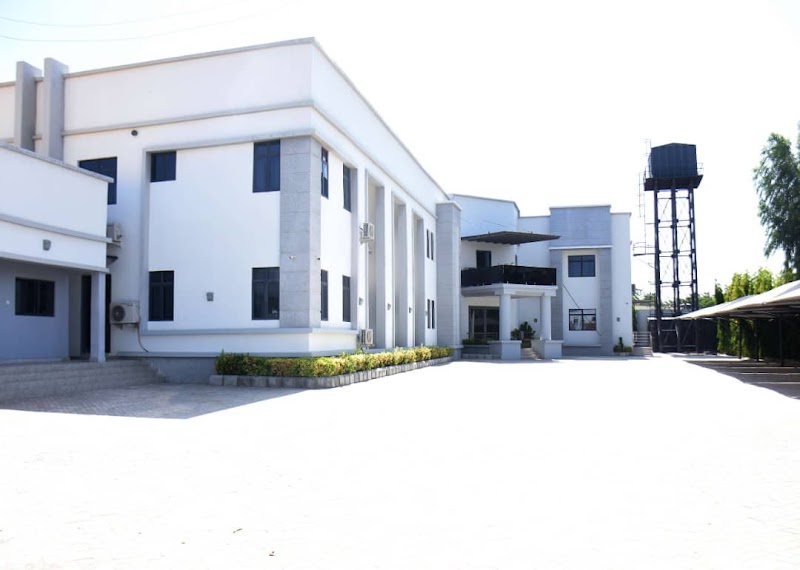
Nigeria · Maiduguri
Solace Suites and Homes: Spacious Stay in Maiduguri
Public reviews praise the rooms, staff and food, while repeated concerns about daytime power cuts make practical checks important before booking.

Nigeria · Ikeja
Ivy Hotel Aromire: Friendly Service Near Lagos Airport
Public reviews describe a clean, comfortable stay with welcoming staff, though one recent account raises concerns about electricity and service reliability.

Nigeria · Uyo
Remalex Hotels and Suites Uyo: A Calm Base in Uyo
Public reviews point to a polished, quiet hotel with welcoming staff, distinctive rooms and a few facilities that need closer attention.
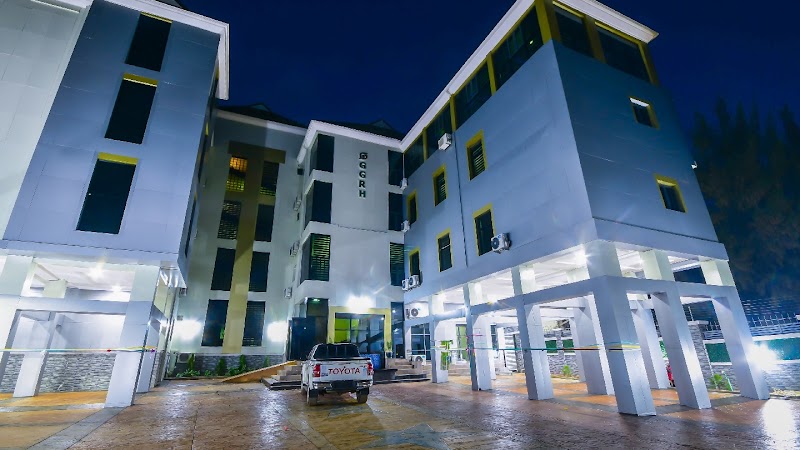
Nigeria · Lokoja
Golden Grand Royale Hotel Lokoja: Stylish Rooms, Uneven Service
Public reviews praise the hotel’s clean design and comfortable rooms, while repeated service and utilities issues call for a few checks before booking.