Wat Rong Khun: Dazzling Detail, Alongside Big Crowds
Chiang Rai’s White Temple pairs mirror-bright architecture and contemporary murals with crowds that can gather before opening.
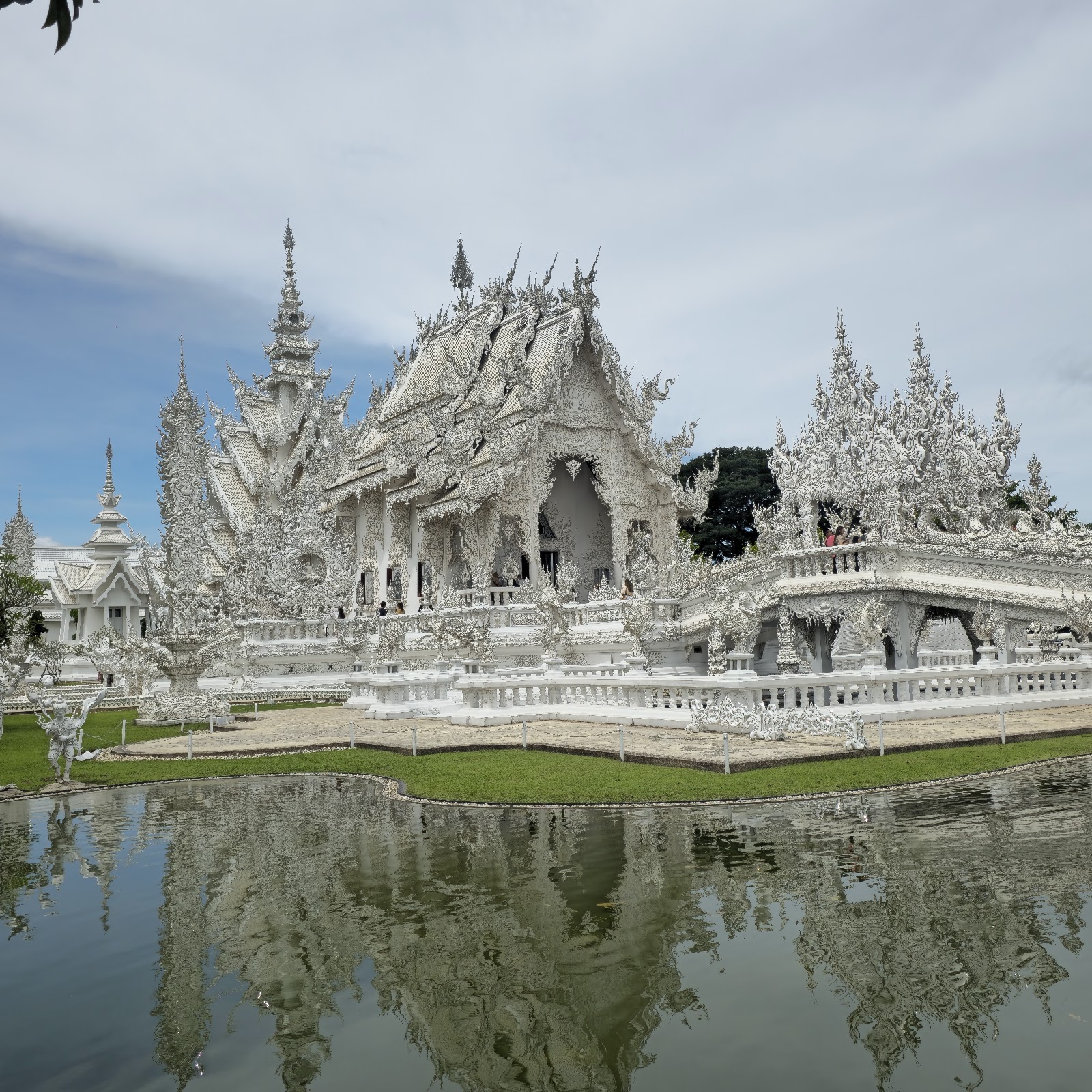
More photos
Photos published by travelers on Google, not AI generated.
What stands out
- Mirror-covered white exterior
- Bridge above a sea of sculpted hands
- Contemporary interior murals
- Intricate dragon and mosaic details
- Decorative temple grounds
Worth knowing
- Tour groups can gather before opening
- Clear photos may require patience
- Interior photography is restricted
Don't miss
What comes up most in public reviews
- Cross the symbolic entrance bridge
- Study the embedded mirror details
- Look closely at the interior murals
- Explore beyond the main facade
Worth the trip?
Overall impression
Public feedback presents Wat Rong Khun as both a Buddhist place of worship and an elaborate work of contemporary Thai art. Google lists it at 4.6 from 25118 reviews, reflecting the strong response to its craftsmanship, symbolism and highly photogenic exterior. Travellers repeatedly describe the complex as spectacular, gorgeous and unlike a conventional temple.
The defining image is the brilliant white facade, covered with small mirrors that catch the sunlight and make the structure appear to glitter. Reviewers connect the white exterior with purity and the reflective surfaces with wisdom, while also praising the sheer precision of the decorative work. The result feels theatrical without losing its spiritual themes.
What stands out
The entrance sequence receives particular attention. Visitors cross a bridge past a mass of sculpted hands, commonly interpreted as representing desire and suffering. It is one of the temple’s most memorable visual elements and a popular photography spot. Dragon details, mosaics and other small flourishes reward close inspection, so the complex suits travellers prepared to move slowly rather than treat it as a quick photo stop.
Inside, reviewers highlight murals that incorporate modern or contemporary imagery. Photography is reported to be restricted in the temple interior, making careful observation more important than camera time. One reviewer also singled out the cave for its unusual atmosphere, though the exterior architecture, bridge and murals appear more consistently across public feedback.
The wider grounds add to the visit. Several accounts stress that there is more to see than the famous front view, with reflective details, decorative surfaces and varied photo compositions around the complex. The design is associated in reviews with Thai artist Chalermchai Kositpipat, whose artistic direction shapes the site’s distinctive mix of Buddhist symbolism and modern visual references.
Crowds and photography
Popularity is the clearest drawback. One family reported arriving before opening on a Wednesday and finding tour buses already waiting, followed by still more visitors later in the morning. That account suggests an early arrival is not a reliable route to empty views. Travellers focused on photography may need patience while people cross the bridge or gather around the main facade.
Crowds can also make the setting feel less contemplative. Public feedback indicates that Wat Rong Khun works best when approached as a major attraction as well as a religious and artistic site. Visitors seeking quiet temple grounds may find the experience busy, particularly when tour groups arrive.
Editorial verdict
Wat Rong Khun earns its reputation through intricate craftsmanship rather than scale alone. The mirrored white exterior, symbolic sea of hands and unexpected interior murals provide enough detail for a measured visit of a few hours. It is especially compelling for architecture enthusiasts, photographers and travellers interested in contemporary interpretations of Buddhist ideas.
The trade-off is limited calm and no dependable crowd-free window based on the supplied reviews. Patience, respectful clothing and time to examine the smaller details will produce a stronger visit than rushing through for a single facade photograph.
Plan the rest of the trip
Ask anything
Looking for somewhere else?
Keep exploring around Pa O Don Chai
More from Thailand
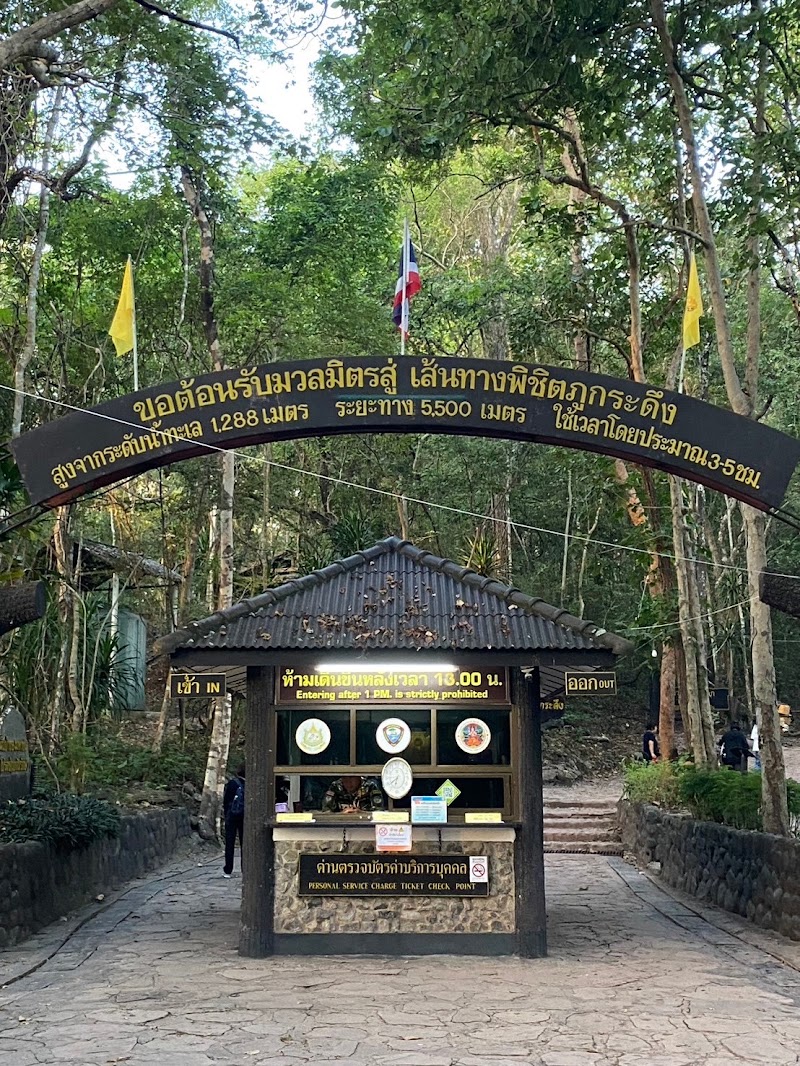
Thailand · Si Than
Phu Kradueng: A Demanding Trek with Big Mountain Rewards
Public reviews describe Phu Kradueng as a challenging but manageable trek, with pine forests, waterfalls, viewpoints and organised camping on the plateau.
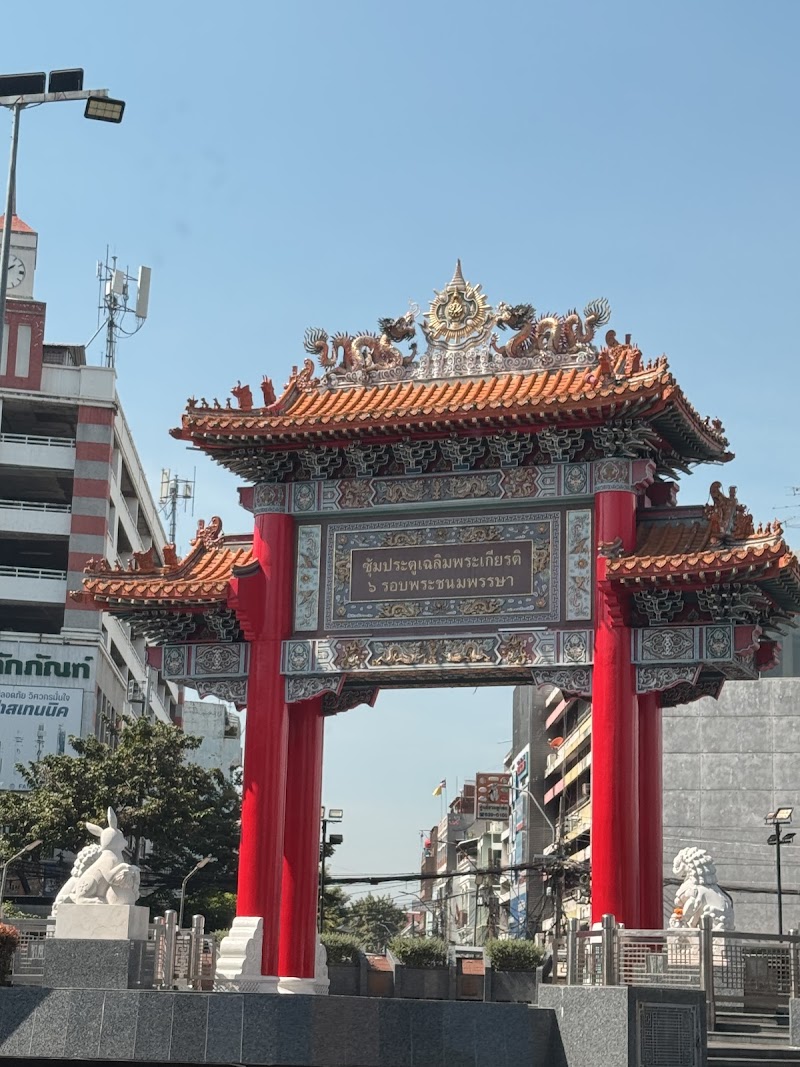
Thailand · Khwaeng Talat Noi
Talat Noi, Bangkok’s Open-Air Street-Art Neighbourhood
Talat Noi rewards slow wandering through mural-lined alleys, old buildings and riverside streets with a more residential feel than Bangkok’s busiest tourist areas.
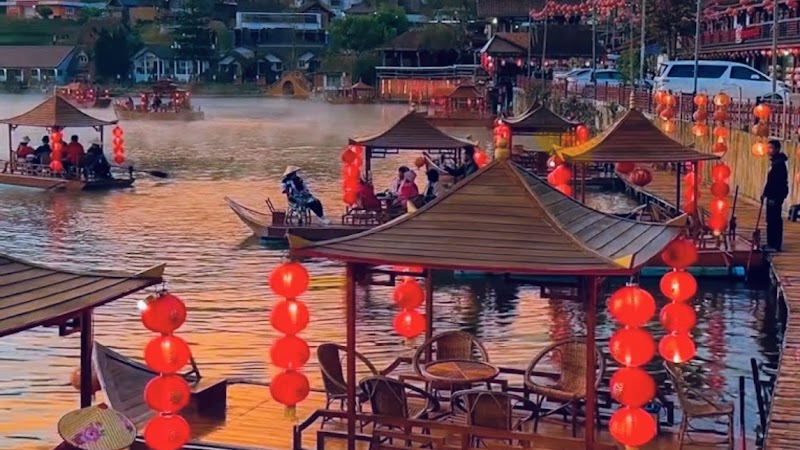
Thailand · Tambon Mok Cham Pae
Ban Rak Thai Boat Trip: Quiet Lake Views in Northern Thailand
A traditional boat ride offers a calm way to see Ban Rak Thai’s lake, tea-covered hills and Yunnanese character from the water.
Thailand · Huai Kaeo
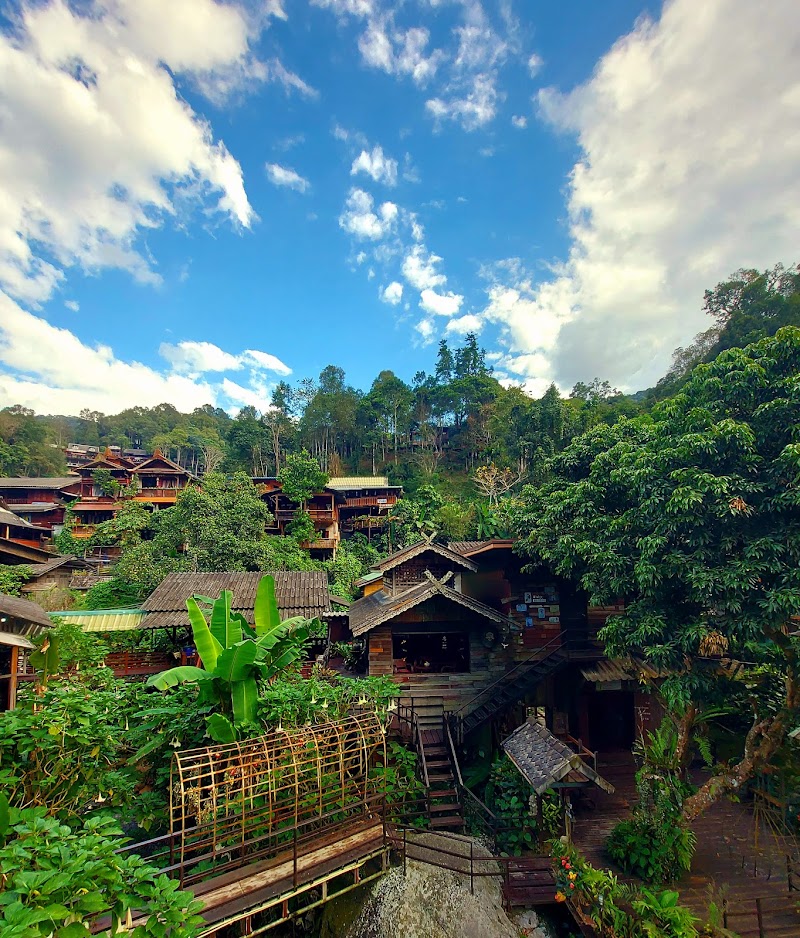
Mae Kampong Village: Mountain Air and Wooden Houses
Public reviews describe Mae Kampong as a peaceful mountain village with streams, cafés, greenery and a memorable road in from Chiang Mai.