Walls of Macau: A Small Fragment of the City’s Past
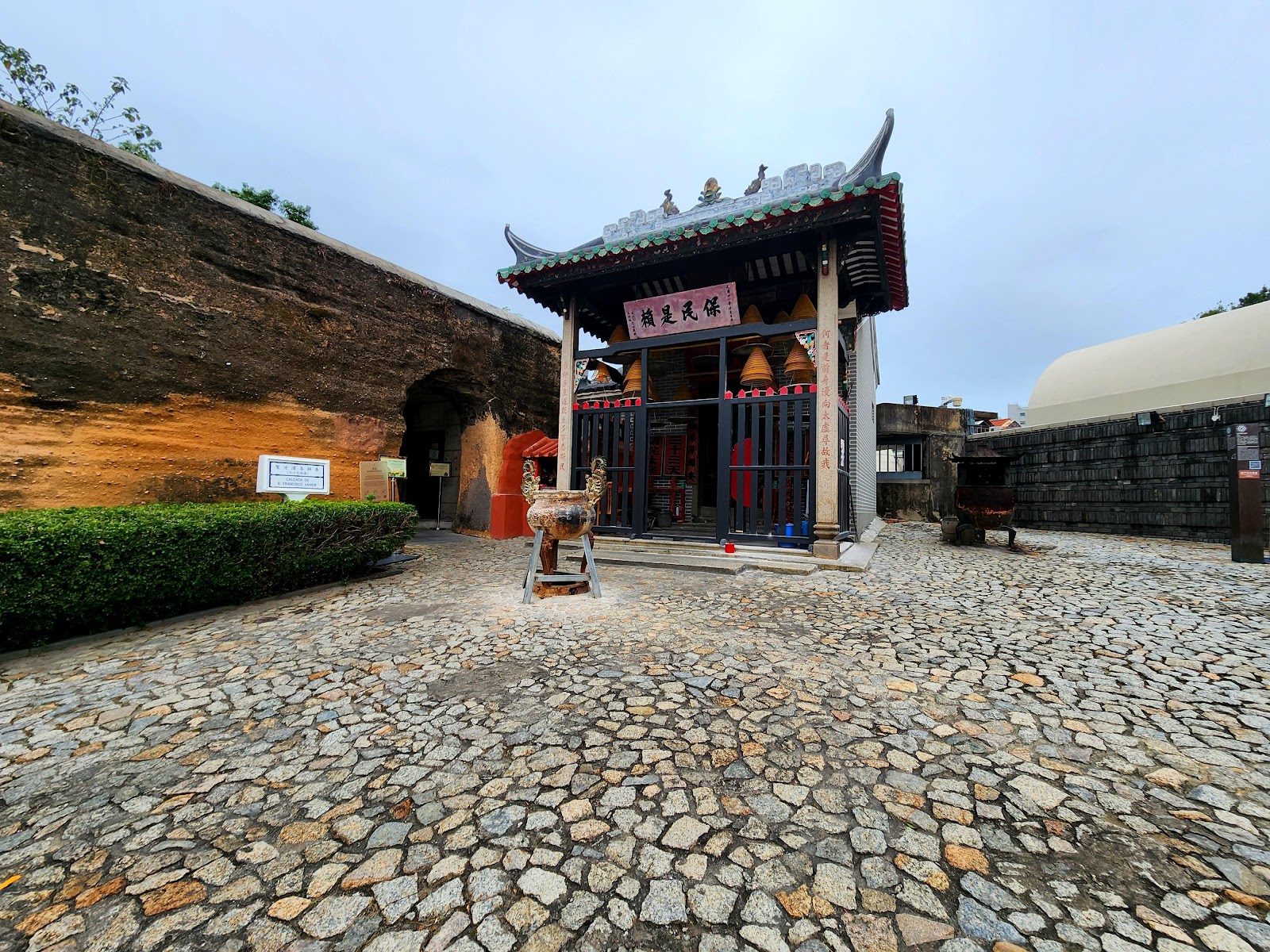
Beside Na Tcha Temple, this surviving wall section works best as a brief historical stop while exploring the Ruins of St. Paul area.
More photos
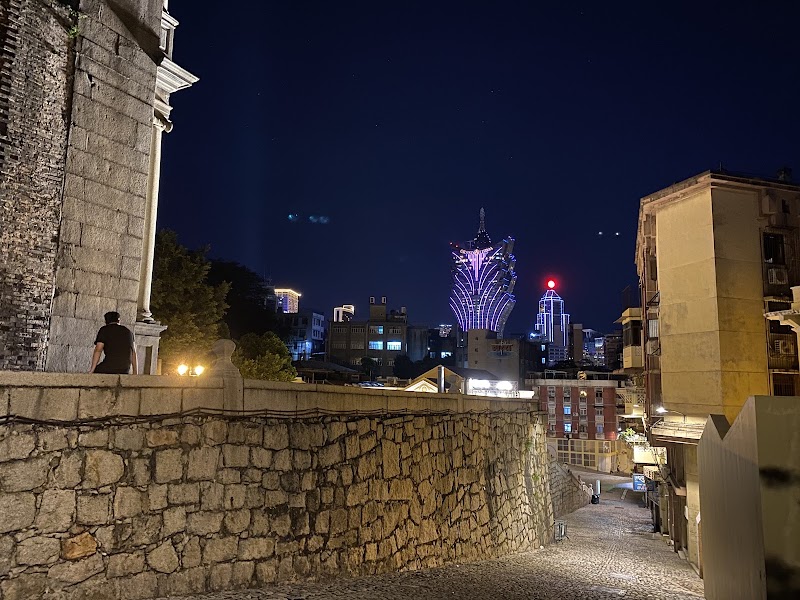
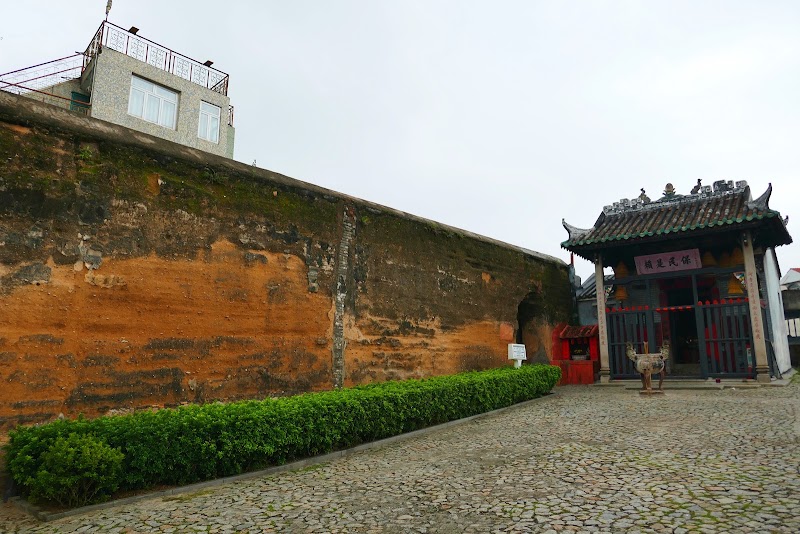
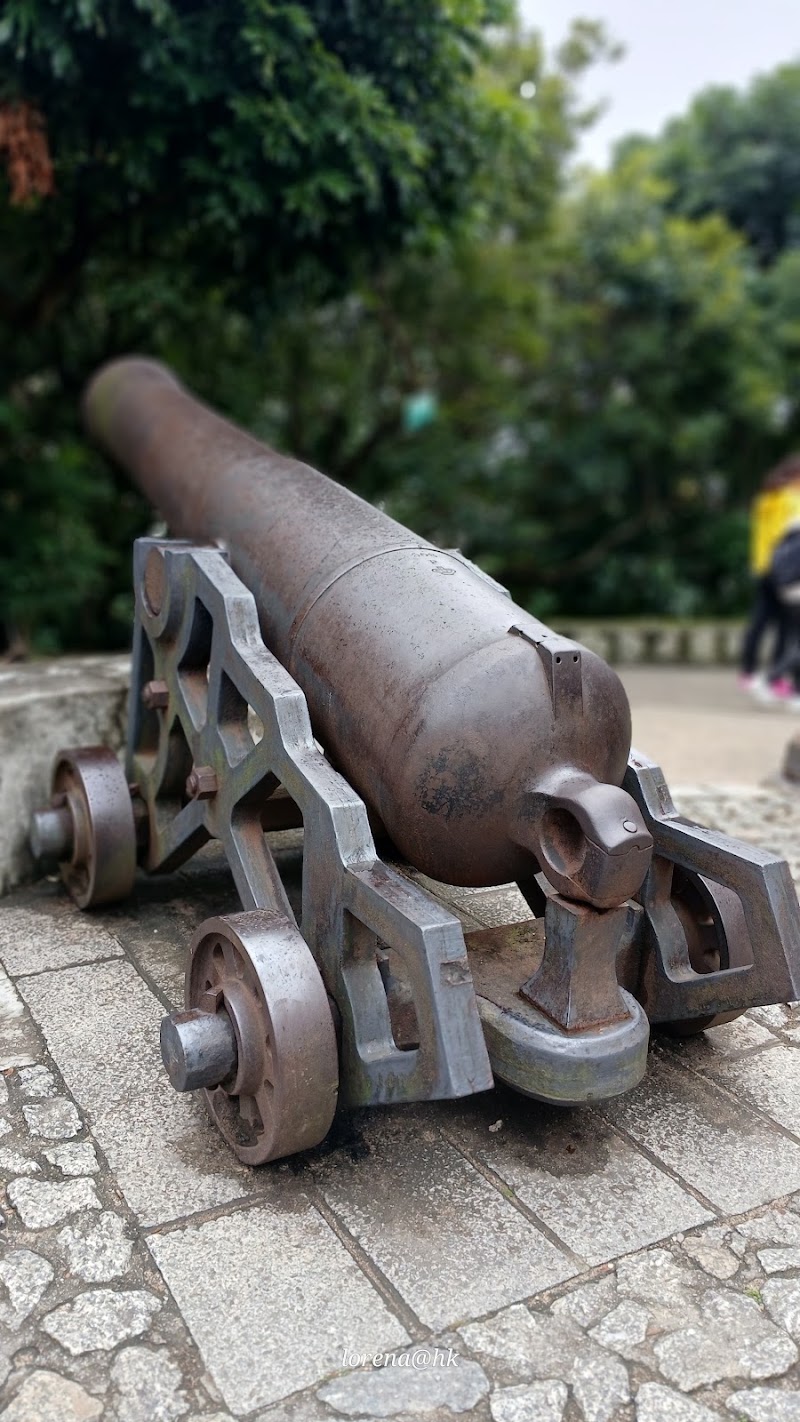
Photos published by travelers on Google, not AI generated.
What stands out
- Mid-16th-century fortification remnant
- Next to Na Tcha Temple
- Close to the Ruins of St. Paul
- Views after an uphill approach
Worth knowing
- Very small and easy to overlook
- Crowded surrounding streets
- Steep uphill walking
Don't miss
What comes up most in public reviews
- Identify the surviving Old City Wall section
- Visit Na Tcha Temple
- See Na Tcha Gallery
- Combine it with the Ruins of St. Paul
Worth the trip?
A modest historical remnant
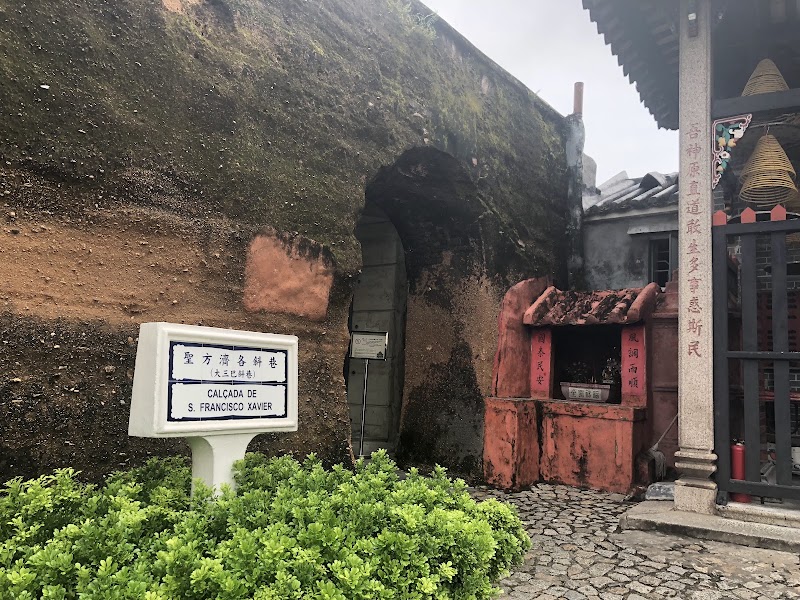
The Walls of Macau are easy to overlook. Public reviews describe the attraction as a small surviving section of the Old City Wall rather than a substantial fortification that can be walked or explored. It stands beside Na Tcha Temple and Na Tcha Gallery, behind the Ruins of St. Paul, and some visitors initially mistake it for part of the temple complex.
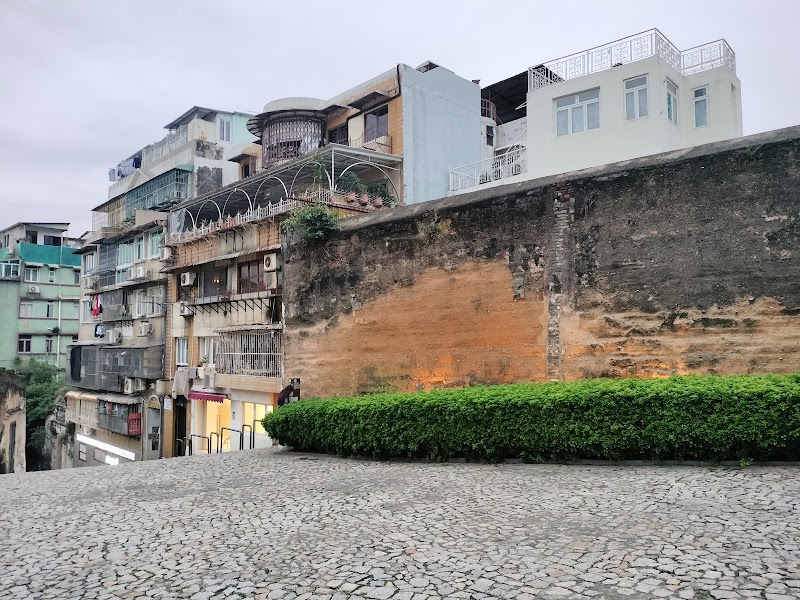
That modest scale shapes the experience. Travellers expecting a dramatic defensive structure may find that there is very little to see, while those interested in Macau’s layered history are more likely to appreciate its significance. Reviewers identify the fragment as a remnant of the fortifications built around the Portuguese settlement in the mid-16th century. Its appeal lies in that historical context, not in architectural spectacle.
Best visited as part of the wider district
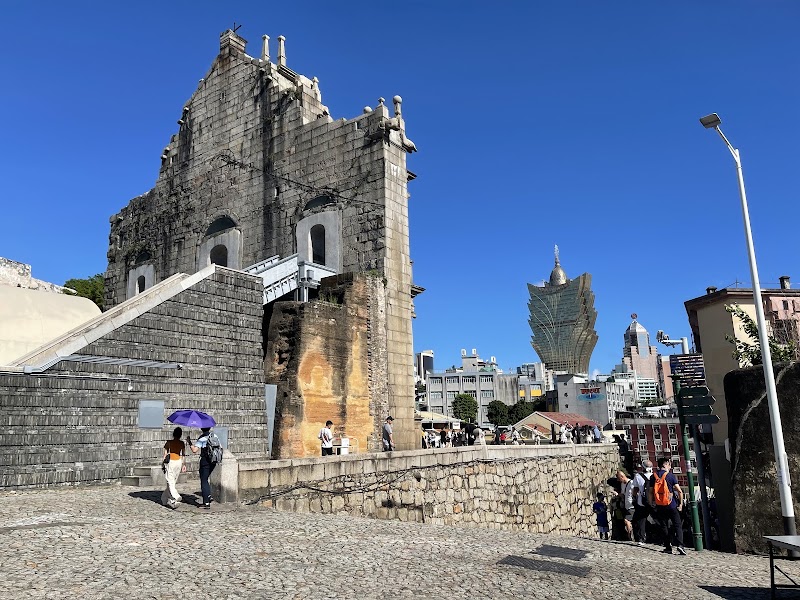
Reviews consistently suggest treating the wall as one stop within a broader walk rather than as a standalone destination. The Ruins of St. Paul, Na Tcha Temple and Na Tcha Gallery are immediately associated with the site, making it simple to include the wall while moving between nearby heritage attractions.
This concentration of sights is one of the area’s strengths. Public feedback mentions opportunities to combine history with shopping, eating and general sightseeing, providing a marked contrast to Macau’s casino districts. The wall itself may occupy only a few minutes, but the surrounding area can support a longer walking itinerary.
The location also gives the fragment more meaning. Seen beside a Chinese temple and close to one of Macau’s best-known Portuguese-era ruins, it contributes to a compact illustration of the city’s different historical influences. Visitors who pause to identify the wall and understand what it once formed part of tend to get more from the stop than those arriving without context.
Crowds, walking and the uphill approach
The main practical concern raised in reviews is crowding. The wider Ruins of St. Paul area can become packed with tourists, making the lanes difficult to walk through comfortably. Since the wall is small and visually understated, it can be particularly easy to pass when attention is divided between crowds and neighbouring landmarks.
Travellers also describe an uphill, sometimes steep approach through this part of the historic district. The climb is considered worthwhile by reviewers who value the views, but comfortable footwear and readiness to walk would improve the experience. Anyone exploring several nearby sites should expect more walking than the wall’s brief viewing time might suggest.
Overall verdict
With a Google rating of 4.2 from 96 reviews, the Walls of Macau receive generally positive feedback, though comments make clear that expectations matter. This is not a major attraction in physical scale. It is a surviving piece of masonry whose importance is historical and contextual.
The strongest visit combines it with Na Tcha Temple, Na Tcha Gallery and the Ruins of St. Paul. For heritage-focused travellers already in the district, it is a worthwhile pause. For those seeking a substantial wall walk or a destination capable of filling significant time on its own, it is likely to feel underwhelming.
Ask anything
Looking for somewhere else?
Keep exploring
More from Macao
Macao
Sam Kai Vui Kun: a quiet temple near Senado Square
This compact 18th-century temple offers traditional decoration, living worship and a calm counterpoint to central Macau’s busy streets.
Macao
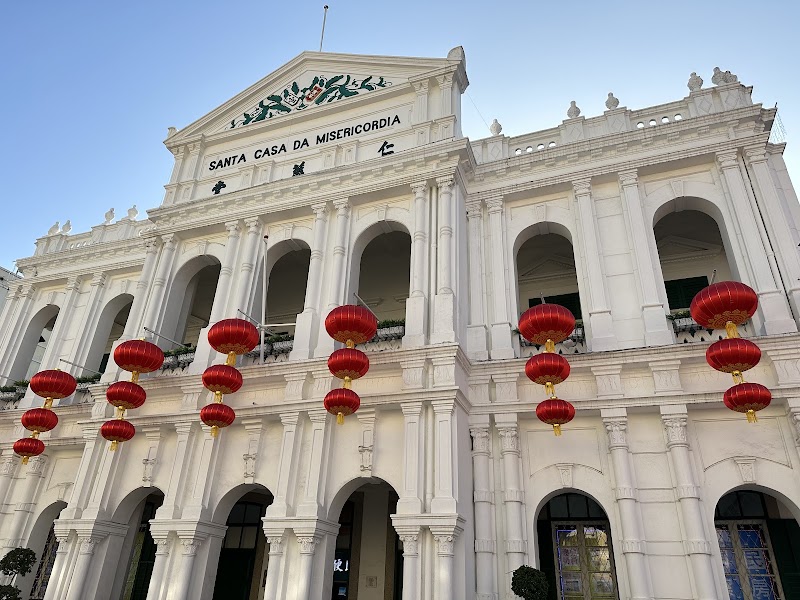
Holy House of Mercy: Macau’s Compact Heritage Museum
An elegant Senado Square landmark with a small museum tracing more than four centuries of charitable and Catholic history.
Macao
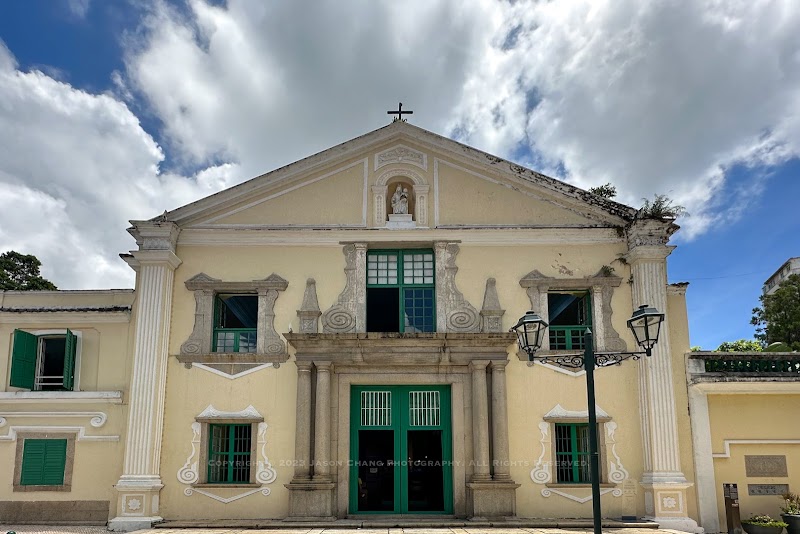
St. Augustine’s Church: A Serene Stop in Macau
A restrained exterior opens onto a striking Catholic interior, offering a quieter pause within walking distance of Senado Square.
Macao
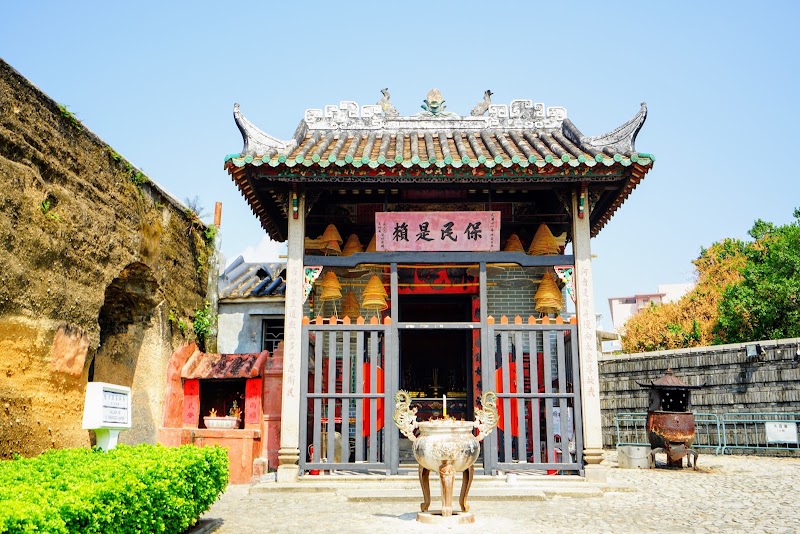
Na Tcha Temple: a peaceful stop beside St Paul’s
This compact historic temple adds Chinese religious heritage and a reflective pause to a visit around Macau’s Ruins of St Paul’s.