Walking the Medieval Walls of Ávila
Ávila’s remarkably preserved walls deliver elevated city views, medieval atmosphere and an essential introduction to the fortified old town.
More photos
Photos published by travelers on Google, not AI generated.
What stands out
- Well-preserved medieval fortifications
- Multiple walkable rampart sections
- Views inside and outside the city
- Serene historic atmosphere
- Old-town shops and restaurants
Worth knowing
- The rampart circuit is not continuous
- Stairs are required to reach walkways
- Secondary ticket access may vary
Don't miss
What comes up most in public reviews
- Start at the Las Carnicerías entrance
- Walk more than one wall section
- Look across the landscape outside the walls
- View the main buildings inside the fortress
- Visit the information centre
Worth the trip?
Why the walls stand out
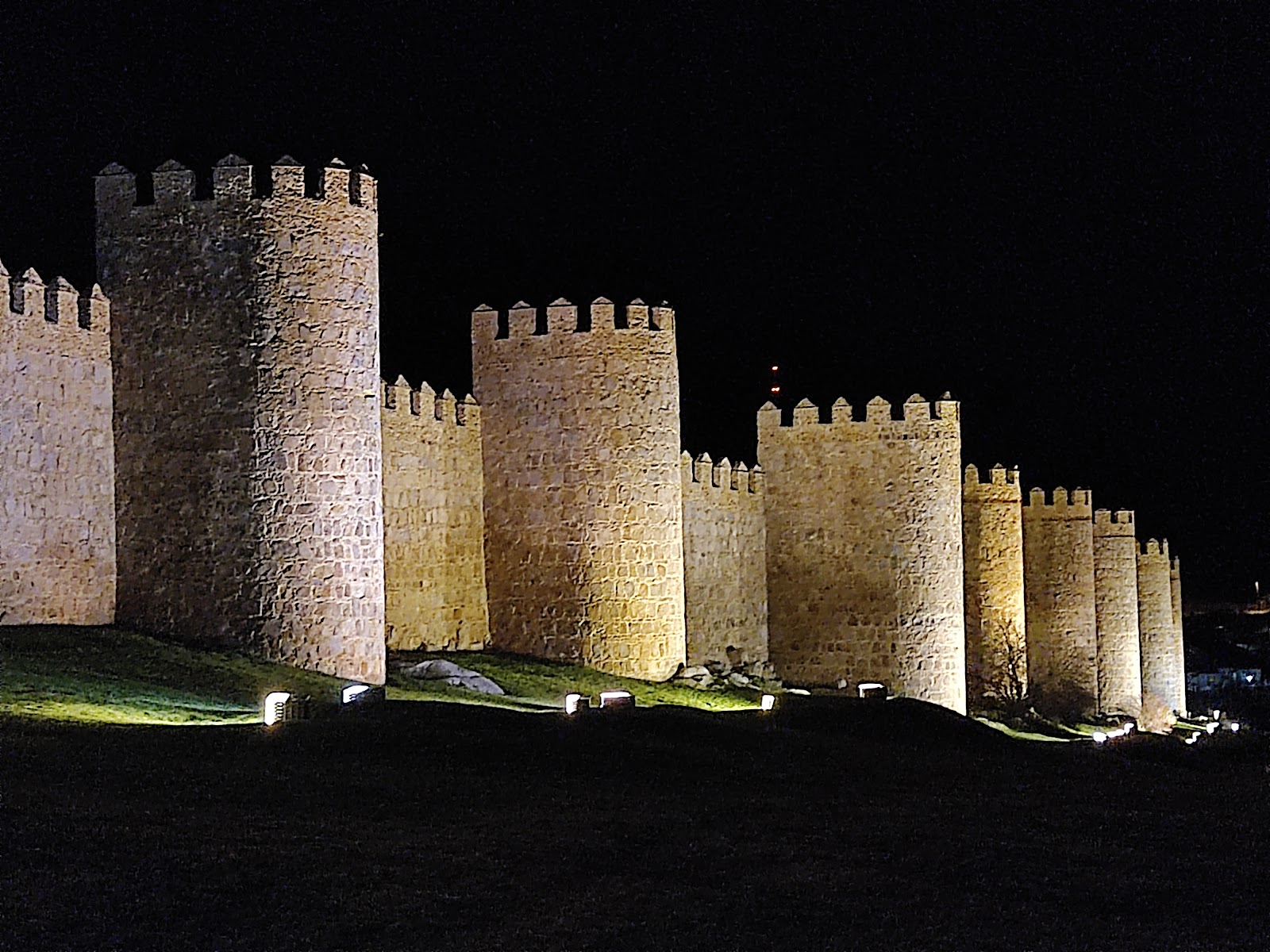
The Walls of Ávila are the city’s defining landmark, enclosing a medieval centre of churches, historic buildings, shops and restaurants. Public feedback is exceptionally strong, with a Google rating of 4.8 from 19041 reviews. Travellers repeatedly describe the fortifications as beautifully preserved, visually impressive and fundamental to any visit to Ávila.
The experience works on two levels. From outside, the scale and continuity of the stone defences dominate the cityscape. From the elevated walkways, visitors can look outward across the surrounding landscape and inward towards prominent buildings within the fortified centre. Reviews suggest that these changing perspectives are a major part of the appeal, rather than the walls serving only as a backdrop for photographs.
The landmark also carries a contemplative quality for some visitors. Reviews refer to the ancient town as serene and spiritually calming, particularly when experienced alongside its religious buildings and historic streets. Others focus more simply on the pleasure of seeing such extensive medieval fortifications in excellent condition.
Walking the ramparts
Several sections of the walls can be climbed and walked, with stairs providing access to the ramparts. One reviewer counted at least three entry points, although access and ticket arrangements may vary. Las Carnicerías is identified in public feedback as the main entrance and the safest place to begin when tickets or practical guidance are needed.
The principal limitation is that the complete circuit cannot necessarily be walked continuously. Reviews note that visitors may have to descend at one point and climb again elsewhere to experience different stretches. That interruption can be frustrating, especially for anyone expecting a single unbroken route around the fortified city. It does, however, create distinct viewpoints, with each accessible section offering a slightly different angle over Ávila.
Stairs are an unavoidable part of the rampart experience. Visitors who prefer to remain at ground level can still appreciate the walls from outside and explore the streets within, but they will miss the elevated views repeatedly praised in reviews.
Planning the visit
A half-day allows time to walk accessible sections, pause at the viewpoints and spend a little time inside the old town. Travellers with limited schedules still report finding Ávila rewarding, though a rushed stop may make it difficult to cover more than one section of the walls.
Public reviews mention an information centre, restrooms, shops and restaurants around the historic centre, making it practical to combine the landmark with a wider city walk. Because ticket sales at secondary entrances may be seasonal or changeable, beginning at Las Carnicerías should reduce uncertainty.
Editorial verdict
The Walls of Ávila justify their status as the city’s essential sight. Their preservation, scale and contrasting views inside and outside the fortress make the visit more substantial than a simple walk around an old boundary. The fragmented rampart route is the clearest drawback, but it does little to diminish the overall impact. For history-focused travellers, photographers and anyone interested in medieval urban landscapes, this is the natural starting point for exploring Ávila.
Plan the rest of the trip
Ask anything
Looking for somewhere else?
Keep exploring around Ávila
More from Spain

Spain · Madrid
Mandarin Oriental Ritz, Madrid: Grand Service in the Capital
Public reviews present this historic Madrid hotel as an elegant base defined by architecture, attentive service and polished dining, with a few service inconsistencies.

Spain · Elciego
Hotel Marqués de Riscal: Gehry Design in Rioja
A striking Elciego hotel where Frank Gehry architecture, rooftop views and winery access shape a memorable Rioja stay.
Spain · Donostia / San Sebastián
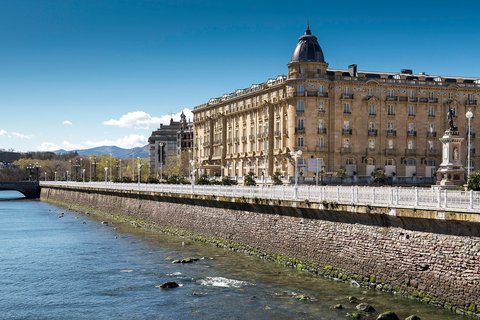
Hotel Maria Cristina: San Sebastián Grandeur by the Old Town
Public reviews praise this landmark hotel’s location, generous rooms, attentive staff and standout breakfast, with some reservations about value and service recovery.

Spain
The Ritz-Carlton Tenerife, Abama: A Grand Resort with Caveats
Public reviews praise the beautiful grounds, views, pools and food, while uneven service and billing concerns deserve careful attention.