Wadi Rum Desert: red sands, rock towers and open skies
Public reviews praise Wadi Rum for its striking sandstone scenery, 4×4 excursions, welcoming camps and memorable desert sunsets.
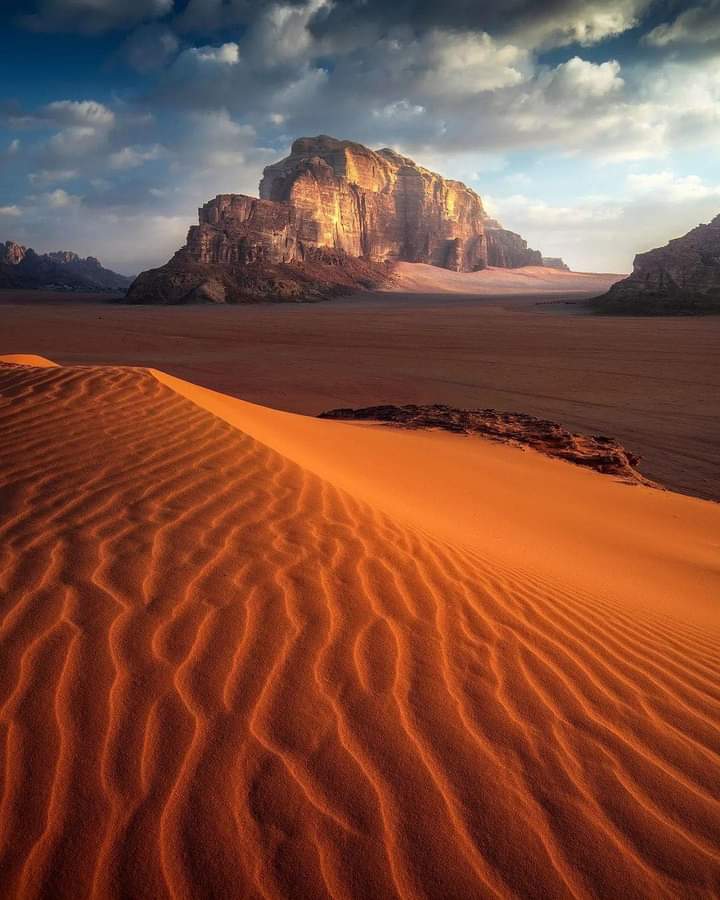
More photos
Photos published by travelers on Google, not AI generated.
What stands out
- Red and golden desert sands
- Towering sandstone formations
- 4×4 desert excursions
- Sunset over the mountains
- Welcoming camp experiences
Don't miss
What comes up most in public reviews
- Take a 4×4 desert tour
- Watch sunset colour the mountains
- Stay at a desert camp
- Look for ancient rock carvings
- See the sandstone formations
Worth the trip?
The landscape
Wadi Rum’s strongest appeal is visual. Across the supplied public reviews, travellers repeatedly describe wide red or golden sands broken by towering sandstone mountains, dunes, canyons and natural rock formations. The desert’s changing colours stand out as much as its scale, with reviewers noting different shades in the sand and warm orange light across the mountains.
That combination creates the other quality visitors value: quiet. Several accounts focus on the sense of space, stillness and separation from everyday surroundings. Wadi Rum is often called the Valley of the Moon, and the comparisons with a lunar or otherworldly landscape make sense in the context of the reviews. The public listing’s 4.9 rating from 302 reviews reflects unusually strong enthusiasm.
How travellers explore
A 4×4 desert tour is the clearest recurring recommendation. Reviewers describe travelling through sand and narrow passages, with the drive itself treated as part of the experience rather than simply transport. It offers an efficient way to see more of the valley’s contrasting terrain, from open dunes to rock corridors and mountain walls.
Walking and hiking are also mentioned, though the supplied reviews provide fewer practical details about routes or difficulty. Ancient inscriptions, archaeological remains and rock carvings add another layer for travellers interested in the area’s long human history. Public feedback also refers to Bedouin communities that have lived in the region for generations, making knowledgeable local guidance particularly valuable.
Camps, food and night skies
The camp experience receives warm feedback. Reviewers praise welcoming, kind and knowledgeable hosts, while one account singles out a camp lunch and its vegetarian Arabian food. The sample is not detailed enough to compare individual camps, but staying in the desert clearly deepens the visit beyond a daytime drive.
An overnight also allows travellers to experience the landscape when it is most atmospheric. Sunset is repeatedly described as a highlight, with orange and gold light changing the mountains and sand. Sunrise earns similar praise, while stargazing is identified as one of Wadi Rum’s characteristic activities. Together, these experiences make a camp stay especially well suited to visitors who value scenery and atmosphere over a tightly scheduled sightseeing list.
Editorial verdict
Synthesised from the rating and supplied traveller feedback, Wadi Rum emerges as one of southern Jordan’s most distinctive natural attractions. The scenery is the main event, but the strongest visits combine it with movement through the desert, time at a camp and the softer light around sunset or sunrise.
The reviews are overwhelmingly positive and offer little criticism or practical guidance, so they do not establish common drawbacks, accessibility conditions or ideal tour lengths. Even with that limitation, the recurring praise is remarkably consistent: dramatic red sands, monumental rock formations, generous hosts and a profound sense of calm. A 4×4 excursion followed by sunset and an overnight camp experience appears to capture the broadest range of what reviewers value most.
Plan the rest of the trip
Ask anything
Looking for somewhere else?
Keep exploring around Wadi Rum Village
More from Jordan
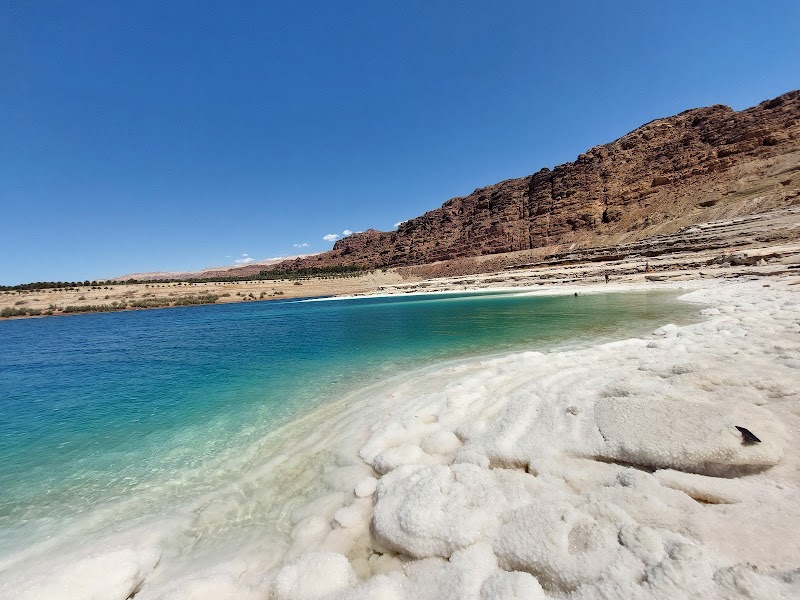
Jordan · Amman
Salt Beach: A Raw, Scenic Dead Sea Stop
Salt Beach offers striking shoreline formations and free access, with a rough approach and limited facilities that reward prepared visitors.
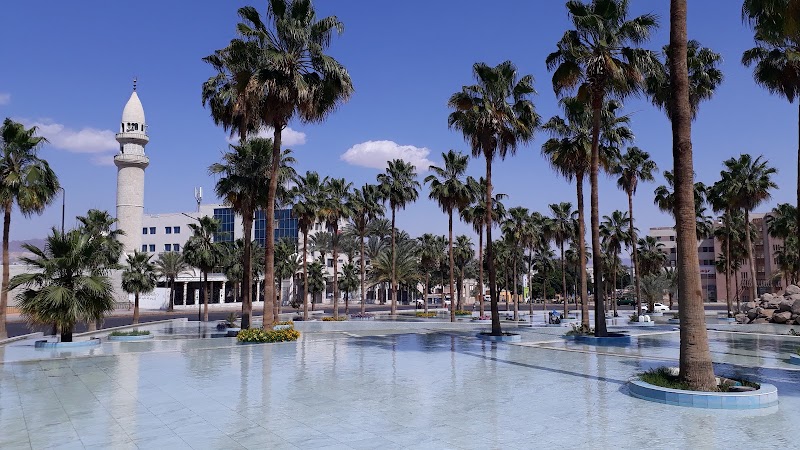
Jordan · Aqaba
Aqaba Marine Reserve for Easy Coastal Relaxation
Public reviews describe Aqaba Marine Reserve as a peaceful place for family time, meeting friends and enjoying lunch or dinner in Aqaba, Jordan.
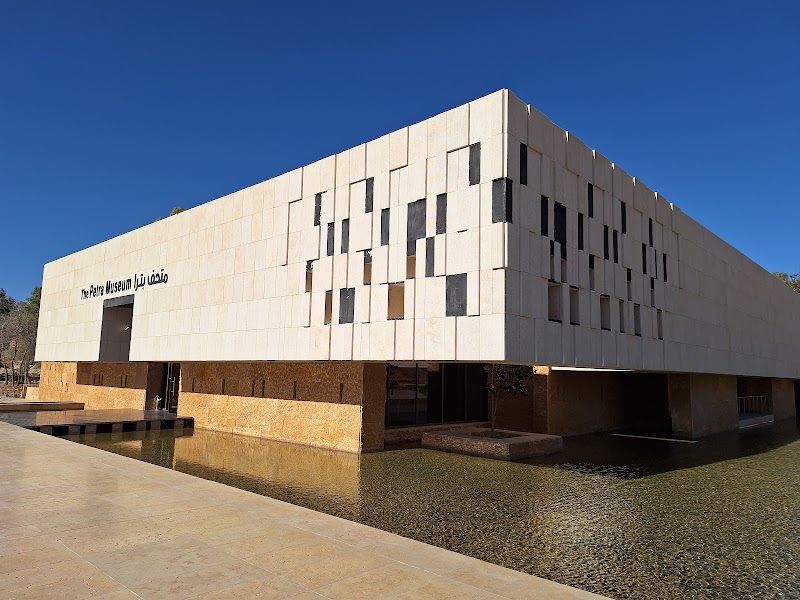
Jordan · Wadi Musa
Petra Museum: A Clearer Introduction to Nabataean Petra
This compact museum in Wadi Musa adds context to Petra with archaeological finds, accessible displays and a concise account of Nabataean history.
Jordan · Ma'in
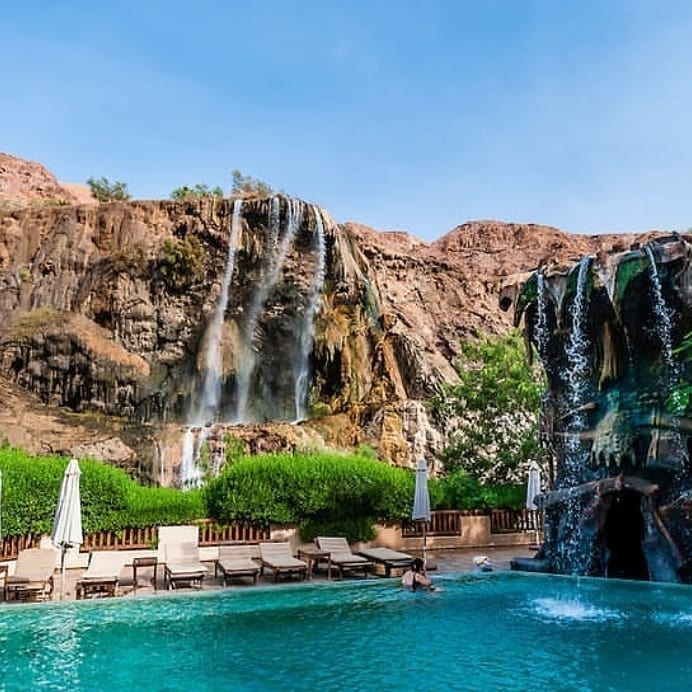
Ma'in Hot Springs: Warm Water, Desert Views and Crowds
Public reviews praise Ma'in Hot Springs for its dramatic waterfalls and soothing pools, while maintenance, crowding and access concerns shape the experience.