Viti Levu, Fiji’s Big Island of Forests and Coastlines
Public reviews praise Viti Levu for its beaches, lush inland scenery, welcoming people and easy access to Fiji’s main urban centres.
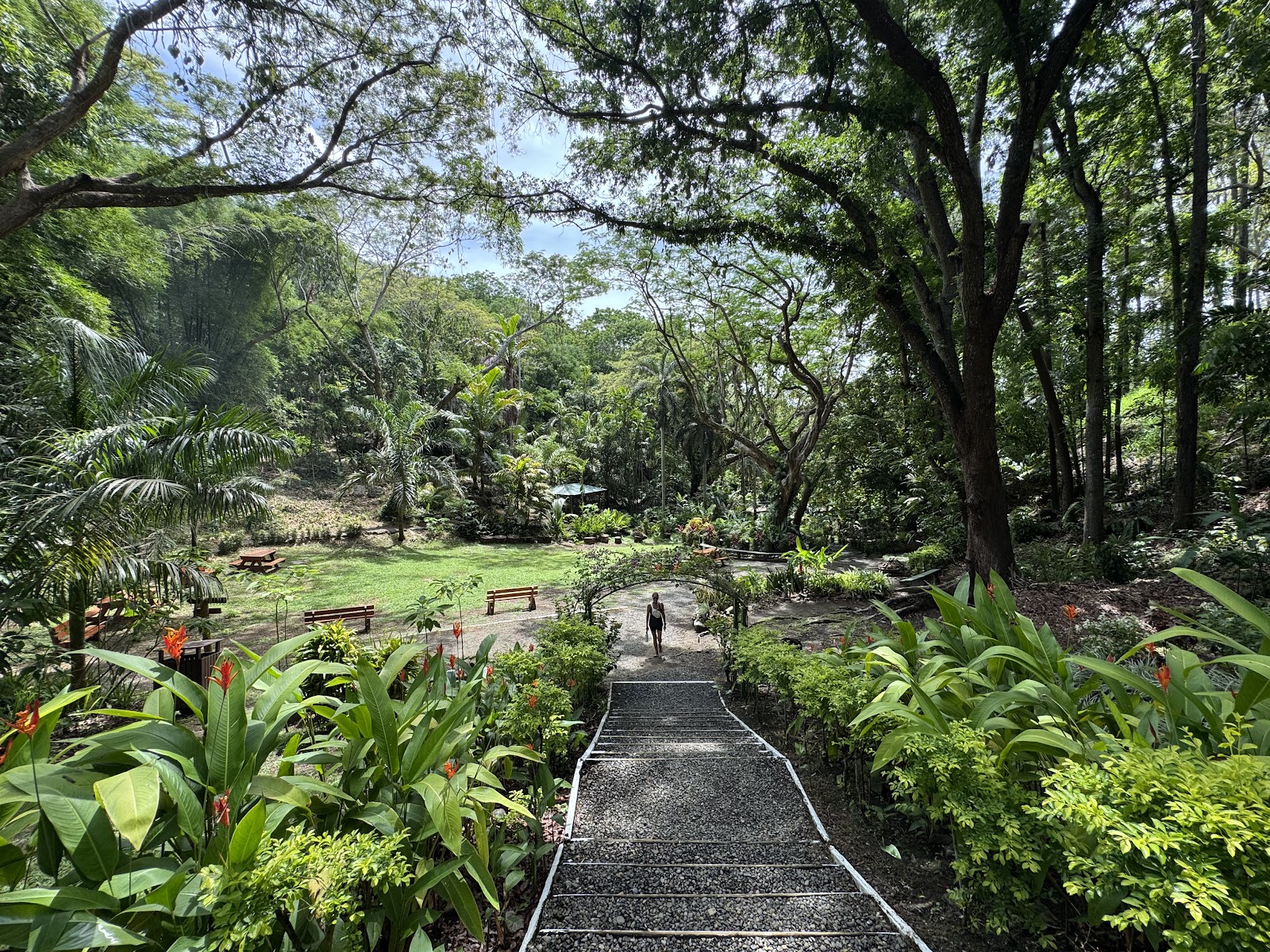
More photos
Photos published by travelers on Google, not AI generated.
What stands out
- Lush subtropical forests
- Inland mountain vistas
- Pristine beaches
- Warm local welcomes
- Nadi and Suva access
Worth knowing
- Some inland roads need a four-wheel-drive vehicle
- Koroyanitu hiking may require a paid guide
- Fewer organised attractions outside Nadi and Suva
Don't miss
What comes up most in public reviews
- Drive inland in a four-wheel-drive vehicle
- Explore Koroyanitu National Park with a guide
- Visit Nadi
- Visit Suva
- Spend time on the beaches
Worth the trip?
Viti Levu is the broad, varied centre of a Fiji trip, with resort-lined coast, subtropical forest, inland viewpoints and the cities of Nadi and Suva. Its public Google rating is 4.4 from 978 reviews. The strongest pattern in those reviews is simple: visitors come for the scenery, then remember the warmth of the people.
Nature beyond the resorts
Reviewers describe the island’s inland areas as raw, green and surprisingly close to the coast. Dense subtropical forests and broad vistas are repeatedly mentioned, along with beaches that give the island its classic tropical appeal. One local reviewer describes finding a sense of paradise across the island, while another highlights the combination of natural beauty and daily life.
A car makes more of this landscape accessible. One detailed review recommends a four-wheel-drive vehicle for exploring inland roads and says an English-language driving licence is accepted without an international permit. That is useful practical guidance from the review record, though drivers should still confirm current rental and local road requirements before setting out.
A large island, not one compact attraction
Viti Levu works best as a region to explore rather than a single stop. Nadi and Suva are identified in reviews as the places with the most activity. Outside those centres, the appeal is quieter and more dependent on scenery, road access and planning.
The island’s size is part of the experience. Visitors can stay near the coast, then travel inland for forest and highland views. The public feedback does not suggest a tightly programmed sightseeing circuit. It points instead to a flexible trip built around drives, nature and time in local communities.
Hiking needs preparation
Koroyanitu National Park is specifically mentioned as a worthwhile place for nature, but one reviewer says there are no proper paths or trails and that hikers need to hire a guide. The same review says the guide cost can feel high. That makes advance planning important, especially for anyone expecting clearly marked independent walks.
The wider review picture is positive about the landscape, but less enthusiastic about tourism management and the number of organised things to do beyond Nadi and Suva. Viti Levu rewards travellers who are comfortable with some logistics. It is less suited to visitors seeking a dense schedule of polished attractions.
The people are part of the appeal
Warm welcomes recur throughout the feedback. Reviewers mention friendly locals, frequent greetings and a strong sense of culture. “Bula” appears as a familiar island greeting in one review, reflecting how everyday interactions shape the experience.
The best match is a traveller who wants beaches and resort access without staying confined to the coast. A four-wheel-drive outing, time in a forested inland area and visits to Nadi or Suva can reveal the island’s range. The result is not a friction-free sightseeing package. It is a spacious, nature-led Fiji experience with genuine local warmth.
Plan the rest of the trip
Ask anything
Looking for somewhere else?
Keep exploring
More from Fiji

Fiji
Fiji Islands: Pacific Scenery, Island Culture and Mixed Experiences
Public reviews praise Fiji Islands for beautiful seascapes, marine life and welcoming communities, while some travellers report disappointing tours, food and inclusivity.
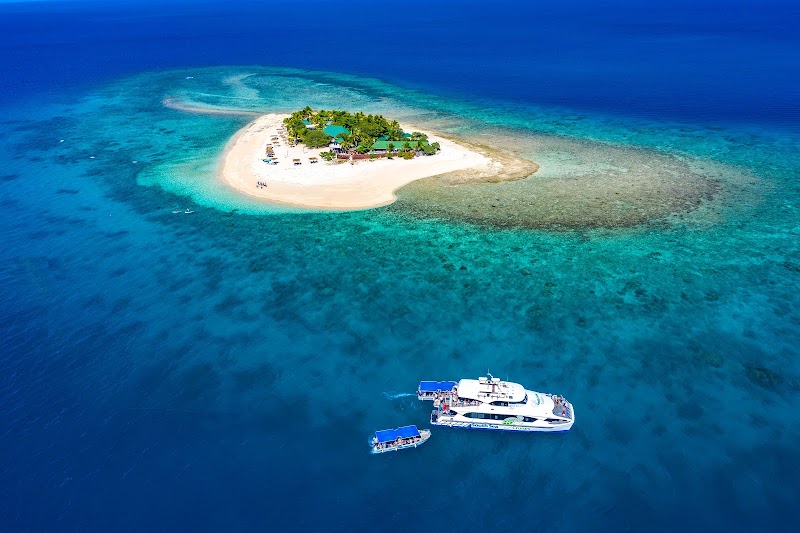
Fiji
South Sea Island delivers an easy, activity-filled Fiji day trip
Public reviews praise the welcome, food, staff and boat transfer, while wind and occasional equipment issues can shape the day.
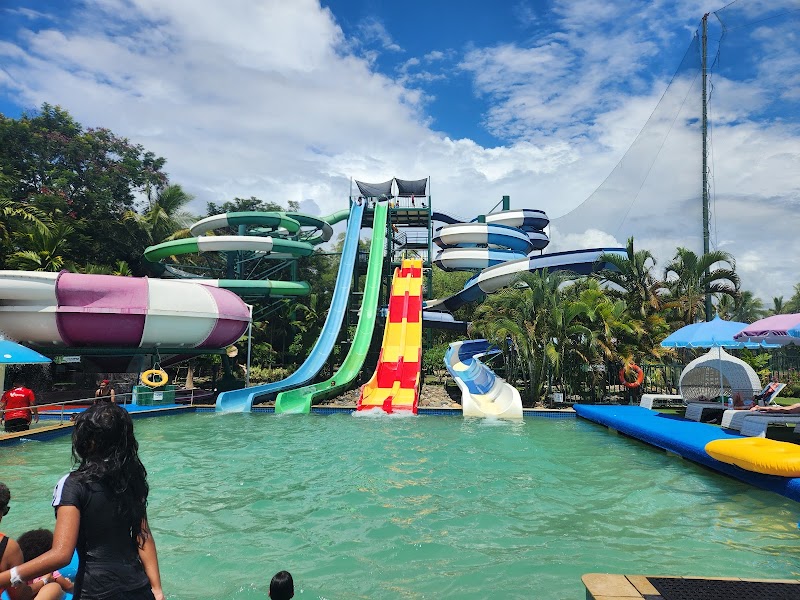
Fiji · Denarau Island
Big Bula Waterpark: A Family-Focused Day on Denarau Island
Public reviews describe a lively waterpark with entertaining slides, generous shade and plenty for children, alongside recurring concerns about cleanliness and maintenance.

Fiji · Denarau Island
Port Denarau Marina in Denarau Island, Fiji
What 4562 public reviews say about Port Denarau Marina, synthesized by Freya Aaltonen.