Vilnius Cathedral: Neoclassical Landmark in Cathedral Square
Vilnius Cathedral combines a powerful religious setting with Lithuania’s layered royal history, making it a central stop in the Old Town.
More photos
Photos published by travelers on Google, not AI generated.
What stands out
- White neoclassical façade
- Cathedral Square setting
- Chapel of Saint Casimir
- Royal history in the catacombs
- Serene, powerful atmosphere
Worth knowing
- Crypt access may require a reserved tour
- The main interior may feel plain to some visitors
Don't miss
What comes up most in public reviews
- See the façade facing Cathedral Square
- Visit the Chapel of Saint Casimir
- Ask about the crypt tour
- Explore the catacombs if access is available
Worth the trip?
Why it stands out
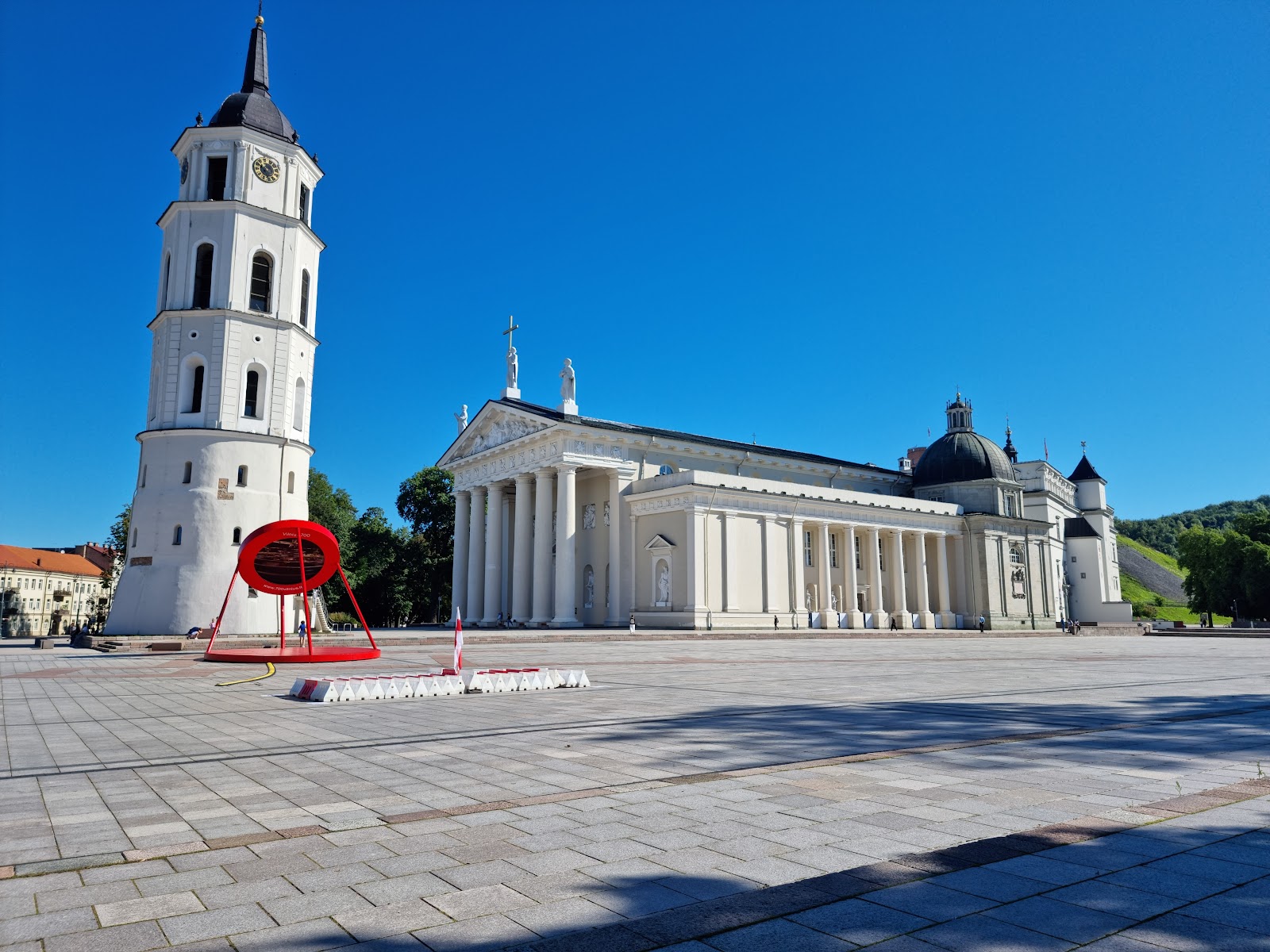
Vilnius Cathedral is one of the defining landmarks of Vilnius, Lithuania. Public reviews give it a 4.8 rating from 17,912 reviews, and the praise is consistent: visitors value its historical importance, unusual exterior and calm atmosphere. The white neoclassical façade faces Cathedral Square, where the separate bell tower helps form one of the city’s most recognisable views.
The building is the Cathedral of Saints Stanislaus and Ladislaus, and it remains the principal centre of Catholic worship in Vilnius. Several public reviews describe the site as a symbol of Lithuania’s heart. Its position in the centre of the Old Town makes it easy to include during a walking day, even for visitors who are not specifically seeking religious buildings.
What visitors see
The exterior is the immediate draw. One review compares the façade to a Greek temple, while another calls the cathedral massive and distinctive in its layout. The building has been rebuilt repeatedly, a detail that adds weight to its long history and helps explain why the site feels more layered than a single-period monument.
Inside, the main space is described as fairly plain by one visitor, but that does not make the visit feel empty. The Chapel of Saint Casimir is repeatedly singled out for its Baroque character, with one review describing it as especially ornate. The contrast between the restrained main interior and the richer chapel gives the visit a clear point of focus.
The cathedral’s underground spaces are another major reason to go. Public reviews mention dark catacombs and centuries of royal history. They also make an important practical point: the full crypt experience may require reserving a tour. Visitors who simply enter the cathedral will still see a free-to-enter place of worship, but they should not assume the underground visit is included.
Atmosphere and practical fit
Reviews repeatedly describe the cathedral as serene, powerful and historically significant. The atmosphere is not only architectural. People continue to use the building as a place of worship, which gives the visit a quieter, more reflective quality than a purely secular attraction. Visitors should behave accordingly and check local arrangements before exploring beyond the main public areas.
This is a strong choice for first-time visitors to Vilnius, architecture enthusiasts and travellers building an Old Town itinerary around major landmarks. It also suits people who want a meaningful stop without a long commitment. Cathedral Square provides the setting, while the façade, chapel and possible crypt tour supply the substance.
Planning the visit
A short visit can cover the exterior, main interior and Chapel of Saint Casimir. Those interested in royal history should ask about the crypt tour before arriving or reserve it in advance if required. That is the clearest difference between a quick look and a fuller historical visit.
The available reviews do not establish a best season or time of day. They do support treating Vilnius Cathedral as a central, worthwhile stop rather than a peripheral detour. The overall verdict is strong: it is free to enter according to one public review, visually distinctive, spiritually active and closely tied to the history of Lithuania.
Plan the rest of the trip
Ask anything
Looking for somewhere else?
Keep exploring around Vilnius
More from Lithuania
Lithuania · Vilnius
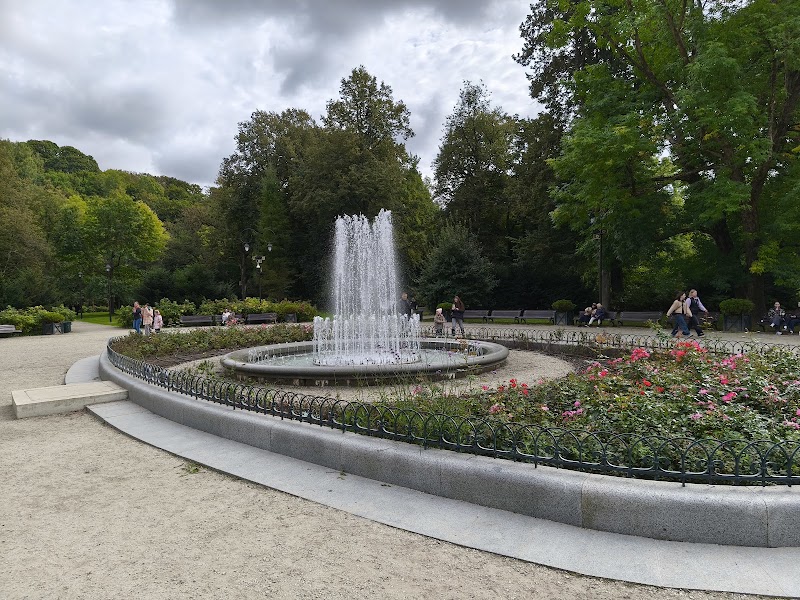
Bernardine Garden: Vilnius’s Quiet Green Retreat
A peaceful city park beside the Vilnia River, with flower beds, shaded paths, a fountain and clear views towards Gediminas Tower.
Lithuania · Vilnius
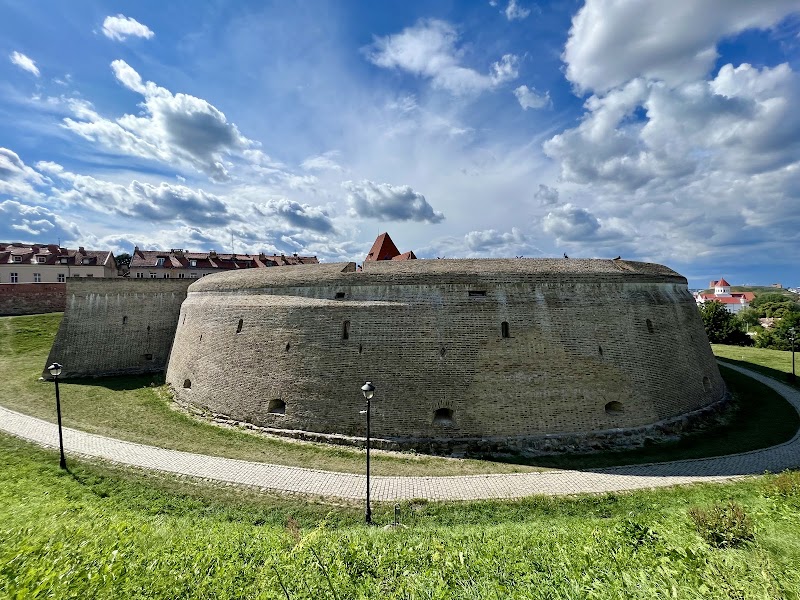
Bastion Hill: Vilnius Views from a Historic Fortification
Bastion Hill pairs a preserved defensive structure with broad Old Town views, benches and an easy walking setting near Kūdrų Park.
Lithuania · Meironys
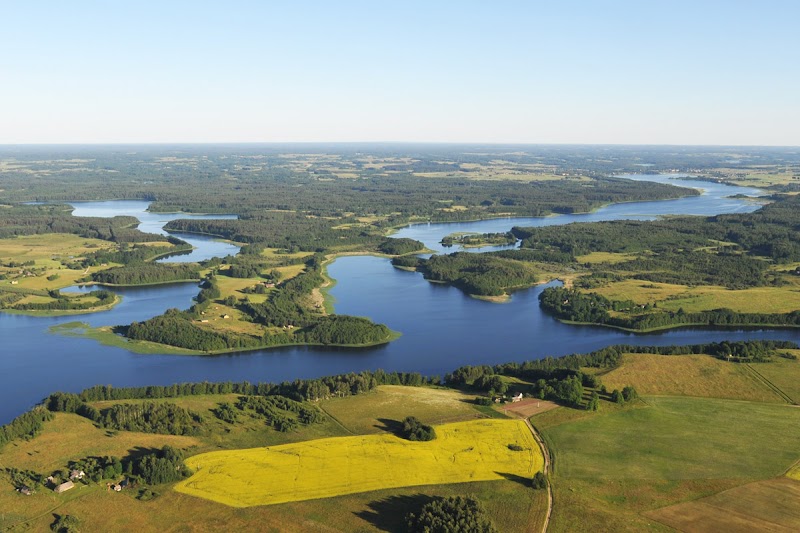
Aukštaitija National Park for Lakes, Forests and Quiet Trails
Public reviews praise Aukštaitija National Park for kayaking, birdwatching, forest walks and the wide lake views from Ladakalnis Hill.
Lithuania · Kaunas
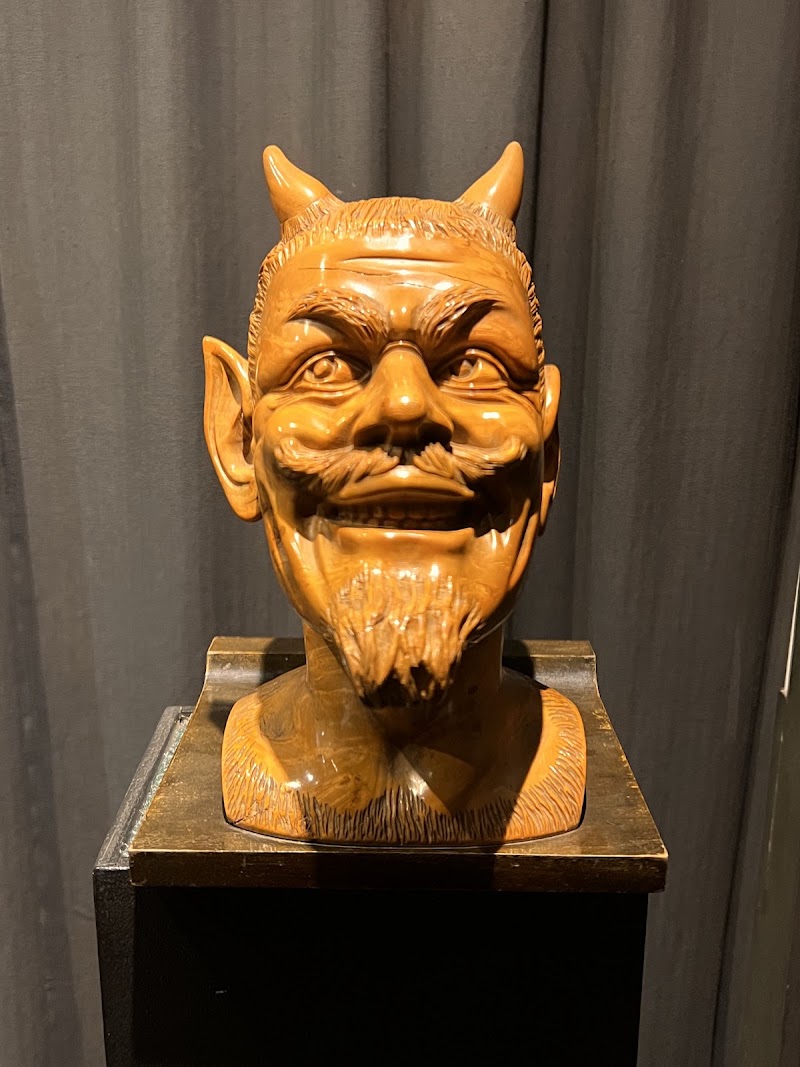
Devils' Museum: Kaunas folklore with a mischievous edge
Kaunas’s Devils' Museum uses devil figures, local legends and an artist’s former home to explore humor, belief and human nature.