Village Museum: Tanzanian Cultures Through Traditional Homes
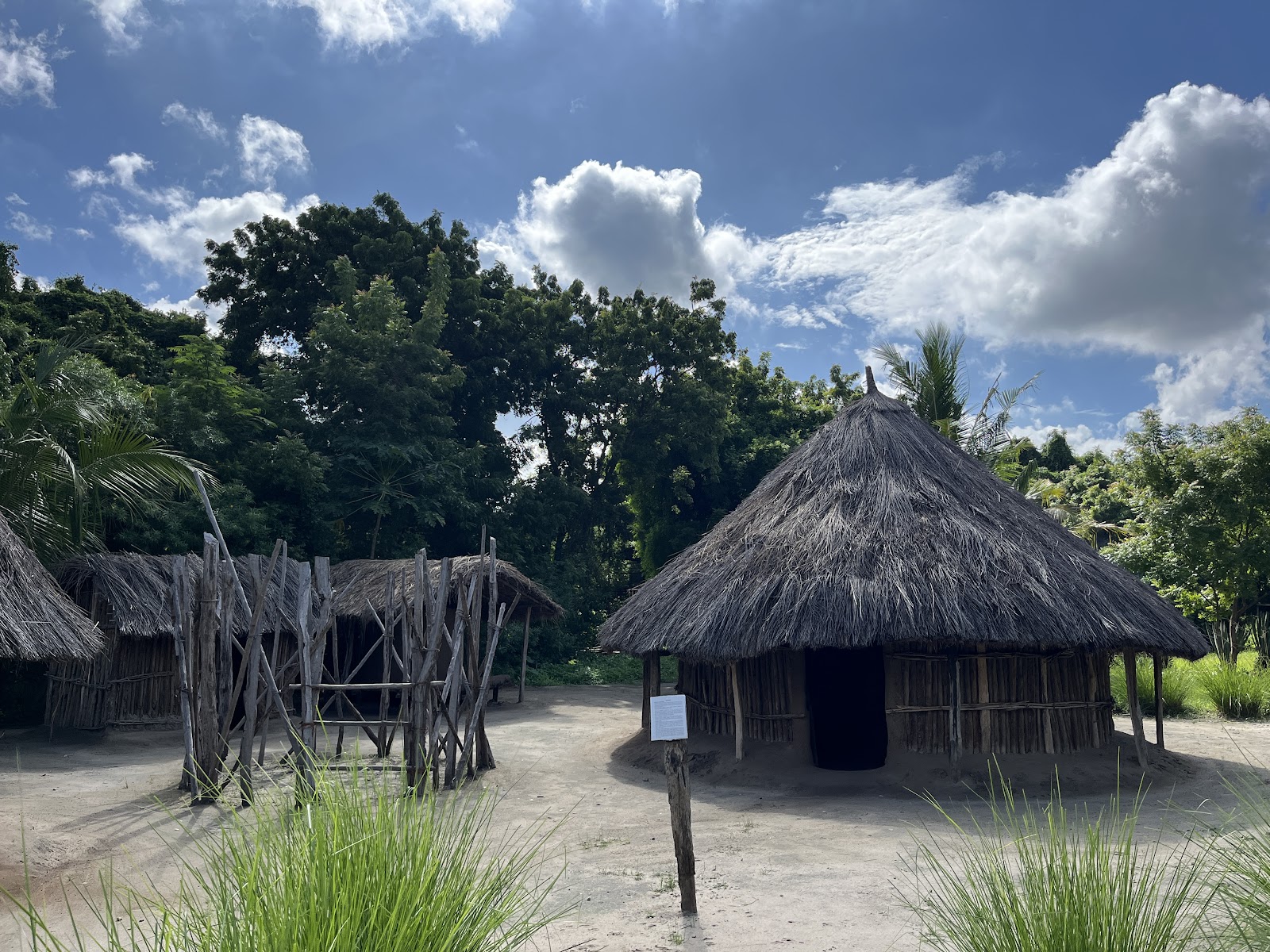
Dar es Salaam’s Village Museum is most rewarding with a guide who can explain the traditional houses and cultures represented.
More photos
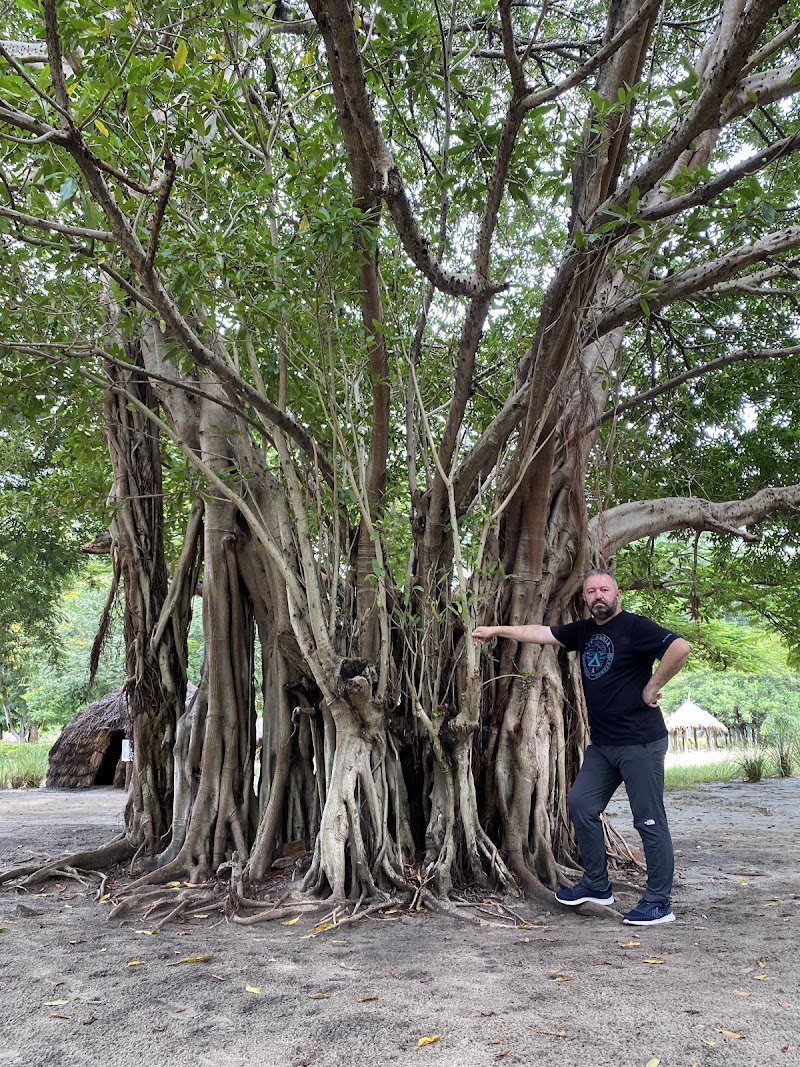
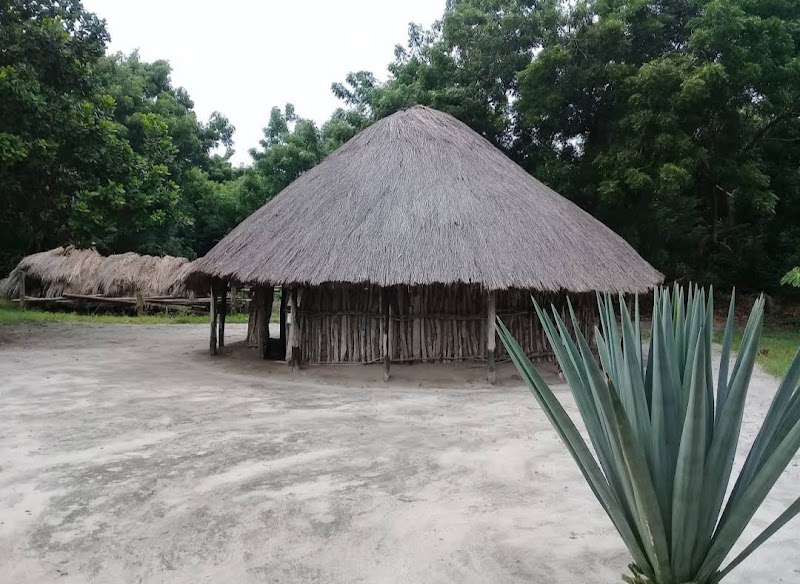
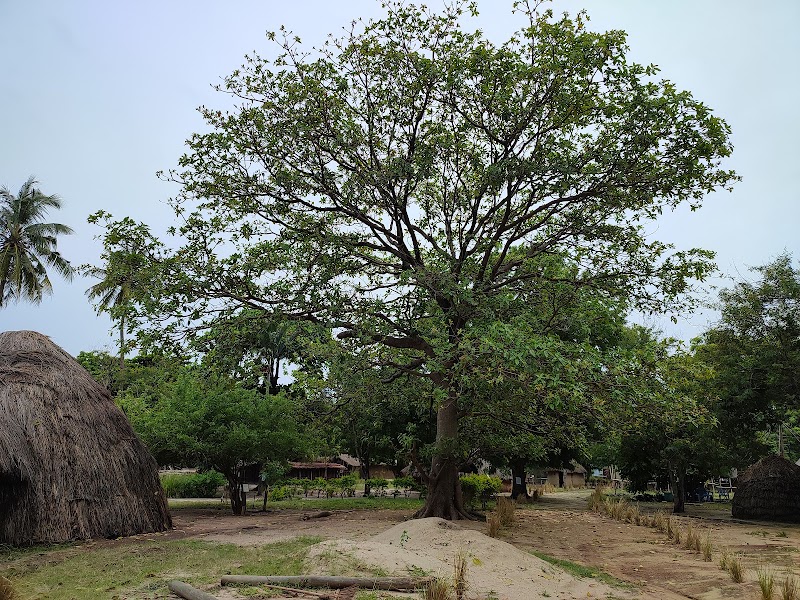
Photos published by travelers on Google, not AI generated.
What stands out
- Traditional houses from Tanzanian communities
- Insight into regional cultures and ways of life
- Knowledgeable guided storytelling
- Calm grounds beside busy Bagamoyo Road
Worth knowing
- Guides may not be available promptly
- Credit-card facilities may be unreliable
- Clarify any additional payment expectations
Don't miss
What comes up most in public reviews
- Take a guided tour
- Compare the different traditional house designs
- Ask why and where each house style was built
- Hear stories about the communities represented
Worth the trip?
What the reviews suggest
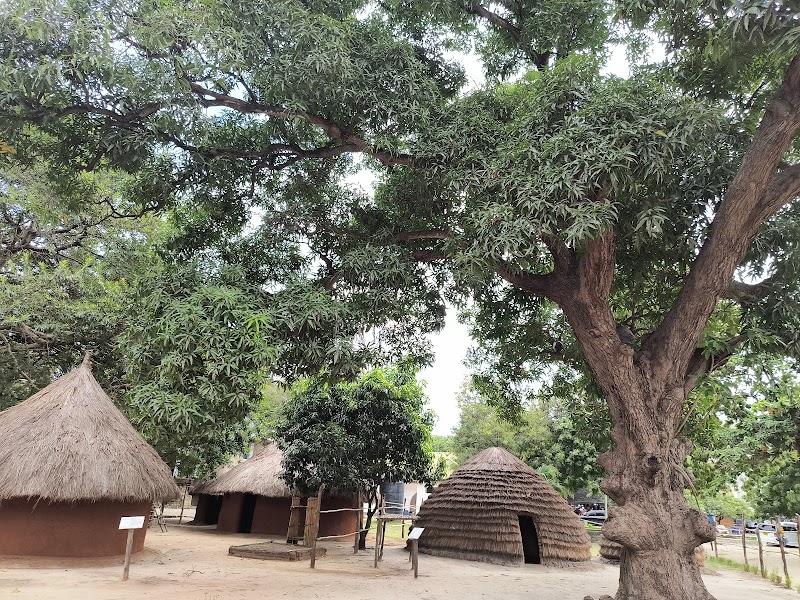
With a Google rating of 4.4 from 2400 reviews, the Village Museum stands out as an accessible introduction to Tanzania’s cultural diversity. Public feedback repeatedly focuses on its collection of traditional houses, each associated with different communities and ways of life. The setting is outdoors and entered from busy Bagamoyo Road, yet one reviewer described the grounds as an oasis amid Dar es Salaam’s bustle.
The displays appear thoughtfully arranged, but the buildings do not always communicate their full significance on their own. Several visitors said they learned far more than expected about cultures from across Tanzania, including how homes were constructed, where particular styles originated and why they took their distinctive forms. This makes the museum less about admiring isolated structures and more about understanding how architecture reflects daily life, environment and community traditions.
Why a guide matters
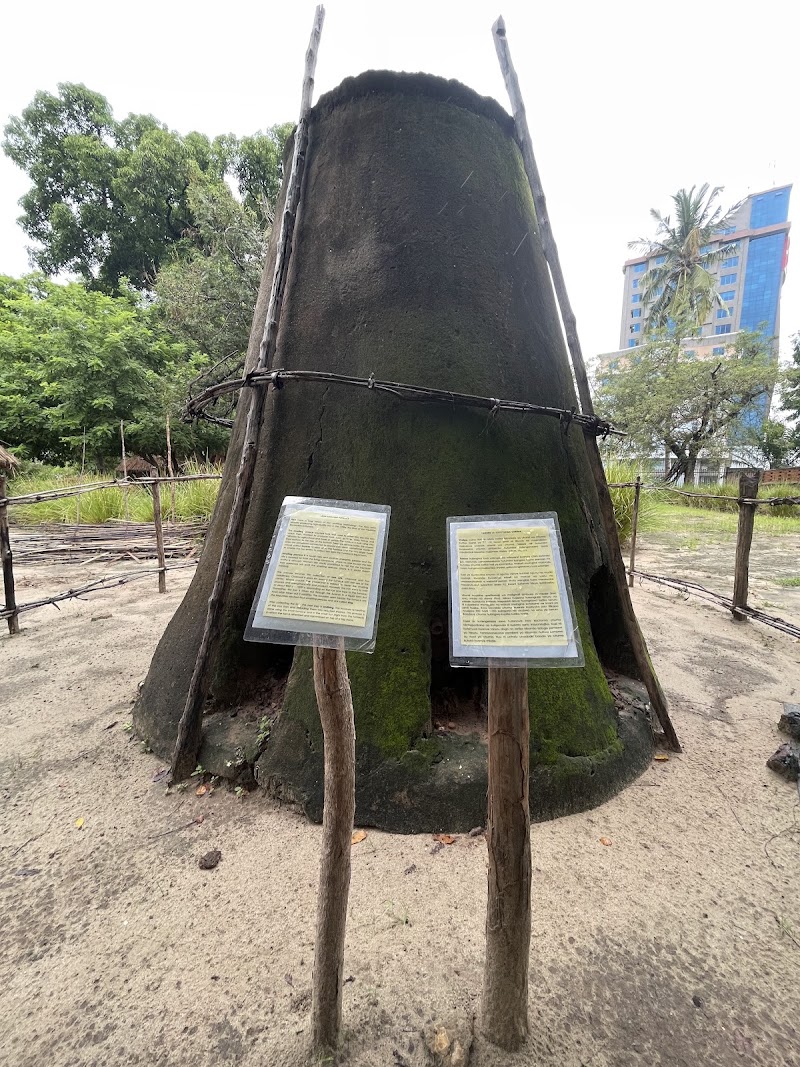
The strongest and most consistent recommendation is to take a guided tour. Reviewers found that walking around independently could feel like simply looking at a series of huts, while guides added the history and cultural context needed to make sense of them. Storytelling was singled out as a strength, with guides described as knowledgeable, engaging and able to explain the different groups represented.
A guide is particularly useful for visitors arriving without much background knowledge of Tanzania. Questions about building materials, regional origins and household customs can turn a straightforward walk into a more substantial cultural visit. Families may also benefit from this format, since a lively explanation can hold children’s attention better than unaccompanied viewing. One reviewer reported a successful visit with children aged five and seven, while another returned with a daughter specifically to help her understand local culture and ways of life.
Practical experience
The main concern in the supplied reviews is inconsistency around guide availability. One family waited for more than an hour after being told a guide would arrive shortly. That does not appear to outweigh the value of the tour, but it suggests that visitors should confirm availability on arrival and leave some flexibility in their schedule.
Payment may require preparation as well. A returning visitor indicated that the credit-card facility remained an issue, so carrying an alternative payment method would be prudent. Another reviewer felt that requests or expectations for additional payment arose frequently. Experiences may vary, but clarifying what is included before beginning a guided visit can reduce uncertainty.
Editorial verdict
The Village Museum is best approached as an interpreted cultural center rather than a conventional indoor museum. Its traditional houses provide the visual framework, but guides supply much of the detail that makes the site memorable. Reviews suggest it works especially well for families, first-time visitors to Tanzania and travellers interested in how architecture connects with regional identity and everyday life.
Those willing to ask questions and wait for a guide are likely to get the most from the visit. Independent exploration remains possible, though public feedback indicates that it can feel limited without explanation. Overall, the museum offers a broad, approachable cultural overview within the city, with guide logistics and payment arrangements the principal practical cautions.
Ask anything
Looking for somewhere else?
Keep exploring around Dar es Salaam
More from Tanzania
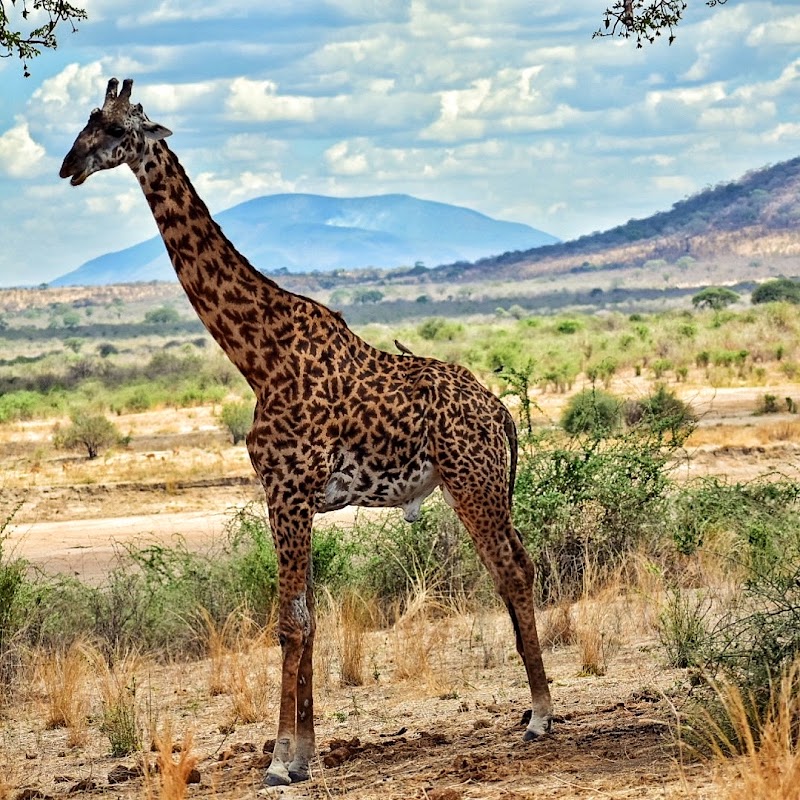
Tanzania · Iringa
Ruaha National Park: Wild Safaris Without the Crowds
Reviews point to a vast, quiet safari destination known for predators, elephants, birdlife and memorable nights close to the wilderness.

Tanzania
Selous Game Reserve: Big Landscapes, Varied Safaris
Boat trips, game drives and guided walks give this vast southern Tanzania wilderness broad appeal, with wildlife and scenery earning consistent praise.
Tanzania
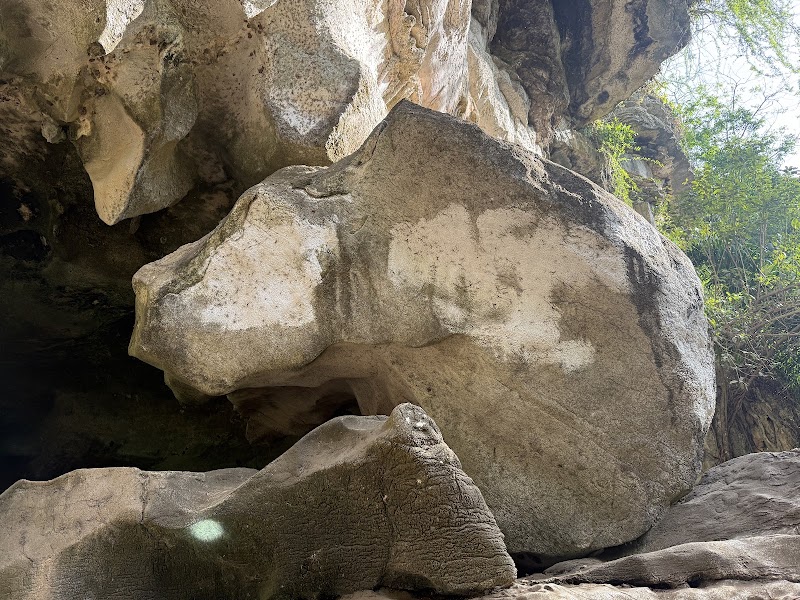
Amboni Caves: Limestone, bats and local history near Tanga
Amboni Caves combines dramatic limestone formations, wildlife and local history, though steep steps, heat and uncertain directions require preparation.
Tanzania · Mwanza
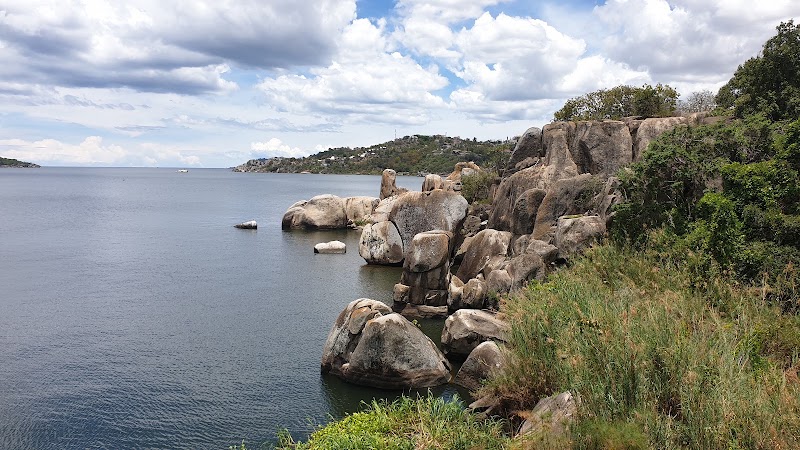
Saanane National Park: Lake Views Close to Mwanza
A compact island escape offering boat access, walking paths, birdlife and broad Lake Victoria views just outside central Mwanza.