Villa d’Este: Tivoli’s grand garden landmark
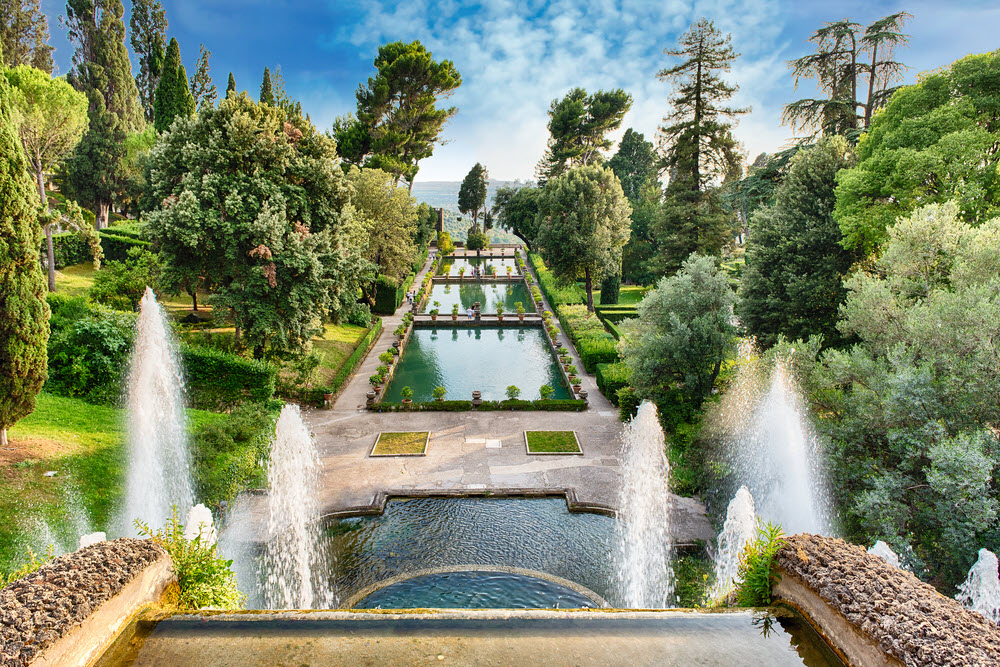
Terraced gardens, abundant fountains and wide Lazio views make Villa d’Este a compelling retreat from Rome’s faster pace.
More photos
Photos published by travelers on Google, not AI generated.
What stands out
- Terraced, beautifully maintained gardens
- Fountains throughout the grounds
- Wide views across Tivoli and Lazio
- Peaceful contrast to Rome
- Decorated historic interiors
Worth knowing
- Indoor displays may feel secondary to the gardens
- Water organ performance receives mixed reactions
Don't miss
What comes up most in public reviews
- Fountain of Neptune
- The water organ
- Terraced garden paths
- Views over Tivoli and Lazio
Worth the trip?
The public verdict
Villa d’Este earns a Google rating of 4.7 from 35099 reviews, and the available feedback points overwhelmingly to its gardens as the main reason to visit. Travellers repeatedly describe a peaceful, beautifully maintained landscape filled with fountains, statues, foliage and carefully composed views. The setting on a hillside in Tivoli also opens up broad prospects across the town and the surrounding Lazio countryside.
Many reviewers frame the villa as an antidote to Rome’s crowds and intensity. Despite its popularity, the grounds can feel quiet and restorative once visitors begin following the paths through the garden. The compact layout also receives praise. Rather than depending on sheer distance, the experience unfolds through terraces, water features and changing viewpoints.
Gardens, fountains and views
The fountains dominate public feedback. Water appears throughout the gardens, sometimes as a backdrop and sometimes as the main spectacle. The Fountain of Neptune is singled out for its monumental scale and dramatic presence, while the water organ attracts attention because it plays at scheduled points during the day. Reactions to that performance are mixed, but the surrounding fountain remains part of the garden’s wider appeal.
Reviewers also admire how the landscape reveals itself gradually. Paths lead between dense planting, statues and architectural waterworks, with fresh compositions appearing from one level to the next. Several travellers report spending hours walking, stopping at fountains and taking in the views. This is not a landmark best treated as a quick photo stop. Its strength lies in the sequence of spaces and the contrast between intricate garden details and open countryside panoramas.
Inside the villa
The interiors receive less consistent attention than the grounds, although some reviewers praise the decorated rooms, painted wall scenes and ceiling frescoes. They add context and visual interest, particularly for travellers drawn to Renaissance design and art.
Even so, public feedback suggests that the internal museum and temporary exhibitions may feel secondary beside the gardens. One temporary exhibition was described as interesting but underwhelming compared with Villa d’Este itself. Visitors with limited time are therefore likely to find the strongest experience outdoors, while those interested in historic interiors can give the rooms a slower look before or after exploring the terraces.
Who will enjoy it most
Villa d’Este is especially well suited to garden lovers, couples, photographers and day trippers seeking a calmer counterpoint to Rome. The combination of water, greenery, art and elevated views gives the visit variety without requiring a sprawling itinerary.
The main caveat is that the organ fountain should not be treated as the sole reason to attend. Some travellers find it interesting, while others consider the performance less impressive than expected. Missing it need not diminish the visit. The broader network of fountains, particularly the Fountain of Neptune, is consistently presented as the real attraction. Overall, public reviews support allowing half a day to explore at an unhurried pace.
Plan the rest of the trip
Ask anything
Looking for somewhere else?
Keep exploring around Tivoli
More from Italy
Italy · Roma
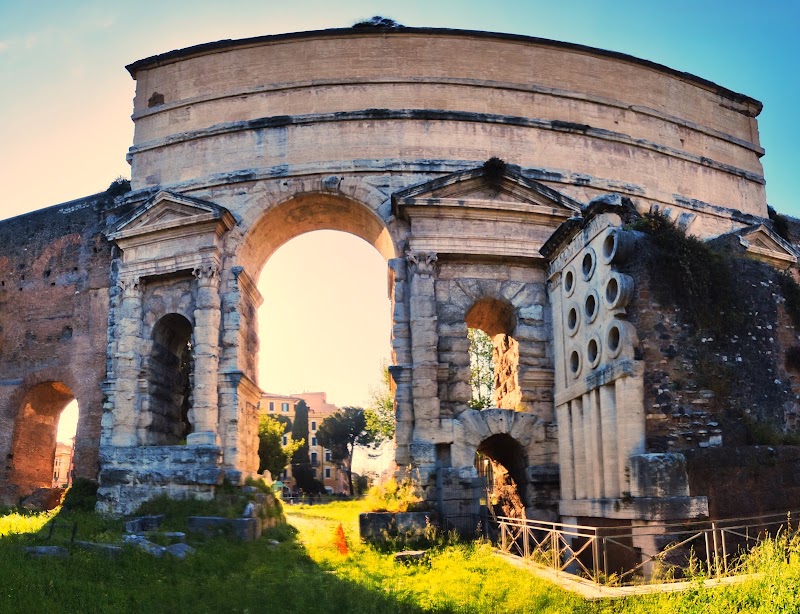
Porta Maggiore: Rome’s Monumental Aqueduct Gate
A powerful ancient gateway for visitors interested in Roman engineering, with impressive ruins and a rough-edged urban setting.
Italy · Roma
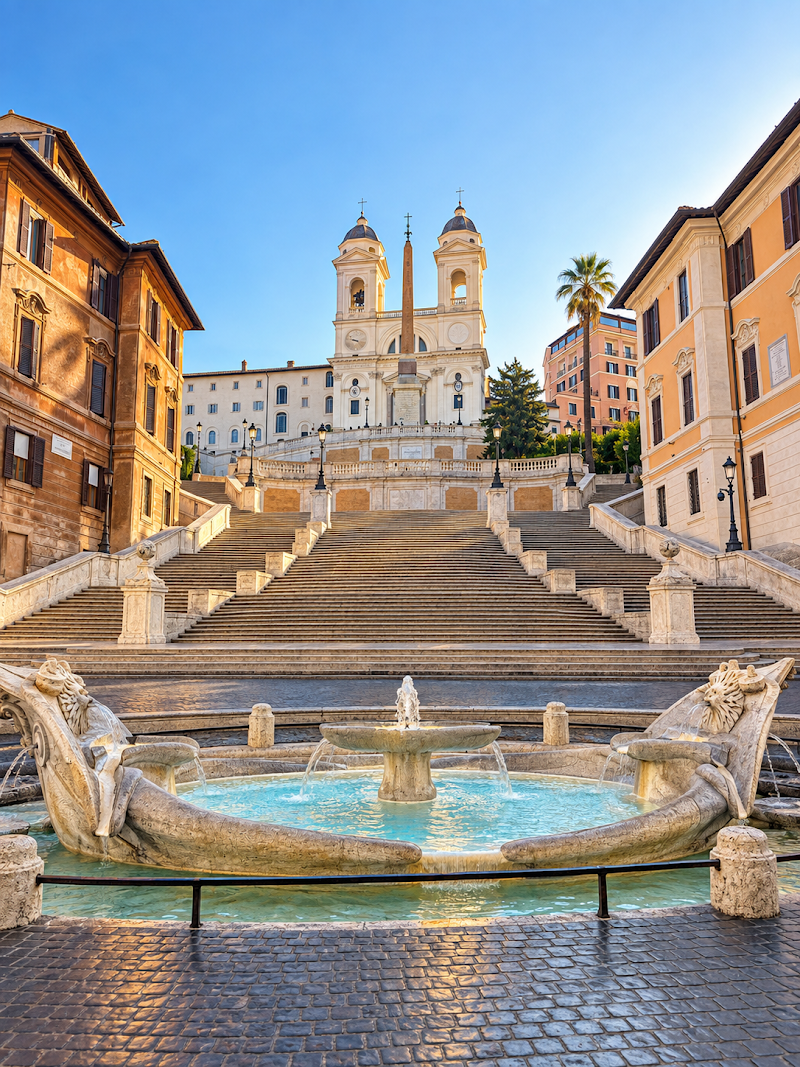
Spanish Steps: Rome’s Grand Staircase and City View
Rome’s Spanish Steps reward an early visit with elegant architecture, lively people-watching, a famous fountain and views over Piazza di Spagna.
Italy · Pisa
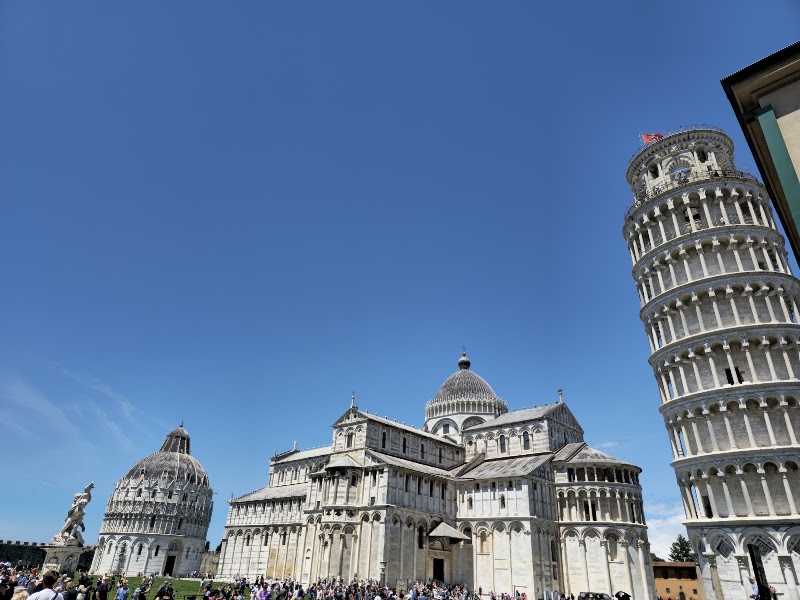
Tower of Pisa: The Lean Is Even More Striking in Person
The Tower of Pisa is most rewarding as part of a walk through Piazza dei Miracoli, where its famous tilt feels more impressive than photographs suggest.
Italy · Roma
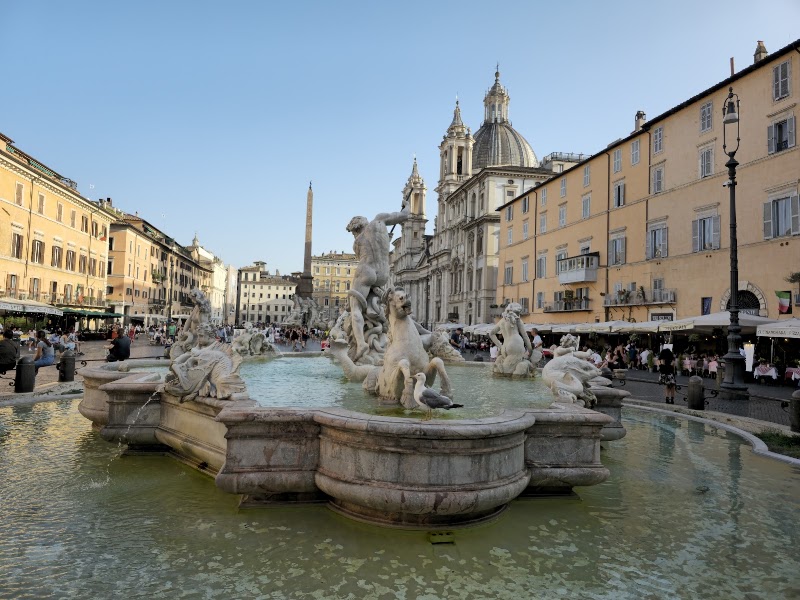
Piazza Navona, Rome’s Grand Baroque Gathering Place
Piazza Navona brings fountains, historic architecture, cafés and street life together in one of Rome’s most memorable public squares.