Vasa Museum: Stockholm’s Remarkable Preserved Warship
A preserved 17th-century warship, strong interpretation and multiple viewing levels make this one of Stockholm’s most praised museums.

More photos
Photos published by travelers on Google, not AI generated.
What stands out
- Preserved 17th-century warship
- Multiple viewing angles
- Clear historical interpretation
- Videos on restoration and conservation
- Multilingual audio guide
Worth knowing
- Long entrance queues can develop
- Afternoons may be crowded
- A rushed visit can miss substantial detail
Don't miss
What comes up most in public reviews
- See the ship from multiple levels
- Examine the intricate wooden carvings
- Watch the history and conservation videos
- Use the multilingual audio guide
Worth the trip?
Why the Vasa Museum stands out
Public feedback presents the Vasa Museum as one of Stockholm’s strongest cultural attractions. Its Google rating of 4.8 from 70631 reviews is backed by repeated praise for the dramatic first sight of the Vasa, a preserved 17th-century wooden warship raised after more than 300 years on the seabed. Reviewers describe dark timbers, towering masts and intricate carvings, but the appeal goes beyond the vessel’s physical scale. Its survival, recovery and continuing conservation give the museum a compelling story.
The building also earns positive comments. Visitors appreciate how its architecture frames the ship and how the interior layout provides several perspectives rather than relying on a single viewpoint. Modern cruise ships may be much larger, so the Vasa is better understood in its historical context than judged by present-day standards.
What the visit is like
The ship dominates the experience, but reviews suggest that this is not simply a quick walk around an old vessel. Displays explain its history clearly, while video rooms cover the ship’s background, restoration and conservation. A multilingual audio guide adds another layer for visitors wanting more detail.
The well-planned layout is a recurring strength. Different viewing angles allow close attention to the hull, carvings and upper sections, helping visitors understand both the ship’s construction and its imposing appearance. The combination of a single spectacular centrepiece with supporting interpretation appears to work well for adults and children alike.
Several reviewers expected to spend less time than they ultimately did. Visits of almost two hours were described as insufficient, while others stayed for close to three hours. That makes two to three hours a sensible allowance for anyone intending to watch the videos, use the audio guide and examine the ship from multiple levels.
Crowds and practical timing
Crowding is the clearest concern in the supplied reviews. Visitors report that afternoons can become busy, and some saw long entrance queues when leaving. Arriving as early as possible should offer a calmer introduction and more space at the principal viewpoints.
Advance online ticket purchase is also repeatedly recommended. It may reduce uncertainty on busy days, though popular viewing areas inside can still fill up. Travellers with a tightly scheduled Stockholm itinerary should avoid treating the museum as a short stop, since the amount of information and the number of viewing positions encourage a slower visit.
Editorial verdict
Synthesised public feedback supports the Vasa Museum’s reputation as a landmark with unusually broad appeal. Maritime enthusiasts will find plenty of technical and historical detail, while casual visitors can appreciate the ship’s preserved form, decorative carvings and atmospheric presentation without specialist knowledge.
The museum is particularly effective because its interpretation does not compete with the Vasa. Videos, displays and audio material explain how the vessel was recovered and conserved, while the architecture keeps attention on the ship itself. Early arrival and a generous time allowance are the main planning priorities. For first-time Stockholm visitors, it stands out as a compelling half-day cultural experience rather than a museum to rush through.
Plan the rest of the trip
Ask anything
Looking for somewhere else?
Keep exploring around Stockholm
More from Sweden

Sweden · Stockholm
Royal Djurgården: Stockholm’s Green Waterfront Escape
Royal Djurgården brings woodland, waterways, wildlife and walking paths close to central Stockholm, making it an easy nature break in the city.

Sweden · Särna
Njupeskär Waterfall: Sweden’s Big View on an Easy Trail
A well-maintained walk in Fulufjället National Park leads to Sweden’s highest waterfall, with routes for gentle outings and more demanding hikes.

Sweden
Abisko National Park: Arctic Landscapes and Quiet Trails
Public reviews praise Abisko National Park for its peaceful wilderness, accessible river walks and striking winter scenery.
Sweden · Stockholm
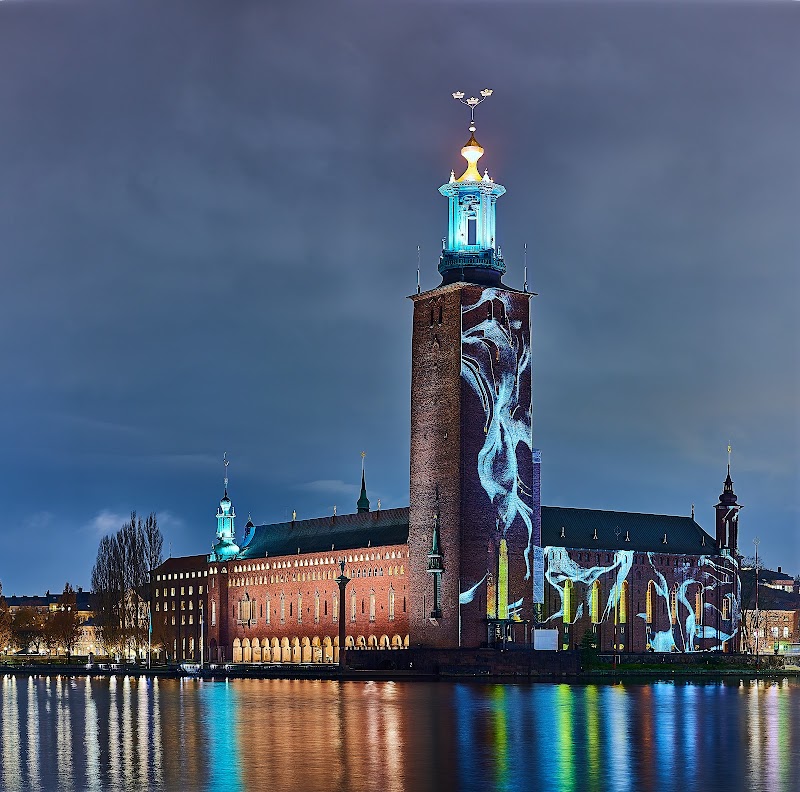
Stockholm City Hall: Grand Architecture, Guided by Local Insight
Stockholm City Hall earns strong public reviews for its architecture, guided tours and memorable Nobel Banquet spaces.