Uthina Archaeological Site: Roman ruins near Mornag
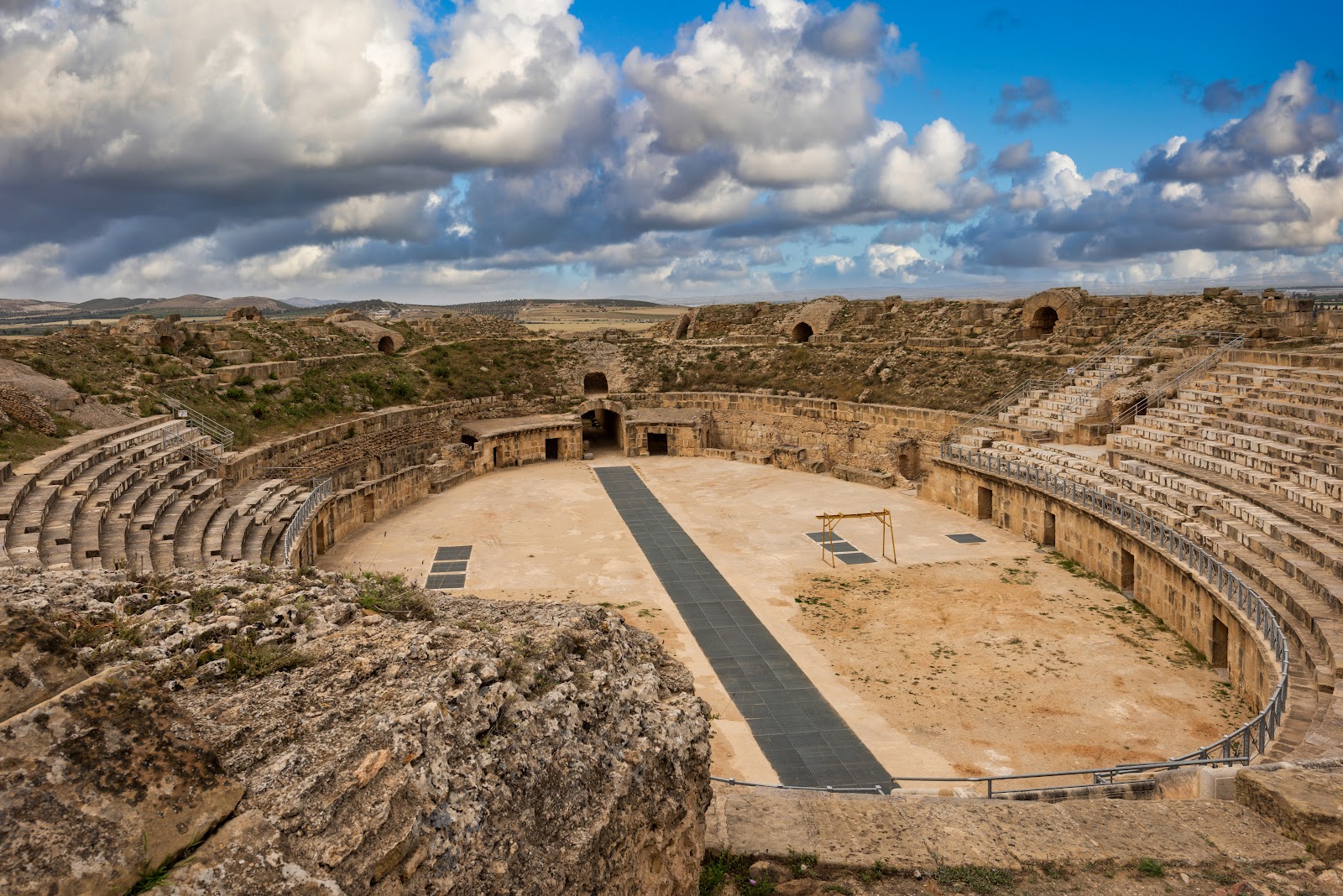
Uthina pairs a partly subterranean amphitheater with hilltop ruins, ancient trade evidence and a spacious setting that reviewers often find uncrowded.
More photos
Photos published by travelers on Google, not AI generated.
What stands out
- Partly underground amphitheater
- Echoing acoustics in the arena
- Hilltop Capitol
- Quiet, spacious archaeological setting
- Evidence of pre-Roman Mediterranean trade
Worth knowing
- Extensive walking across a large site
- Heat can make the visit tiring
- Holiday opening information may be unreliable
Don't miss
What comes up most in public reviews
- Explore the amphitheater’s underground areas
- Speak from the middle of the arena to hear the echo
- Walk up to the hilltop Capitol
- Visit the exhibition hall and reception area
Worth the trip?
Why Uthina stands out
Uthina Archaeological Site holds a Google rating of 4.7 from 649 reviews, with public feedback repeatedly praising its preservation, atmosphere and sense of intimacy. Compared with Tunisia’s more prominent Roman sites, Uthina is often described as quieter and less heavily visited. One reviewer encountered only six other visitors, even on a public holiday.
The scale is still substantial. This is not a single monument but an extensive archaeological landscape, with the amphitheater, the Capitol and an exhibition hall or reception area among the features specifically mentioned by visitors. Reviews suggest that the combination of open terrain and partly underground architecture gives Uthina a character distinct from more monumental Roman arenas.
The amphitheater experience
The amphitheater is the feature that recurs most clearly across visitor reports. Partly carved into the earth, it feels more enclosed than the towering amphitheater at El Djem. Reviewers emphasize its underground sections, preserved fabric and unusually intimate arena.
Acoustics add to the appeal. One visitor noted a strong echo when speaking from the middle of the arena, making the central space worth pausing in rather than simply crossing. The subterranean areas also appear to be a major highlight, particularly for travellers interested in how Roman entertainment buildings functioned beyond their visible seating and performance spaces.
Although public comments use both “theater” and “amphitheater,” the descriptions consistently focus on an arena once used for performances and contests. It is the clearest focal point for a first visit.
The Capitol and deeper history
The Capitol dominates Uthina’s hilltop and provides a second major anchor. Reviews frame the site as more than a Roman foundation: one detailed account points to Punic coins, Greek ceramics and imported amphorae as evidence that the settlement participated in Mediterranean trade from at least the fourth century BC.
That same account places the Roman colony in a more complicated context. Augustus granted Uthina to veterans of the 13th Legion in 27 BC, but the area was not described as empty land. The review instead highlights an existing Berber community and earlier layers of occupation. For visitors, this context helps position the Capitol and amphitheater within a much longer local history rather than treating Uthina solely as a preserved Roman town.
Planning the visit
Reviews warn that the site involves considerable walking, which can become tiring in hot weather. Cooler hours are the more comfortable choice, along with sun protection and water. A cold-drink seller was reported near the Capitol entrance, but visitors should not assume refreshments will always be available.
Opening information may also be inconsistent around public holidays. One visitor found Uthina open despite warnings from Google and a hotel that it might be closed, while calls to reception went unanswered. Checking ahead remains sensible, but the lack of a phone response may not confirm closure.
Overall, public feedback presents Uthina as a rewarding half-day archaeological visit: broad in scale, strong on atmosphere and particularly memorable below ground.
Plan the rest of the trip
Ask anything
Looking for somewhere else?
Keep exploring around Mornag
More from Tunisia
Tunisia · Tabarka
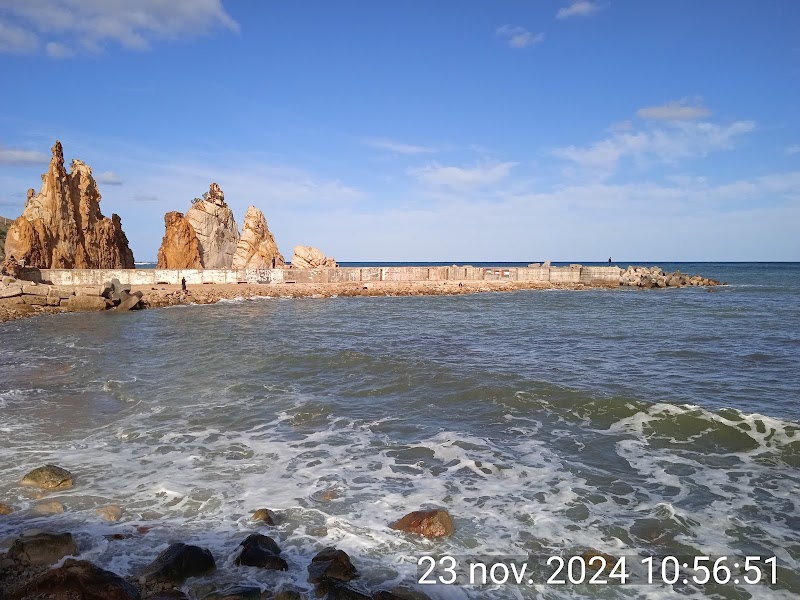
The Needles of Tabarka: Jagged Rocks by the Corniche
The Needles of Tabarka offer a short coastal walk, striking rock formations and clear views towards Tabarka Fortress.

Tunisia · Yasmine Hammamet
Medina of Yasmine Hammamet: An Easy Evening Out
A purpose-built medina with traditional styling, shops and cafés, best suited to relaxed walks, family outings and souvenir browsing.

Tunisia · Tunis
Bardo National Museum: Tunisia’s Mosaic Masterpiece
A historic palace in Tunis houses an exceptional collection of Roman mosaics, ancient sculpture and artefacts from across Tunisia.

Tunisia · Yasmine Hammamet
Carthage Land delivers a lively family day in Hammamet
Public reviews describe a well-themed amusement park with fun rides, strict height checks and crowd levels that can shape the day.