Fagus-Werk: Modernist architecture inside a working factory
Walter Gropius’s pioneering factory complex pairs UNESCO-listed architecture with five floors of industrial and design history.
More photos
Photos published by travelers on Google, not AI generated.
What stands out
- Pioneering 1911 Modernist factory design
- Walter Gropius’s first major commission
- Five floors of design and production history
- A historic complex that remains an active factory
Worth knowing
- Museum content can feel repetitive
- Factory access may require a tour
- Limited treatment of the Sachsenhausen connection
Don't miss
What comes up most in public reviews
- Walter Gropius’s factory architecture
- The five-floor museum
- Shoe-production exhibits
- A tour of the working factory complex
Worth the trip?
Why it matters
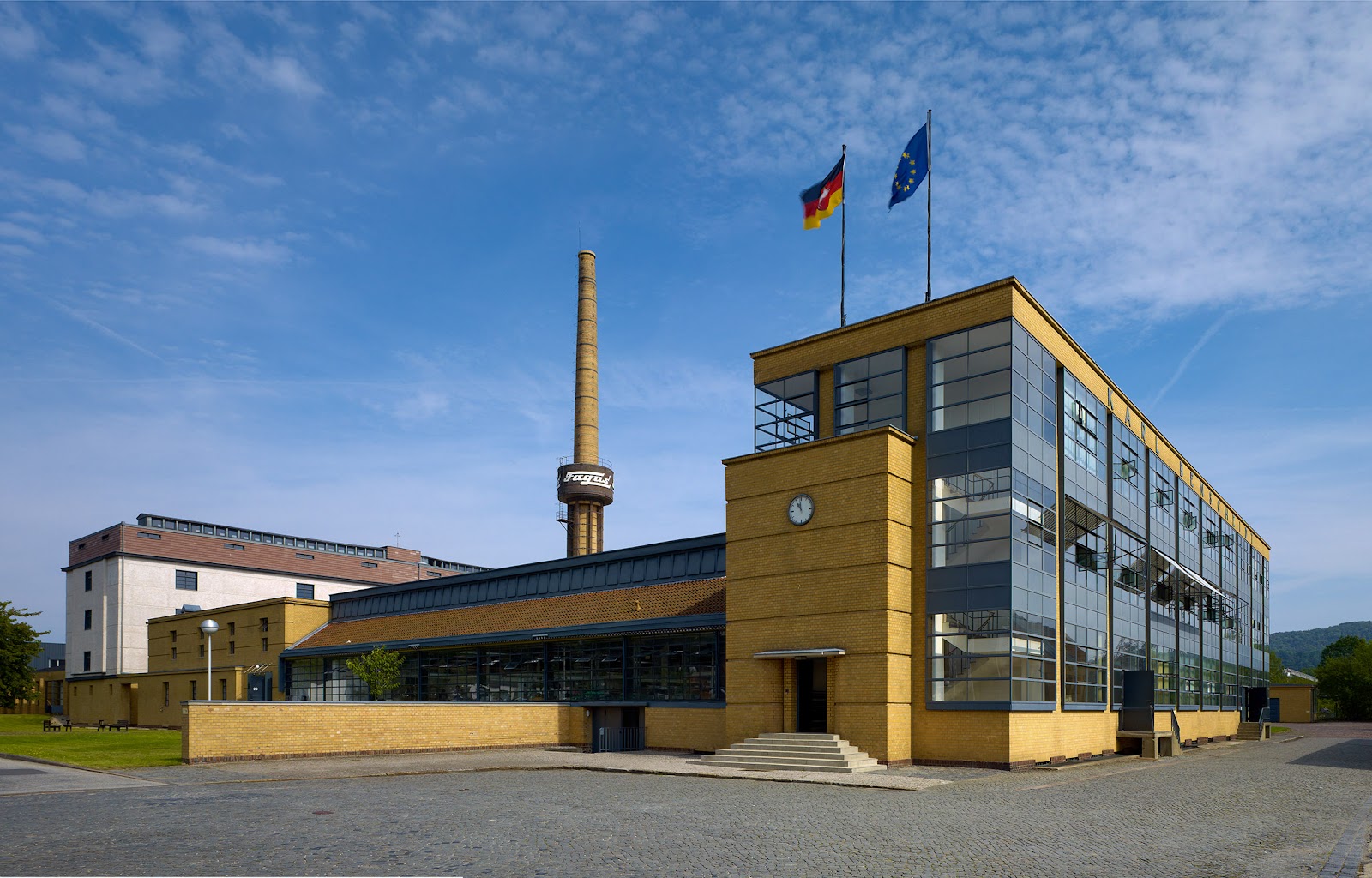
Fagus-Werk is best understood as an architectural landmark that happens to remain an active factory. Built in 1911, it was the first major commission associated with Walter Gropius, who later founded the Bauhaus. Public reviews repeatedly describe the complex as an early and influential step toward Modernism, shaped through the collaboration between Gropius and factory owner Carl Benscheidt.
That history gives the site broader significance than a conventional company museum. Its industrial purpose, progressive design and continued use are closely intertwined. With a Google rating of 4.6 from 1060 reviews, it draws particularly strong interest from visitors focused on architecture, design and industrial heritage.
Museum and factory experience
The museum occupies five floors, with displays covering design, production and the legacy of the factory. Reviewers appreciate the breadth of the material and the chance to examine how architecture and manufacturing developed together. Shoe production remains a major part of the interpretation, reflecting the factory’s original and continuing function.
The amount of information is also the most consistent reservation. One detailed review describes repeated material across display cases, information boards and videos, making the museum feel less tightly curated than it could be. Visitors with limited time may prefer to focus on the architectural story and selected production exhibits rather than attempting to absorb every panel.
A tour can add access and context beyond the self-guided museum visit. Public feedback indicates that entry to the working factory itself may depend on joining a tour, while an audio-guided route covers the wider campus. Some reviewers found overlap between the museum and audio material, but the tour remains the stronger option for anyone primarily interested in how the buildings function as an industrial complex.
Interpretation and difficult history
The site’s presentation earns praise for its coverage of production and design, but not every reviewer considers the historical balance adequate. One review specifically criticises the limited attention given to the factory’s connection with inhumane shoe-testing experiments involving prisoners at Sachsenhausen. That concern matters because a UNESCO industrial site benefits from addressing both design achievement and the more troubling history linked to its products.
The criticism does not dominate the wider feedback, but it suggests that visitors interested in twentieth-century social history may leave wanting more context. The museum appears strongest when explaining manufacturing and architectural development.
Planning the visit
At least two hours is suggested for the museum alone, and a tour can extend the experience into a half-day visit. The visitor entrance is reported to be on Hannoversche Straße, where visitor cards are provided. A café is also positively mentioned in the supplied feedback.
Saturday offers an opportunity to combine Fagus-Werk with Alfeld’s market, creating a fuller day trip. Overall, the landmark is most rewarding for travellers who already have an interest in Gropius, Bauhaus-era ideas or factory architecture. General museum visitors may find the five-floor presentation dense, but the importance of the buildings themselves remains clear.
Plan the rest of the trip
Ask anything
Looking for somewhere else?
Keep exploring around Alfeld (Leine)
More from Germany

Germany · Rüdesheim am Rhein
Niederwald Monument: Rhine Views and German History
The Niederwald Monument combines a major historic statue, landscaped grounds and wide Rhine views above Rüdesheim am Rhein.
Germany · Cochem
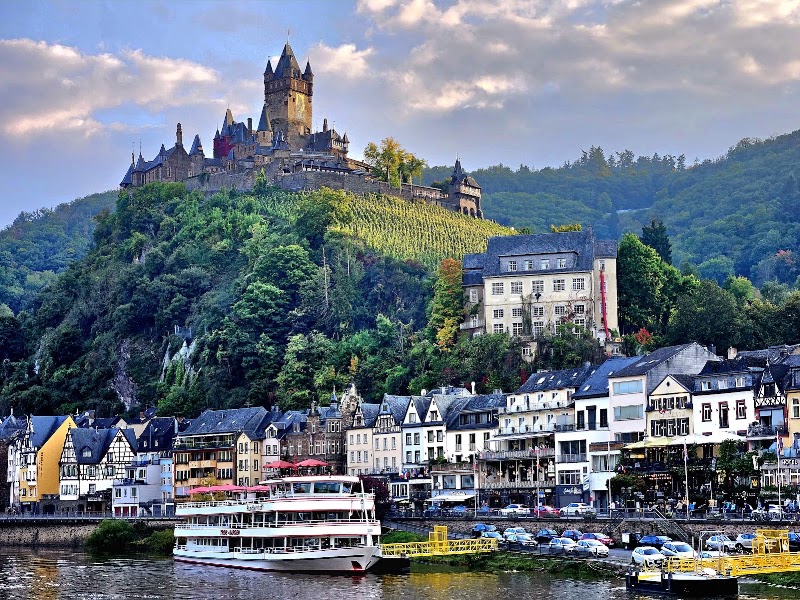
Cochem Castle Rewards the Climb with Moselle Valley Views
Reichsburg Cochem combines a steep approach, guided interiors and broad views over the town and Moselle Valley.

Germany · Vogtei
Centre of Germany: A Quiet Stop in Vogtei
Public reviews describe a clean, peaceful place near a lake, with one important caveat: visitors disagree about which point marks Germany’s true centre.
Germany · Dortmund
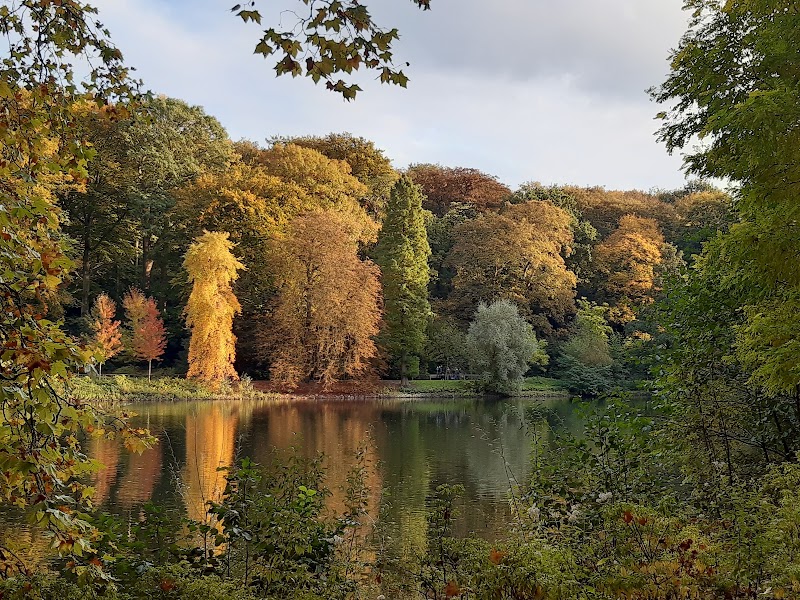
Rombergpark Botanical Garden, Dortmund’s Green Escape
Rombergpark Botanical Garden combines open parkland, seasonal blossoms, varied planted areas and tropical greenhouses in a calm Dortmund setting.